Attractions and Places To See around Luzino - Top 20
Best attractions and places to see around Luzino include historical sites and natural features in Wejherowo County, Poland. The area offers insights into its past with ancient settlements and historical buildings. Visitors can explore green spaces, an arboretum, and health paths. Luzino provides a range of points of interest for those exploring the region.
Best attractions and places to see around Luzino
- The most popular attractions is Wejherowo Town Hall, a man-made monument that was originally built in 1650. The current building, in 18th-century architectural style, opened in 1908 and serves as the seat of Wejherowo authorities.
- Another must-see spot is Mirachowskie Caves, a natural monument located near Mirachów. These caves, discovered in the 1950s and 1960s, are up to 2 meters high and between 3 and 6 meters deep.
- Visitors also love Museum of Kashubian – Pomeranian Writing and Music, a historical site housed in the Palace of the Przebendowski and Keyserlingk families. It showcases the material culture of Kashubia and houses collections of Kashubian and Pomeranian literature within a 20-hectare park.
- Luzino is known for historical buildings, natural monuments, and cultural sites. The area offers a variety of attractions to see and explore, from ancient settlements to museums.
- The attractions around Luzino are appreciated by the komoot community, with more than 60 upvotes and 20 photos shared by visitors.
Last updated: July 15, 2026
Wejherowo Town Hall
Highlight • Monument
The newly built town hall in the style of 18th century architecture was opened in 1908. From that year until today, it has been the seat of the Wejherowo authorities. Wejherowo belonged to the inheriting magnate families: the Radziwiłł family, the Sobieski family (including King Jan III Sobieski), and the Przednowski counts. Then the estate passed into the hands of the English consul in Gdańsk, Aleksander Gibson, who sold it to the Kayserling family in 1790. The Wejherowo town hall was the seat of one of the city's first mayors: including: Jan Owiński and the distinguished Teodor Bolduan, who carried out many investments in the city.
He was, among others, initiator of paving streets, building tennis courts, a swimming pool, a stadium and many other investments.
(fotopolska.eu/39024,obiekt.html?map_z=19)
Translated by Google •
Tip by

Mirachowskie Caves
Highlight • Cave
These caves were discovered in the 1950s and 1960s. They are up to 2 meters high and between 3 and 6 meters deep. Warning! Do not cross the wooden barrier if you value your life, as the ground is slipping and there's a risk of collapse.
Translated by Google •
Tip by

Sign up now to discover places like this
Get recommendations on the best single tracks, peaks, & plenty of other exciting outdoor places.
Sign up for free
Psychiatric Hospital in Wejherowo
Highlight • Historical Site
Translated by Google •
Tip by

Lake Borowo
Highlight • Lake
* Fireplace (official)
* There are wooden sheds / 'shelters' with tables etc.
* Lake is clean with a small beach
Tip by

Żarnowiec Pumped Storage Power Station
Highlight • Monument
Tip by

Sign up for free to discover even more attractions around Luzino.
Sign up for free
Already have an account?
Start today with a free account
Your next adventure awaits.
Login or Signup

Tips from the Community

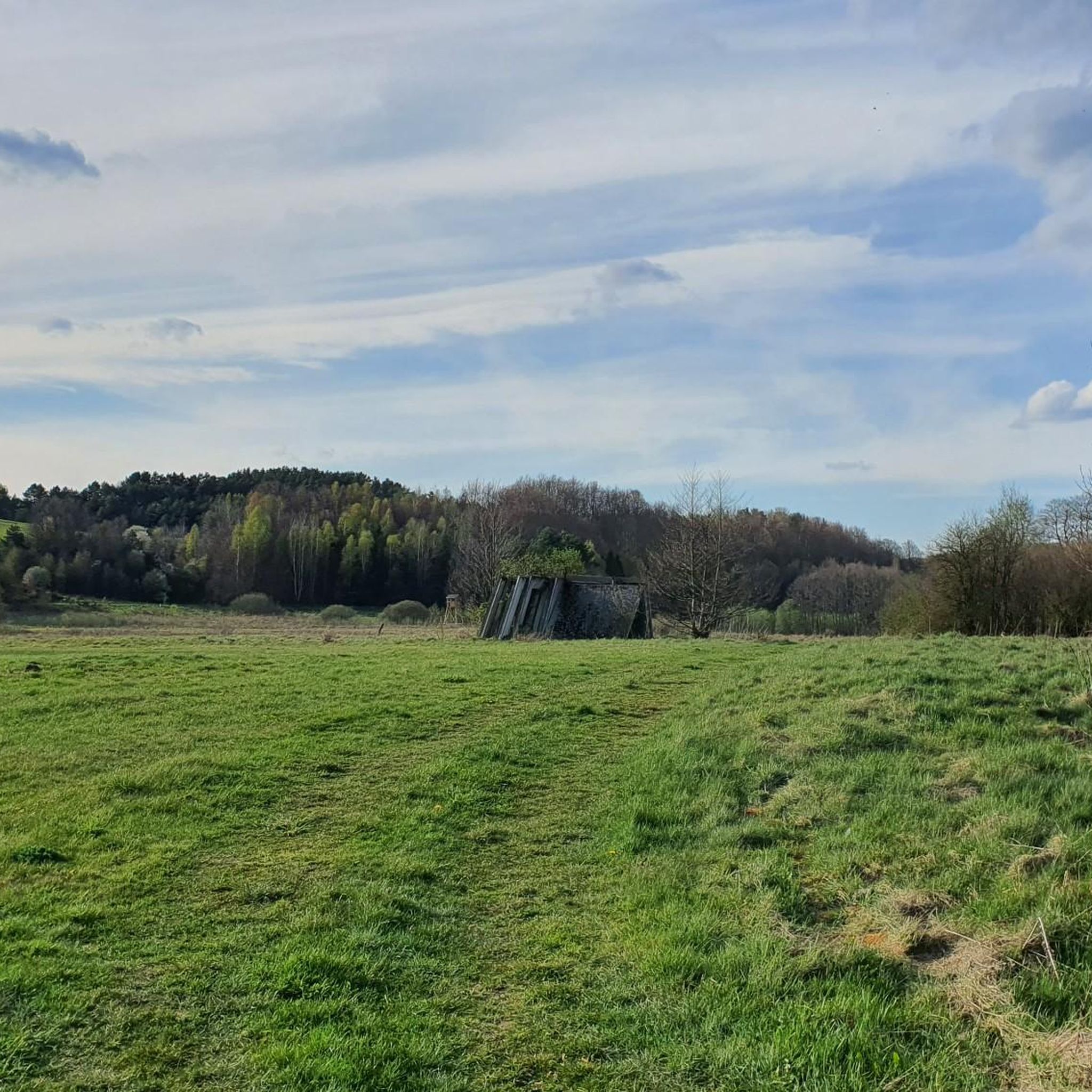
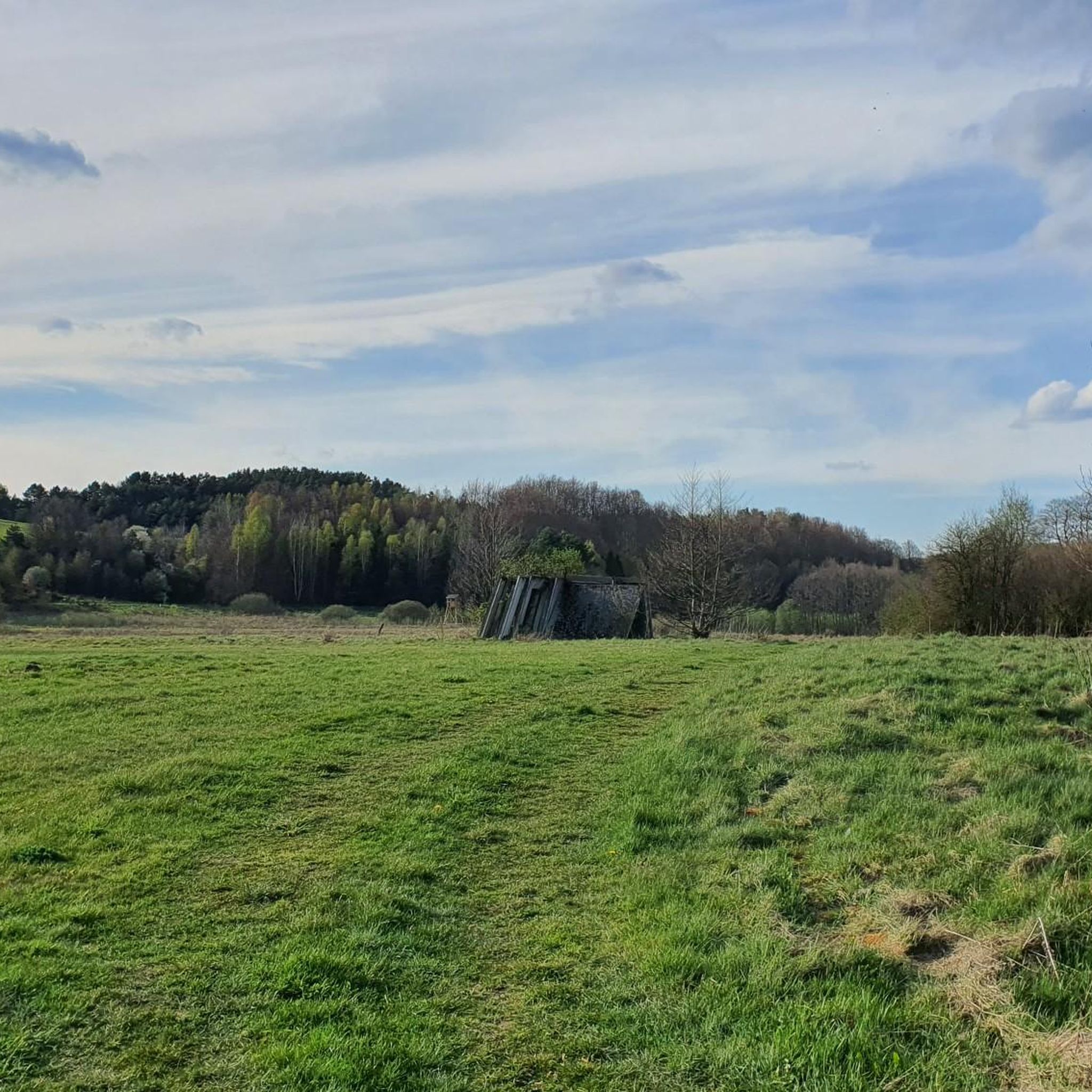
The peat water has beneficial properties for the skin. In addition, it has a dark color (it accumulates heat well). A great place for a summer day at the beach. There is a great atmosphere and a campsite here. I recommend it - it's better here than at the seaside (if you love little lakes).
0
0

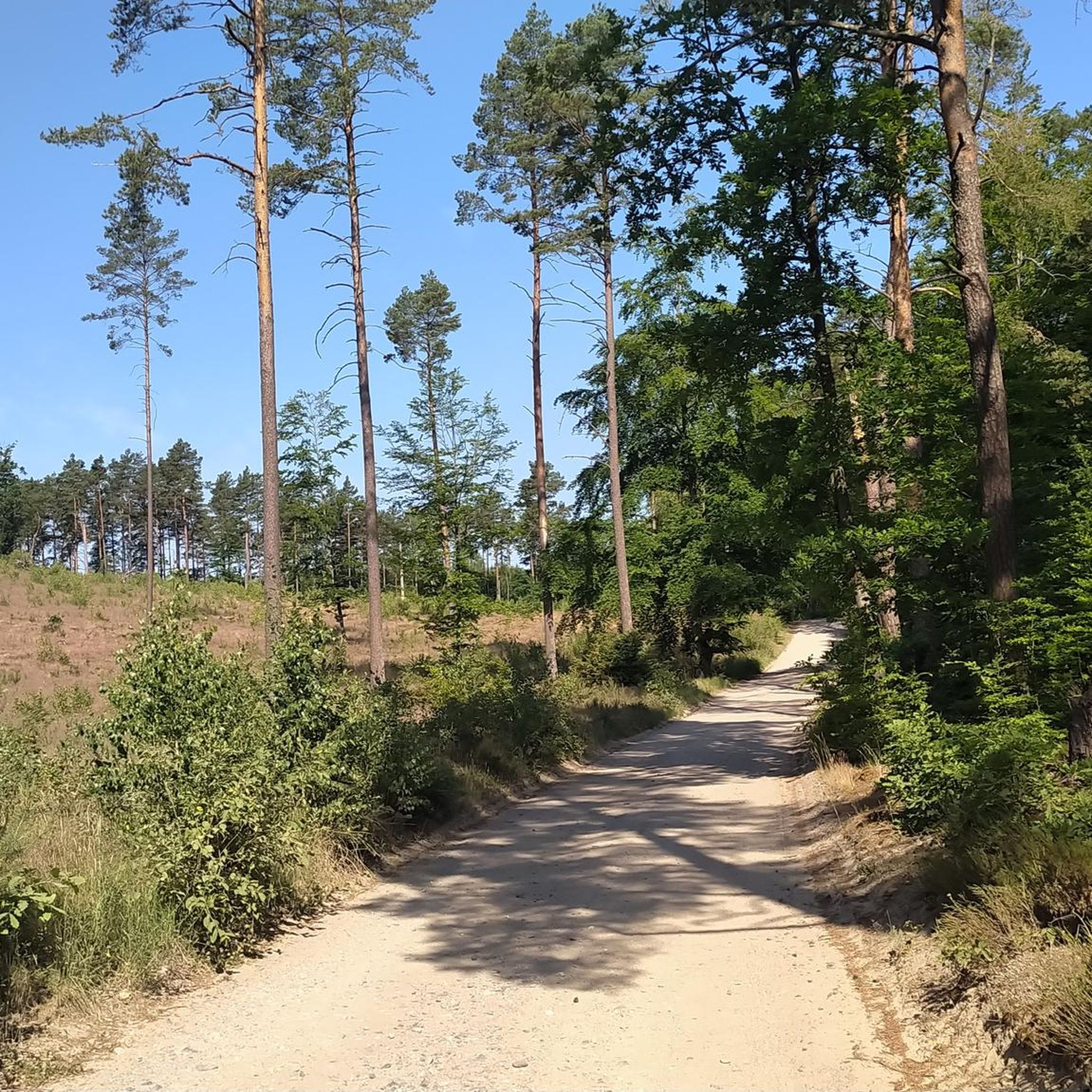
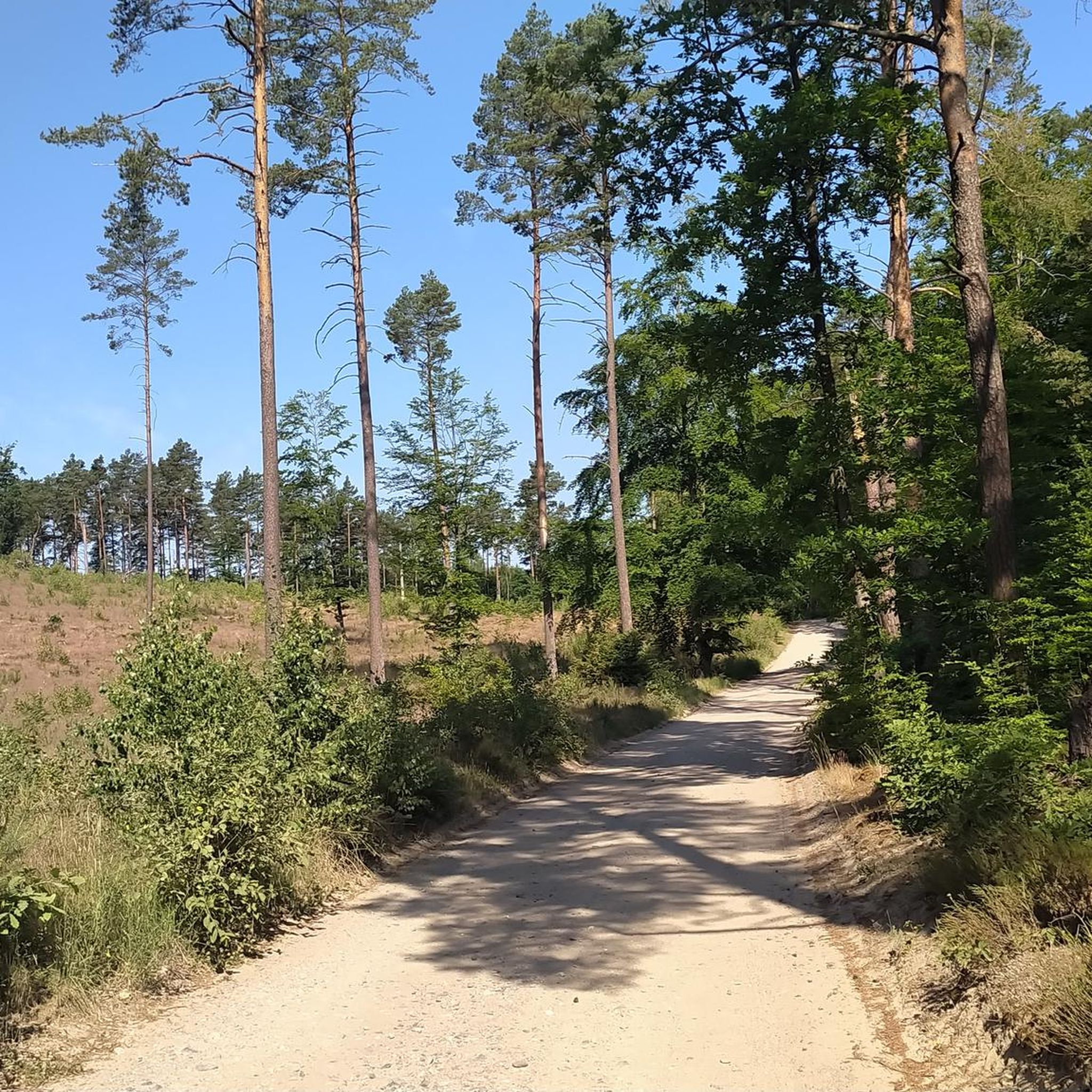
If you're hiking the Kashubian Trail, it's worth deviating a bit to see the Mirachowskie Caves. These caves were discovered in the 1950s and 1960s. They are up to 2 meters high and between 3 and 6 meters deep. Warning! Do not cross the wooden barrier if you value your life, as the ground is slipping and there's a risk of collapse.
1
0

The Żarnowiec Pumped-Storage Power Plant was intended to be an energy accumulator and, at the same time, a possible emergency power source for the future Żarnowiec Nuclear Power Plant.
0
0
The building is breathtakingly beautiful. It's worth stopping here to admire it.
1
0

There are two small caves, 9 and 6 meters long. So they are very small and can be entered without a lamp. More information at: www.sktj.pl/epimenides/pomor/mirachow_p.html
1
0

Near Mirachów there are two small conglomerate caves on the southwestern slope of a gravel pit above Lake Lubygość. The name "Caves" was adopted by local residents due to the lack of other such sites nearby. It is also an analogy to the caves of Our Lady of Fatima, which in Kashubia are often built on church grounds from fieldstone.
1
0

The City Hall was built in 1650. Due to its destruction, it was demolished at the beginning of this century. The newly built town hall in the style of 18th century architecture was opened in 1908. From that year until today, it has been the seat of the Wejherowo authorities. Wejherowo belonged to the inheriting magnate families: the Radziwiłł family, the Sobieski family (including King Jan III Sobieski), and the Przednowski counts. Then the estate passed into the hands of the English consul in Gdańsk, Aleksander Gibson, who sold it to the Kayserling family in 1790. The Wejherowo town hall was the seat of one of the city's first mayors: including: Jan Owiński and the distinguished Teodor Bolduan, who carried out many investments in the city. He was, among others, initiator of paving streets, building tennis courts, a swimming pool, a stadium and many other investments. (https://fotopolska.eu/39024,obiekt.html?map_z=19)
0
0
The hospital was built in 1881–1883 by the Berlin company Gropius & Schmieden for 400 patients from the province of West Prussia. The complex included several buildings located on the road from Wejherowo to Bolszewo. 25 acres of urban forest and 160 acres of private land were donated for this purpose. It was the second modern plant of its kind in the province after Świecie. In 1893, the hospital was overcrowded, which was one of the reasons for building a psychiatric hospital in Kocborów. The plant's basic staff consisted of 12 people. The director until 1895 was Dr. Kraemer, the author of the first printed, very extensive report, a kind of chronicle and monograph of the plant from 1885. As part of the treatment, patients performed various works for the plant, mainly in horticulture and agriculture (35 ha of land), in including breeding. Pastoral care was organized in the facility, with daily prayers celebrated alternately by Fr. the parish priest from Wejherowo and the pastor from Reda. After the end of World War I and Wejherowo's return to Poland, in 1921 the Pomeranian National Institute for the Deaf and Mute was established in the former hospital buildings. Currently, they house the ICT Support and Naval Command Center (ul. Sobieskiego 277), the District Special Education Complex (ul. Sobieskiego 279) and the District Family Assistance Center (ul. Sobieskiego 279A). (https://pl.wikipedia.org/wiki/Szpital_Psychiatryczny_w_Wejherowie)
1
1
Frequently Asked Questions
What historical sites can I explore in Luzino?
Luzino offers several historical sites, including the 9th-century fortified settlement, Wejherowo Town Hall (originally built in 1650), and the historic Church of St. Lawrence, which dates back to 1740. You can also find 18th-century baroque chapels on Ofiar Stutthofu Street and Długa Street.
Are there any ancient settlements to visit in the Luzino area?
Yes, you can visit the Grodzisko, a 9th-century fortified settlement located on Długa Street, behind the footbridge over the Bolszewka River. It represents some of the oldest traces of settlement in the area.
Where can I learn about the local culture and traditions of Luzino?
The Regional Chamber on Ofiar Stutthofu Street provides insights into the local history and traditions of Luzino. Additionally, the Municipal Public Library, housed in a former Protestant church on "Kukówka Hill," offers collections and exhibitions related to the cultural and social life of the village.
What natural attractions are there around Luzino?
Luzino boasts an Arboretum established in 1998, featuring over 140 species of trees and shrubs. You can also explore the "Luziński Las" Health Path, which offers looped routes for walking and Nordic walking, and provides a viewpoint with panoramic views of the Łeba-Reda pradolina.
Are there opportunities for walking or hiking near Luzino?
Yes, the "Luziński Las" Health Path offers two looped routes, the 2 km "Sosnowa" (Pine) route and the 3.4 km "Bukowa" (Beech) route, perfect for walking, running, or Nordic walking. For more options, you can explore easy hikes around Luzino, including routes like the "Hiking loop from Luzino" and "Rezerwat Pełcznica loop".
What unique natural features can I find in Luzino?
Beyond the arboretum and health path, Luzino is home to several nature monuments, including a hornbeam, a pedunculate oak, a natural hornbeam arbor, and two Linden Avenues. The area also features natural peculiarities such as the Peat Bog in Zielony Dwór, Luziński Moczar, and Jadwiga's Spring.
Are there any family-friendly attractions in the area?
Yes, the Museum of Kashubian – Pomeranian Writing and Music is considered family-friendly. It is housed in the Palace of the Przebendowski and Keyserlingk families and showcases the material culture of Kashubia within a 20-hectare park, offering an engaging experience for all ages.
What are some notable historical buildings in the wider Luzino municipality?
In nearby villages, you can find historical architecture such as the early 19th-century old school building in Kębłowo, the late 19th-century manor (now a school) and stable (now a church) in Sychowo, and the 18th-century palace in Kochanowo.
Can I find museums dedicated to military history near Luzino?
Yes, in Dąbrówka, on the site of a former military unit, you can visit the Museum of Military Technology "GRYF" and the Sappers Museum "Explosive." These museums are dedicated to military history and engineering.
What cycling routes are available around Luzino?
There are various cycling routes around Luzino. You can find options for cycling around Luzino, including routes like the "Manor in Zelewo – Manor in Kochanowo loop" and "Bike loop from Kębłowo." For road cycling, explore road cycling routes around Luzino, such as the "Old Town Hall – Reda River at the Red Bridge loop."
Where can I see unique geological formations like caves near Luzino?
Near Mirachowo, you can explore the Mirachowskie Caves. These conglomerate caves, discovered in the 1950s and 60s, can reach up to 2 meters in height and 3 to 6 meters in depth. Please be aware that the ground can be unstable.
Are there any memorials or significant historical markers in Luzino?
An Obelisk Commemorating the "Death March" stands on St. Joseph's Square. This memorial honors the prisoners of the Stutthof concentration camp who passed through Luzino during the "Death March" in World War II. The facade of the Church of St. Lawrence also features a fresco commemorating this event and the canonization of Father Maksymilian Kolbe.
What kind of plant life can I see in Luzino?
The Arboretum on Ofiar Stutthofu Street is a great place to see diverse plant life, with over 140 species and varieties of native and acclimatized trees and shrubs. Additionally, the area features natural monuments like a hornbeam, a pedunculate oak, and Linden Avenues.
Most popular attractions around Luzino

Get inspired with the komoot mobile app


Explore more
Still not found the Highlight you’re looking for? See guides of the top attractions in other regions:
