The best road cycling routes around gmina Osiek
5.0
(10)
260
riders
35
rides
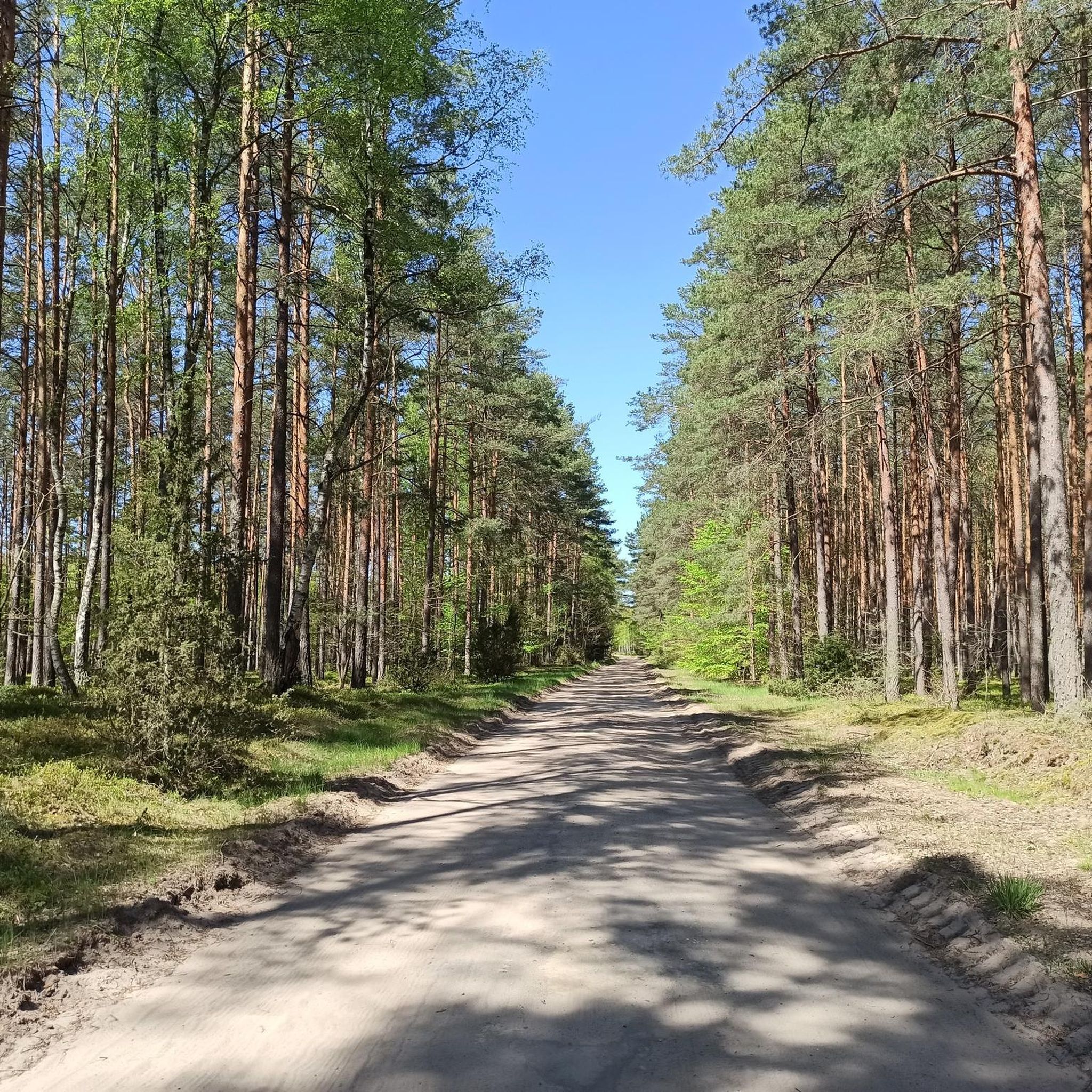
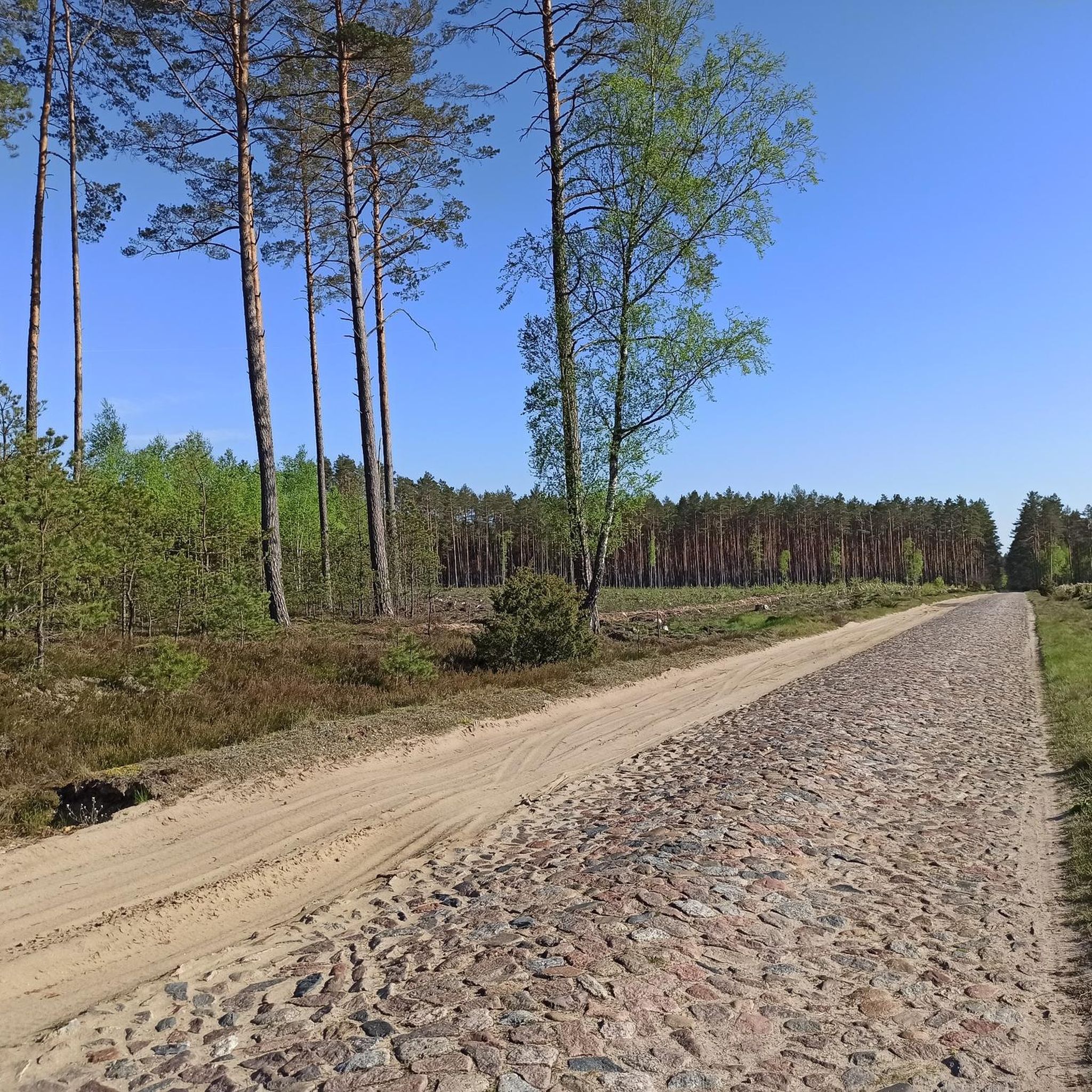
Road cycling around gmina Osiek features a landscape characterized by a flat and undulating moraine plateau, interspersed with agricultural areas and forested sections. The region includes convex landforms, which are considered hills, providing gentle ascents and descents for varied cycling. Notable natural features include the expansive Osiek Ponds and the nearby Vistula river, offering scenic backdrops for routes.
Best road cycling routes around gmina Osiek
- The most popular road cycling route is Roadbike loop from Skórcz, a 32.6 miles…
Last updated: May 12, 2026
12
riders
52.5km
02:05
240m
240m
Moderate road ride. Good fitness required. Mostly well-paved surfaces and easy to ride.
12
riders
57.3km
02:17
270m
270m
Moderate road ride. Good fitness required. Mostly well-paved surfaces and easy to ride.

Sign up for free
10
riders
33.0km
01:19
140m
140m
Easy road ride. Great for any fitness level. Mostly well-paved surfaces and easy to ride.
5
riders
70.8km
02:58
410m
410m
Moderate road ride. Good fitness required. Mostly well-paved surfaces and easy to ride.
5
riders
39.1km
01:40
200m
200m
Easy road ride. Great for any fitness level. Mostly well-paved surfaces and easy to ride.
Get access to more routes and recommendations from other explorers.
Sign up for free
Already have an account?
Our route recommendations are based on thousands of hikes, rides, and runs completed by other people on komoot.
Start today with a free account
Your next adventure awaits.
Login or Signup
Tips from the Community

Nice park, place to rest.
0
0

Interesting, but I didn't have the opportunity to visit it
0
0

In the mid-19th century, a compulsory embankment was established in the Sartowicko-Nowska lowland. A new Vistula embankment was built, and a wooden lock was built at the mouth of the Mątawa River into the Vistula. After completing these works, water conditions in the Mątawa valley were supposed to improve, but it turned out that the works carried out only partially solved the problem, because now the Mątawa, unable to find an outlet, was flooding the Nowa Lowland. Further regulation of the Mątawa River was carried out in the years 1874-1878, and in 1884 a bucket dredger was purchased for its desilting, paying 18,000 marks for this machine. Despite all these activities, the high level of the Vistula and the lack of gravitational outflow of the Mątawa River caused the waters of the Mątawa River to spread. In 1888, a very large spring flood caused the entire Mątawy commune to become swampy for a long time. This prompted the local farmers to think about building a pumping station. Indeed, in 1890, permission was obtained to build a pumping station and it was installed on the Mątawa River. The result of pumping water turned out to be extremely beneficial. The inhabitants of Mątawy cultivated their fields freely at a time when all other villages could not go out into the fields at all. This gave rise to the idea of building a large pumping station to drain the entire Sartowice-Nowe valley, the construction of which was completed and put into operation in 1910. This pumping station was intended to transfer water from the Mątawa River catchment during the period of high levels of the Vistula River. Its task was to drain the polder of this valley with an area of approximately 9,500 ha. This pumping station was equipped with three pumping units with rotating pumps in a single-stage lever system with a capacity of three pumps of approximately 12-15 m3/sec. powered by steam engines with a power of 250 steam horses. The amount of fuel consumed was 250 kg of coal per hour for 1 boiler. This pumping station operated with the same structure and drive until 1974. During its operation, 2 operators were employed, and 2 employees for each furnace worked during pumping. A maximum of 7-8 people were employed. Coal was delivered from Silesia to Nowe by rail, and then by road, tractor and horse transport to the Kończyce pump station.
1
0

A gas station nearby, where you can get provisions and drink a cup of coffee
0
0

Free admission. There are stairs from the side of the embankment, you can get there by bike from Kniatek Street.
0
0

Frequently Asked Questions
How many road cycling routes are available in Gmina Osiek?
Gmina Osiek offers a wide selection of road cycling routes, with over 35 options available on komoot. These routes cater to various skill levels, including 9 easy, 26 moderate, and 1 difficult route.
What kind of terrain can I expect on road cycling routes in Gmina Osiek?
The terrain in Gmina Osiek is primarily a flat and undulating moraine plateau, interspersed with agricultural areas and forested sections. While generally flat, you'll encounter gentle ascents and descents due to convex landforms, particularly around Kretki Małe. The region also features scenic areas like the expansive Osiek Ponds and the Vistula river, providing diverse backdrops for your ride.
Are there any easy road cycling routes suitable for beginners in Gmina Osiek?
Yes, Gmina Osiek has several easy road cycling routes perfect for beginners or those looking for a relaxed ride. One such route is the Roadbike loop from Osiek, which is 33.0 km long and leads through the gmina's characteristic flat and undulating landscape, typically completed in about 1 hour 19 minutes.
What are some challenging road cycling routes in Gmina Osiek?
For cyclists seeking a challenge, Gmina Osiek offers routes with more significant elevation gain. An example is the Gniew Castle – View of Gniew loop from Skórcz, a 70.4 km route with over 400 meters of elevation gain, offering a more demanding experience through varied terrain.
What natural features or viewpoints can I see along the road cycling routes?
Road cycling routes in Gmina Osiek often pass by beautiful natural features. The expansive Osiek Ponds are a prominent scenic highlight, offering picturesque views. You might also encounter forested areas and the Vistula river. For specific viewpoints, consider routes that pass near the Observation tower in the middle of the tornado damage area or the Observation Tower Over the Rebuilding Forest, which offer unique perspectives of the landscape.
Are there any historical landmarks or attractions to visit while cycling in Gmina Osiek?
Yes, Gmina Osiek is rich in historical sites. Cyclists can integrate visits to the late-baroque palace in Osiek, rebuilt in an oriental style, or the ruins of a 16th-century palace in Głębowice. The area also features the wooden Church of St. Andrew the Apostle and the Church of Our Lady of the Rosary in Koprzywnica, providing interesting cultural stops along your ride.
What do other road cyclists enjoy most about road cycling in Gmina Osiek?
The road cycling experience in Gmina Osiek is highly rated by the komoot community, with an average score of 5.0 stars from more than 9 reviews. Cyclists often praise the region's diverse routes, which navigate through a mix of agricultural plains, forested sections, and the scenic Osiek Ponds, catering to different ability levels.
Are there any loop trails for road cycling in Gmina Osiek?
Many road cycling routes in Gmina Osiek are designed as loops, offering convenient starting and ending points. Examples include the Roadbike loop from Skórcz, a moderate 52.5 km trail, and the Grabowo loop from Skórcz, which covers 57.3 km through varied terrain.
Is Gmina Osiek part of any larger cycling initiatives or trails?
Yes, Gmina Osiek is part of the inter-municipal "Carp Valley" association, which actively promotes tourism, including cycling. This initiative features specific routes like the "Szlak Doliny Karpia" (Carp Valley Trail), which is over 86 km long, and also offers amenities such as free bicycle rentals to enhance accessibility for visitors.
What is the best time of year for road cycling in Gmina Osiek?
While specific seasonal recommendations are not detailed, the region's diverse landscapes, including agricultural and forested areas, suggest that spring and autumn would offer pleasant temperatures and beautiful scenery. The presence of the Vistula river with its "exploding spring nature" indicates spring could be particularly scenic.
Are there any facilities or resorts for cyclists in the area?
Yes, the Molo Resort, situated by one of the recreational reservoirs in the "Carp Valley," offers a hotel, restaurant, swimming pool, and sports and water equipment rental. This makes it a convenient and comfortable stop for cyclists looking for accommodation or a place to relax and refuel during their ride.
Are there any family-friendly road cycling options in Gmina Osiek?
While specific 'family-friendly' routes are not explicitly detailed, the presence of 9 easy routes and the generally flat and undulating terrain of Gmina Osiek make it suitable for families. Routes like the Roadbike loop from Kościelna Jania, an easy 38.8 km ride, could be a good option for families looking for a less strenuous outing.
Most popular attractions around gmina Osiek

Get inspired with the komoot mobile app


Explore more
Browse the best Road cycling routes in other regions.
