Top 16 Castles around Üxheim
Best castles around Üxheim are situated within the Eifel region, an area recognized for its rich history and varied natural landscapes. This region offers a range of historical sites, from well-preserved medieval structures to significant castle ruins. Visitors can explore these landmarks, which provide insights into centuries of German history and offer opportunities for outdoor activities. The castles around Üxheim are notable for their architectural diversity and historical significance within the Eifel.
Best castles around Üxheim
- The most popular castles…
Last updated: July 6, 2026
Kerpen Castle (Eifel)
Highlight • Castle
Translated by Google •
Tip by

Dreimühlen Castle Ruins
Highlight • Castle
Translated by Google •
Tip by

Sign up now to discover places like this
Get recommendations on the best single tracks, peaks, & plenty of other exciting outdoor places.
Sign up for free
View of the Kasselburg
Highlight • Castle
Translated by Google •
Tip by

Dollendorf Castle Ruins (Finger of God)
Highlight • Castle
Translated by Google •
Tip by

Kerpen Castle
Highlight • Castle
Translated by Google •
Tip by

Sign up for free to discover even more castles around Üxheim.
Sign up for free
Already have an account?
Start today with a free account
Your next adventure awaits.
Login or Signup
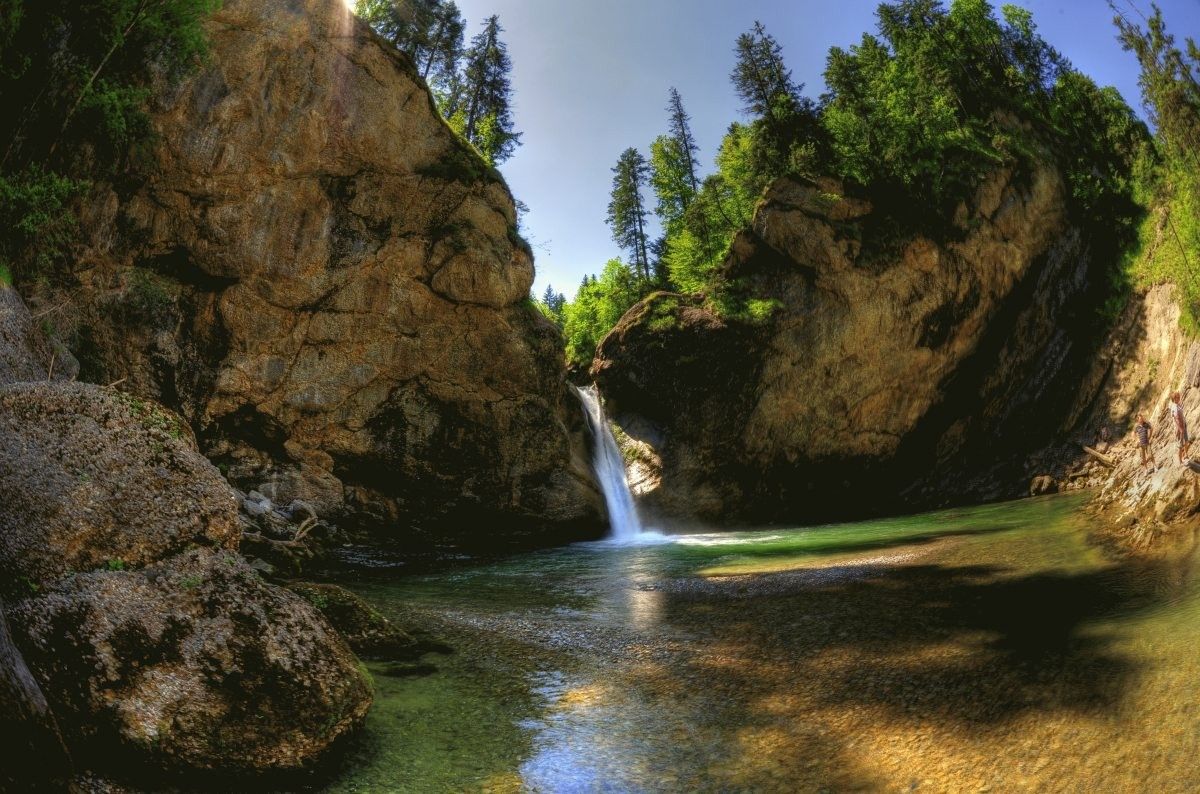

Other adventures around Üxheim

Tips from the Community

The exact origins of Kerpen Castle are shrouded in the mists of history. It is considered very likely that its builder was Sigibertus de Kerpene, first mentioned in documents in 1136, or his son Heinrich I (1142–1177). However, an exact construction date cannot yet be given.
15
2

Very pretty little town but unfortunately absolutely dead.
2
0

A very beautiful castle above a great little town. Restorations are already well advanced. Definitely worth a visit
8
0

A great castle. It is privately owned and cannot be visited. The castle 🏰 is currently being restored. Beautiful forest area.
5
0

A beautiful ruin with an interesting past, which unfortunately has been demolished for building material.
4
0

Kerpen Castle towers imposingly over the town of the same name. The castle is a so-called spur castle on a dolomite spur at 500 m above sea level. NHN. The exact year of construction cannot be determined. However, the castle also had prominent owners in modern times: From 1907 to 1911, Kerpen Castle was owned by Clemens Manstein. In 1911 the Eifel painter Fritz von Wille von Clemens Manstein bought the castle and had urgent security and repair work carried out. When the artist died in 1941, he was buried on the hill behind the castle. In the same year, the DEMAG company bought the castle to use as a training center. In the 1950s, the company carried out further security, conversion and expansion measures. From 1969 to 2007, Kerpen Castle was owned by the district of Neuss, which used it as a country school. Then a Dutch family acquired the facility and underwent a major renovation in 2010. Most recently (2016) used as refugee accommodation, the castle was sold to an entrepreneurial family from Bonn in January 2018 and will be used for private residential purposes in the future. Therefore, a visit to the castle is unfortunately no longer possible. Nevertheless, care is taken to preserve the castle and that alone is worth a lot.
4
0
Even if the castle cannot be visited because it is privately owned, its location high above the village of Kerpen is very impressive and gives the beautiful village a certain charm. Kerpen Castle is a so-called spur castle, which lies on a rock or mountain spur, but below the hilltop or the mountain peak, unlike the summit castle, and thus steeply above the valley. It is characterized by a terrain formation that slopes steeply on at least two sides. The place is practically at the feet of the castle. The former owner and famous Eifel painter Fritz von Wille was buried on a hill behind the castle in 1941. For a long time afterwards, it served first as a training center and finally as a rural school center; from 2016 to 2018, refugees were accommodated here. The castle currently belongs to an entrepreneurial family from Bonn and has since been used only for private residential purposes.
7
0

Frequently Asked Questions
What are some of the most historically significant castles in the Üxheim region?
The Eifel region around Üxheim is rich in history. Notable castles include Burg Lissingen, a remarkably well-preserved 13th-century moated castle that was never destroyed, and Schloss Bürresheim, which evolved from a medieval fortress into a prestigious Baroque residential complex, also never destroyed. Genovevaburg in Mayen, though rebuilt multiple times, dates back to 1280 and houses the Eifel Museum.
Are there family-friendly castles or activities near Üxheim?
Yes, several castles offer family-friendly experiences. The View of the Kasselburg is a popular destination, especially with the adjacent Kasselburg Eagle and Wolf Park, which offers activities for all ages, including bird of prey shows and wolf feedings. The Genovevaburg also features the Eifel Museum and an underground slate mine, providing educational and engaging experiences for families.
What kind of outdoor activities can I do near these castles?
The region offers diverse outdoor activities. You can find numerous running trails, such as the 'Dreimühlen Waterfall – Kerpen Castle (Eifel) loop from Kerpen' (10.6 km, moderate). For hikers, there are waterfall hikes like the 'Dreimühlen Waterfall – Rock face at Nohner Mühle loop from Üxheim' (6.3 km, easy). Cycling enthusiasts can explore routes like the 'View of Kasselburg Castle – Kerpen Castle loop from Üxheim' (45.6 km, difficult). For more details, explore the Running Trails around Üxheim, Waterfall hikes around Üxheim, and Cycling around Üxheim guides.
Can I visit Kerpen Castle (Eifel)?
Kerpen Castle (Eifel) is a beautiful and impressive landmark, but it is privately owned and cannot be visited inside. However, it is an excellent spot for hiking around and admiring its architecture from the outside. Many visitors enjoy the trails that offer great views of the castle.
Are there any castle ruins worth visiting in the area?
Yes, the Dollendorf Castle Ruins (Finger of God) are a unique historical site. Known for its distinctive half-preserved, 20-meter-high tower that resembles a finger jutting into the sky, it offers a different historical experience. Another ruin is Burgruine Neublankenheim, located in the Ahbachtal, which provides a glimpse into medieval history and is often freely accessible.
What is the best time of year to visit the castles around Üxheim?
The Eifel region is beautiful year-round. Spring and autumn offer pleasant temperatures for exploring and hiking, with vibrant foliage or blooming landscapes. Summer is ideal for enjoying outdoor activities and castle festivals, such as the 'Burgfestspiele' at Genovevaburg. While winter can bring picturesque snowy scenes, some castle attractions or trails might have limited access or opening hours, so it's advisable to check in advance.
Are there any castles that have been featured in films?
Yes, Schloss Bürresheim is famously known for its picturesque appearance and has been a frequent film location. It notably appeared as 'Schloss Brunwald' in 'Indiana Jones and the Last Crusade,' adding an extra layer of interest for visitors.
What unique features do the castles in the Üxheim region offer?
The castles offer a range of unique features. Burg Lissingen is a 'double castle' with distinct upper and lower sections, showcasing architectural styles from Gothic to Baroque. Schloss Bürresheim provides a comprehensive overview of aristocratic living from the late Middle Ages to the Gründerzeit. The Genovevaburg features a 34-meter-high Golo Tower and a unique German Slate Mine 16 meters beneath it.
Are there any castles where I can stay overnight?
Yes, Blankenheim Castle, originally a hilltop castle from around 1115, was rebuilt into a Baroque castle and now houses a youth hostel. This offers a unique opportunity for an overnight stay within historic walls, providing a memorable experience.
What do visitors enjoy most about the castles around Üxheim?
Visitors frequently appreciate the historical depth and architectural beauty of the castles. Many enjoy the opportunity to hike around impressive landmarks like Kerpen Castle (Eifel), even if they can only be admired from the outside. The family-friendly attractions at places like the Kasselburg, with its eagle and wolf park, are also highly rated. The unique silhouette of the Dollendorf Castle Ruins, known as the 'Finger of God,' also captures visitors' imagination.
Are there good viewpoints to see the castles from a distance?
Yes, many castles in the Eifel region are situated on hills or prominent locations, offering excellent viewpoints. For instance, the Genovevaburg stands on a rock outcrop above Mayen, providing commanding views of the city. The View of the Kasselburg is itself a popular viewpoint, offering idyllic vistas of the castle and the surrounding Eifel landscape.
What is the Aremberg Castle Tower?
The Aremberg Castle Tower is the last remaining structure of the once impressive Aremberg Castle, which was destroyed in the 17th and 19th centuries. Built around 1854 from the castle's rubble, it stands on the Aremberg mountain, the highest peak in the Ahr Mountains at 623 meters. While the tower itself is a historical landmark, the surrounding trees may limit panoramic views from the top.
Most popular routes around Üxheim
Most popular attractions around Üxheim

Get inspired with the komoot mobile app


Explore more
Looking for the best castles somewhere else? Discover other guides around Üxheim:
