Attractions and Places To See around Krokowa - Top 20
Best attractions and places to see around Krokowa include a variety of sites that blend historical significance with natural landscapes. The region features ancient landmarks, cultural institutions, and diverse natural areas. Visitors can explore coastal dunes, river estuaries, and historic castles. Krokowa offers a range of experiences for those interested in history, culture, and outdoor exploration.
Best attractions and places to see around Krokowa
- The most popular attractions is Białogóra Nature Reserve, a natural monument that protects a unique…
Last updated: July 15, 2026
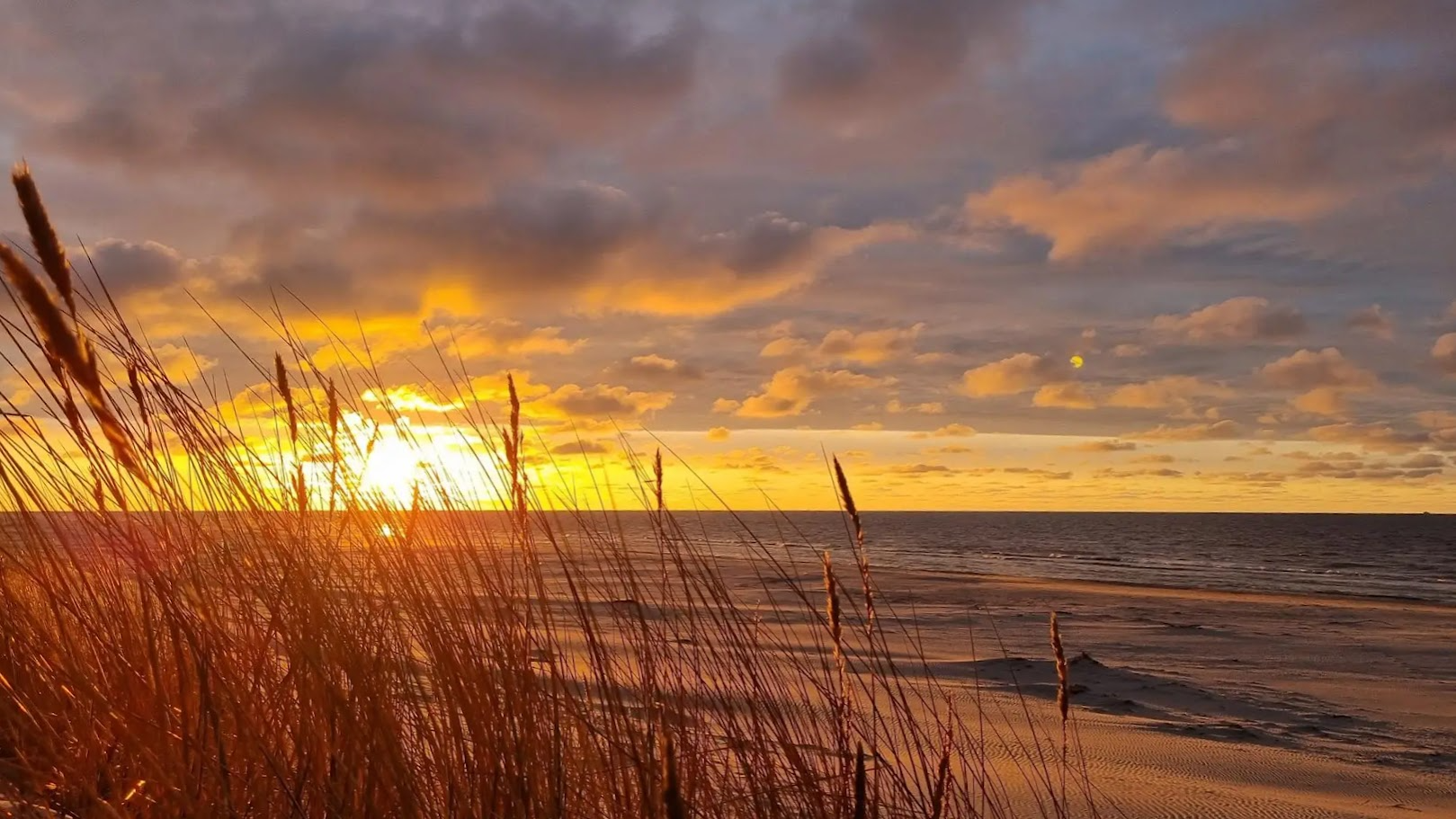
Białogóra Nature Reserve
Highlight • Natural Monument
Tip by

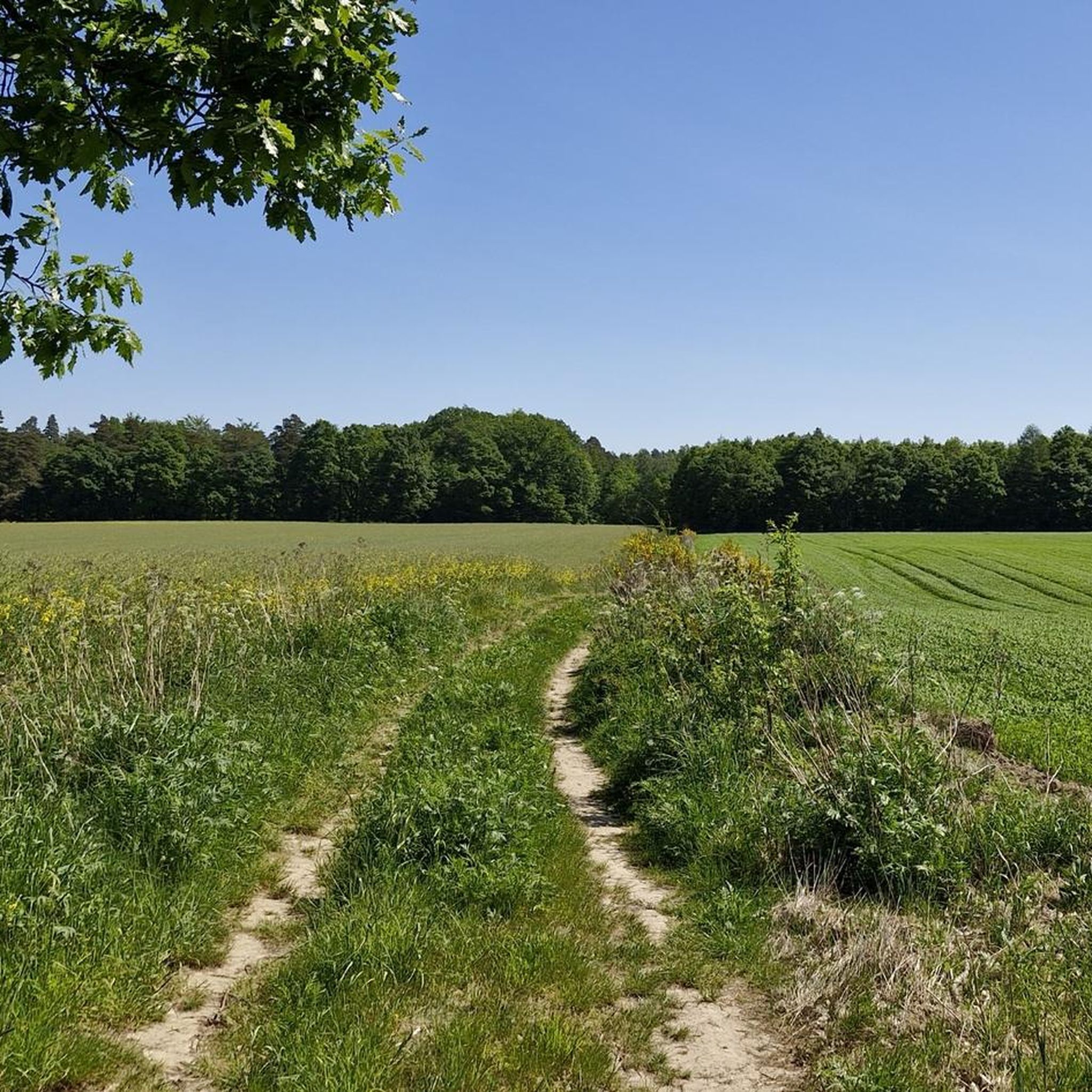
Piaśnica River Mouth
Highlight • River
Translated by Google •
Tip by

Sign up now to discover places like this
Get recommendations on the best single tracks, peaks, & plenty of other exciting outdoor places.
Sign up for free
Krokowo - Castle
Highlight • Castle
Today nice hotel and nice restaurant.
More information: zamekkrokowa.pl/de and de.wikipedia.org/wiki/Schloss_Krockow
Translated by Google •
Tip by

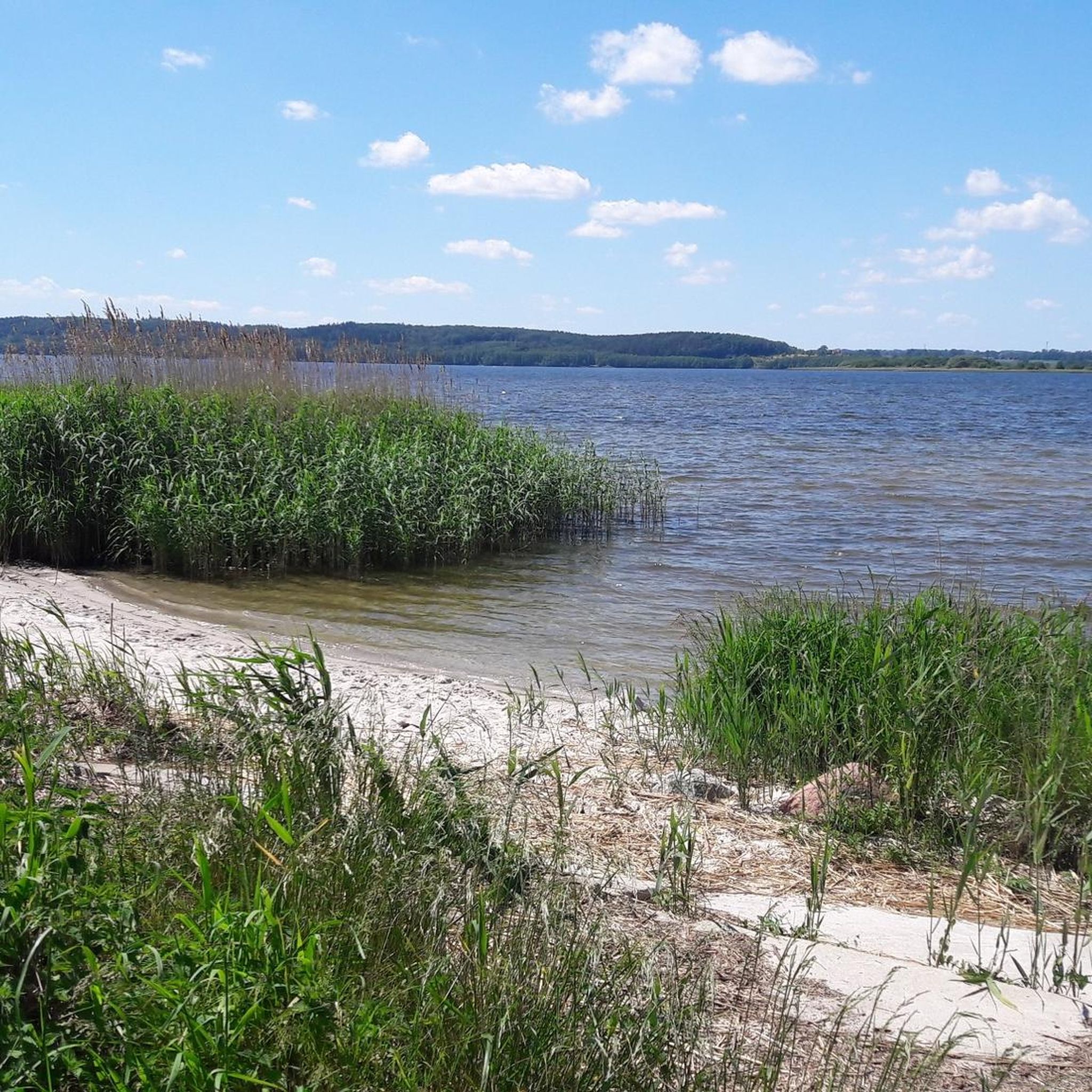
Puck Bay
Highlight • Lake
Translated by Google •
Tip by

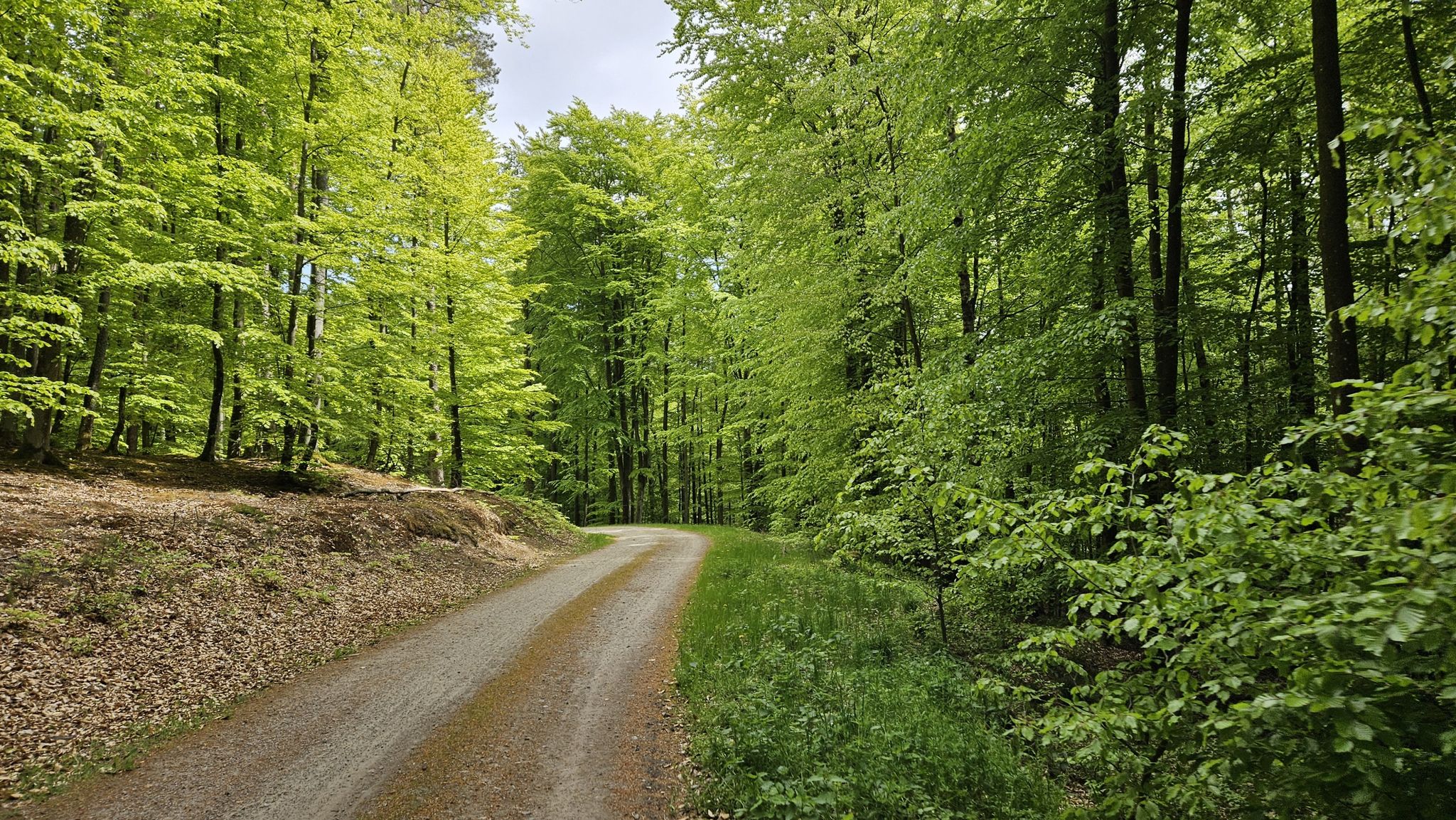
Forest Path Through Białogóra Reserve
Highlight • Trail
Here we also met a deer.
Translated by Google •
Tip by

Sign up for free to discover even more attractions around Krokowa.
Sign up for free
Already have an account?
Start today with a free account
Your next adventure awaits.
Login or Signup
Popular around Krokowa



Tips from the Community

The route is very pleasant both on bike and on foot.
0
0

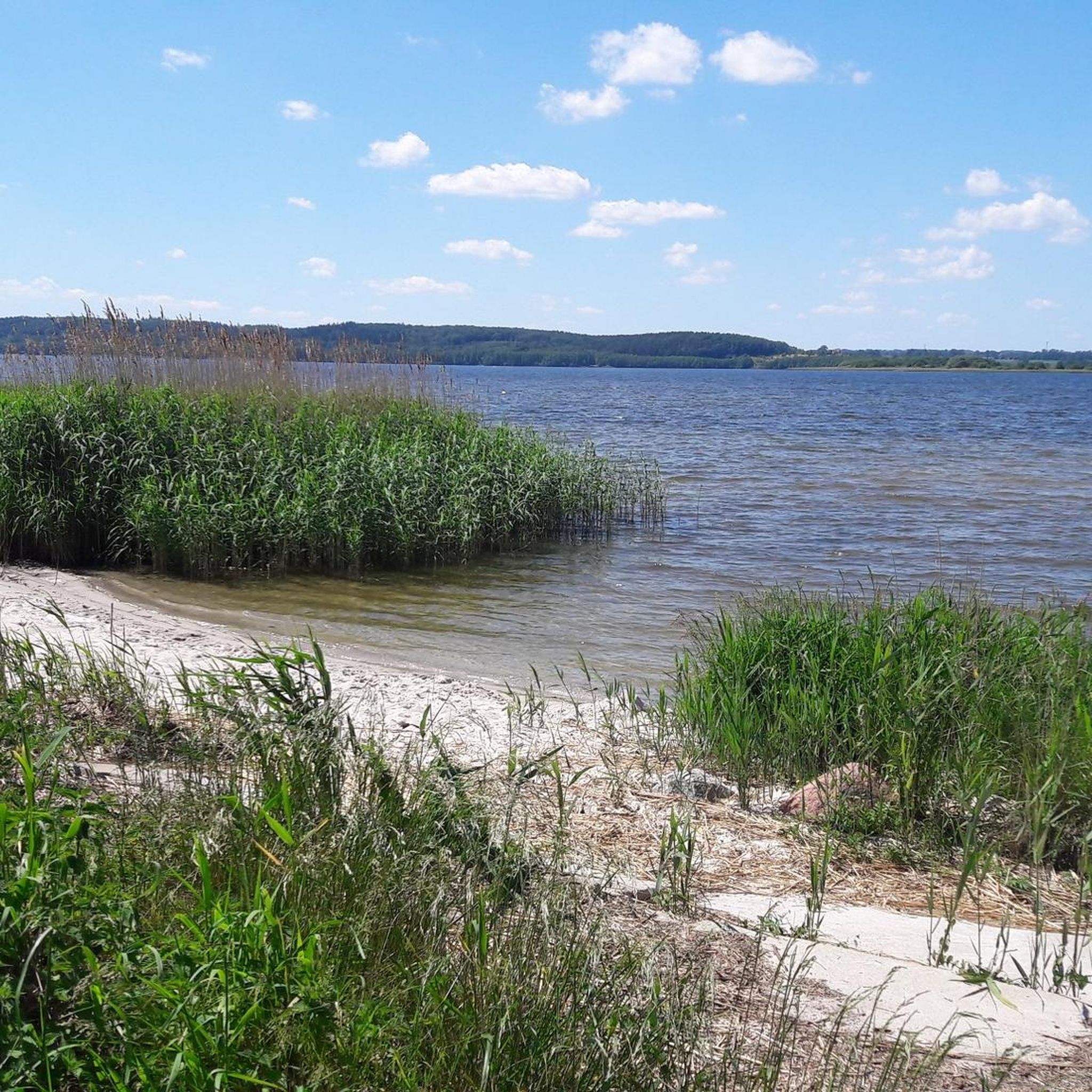
Puck Bay is a quieter part of the Baltic Sea, separated from the open sea by the Hel Peninsula, ideal for cyclists looking for scenic routes and contact with nature. The shores of the bay offer numerous bike paths, including the popular Władysławowo–Puck–Rewa section, which runs along the water. The bay is famous for its shallow bottom and rich bird life, as well as conditions for water sports, especially in the areas of Chałupy and Kuźnica. In many places you can stop at piers or observation towers, and the tourist infrastructure is conducive to longer stops. This is an ideal region for recreational trips, combining landscapes, history and nature.
1
0

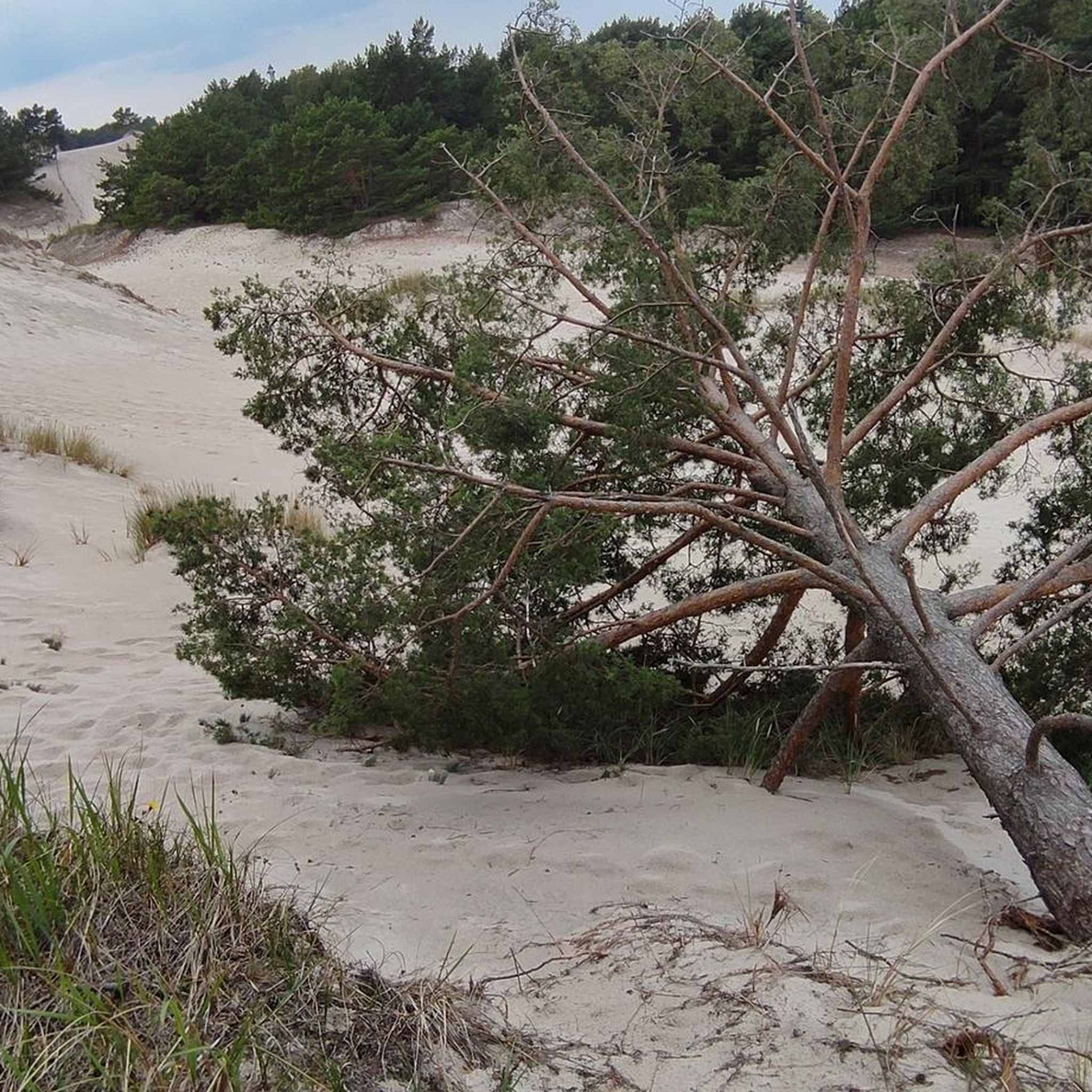
Rezerwat Przyrody Białogóra was established in 1972 and is a 211.56-hectare nature reserve located on the Kaszubian Mierzeja in northern Poland. It aims to protect a unique complex of coastal dunes and inter-dune depressions, featuring rare Atlantic-type peat bog vegetation. The reserve is home to endangered plant species such as stiff club-rush, European wax myrtle,, and brown beak-sedge. Additionally, it serves as a habitat for the common crane, which nests in the area.
2
0

The castle is worth seeing. The history of the Krockow family is well researched and presented in a very interesting and detailed way. There are nice rest areas on the way there.
0
0

The mouth of the Piaśnica River into the sea - the amazing amber color of the water in the river.
0
0

A very beautiful castle in Krokowa
0
0

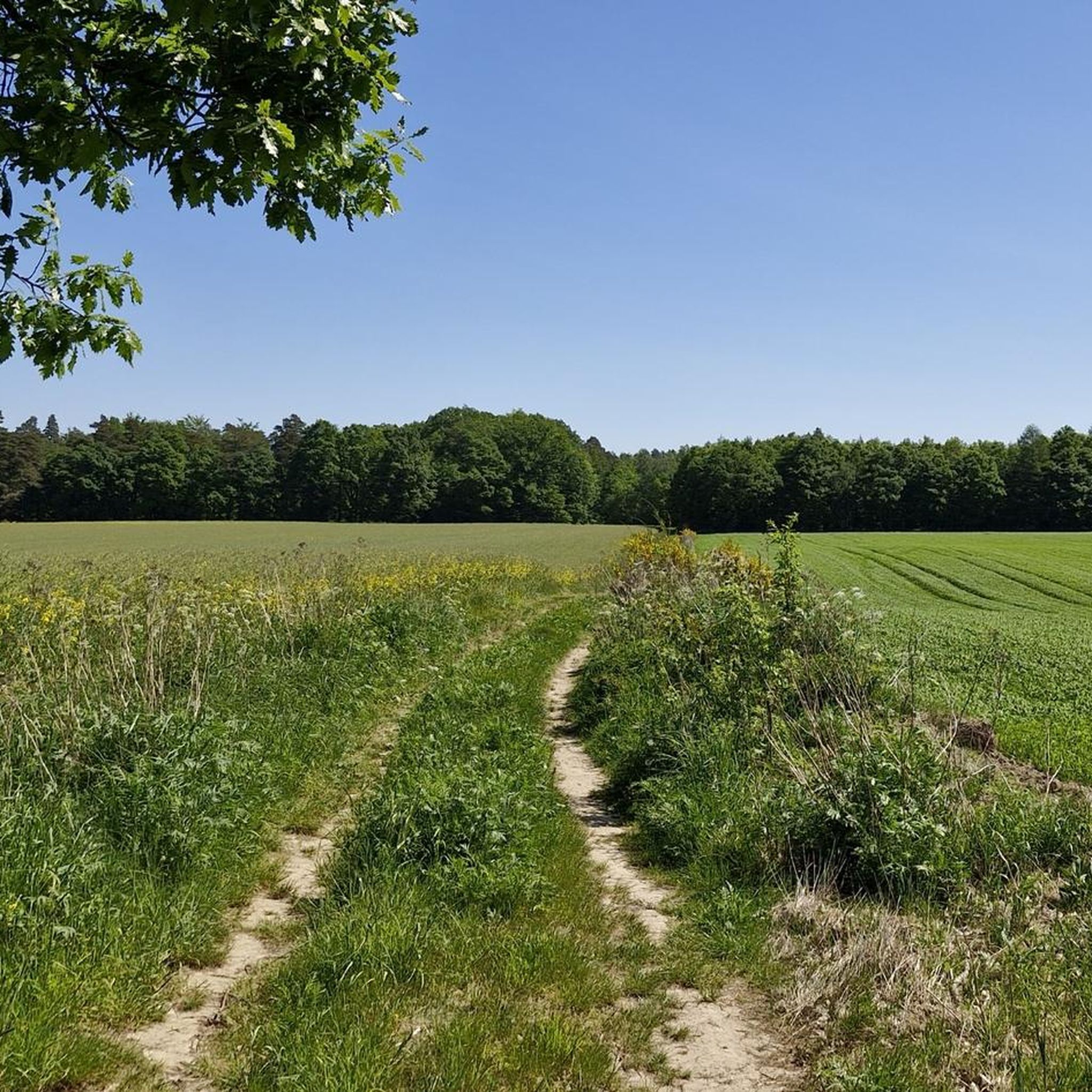
A beautiful forest path between Dębki and Białogóra. Perfect for Gravel.
0
0

A nice park near the castle where you can relax. There is a restaurant and a hotel in the castle, but I didn't visit it.
0
0
Frequently Asked Questions
What historical landmarks can I explore in Krokowa?
Krokowa is rich in history. You can visit Krokowo - Castle, a 13th-14th century castle now functioning as a hotel and restaurant, surrounded by a picturesque park. Other significant sites include the neo-Gothic Church of St. Catherine of Alexandria in Krokowa, and the Cistercian Monastic and Church Complex in Żarnowiec, which boasts over 700 years of history.
Are there any nature reserves or natural areas worth visiting near Krokowa?
Absolutely. The Białogóra Nature Reserve is a must-see, protecting a unique ecosystem of coastal dunes and rare plant species. You can also explore the Piaśnica River Mouth, a beautiful white sand beach where the river meets the Baltic Sea, holding historical significance. The Valley of the Three Mills, part of the Natura 2000 network, offers forests and meadows for hiking and mushroom picking.
What cultural attractions are available in the Krokowa region?
For cultural insights, visit the Regional Museum in Krokowa, housed in an 18th-century inn. It's the only Polish-German regional museum in Poland, showcasing the history of Poles, Kashubians, and Germans. The Palace and Park Complex in Kłanino is another significant cultural attraction, and the Wooden Church of Our Lady of Częstochowa in Dębki offers a distinctive example of sacred wooden architecture.
Are there family-friendly activities or attractions around Krokowa?
Yes, several attractions are suitable for families. The Piaśnica River Mouth with its white sand beach is great for a day out. The park surrounding Krokowo - Castle offers space for relaxation. Puck Bay is known for its shallow waters and is ideal for nature observation and gentle water activities.
Where can I find scenic views or viewpoints near Krokowa?
For panoramic views, consider visiting Lighthouse Rozewie, located about 12.5 km from Krokowa, which offers stunning vistas of the Baltic Sea. Another option is the Lookout Tower 'Kashubian Eye' in Gmina Gniewino, approximately 9.8 km away, providing extensive views of the Kashubian landscape.
What outdoor activities can I do near these attractions?
The region around Krokowa is excellent for outdoor activities. You can enjoy cycling along the scenic routes of Puck Bay, or explore the Białogóra Nature Reserve on a gravel bike. There are also various running trails, including routes through forests and along the coast.
Are there any specific cycling routes recommended around Krokowa?
Yes, the area offers several cycling opportunities. You can find routes like the 'New Section of R10 – Jastrzębia Bike Path loop' or the 'Białogóra Nature Reserve – Bridge Over the Piaśnica River loop'. For more details and route options, refer to the Cycling around Krokowa guide.
What are some unique or 'hidden gem' attractions in the area?
Beyond the main sites, you might enjoy the Domatowo Erratic Boulders, known as 'Devil's Stone' and 'God's Foot', steeped in local legends. The Battle of Świecino Site, less than 6 km from Krokowa, is a historic field where annual battle reconstructions are held, offering a unique glimpse into medieval history.
Can I find any museums dedicated to military history near Krokowa?
Yes, military history enthusiasts can visit the Armored Museum in Kłanino, located about 5.4 km from Krokowa. It showcases a variety of armored vehicles and offers insights into military heritage.
What is Puck Bay known for, and what activities can I do there?
Puck Bay is a calmer part of the Baltic Sea, sheltered by the Hel Peninsula. It's known for its shallow waters, abundant birdlife, and excellent conditions for water sports. Cyclists can enjoy scenic routes along its shores, and there are numerous piers and observation towers for stops.
What kind of wildlife can I expect to see in the natural areas?
In the Białogóra Nature Reserve, you might spot rare plant species and it serves as a nesting habitat for the common crane. Puck Bay is also known for its rich bird life, making it a great spot for birdwatching.
Is there an open-air museum in the Krokowa region?
Yes, you can visit Skansen in Nadole, an open-air museum that provides insights into traditional regional life and architecture, offering a glimpse into the past of the area.
Most popular routes around Krokowa
Most popular attractions around Krokowa

Get inspired with the komoot mobile app


Explore more
Still not found the Highlight you’re looking for? See guides of the top attractions in other regions:
