Attractions and Places To See around gmina Trąbki Wielkie - Top 20
Attractions and places to see around gmina Trąbki Wielkie include historical landmarks, natural features, and recreational sites within this rural administrative district. The area is characterized by forests, undulating terrain, and rivers such as the Kłodawa, Styna, and Czerwona. Visitors can explore cultural sites, picturesque lakes, and cycling paths built on former railway lines. This region offers a variety of outdoor and historical points of interest.
Best attractions and places to see around gmina Trąbki Wielkie
- The most popular attractions is Radunia Canal Cycle Path, a cycle way that offers a pleasant ride along the Radaune Canal. This path is situated above street level and provides a direct route towards Gdańsk.
- Another must-see spot is Żelisławki–Sobowidz Rail Trail, a cycle way built on a former railway line. This flat, asphalt path spans over 7 km and runs through local forests between Żelisławki and Sobowidz.
- Visitors also love St. Adalbert's Church, a religious building with a history dating back to the 13th century. It is located next to a bicycle path and a park, offering a place for relaxation and contemplation.
- gmina Trąbki Wielkie is known for its historical landmarks, natural landscapes, and recreational opportunities. Visitors can explore historical churches, scenic lakes, and dedicated cycling routes.
- The attractions around gmina Trąbki Wielkie are appreciated by the komoot community, with over 90 upvotes and 4 photos shared.
Last updated: May 4, 2026
St. Adalbert's Church
Highlight • Religious Site
Translated by Google •
Tip by

Żelisławki–Sobowidz Rail Trail
Highlight (Segment) • Cycleway
Translated by Google •
Tip by

Sign up now to discover places like this
Get recommendations on the best single tracks, peaks, & plenty of other exciting outdoor places.
Sign up for free
Church of the Elevation of the Holy Cross in Pruszcz Gdański
Highlight • Religious Site
The current church is a Gothic brick basilica, composed of a presbytery, a three-nave body and a four-sided tower from the west. It has been built for almost a century and a half, as indicated by the differences in form. The oldest part, dating back to the end of the 14th century, is the presbytery, covered with a groin vault supported by richly carved consoles cast in artificial stone.
(pruszcz.diecezja.gda.pl/index.php/nasza-parafii/historia-kosciola/12-historia-kosciola)
Translated by Google •
Tip by

Joannite Castle in Skarszewy
Highlight • Castle
More information: pl.wikipedia.org/wiki/Zamek_joannit%C3%B3w_w_Skarszewach and de.wikipedia.org/wiki/Skarszewy
Translated by Google •
Tip by

Radunia Canal Cycle Path
Highlight (Segment) • Cycleway
More information: de.wikipedia.org/wiki/Radunia
Translated by Google •
Tip by
Sign up for free to discover even more attractions around gmina Trąbki Wielkie.
Sign up for free
Already have an account?
Start today with a free account
Your next adventure awaits.
Login or Signup
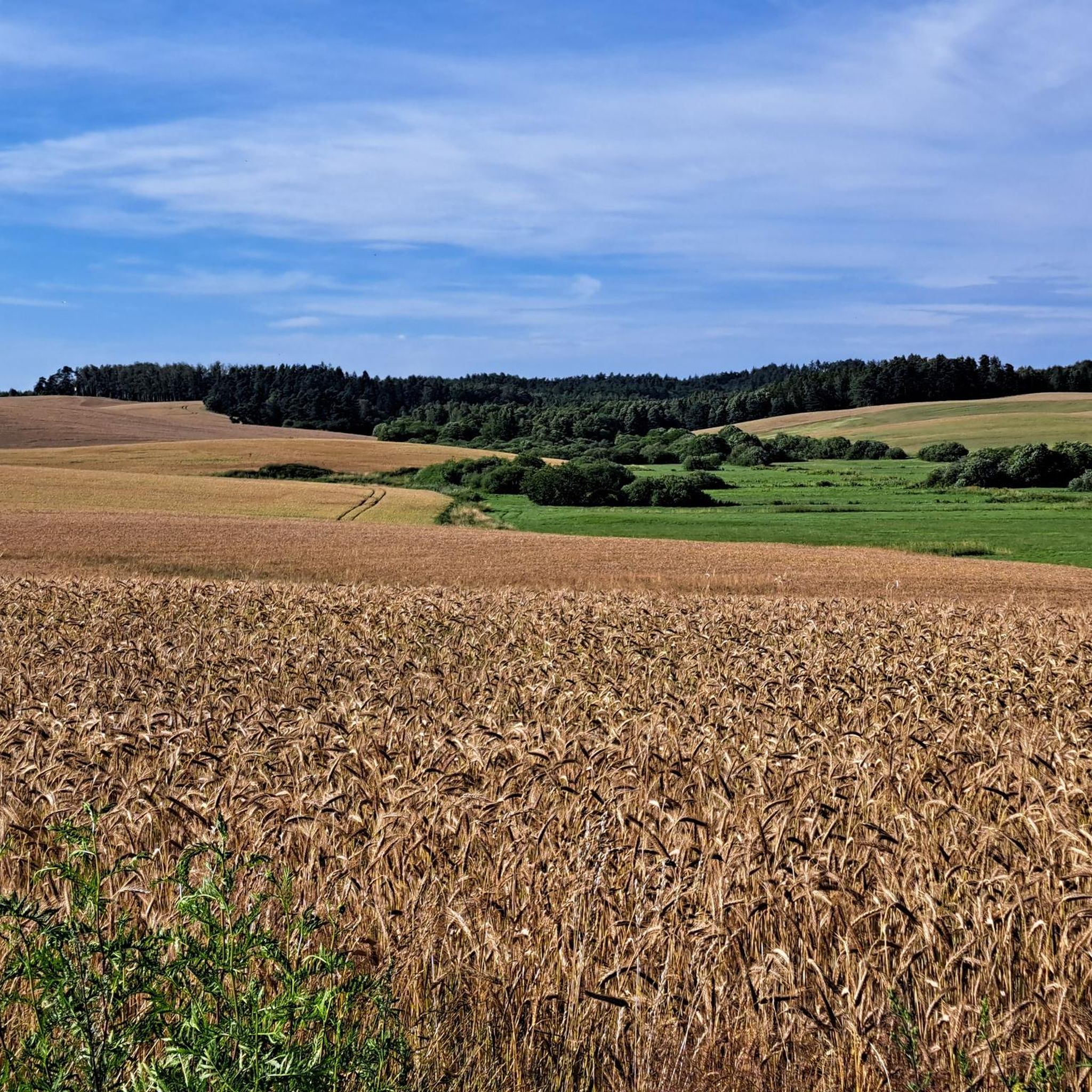
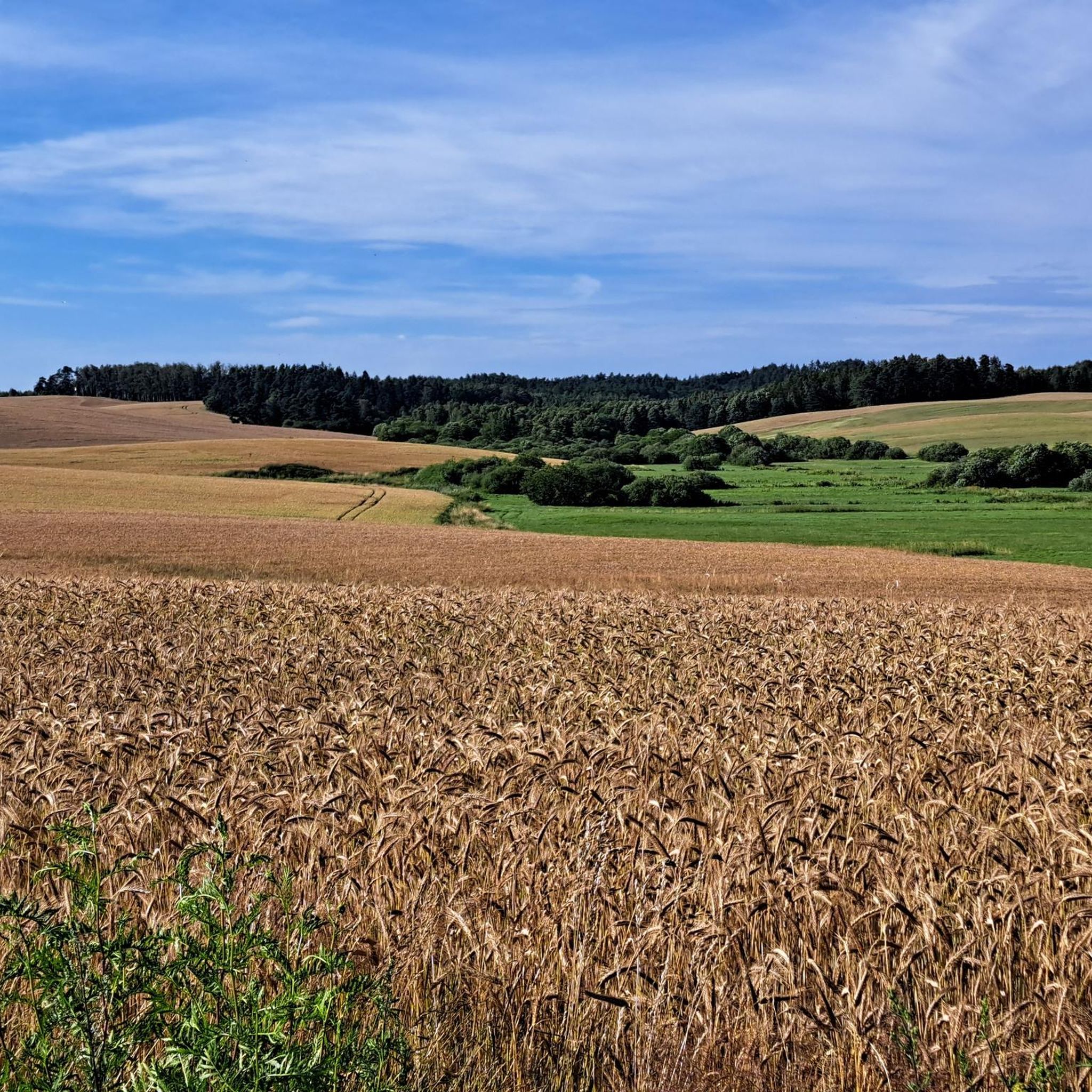
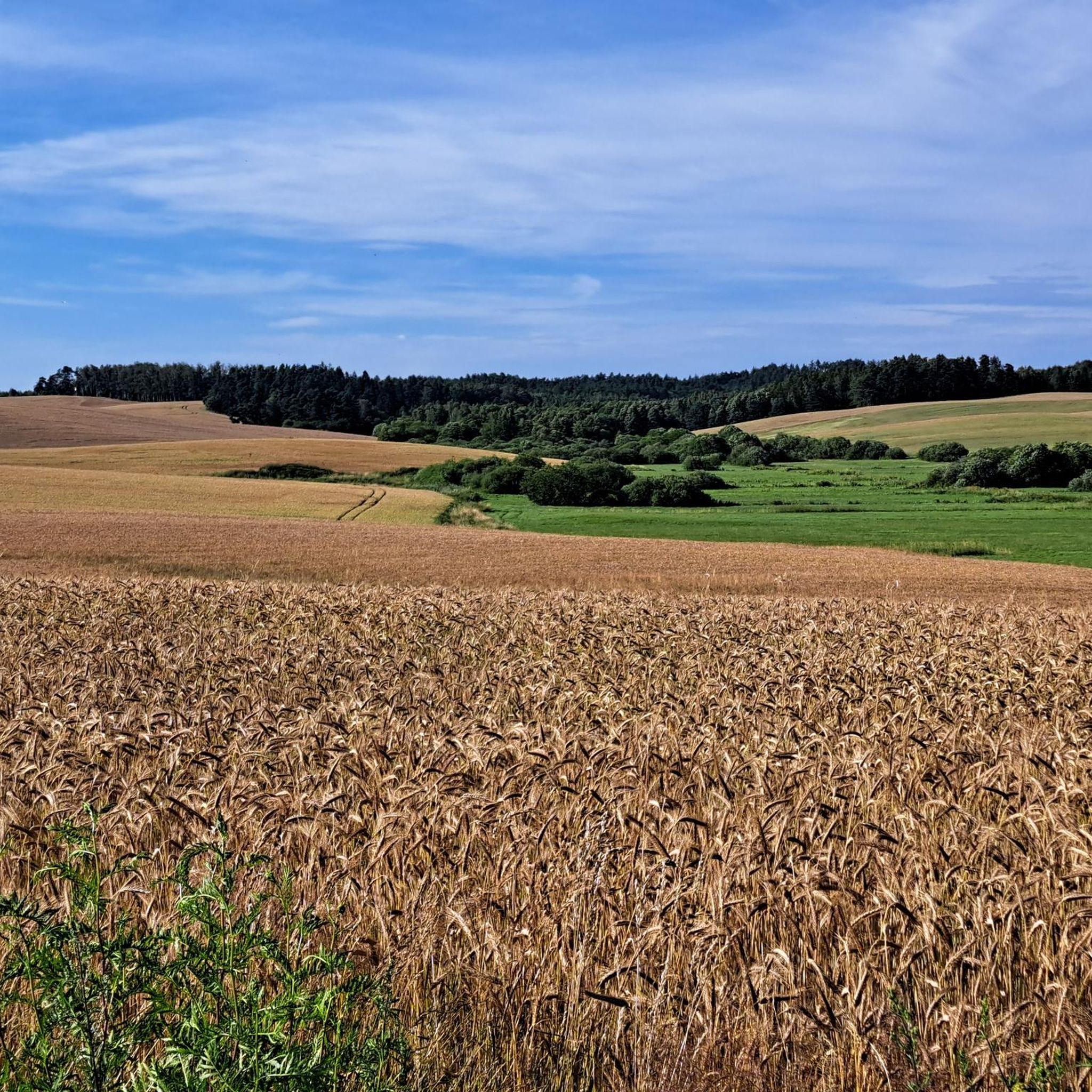
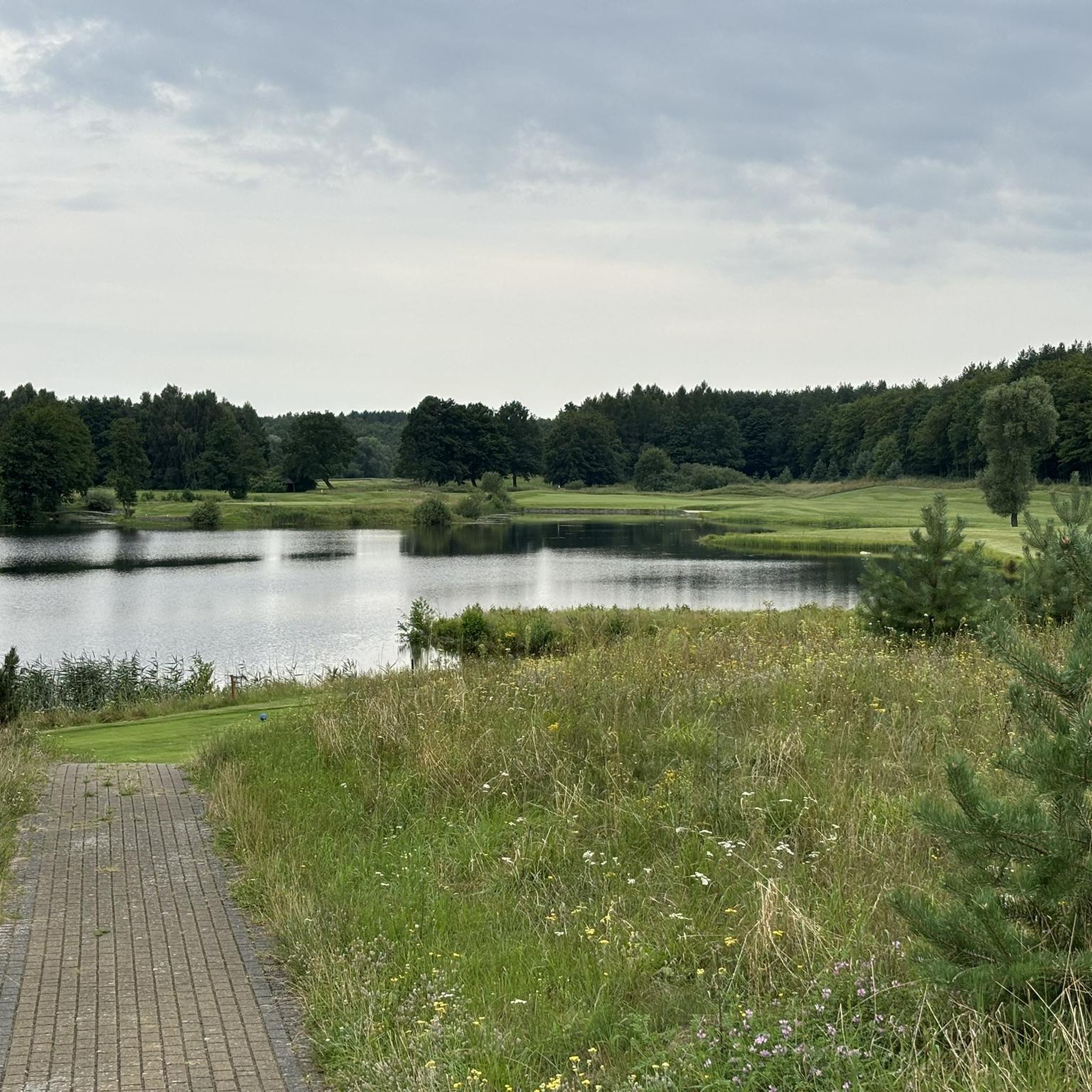

Tips from the Community

A great bike path from Pruszcz Gdański all the way to the center of Gdańsk. It runs along the Radunia Canal, with an interesting, comfortable, slightly porous surface.
0
0

the path is just right to get to Gdańsk, simple and fast
0
0

A majestic old church (built in 1680) right on the banks of the canal.
0
0

A very nice section of the bicycle path, running along the former railway track. Unfortunately, some time ago part of the path was washed away, which caused the trail to lower by several dozen centimeters over a distance of about 20 meters. This section is specially marked, but someone who does not pay attention to the signs and does not follow the signs prohibiting entry can get seriously hurt.
0
0

The Knights Hospitaller Castle in Skarszewy - a Gothic, 14th-century castle located in Skarszewy, Pomeranian Voivodeship. The castle towers over a bend of the Wietcisa River. It was built in the years 1320-1334 by the Order of St. John, on the site of an older stronghold.
0
0

A great idea to use an old railway route for a bicycle path.
0
0

In close proximity to St. Hill. Wojciech, in the 13th century, the Benedictines from Mogilno built a church dedicated to the Bishop of Prague. The monks took care of the temple until 1500, when the monastery branch was dissolved and the church was taken over by the Włocławek bishops. In 1537, the church was destroyed by fire. Thanks to the efforts of Bishop Karnkowski, the temple was rebuilt, but it happened only in 1575. At the beginning of the 18th century, the church was handed over to missionary priests, whose ministry was interrupted by the dissolution of the congregation by the Prussian authorities in 1818. The temple was then handed over to the diocesan priests. The interior of the church surprises with the richness of its sacred decorations. The wall of the presbytery is decorated with a Gothic triptych from 1500. It is also worth paying attention to the Baroque main altar with a painting of St. Wojciech, baroque and rococo altars (17th and 18th centuries), an organ (1771), a figure of a bishop (17th century) and a valuable epitaph of the brothers Feliks and Piotr Wojanowski from 1587. (http://www.pieknygdansk0.republika.pl/wojciecha_szlak_radunski.html)
0
0
The first brick church was built before 1367 as a Catholic temple. During a village fire in 1460, the roofs and interior of the church were destroyed. After 1466, it was rebuilt. During the Reformation, around 1585, it was taken over by Protestants. Renovated in 1742 and 1831 - then the clock was placed in the tower, thoroughly renovated in 1936. It was used by Protestants until 1944. In 1945, the church returned to Catholic hands. The current church is a Gothic brick basilica, composed of a presbytery, a three-nave body and a four-sided tower from the west. It has been built for almost a century and a half, as indicated by the differences in form. The oldest part, dating back to the end of the 14th century, is the presbytery, covered with a groin vault supported by richly carved consoles cast in artificial stone. (https://pruszcz.diecezja.gda.pl/index.php/nasza-parafii/historia-kosciola/12-historia-kosciola)
0
0
Frequently Asked Questions
What historical landmarks can I explore in gmina Trąbki Wielkie?
The region is rich in history. You can visit the historic St. Adalbert's Church, which dates back to the 13th century and is located next to a cycling path. Another significant site is the Joannite Castle in Skarszewy, a Gothic 14th-century castle built by the Knights Hospitaller. Additionally, the Church of the Assumption of the Blessed Virgin Mary in Trąbki Wielkie is a valuable monument with a history from 1236, known for its Marian devotion. Other historical estates include Gołębiewo Palace, Gołębiewko Palace, Sobowidz Palace, and Rościszewo Manor.
Are there any significant churches or religious sites to visit?
Yes, gmina Trąbki Wielkie features several notable religious sites. The St. Adalbert's Church is a historical religious building from the 13th century, offering a place for relaxation and contemplation. The Church of the Assumption of the Blessed Virgin Mary in Trąbki Wielkie is considered the most valuable monument in the gmina, with a history dating back to 1236 and a miraculous image crowned by Pope John Paul II. You can also find the Church of the Elevation of the Holy Cross in Pruszcz Gdański, a Gothic brick basilica with a history spanning centuries.
What natural attractions are there in gmina Trąbki Wielkie?
The gmina is characterized by its natural beauty, including picturesque forests, undulating terrain, and meandering rivers like the Kłodawa, Styna, and Czerwona. There are also three small, scenic lakes: Małe in Mierzeszyn, Bronisława in Cząstków, and Sobowidzkie in Sobowidz. The area is known for its mushroom-rich forests, perfect for nature enthusiasts.
Where can I go for a swim or relax by the water?
You have several options for water-based relaxation. The Godziszewo Bathing Area features a lake of nearly 170 hectares with a guarded bathing area and amenities. Another excellent spot is the Borówno Bathing Area in Skarszewy, offering a clean lake, a beautiful beach, and a spruce forest. Additionally, Przywidz Lake, an attractive ribbon lake, consists of two bodies of water, Jezioro Przywidzkie Wielkie and Jezioro Przywidzkie Małe, covering approximately 115 hectares.
Are there good cycling opportunities in gmina Trąbki Wielkie?
Absolutely, the region offers excellent cycling paths. The Radunia Canal Cycle Path provides a pleasant ride above street level towards Gdańsk. Another highlight is the Żelisławki–Sobowidz Rail Trail, a flat, asphalt path over 7 km long, built on a former railway line and running through local forests. For more cycling adventures, explore the various routes in the Cycling around gmina Trąbki Wielkie guide.
What family-friendly attractions are available in gmina Trąbki Wielkie?
Families will enjoy the World of Labyrinths Bliziny (Świat Labiryntów Bliziny), which annually prepares unique and educational labyrinths for children amidst beautiful meadows and forests. The Radunia Canal Cycle Path is also considered family-friendly, offering an easy and pleasant ride. The Joannite Castle in Skarszewy can also be an engaging historical visit for families.
Are there any specific trails for outdoor activities like gravel biking or MTB?
Yes, the area around gmina Trąbki Wielkie is well-suited for various outdoor activities. You can find dedicated routes for gravel biking, such as the 'Church in Przywidz – Przywidz Lake loop' from gmina Przywidz, which is an easy 10 km ride. For mountain biking, explore trails like the 'Mountainbike loop from Cząstkowo' (moderate, 23 km). More detailed routes and guides can be found in the Gravel biking around gmina Trąbki Wielkie and MTB Trails around gmina Trąbki Wielkie guides.
Are there any unique sports facilities or recreational spots?
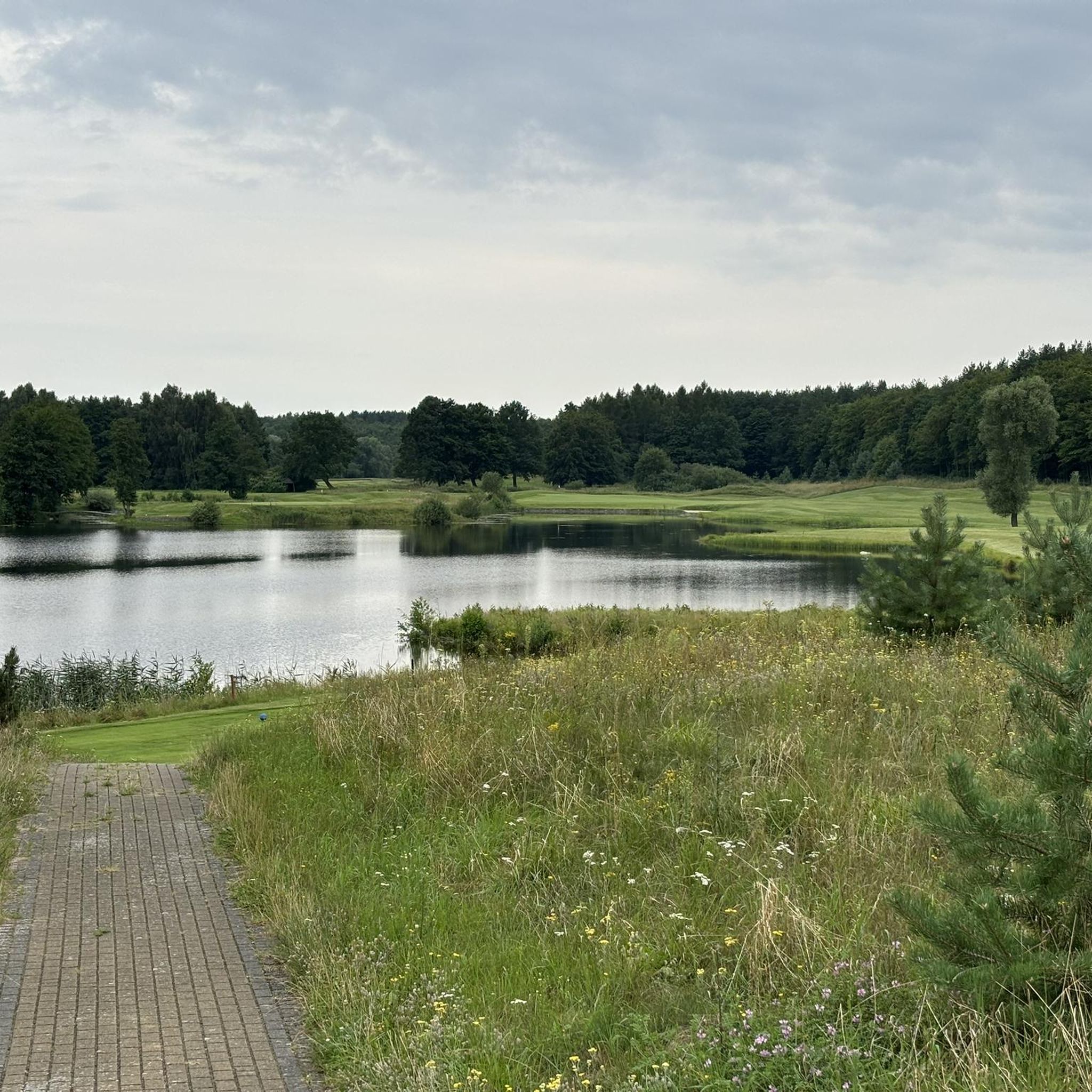
The Postołowo Golf Course is a championship 18-hole golf course designed by Jeremy Turner. It's not just a sports facility but also a tranquil oasis spanning 100 hectares, incorporating a 7-hectare natural water body within the Kashubian Lakeland landscape. An additional golf course is also under development in Czerniewo.
What is the best time of year to visit gmina Trąbki Wielkie?
The best time to visit gmina Trąbki Wielkie largely depends on your preferred activities. Spring and summer (May to September) are ideal for cycling, swimming in the lakes, and exploring natural attractions when the weather is warm and the landscapes are lush. Autumn offers beautiful scenery for walks in the mushroom-rich forests. For historical and cultural sites, visits are possible year-round, though outdoor exploration is more pleasant in warmer months.
What do visitors enjoy most about gmina Trąbki Wielkie?
Visitors particularly enjoy the peaceful and scenic cycling paths, such as the Radunia Canal Cycle Path and the Żelisławki–Sobowidz Rail Trail, which offer comfortable rides through forests and along canals. The historical sites like St. Adalbert's Church and the Joannite Castle in Skarszewy are also highly appreciated for their rich history and architectural beauty. The overall tranquility and natural landscapes, including the various lakes and forests, provide a relaxing escape.
Are there any viewpoints or scenic spots in the gmina?
While specific named viewpoints are not highlighted, the gmina's undulating terrain, picturesque lakes, and extensive forests naturally offer many scenic spots. The Godziszewo Bathing Area, for instance, is known for its scenic beauty amidst hills, fields, meadows, and small forests. Cycling paths like the Żelisławki–Sobowidz Rail Trail also pass through beautifully situated forests, providing pleasant views.
Most popular routes around gmina Trąbki Wielkie
Most popular attractions around gmina Trąbki Wielkie

Get inspired with the komoot mobile app


Explore more
Still not found the Highlight you’re looking for? See guides of the top attractions in other regions:
