Attractions and Places To See around gmina gmina Debrzno - Top 20
Attractions and places to see around gmina gmina Debrzno offer a mix of historical sites and natural features. The region is characterized by its medieval fortifications, historical buildings, and diverse natural landscapes. Visitors can explore remnants of Gothic defensive walls, historical churches, and serene natural reserves. This area provides various points of interest for those seeking cultural and outdoor experiences.
Best attractions and places to see around gmina gmina Debrzno
- The most popular attractions is Człuchów Castle, a castle…
Last updated: May 4, 2026
Człuchów Castle
Highlight • Castle
Translated by Google •
Tip by

Człuchów Regional Museum and Castle Ruins
Highlight • Castle
Only the tower has survived since 1811.
More information: muzeumczluchow.pl/de and de.wikipedia.org/wiki/Burg_Schlochau
Translated by Google •
Tip by

Sign up now to discover places like this
Get recommendations on the best single tracks, peaks, & plenty of other exciting outdoor places.
Sign up for free
St. Stanislaus Kostka Church, Radawnica
Highlight • Religious Site
Translated by Google •
Tip by

Człuchów Town Hall
Highlight • Monument
Patron of the city
On the occasion …
Translated by Google •
Tip by

Promenade Along Lake Urzędowe
Highlight • Trail
Translated by Google •
Tip by
Sign up for free to discover even more attractions around gmina gmina Debrzno.
Sign up for free
Already have an account?
Start today with a free account
Your next adventure awaits.
Login or Signup
Tips from the Community

At the beginning of the Thirteen Years' War, at the end of February 1454, the Poles took over the castle, and Człuchów became a royal town and the seat of the starosty in 1466. From then on, the mighty fortress stood guard over the north-western border of Poland, which ran 20 km west of Człuchów, for over 300 years. In the final period of the First Polish Republic, the fortress lost its military significance, and the castle buildings were in a state of decline. After a fire in 1793, the residents received permission from King Frederick William II to demolish the castle, and the obtained bricks were used to rebuild the burnt-out houses. The former glory is evidenced today by the mighty tower of the High Castle (46 m), from which you can admire the panorama of Człuchów and the surrounding area. In the years 1826-1828, an Evangelical church was built on the foundations of the castle chapel, and the tower was converted into a belfry. In 1844, the tower's crown was changed to a high battlement. For the bell ringer and tourists, an entrance was made at the bottom of the tower and wooden stairs were made. https://muzeumczluchow.pl/pl/o-muzeum/historia-zamku
3
0
The most important part of the stronghold was the four-winged High Castle, built on a square plan with a side of 47.5 m. Each of the buildings consisted of at least three storeys - a basement, a low ground floor and a high floor above it. The wings were crowned by an attic storey. The whole was dominated by a massive octagonal tower located in the north-west corner of the High Castle. The entrance to it was located at the height of the attics of the castle wings. In the north wing of the castle there was a chapel, in the east wing there was a chapter house - a hall for meetings and councils of the monks, in the south dormitory - a common bedroom for the brothers, and in the west a refectory - a room for eating meals. In the basements and on the upper storeys there were warehouses, armouries, a commander's mill, and in Polish times a brewery. Inside the buildings there was a rectangular courtyard surrounded by cloisters. https://muzeumczluchow.pl/pl/o-muzeum/historia-zamku
3
0
The castle in Człuchów was one of the largest defensive structures built by the Teutonic Knights. It covered an area of 3 hectares, and was second only in size to the seat of the capital of the Teutonic state – the castle of the Grand Master in Malbork. The castle in Człuchów consisted of three outer castles and the High Castle, each of which, if necessary, could constitute an independent defensive perimeter. Communication between parts of the castle was possible via drawbridges built over moats filled with water. Only the moat around the Third Outer Castle was dry. https://muzeumczluchow.pl/pl/o-muzeum/historia-zamku
3
0

Opening Hours Information October 1st – April 30th Monday to Friday: 8:00 a.m. – 4:00 p.m. May 1st – September 30th Tuesday to Sunday: 10:00 a.m. – 6:00 p.m.
3
0
During World War II, the collections of the Człuchów Heimatmuseum were destroyed and dispersed. In 1963, a group of enthusiasts of the history of the region founded the Człuchów Land Lovers' Society, one of the main goals of which was to organize a museum chamber and then to establish a museum. The monuments collected so far by individual collectors became the basis for organizing and opening a museum chamber in June 1964 in the hall in the choir of the former Evangelical church built on the foundations of the castle chapel. As early as 1967, the exhibits in the presented exhibition were changed in view of the 500th anniversary of the Second Peace of Toruń. However, in 1971, this exhibition ceased to exist. continued: https://muzeumczluchow.pl/pl/o-muzeum/historia-muzeum
3
0
The beginnings of museums in Człuchów date back to 1911. At that time, based on the decision of the Człuchów district governor, a museum chamber was established, located in the building of the district authorities (currently the seat of the Człuchów City Office). Two rooms were designated for exhibition purposes, presenting mainly archaeological relics donated by local collectors. Based on these and later collections, gathered by social activists and collectors, the Regional Museum in Człuchów was opened in the building of the district authorities in 1927. In 1933, the museum was moved to a school preparing students for teacher training seminars (currently the seat of the Człuchów Commune Office). Seven rooms were designated for museum purposes here. Archaeological relics were presented in chronological order in three rooms, of which the largest space was occupied by stone axes and hatchets, as well as horn hoes and clay ashtrays discovered during earthworks in various locations in the district. In the next room, a model of the castle was exhibited, made according to the reconstruction by C. Steinbrecht from 1920, as well as stone and iron balls discovered during the cleaning of the castle moats. One of the exhibitions concerned the development of Człuchów craft guilds, another presented firearms and bladed weapons as well as town and village monuments. The last exhibition presented objects of regional fauna and flora.
3
0
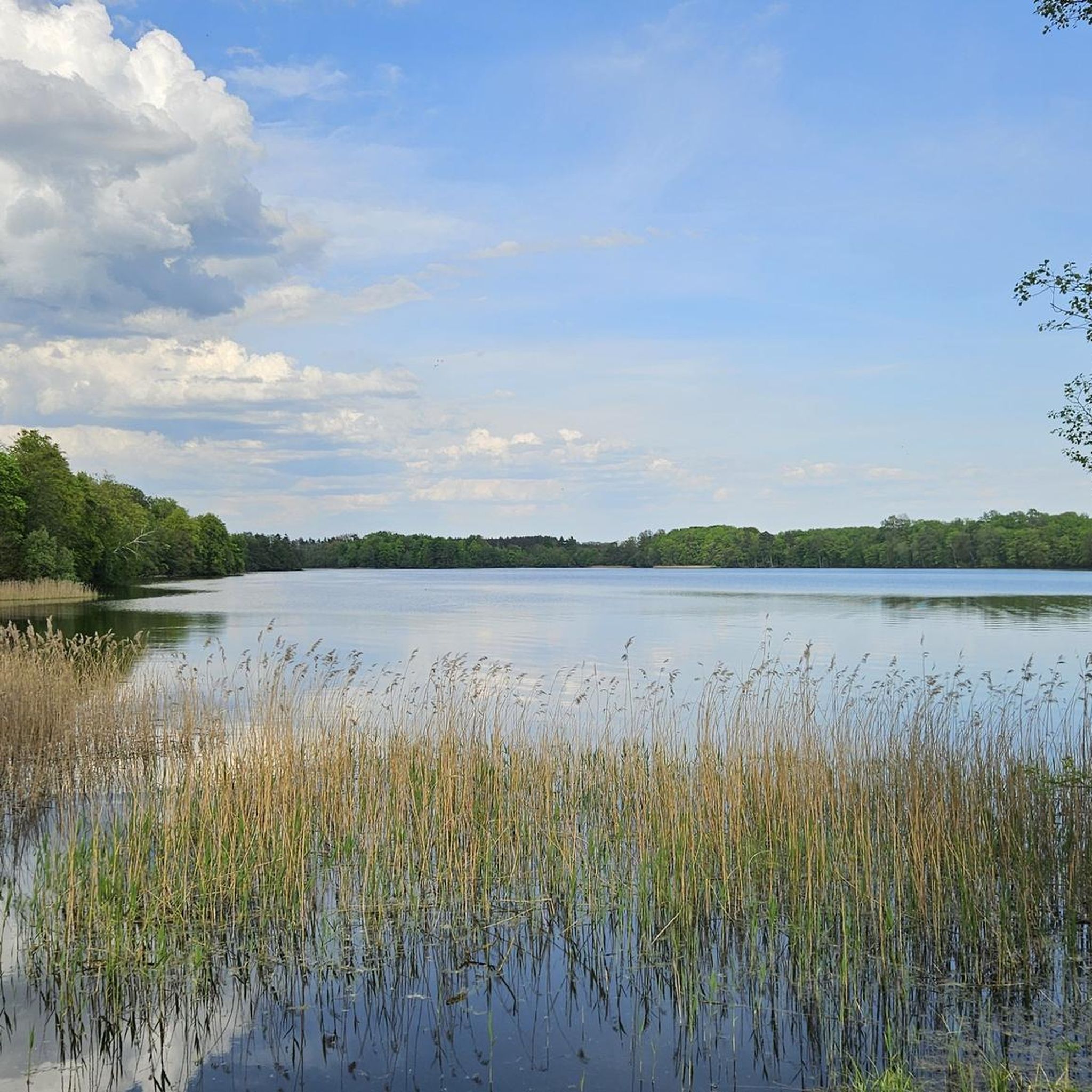
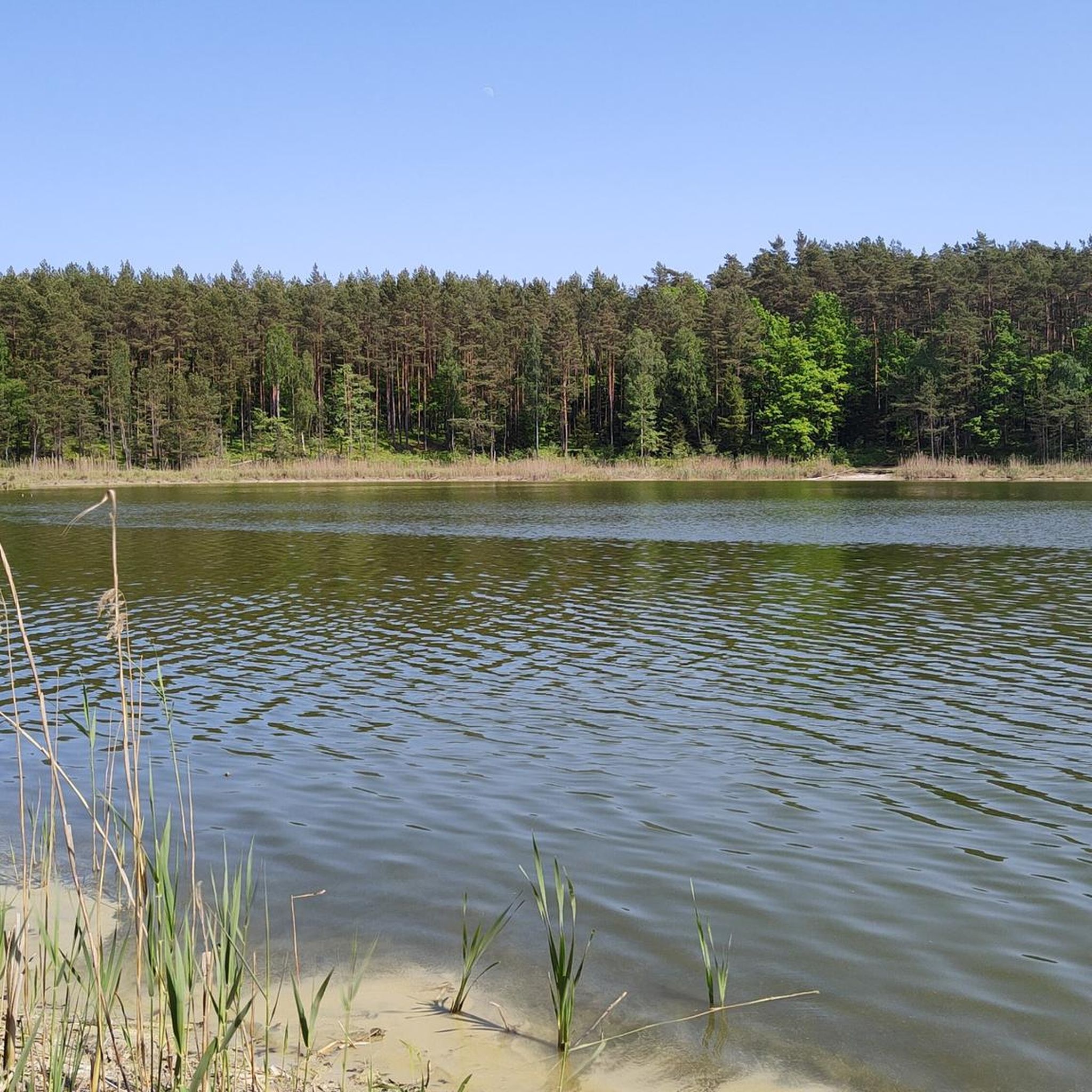
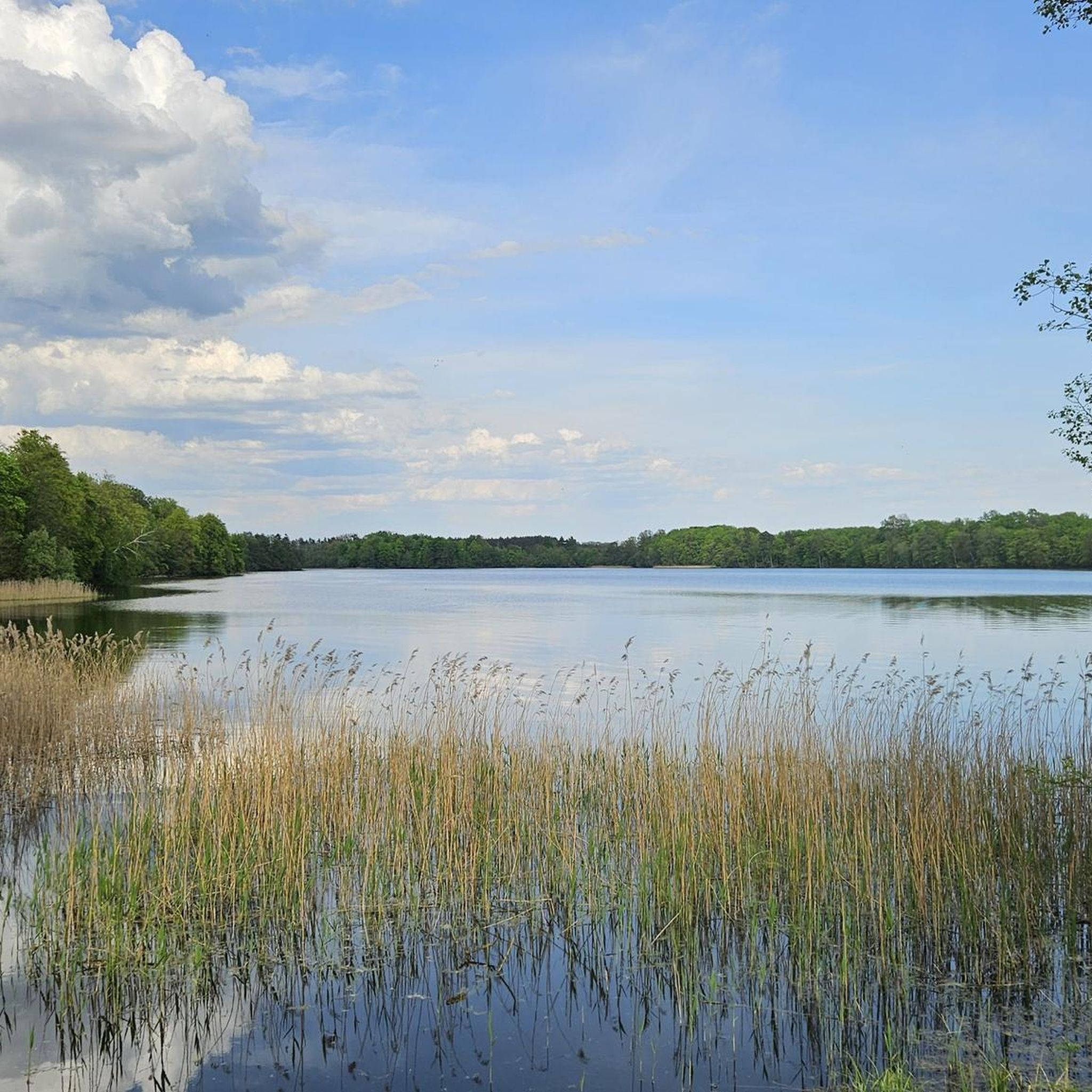
In Człuchów there is a very picturesquely situated Człuchowskie Lake Complex. There are four lakes here: Urzędowe, Łazienkowskie, Miejskie Małe and Rychnowskie. All of these lakes are located in one channel. Człuchów, lakes, source: www.czluchow.eu Rychnowskie Lake is a channel reservoir. There is a seasonal guarded beach and a camping site here. Crucian carp, vendace and whitefish can be found here. A Teutonic Castle stands near the northern shore of Urzędowe Lake. Łazienkowskie Lake, or Miejskie Duże, is attractive to anglers, even in winter. You can catch bream, bream, roach, bleak and burbot here. There is a protected area here The Człuchowskie Lake Complex has been a protected landscape area since 1981.
3
0

This is not Lake Człuchowskie but Urzędowe.
1
0
Frequently Asked Questions
What historical sites can I explore in Gmina Debrzno?
Gmina Debrzno is rich in history. You can visit the well-preserved Medieval Defensive Walls and the Baszta Młyńska (Witches' Tower), which offers panoramic views and houses a regional history center. The Neo-Gothic Church of the Assumption of the Blessed Virgin Mary is another significant historical landmark. Additionally, the region features the Neoclassical Wilckens Family Palace and the Historic Water Tower from 1908. For a deeper dive into the past, explore the extensively researched Medieval Hillfort in Debrzno-Wieś, dating back to the mid-9th century.
Are there any natural reserves or unique natural features to visit?
Yes, Gmina Debrzno boasts several natural attractions. The Miłachowo Nature Reserve, located east of Debrzno, is a floristic-steppe reserve known for its unique xerothermic vegetation and rare plant species. The Natura 2000 "Szczyra Valley" is a special habitat protection area crucial for alkaline fens, orchids, and rare mollusks. You can also find several designated Natural Monuments, including ancient trees like small-leaved limes and pedunculate oaks.
What outdoor activities are available around Gmina Debrzno?
The area around Gmina Debrzno offers various outdoor activities, particularly hiking and cycling. You can find easy hiking trails like the "Boardwalk Over the Marshes" loop or the "Mural in Debrzno – Debrzno Lake Beach" loop. For cyclists, there are cycling routes such as the "View From Angelika Restaurant" loop, and road cycling routes that take you through scenic landscapes.
Are there family-friendly attractions in Gmina Debrzno?
Absolutely. The Promenade Along Lake Urzędowe is a great option, featuring a playground, an open-air gym, and an observation deck, perfect for families. Historical sites like Człuchów Castle and the Człuchów Regional Museum and Castle Ruins are also categorized as family-friendly, offering educational and engaging experiences for all ages.
Where can I find panoramic views of the area?
For excellent panoramic views, climb the mighty tower of Człuchów Castle. From its 46-meter height, you can admire the panorama of Człuchów and its surroundings. The upper floors of the Baszta Młyńska (Witches' Tower) in Debrzno also offer views of the town.
What is the significance of Człuchów Castle?
Człuchów Castle was one of the largest defensive structures built by the Teutonic Knights, second only to Malbork Castle in size. It covered 3 hectares and featured a massive octagonal tower. Today, only the tower remains, which has been converted into a belfry, and the site also houses the Człuchów Regional Museum.
What is there to see at Lake Debrzno?
Lake Debrzno offers a pleasant recreational spot within the gmina. While specific attractions directly on Lake Debrzno are not detailed, the nearby Promenade Along Lake Urzędowe provides a similar experience with a nice view of the lake, a playground, and an open-air gym. The Człuchowskie Lake Complex, which includes Lake Urzędowe, is a protected landscape area.
Can I learn about local history and culture in Debrzno?
Yes, you can delve into local history at the Baszta Młyńska (Witches' Tower) which hosts a Regional History Center and a permanent exhibition called "Time of Shield and Sword." The Człuchów Regional Museum, located within the former castle complex, also preserves the history of the region and the castle.
Are there any notable religious buildings in the area?
The Neo-Gothic Church of the Assumption of the Blessed Virgin Mary in Debrzno, built in the late 19th century, is a significant religious site featuring a Renaissance altar and a Baroque confessional. Another historical religious building is the St. Stanislaus Kostka Church in Radawnica, built in the historicist style between 1927-28.
What is the Plac Lotników Polskich (Polish Airmen Square)?
Plac Lotników Polskich serves as a central cultural and entertainment hub for the local community in Debrzno. It is a venue where concerts, festivals, and other local events are frequently hosted, making it a lively spot for public gatherings.
What is the best time to visit Gmina Debrzno for outdoor activities?
The best time to visit Gmina Debrzno for outdoor activities like hiking and cycling is generally during the warmer months, from late spring to early autumn (May to September). During this period, the weather is most favorable for exploring the natural reserves, lakes, and historical sites, and for enjoying the various trails.
Most popular routes around gmina gmina Debrzno
Most popular attractions around gmina gmina Debrzno

Get inspired with the komoot mobile app


Explore more
Still not found the Highlight you’re looking for? See guides of the top attractions in other regions:
