Attractions and Places To See around gmina gmina Sidra - Top 20
Best attractions and places to see around gmina gmina Sidra include a mix of historical landmarks, natural features, and cultural sites within this rural administrative district in Podlaskie Voivodeship, northeastern Poland. The area offers opportunities to explore significant religious architecture and historical remnants. Visitors can also find recreational points centered around natural landscapes.
Best attractions and places to see around gmina gmina Sidra
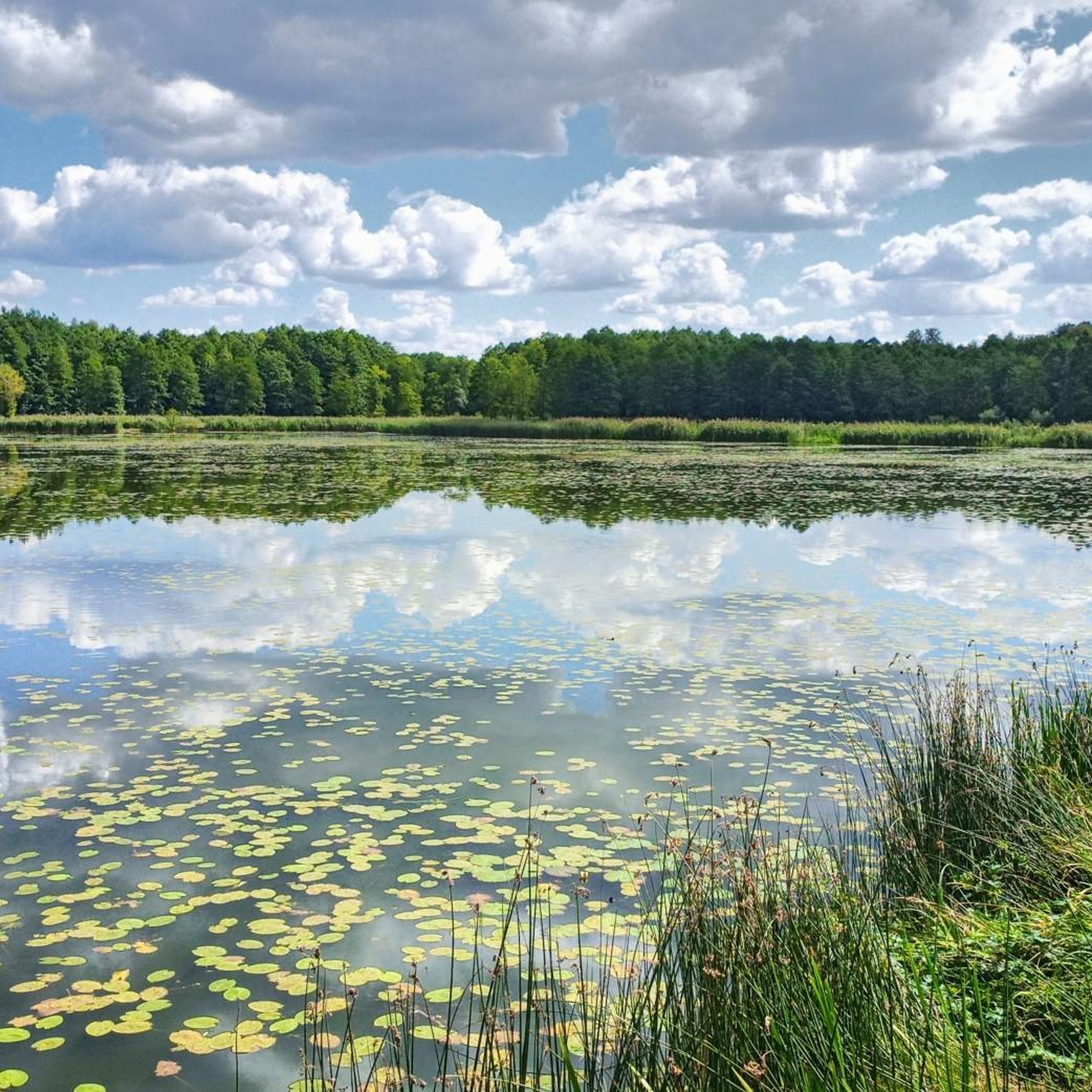
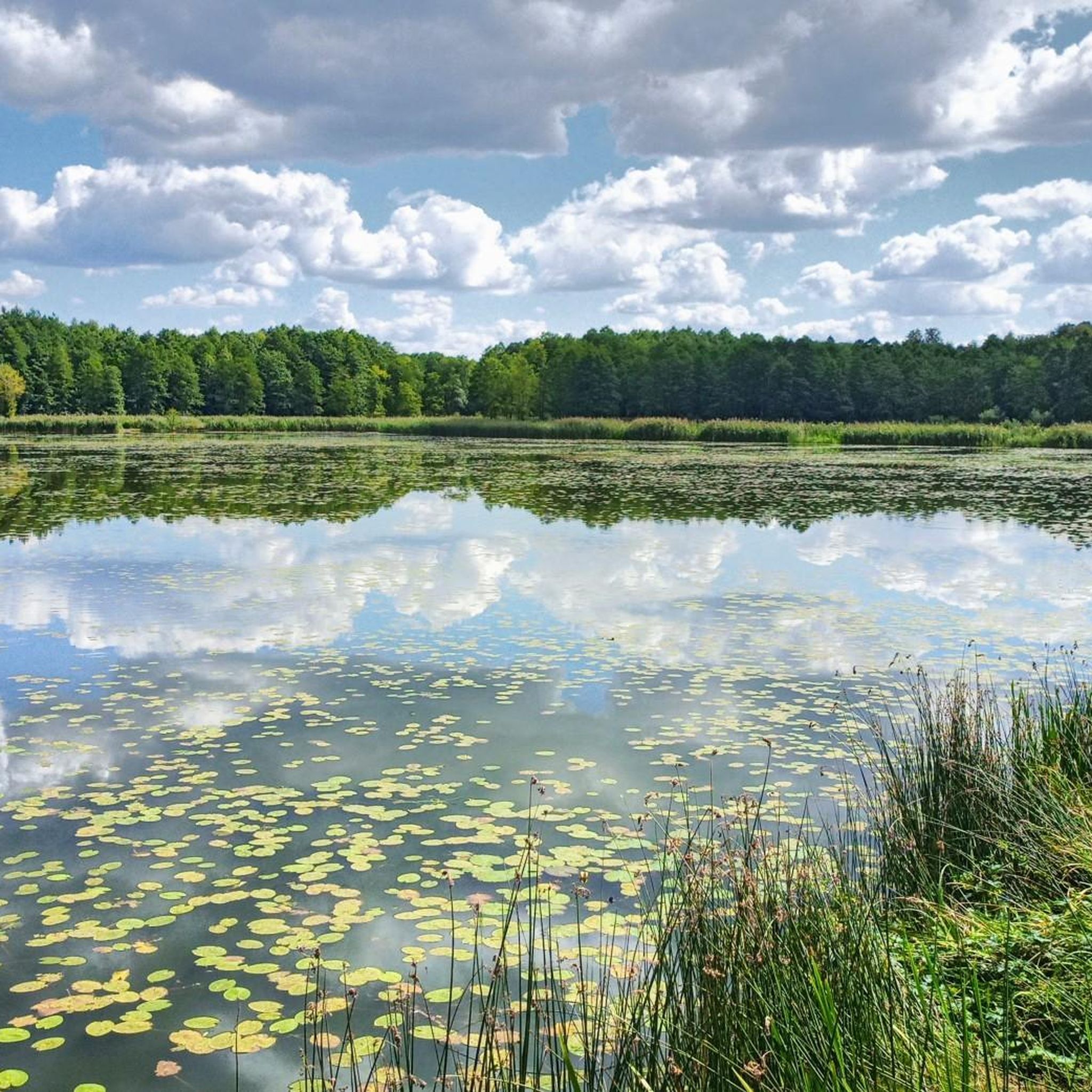
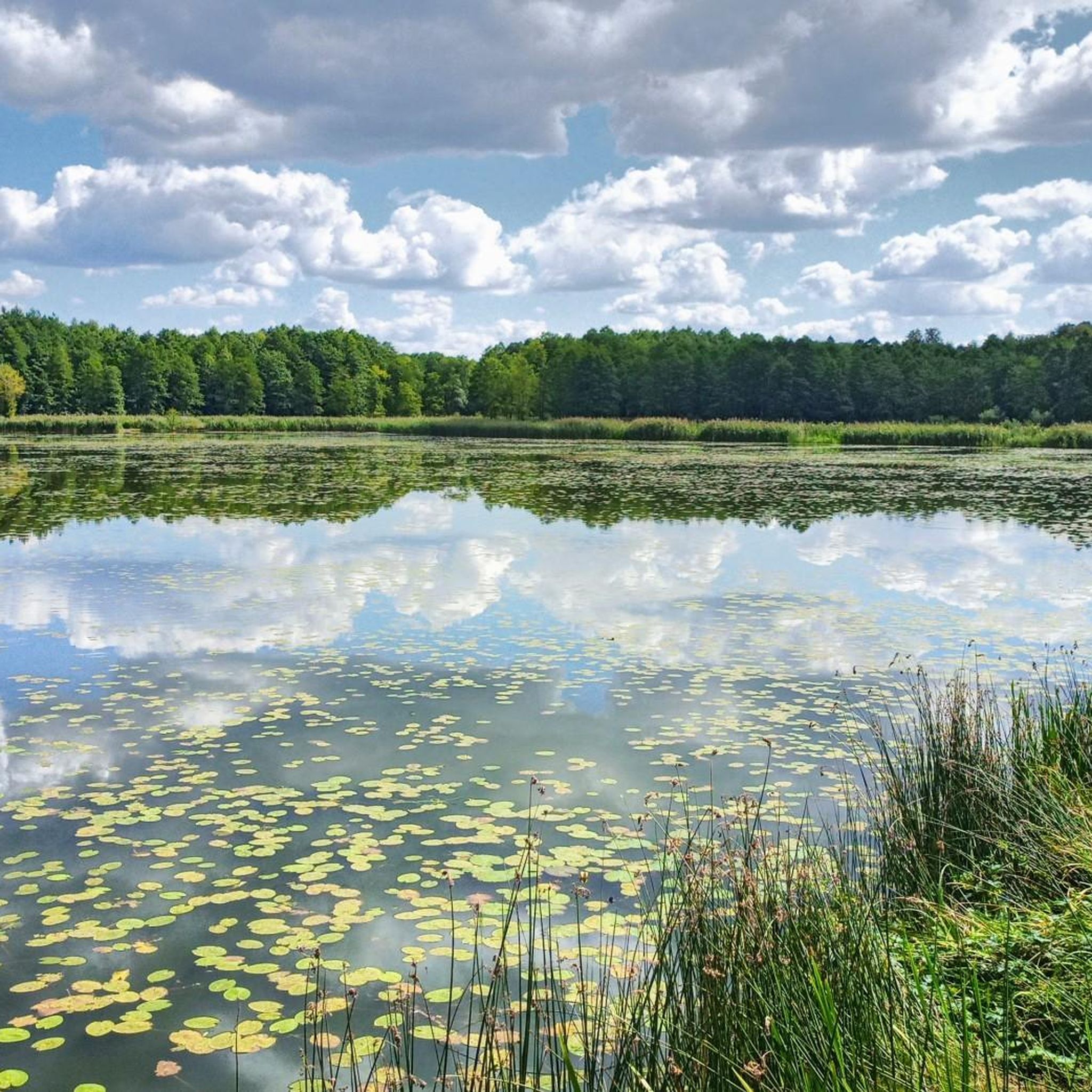
- The most popular attractions is Sokółka Reservoir, a lake that was created in 1942. This site…
Last updated: May 4, 2026
Sokółka Reservoir
Highlight • Lake
Translated by Google •
Tip by

St. Anthony of Padua Sanctuary in Sokółka
Highlight • Religious Site
Translated by Google •
Tip by

Sign up now to discover places like this
Get recommendations on the best single tracks, peaks, & plenty of other exciting outdoor places.
Sign up for free
Large Shelter in the Forest
Highlight • Rest Area
Translated by Google •
Tip by

Monument to the Victims of the Augustów Roundup
Highlight • Monument
Translated by Google •
Tip by
Boardwalk and Observation Tower
Highlight • Viewpoint
Translated by Google •
Tip by

Sign up for free to discover even more attractions around gmina gmina Sidra.
Sign up for free
Already have an account?
Start today with a free account
Your next adventure awaits.
Login or Signup
Popular around gmina gmina Sidra
Tips from the Community

Sanctuary in Sokółka with the Eucharistic Miracle.
0
0

The shelter has been lost somewhere, and as of August 2025, only tables and benches remain, along with what appears to have once been a grill over a fire. It's the only recreational spot where you can stop, sit, eat, and relax along the entire route, along the forest massif from Czarna Białostocka to Dąbrowa Białostocka.
0
0

The monument was unveiled on September 21, 2020. The Augustów Roundup is the largest and still unsolved post-war crime committed against Poles after World War II. In July 1945, the Russians deported and murdered the inhabitants of the northern part of the current Podlaskie Voivodeship. The whereabouts of the victims' graves are still unknown. The initiator of the construction of monuments commemorating the victims of the Roundup was the President of the Association for the Remembrance of the Victims of the Augustów Roundup of 1945, Rev. Prelate Stanisław Wysocki.
0
0
The reservoir was created in 1942, during the German occupation. The workforce for the construction of this investment was Polish Jews. There are two versions of the purpose for which the reservoir was built: - the first mentions German soldiers-patients staying in a nearby military hospital, located in barracks buildings. Perhaps they wanted to create a kind of resort for them - according to the second version, it was related to the lowering of the groundwater level due to the drainage of the Sokółka marshes, which began before the war.
0
0

The lurking itself is so-so but it's worth driving around the reservoir. At the end, right by the tower, nice views from the bridge of the reservoir itself and the surrounding backwaters.
0
0

The entire bicycle path around the reservoir
0
1

Augustów Roundup (also: July Roundup) - a military operation carried out in July 1945 by units of the Red Army (50th Army), troops of the People's Commissariat of Internal Affairs of the Soviet Union (NKVD) and separate units of the Polish People's Army and the Security Office. Its aim was to break up and liquidate the units of the independence and anti-communist underground in the Suwałki and Augustów area. The Augustów roundup is sometimes called "Little Katyn
1
0
historic Roman Catholic temple, belonging to the parish of Saint Antoniego w Sokółka [2], located in Sokółka, built in the years 1840–1848 in the classicist style with two towers, thanks to the efforts of the dean, Father Józef Kryszczun. On October 2, 2011, the Eucharist was placed on public display in the reliquary in the church nave. April 9, 2009 church Saint Anthony in Sokółka was raised to the rank of a collegiate church and the Collegiate Chapter of the Blessed Sacrament was established there. On March 25, 2017, the collegiate church was raised to the rank of a sanctuary Wikipedia.pl Eucharistic miracle On October 12, 2008, while giving Holy Communion, Fr. vicar Jacek Ingielewicz picked up a slightly dirty host from the floor, which was shown to him by a woman waiting for Holy Communion. In accordance with established liturgical regulations, the communicant was placed in a vasculum filled with water, in which it was supposed to dissolve. The vessel was locked in a safe in the sacristy. After a week, a stain that appeared to be blood was found in the vessel on the immersed host. On October 30, 2008, the host was taken out and placed on the corporal, which left a red mark on it. The Białystok episcopal curia, informed about the event, ordered the examination of host samples by two pathologists (Prof. Stanisław Sulkowski and Prof. Maria Sobaniec-Łotowska) from the Medical University of Białystok[5], who unanimously stated that "the material sent for evaluation (...) indicates cardiac muscle tissue, or at least, of all the living tissues of the body, it most closely resembles it." Prof. Sobaniec-Łotowska described the research results as follows: "We examined the fragment of material collected from the corporal histologically, (...) using an optical microscope, i.e. light microscope, and ultrasound, (...) using a transmission electron microscope (...), we observed the phenomenon of mutual penetration of the structure of the communicant with heart muscle fibers. The tissue that appeared on the Host was very closely and inextricably connected to it, which is important proof that there could be no human interference. (...) the cytoplasm of fragments of muscle fibers embedded in the substrate, which may correspond to the structure of the Host, was stained pink, focally quite intensely, when stained with Mayer's hematoxylin and eosin. However, cell nuclei, located mainly in the center (...) are dark blue. Well, the central location of the cell nuclei indicates that it is the muscle of the human heart. (...) we observed features of more pronounced fiber segmentation, i.e. cell damage at the insertions (i.e. structures characteristic of the heart muscle), and fragmentation - this is fiber damage outside the inserts; We also found images along the course of single fibers that could correspond to contraction nodes. Such changes occur only in non-necrotic fibers and reflect contractions of the heart muscle in the antemortem, i.e. agonal, period.
1
0
Frequently Asked Questions
What natural attractions can I explore in and around Gmina Sidra?
The region offers several natural points of interest. The Sokółka Reservoir is a popular spot, known for its historical context and a bicycle path around its perimeter. You can also visit the Boardwalk and Observation Tower, which provides scenic views of the reservoir and surrounding backwaters. Additionally, there's a Large Shelter in the Forest, offering a place for bonfires and outdoor gatherings, though visitors should be mindful of litter.
Are there historical or cultural sites to visit in Gmina Sidra?
Yes, Gmina Sidra and its surroundings are rich in history and culture. A significant religious site is the St. Anthony of Padua Sanctuary in Sokółka, a historic Roman Catholic temple built in the 1840s, notable for an event involving a consecrated Host. You can also find the remnants of a Bastion Castle in Sidra, with archaeological fragments visible on the 'castle hill'. The Monument to the Victims of the Augustów Roundup commemorates a significant historical event. The Muzeum Ziemi Sokólskiej (Sokółka Land Museum) in nearby Sokółka offers insights into local history.
What kind of outdoor activities can I do near the attractions in Gmina Sidra?
The area around Gmina Sidra is excellent for various outdoor activities. For cycling enthusiasts, there are several routes, including an easy loop around the Sokółka Reservoir, or longer moderate routes like the 'Sokółka Reservoir – Burnt Windmill Ruins loop'. You can find more cycling options on the Cycling around gmina gmina Sidra guide. Hiking is also popular, with easy trails like the 'Playground by the Reservoir – Viewing Platform Over the Lake loop'. Discover more hiking routes on the Hiking around gmina gmina Sidra guide. Running trails are also available, such as the 'Zalew Sokólski loop from Sokółka', detailed in the Running Trails around gmina gmina Sidra guide.
Are there any family-friendly attractions in Gmina Sidra?
Yes, several attractions are suitable for families. The Sokółka Reservoir offers a bicycle path that families can enjoy together. The St. Anthony of Padua Sanctuary in Sokółka is a historical and religious site that can be visited by families interested in local heritage. The Large Shelter in the Forest provides a space for outdoor family gatherings and bonfires. Additionally, the Boardwalk and Observation Tower offers an accessible way for families to enjoy scenic views.
What religious sites can I visit in the Gmina Sidra area?
The region is home to several significant religious buildings. The most prominent is the St. Anthony of Padua Sanctuary in Sokółka, a historic Roman Catholic temple. Other notable religious sites in Sokółka County include the Church of the Presentation of the Blessed Virgin Mary, Kościół Rzymskokatolicki pw. Przemienienia Pańskiego, St. Alexander Nevsky Orthodox Church, and St. Stanislaus Bishop and Martyr Church, showcasing the diverse religious architecture of the area.
What do visitors enjoy most about the attractions in Gmina Sidra?
Visitors particularly appreciate the blend of historical significance and natural beauty. The Sokółka Reservoir is enjoyed for its cycling path and historical background. The Boardwalk and Observation Tower is praised for its nice views of the reservoir and backwaters. The historical context of sites like the St. Anthony of Padua Sanctuary and the Monument to the Victims of the Augustów Roundup also draws significant interest from those exploring the region's past.
Are there any accessible attractions for visitors with mobility needs?
Yes, some attractions in the area are noted for their accessibility. The Monument to the Victims of the Augustów Roundup is listed as wheelchair accessible. The Boardwalk and Observation Tower also provides an accessible way to enjoy scenic views.
Where can I find scenic viewpoints in Gmina Sidra?
For scenic views, the Boardwalk and Observation Tower is a key spot. It offers pleasant vistas of the Sokółka Reservoir and its surrounding backwaters. While not explicitly listed as a viewpoint, the area around the reservoir itself provides picturesque natural settings.
What is the history behind the Sokółka Reservoir?
The Sokółka Reservoir was created in 1942 during the German occupation, with Polish Jews forming the workforce. There are two historical accounts regarding its purpose: one suggests it was intended as a resort for German soldier-patients, while the other links its creation to lowering the groundwater level for draining the Sokółka marshes, a project that began before the war.
Are there any unique historical remnants in Sidra itself?
Yes, in Sidra, you can find the remnants of a Bastion Castle. This castle was constructed around 1566, funded by Eustachy Wołłowicz. Although largely destroyed over centuries, archaeological research in the 1970s revealed fragments of its foundations, basement, and the ruins of the bastion, which are situated on the 'castle hill' in the southeastern part of the town.
Are there any museums in the vicinity of Gmina Sidra?
Yes, the Muzeum Ziemi Sokólskiej (Sokółka Land Museum) is located in the nearby town of Sokółka. This museum offers valuable insights into the local history and culture of the broader Sokółka region, making it a great stop for those interested in the area's heritage.
What is the 'Eucharistic Miracle' associated with St. Anthony of Padua Sanctuary?
The St. Anthony of Padua Sanctuary in Sokółka gained particular attention due to an event in 2008. During Holy Communion, a slightly soiled Host was placed in water to dissolve. After a week, a stain resembling blood was found on the immersed Host. Subsequent examinations by pathologists from the Medical University of Białystok stated that the material indicated cardiac muscle tissue, closely resembling human heart muscle, and showed mutual penetration with the Host's structure, suggesting no human interference. This event led to the church being raised to the rank of a sanctuary.
Most popular routes around gmina gmina Sidra
Most popular attractions around gmina gmina Sidra

Get inspired with the komoot mobile app


Explore more
Still not found the Highlight you’re looking for? See guides of the top attractions in other regions:
