The best road cycling routes around Milejczyce
27
riders
2
rides
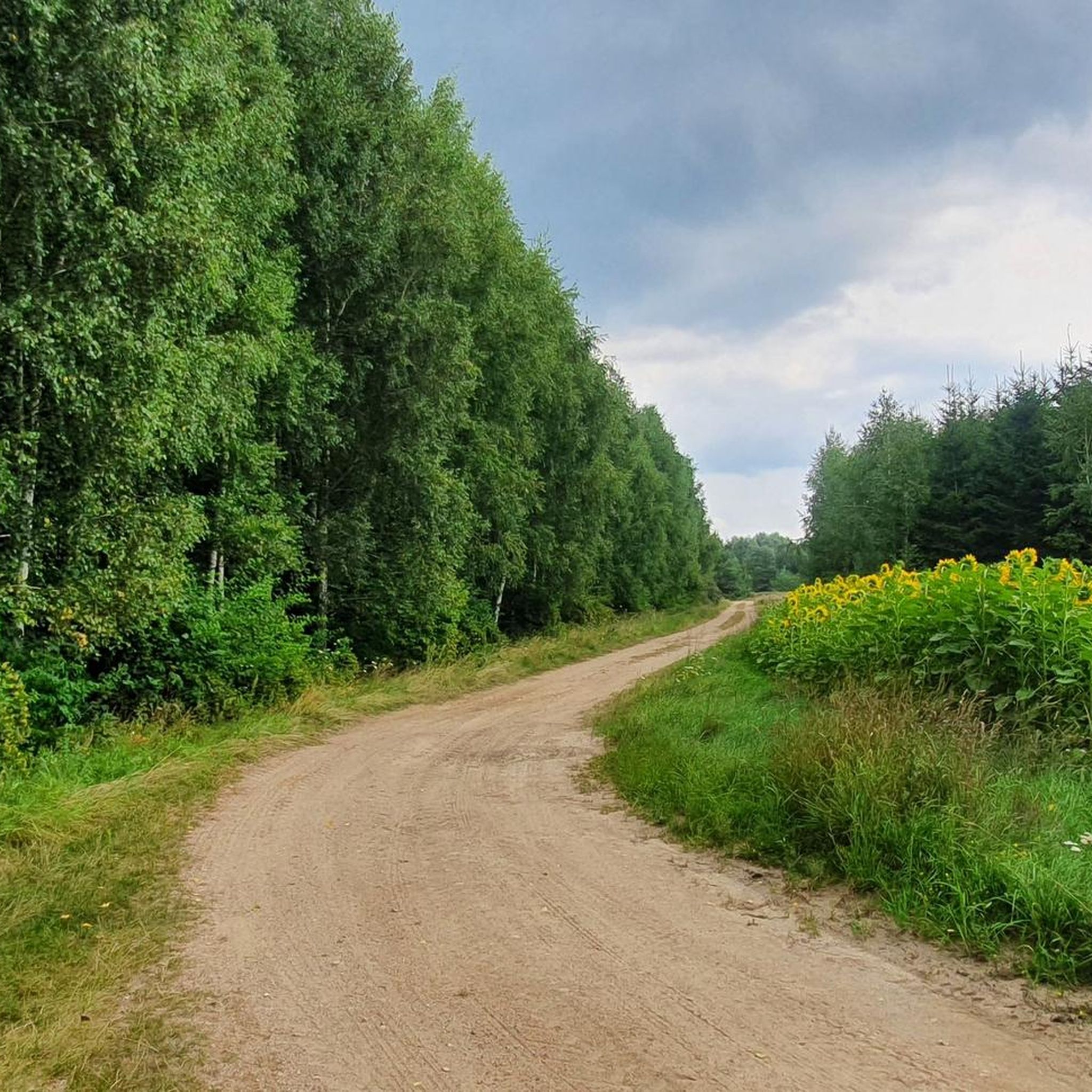
Road cycling routes around Milejczyce traverse a landscape characterized by extensive cycling infrastructure, including sections of the Green Velo Eastern Bicycle Route. The region features a mix of paved roads, pine forests, and agricultural fields, offering varied terrain for cyclists. Gentle hills and river valleys provide a diverse riding experience across eastern Poland.
Best road cycling routes around Milejczyce
- The most popular road cycling route is Czeremcha - Siemiatycze Bicycle Trail, a 36.5 miles (58.7 km) trail that takes…
Last updated: May 7, 2026
7
riders
58.4km
02:22
310m
310m
Moderate road ride. Good fitness required. Mostly well-paved surfaces and easy to ride.
10
riders
36.2km
01:28
210m
210m
Easy road ride. Great for any fitness level. Mostly well-paved surfaces and easy to ride.

Sign up for free
6
riders
42.0km
01:41
200m
200m
Easy road ride. Great for any fitness level. Mostly well-paved surfaces and easy to ride.
2
riders
64.0km
03:14
240m
230m
Moderate road ride. Good fitness required. Some segments of this route may be unpaved and difficult to ride.
2
riders
25.3km
01:30
150m
150m
Moderate road ride. Great for any fitness level. Some segments of this route may be unpaved and difficult to ride.
Our route recommendations are based on thousands of hikes, rides, and runs completed by other people on komoot.
Start today with a free account
Your next adventure awaits.
Login or Signup
Popular around Milejczyce

Tips from the Community

The Orthodox Church of Saints Cyril and Methodius in Maćkowicze, built in the late 1990s.
1
0

The water tower in Nurzec-Stacja is an interesting monument of railway technology, built around 1906 at the local station. It used to play a key role in supplying water to steam locomotives. In recent years, thanks to EU funds, it has undergone a thorough renovation, which allowed it to preserve its unique riveted water tank - this decision was made at the will of the conservator of monuments. The building is on the Register of Monuments and is one of the characteristic points of the town. It is an interesting destination for a short stop during a bicycle trip around Nurzec-Stacja.
3
0

At the foot of the Mountain there is a miraculous spring. It was those who washed themselves here and drank the water that were saved from the cholera epidemic in 1710. To this day, people come here and wash their sick and sore places, drink water from the well and take it home. In 1910, on the bicentennial of the miracle, a round roof was built over the spring. Currently, the well is surrounded by a new chapel from 2001. According to Orthodox tradition, water is blessed several times a year. The Great Consecration takes place on the eve and on the feast of the Baptism of the Lord itself. The Little Consecration traditionally takes place on parish feast days (here: the Transfiguration of the Lord, the 10th Friday after Easter, the feast of the icon of the Mother of God "Joy of All Who Sorrow"), as well as on other days designated by the liturgical calendar (e.g. the feast of the icon of the Mother of God "Life-giving Source", half of the period of Pentecost).
2
0
The Orthodox Church of the Icon of Our Lady of All Sorrows Joy in Koterka is located in a remote area surrounded by forest, approx. 1.5 km south of the village centre. An interesting story is connected with the construction of the church. According to it, on 19 May 1852, a woman appeared to a resident of these areas - Eufrozyna Iwaszczuk - ordering a prayer of atonement. In 1855, when an epidemic of plague air broke out, the Mother of God ordered Eufrozyna that the priest and the parishioners should pray for God's mercy. After this event, the parish priest - Szymon Budziłowicz decided to erect a cross at the site of the apparition. The area quickly became a popular place spontaneously visited by pilgrims, who miraculously experienced healing there. Later, a spring appeared in the place of the cross, and with it pilgrimages and further healings. In 1906, permission was obtained to build the church. On July 29, 1912, the church was consecrated. During its construction, many healings occurred. During World War I, the bells were removed from the church, which were taken down by the Germans, and the entire clergy were evacuated to Russia. During this period, the entire fence was also destroyed, as well as liturgical vestments, banners and candlesticks. A new fence was erected in 1925, while three new bells were acquired in 1931. The church is a building built on a cross plan, with a narrower chancel closed on three sides and two rectangular sacristies. The church is oriented, has a single-space interior layout divided into three parts. Next to the church there is a well over a spring in the form of a hexagonal arbor. Renovation and conservation works were carried out in 1996. In the summer of 2012, the church in Koterka celebrated the important ceremony of the 100th anniversary of the consecration of the church. The jubilee was celebrated with great pomp by the parishioners, but also by the inhabitants of the entire Mielnik commune and the surrounding area. On this occasion, a polychrome was also made inside the church, designed and executed by Jarosław Wiszenko. To this day, the church and the miraculous icon located in it are a place of pilgrimage for Orthodox believers.
0
0
The Korol Vineyard was founded in 2010 by Mikołaj Korol, owner of an organic farm
0
0

On the grounds of the church in front of the building you can draw water from the intake.
2
0
beautiful wooden church in Maćkowicze
0
0
Frequently Asked Questions
How many road cycling routes are available around Milejczyce?
This guide features 4 road cycling routes around Milejczyce. These routes offer a mix of easy and moderate challenges, traversing the region's diverse landscapes.
What kind of terrain will I encounter on road cycling routes near Milejczyce?
The terrain around Milejczyce is characterized by a mix of paved roads, pine forests, and agricultural fields. Many sections are part of the Green Velo Eastern Bicycle Route, which includes well-prepared asphalt surfaces suitable for road bikes. You can expect generally gentle elevation, with some modest climbs and river valleys adding variety to your ride through eastern Poland.
Are there any easy road cycling routes suitable for beginners or families?
Yes, there are easy road cycling options. The Winnica Korol Winery – Church of the Holy Spirit loop from Kajanka is an easy 22.5-mile (36.2 km) trail that takes about 1 hour 30 minutes, leading through agricultural areas and past local landmarks. Another easy option is the Church of the Holy Spirit – Winnica Korol Winery loop from Kajanka, covering 41.9 km.
What cultural or historical landmarks can I see along the road cycling routes?
Road cycling routes around Milejczyce can lead you to significant cultural and historical landmarks. A notable attraction is Holy Mount Grabarka (Święta Góra Grabarka), Poland's most important Orthodox pilgrimage site, featuring churches and a miraculous spring. You might also pass the interesting Nurzec-Stacja Water Tower, a monument of railway technology from 1906.
Are there any long-distance road cycling routes available?
For longer rides, consider the Roadbike loop from Siemiatycze. This moderate 65.4-mile (105.2 km) path offers an extended exploration of the area's diverse landscapes, including open fields and forested sections, providing a more challenging and immersive experience.
Can I find circular road cycling routes in the Milejczyce area?
Yes, several routes are designed as loops. For example, the Winnica Korol Winery – Church of the Holy Spirit loop from Sycze is a moderate 64 km route that allows you to start and finish in the same location, offering a convenient way to explore the region.
What is the best time of year for road cycling in Milejczyce?
The Podlaskie region, including Milejczyce, is generally best for cycling from spring through early autumn. During these seasons, the weather is typically mild, and the landscapes of fields, meadows, and forests are at their most vibrant, offering pleasant conditions for exploring the Green Velo and local roads.
Are there opportunities to see wildlife, especially near Białowieża Forest?
While Milejczyce is about 50-60 km from the core of Białowieża Forest, the surrounding region and routes leading towards its buffer zones offer chances to observe diverse ecosystems. Cyclists might spot European bison, deer, and various bird species, particularly in meadows during sunrise or sunset, connecting with the ancient natural history of the area.
Where can I park my car to start a road cycling route?
Many routes in the region, especially those connected to the Green Velo, often utilize local secondary roads and pass through villages. You can typically find parking in or near the starting towns of the routes, such as Siemiatycze or Kajanka, allowing for convenient access to the cycling network.
What makes road cycling in Milejczyce unique?
Road cycling in Milejczyce offers a unique blend of natural beauty and cultural heritage. Its integration into the Green Velo Eastern Bicycle Route provides access to well-maintained paths through tranquil countryside, picturesque villages with wooden houses, and proximity to the expansive Białowieża Forest region. The overall atmosphere, where 'life moves slowly,' contributes to a relaxing and immersive cycling experience.
Most popular routes around Milejczyce
Most popular attractions around Milejczyce

Get inspired with the komoot mobile app


Explore more
Browse the best Road cycling routes in other regions.
