The best cycling routes around Trzcianne
4.7
(136)
778
riders
12
rides
Touring cycling routes around Trzcianne navigate a landscape defined by the vast wetlands and mires of Biebrza National Park in north-eastern Poland. The region features the meandering Biebrza River, extensive peat bogs, and a network of paths that include paved sections, sandy forest trails, and gravel segments. This area offers diverse terrain for cyclists, from flat riverine routes to sections of the Green Velo Eastern Bicycle Route.
Best touring cycling routes around Trzcianne
- The most popular touring cycling route is…
Last updated: July 11, 2026
5.0
(11)
88
riders
66.9km
03:45
130m
130m
Moderate bike ride. Good fitness required. Mostly paved surfaces. Suitable for all skill levels.
4.4
(8)
40
riders
84.1km
05:19
220m
220m
Hard bike ride. Very good fitness required. Mostly paved surfaces. Suitable for all skill levels.

Sign up for free
4.5
(2)
17
riders
36.9km
02:22
110m
110m
Moderate bike ride. Good fitness required. Mostly paved surfaces. Suitable for all skill levels.
4.7
(3)
29
riders
64.3km
03:44
170m
170m
Moderate bike ride. Good fitness required. Mostly paved surfaces. Suitable for all skill levels.
4.8
(5)
27
riders
Moderate bike ride. Good fitness required. Mostly paved surfaces. Suitable for all skill levels.
Get access to more routes and recommendations from other explorers.
Sign up for free
Already have an account?
Our route recommendations are based on thousands of hikes, rides, and runs completed by other people on komoot.
Start today with a free account
Your next adventure awaits.
Login or Signup

Tips from the Community

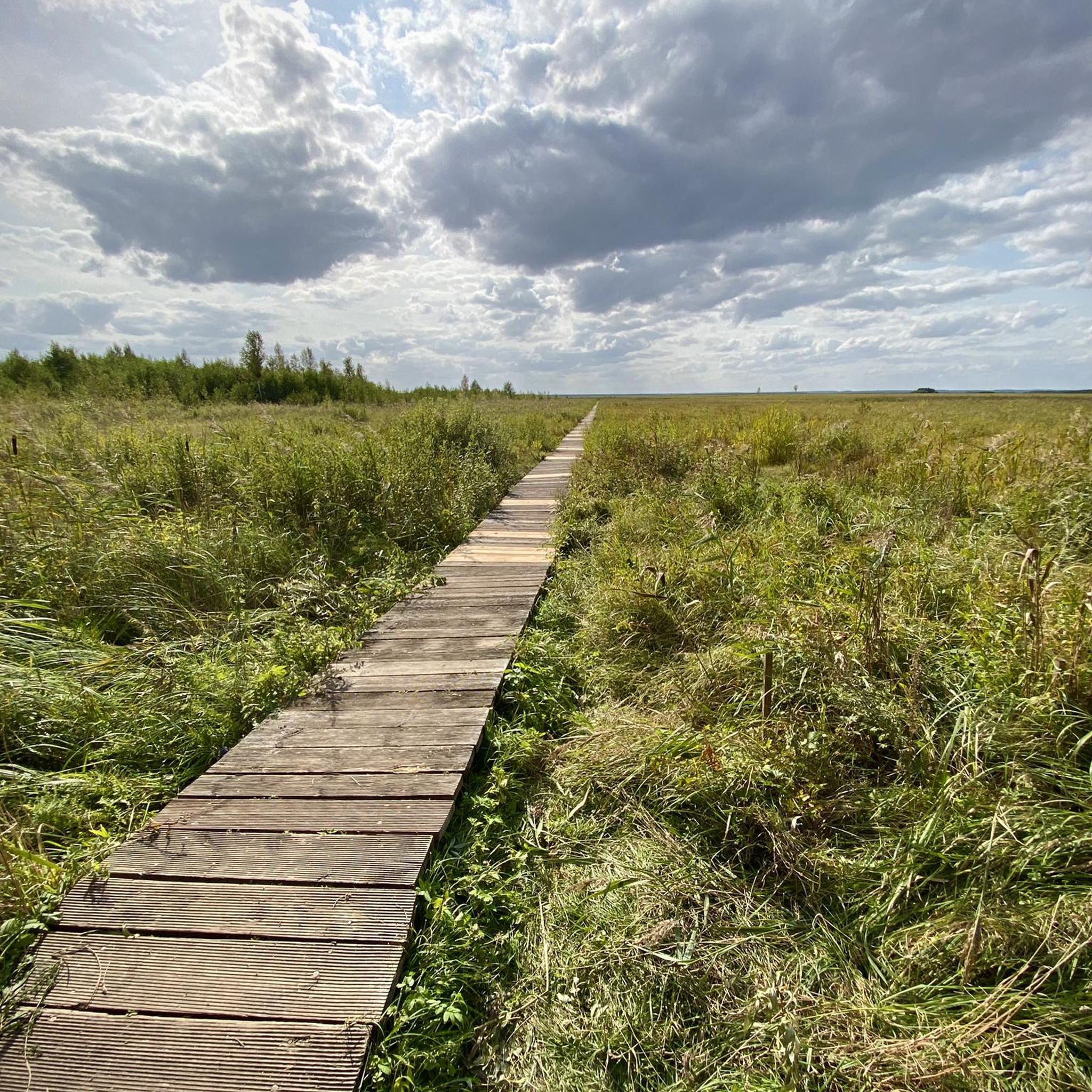
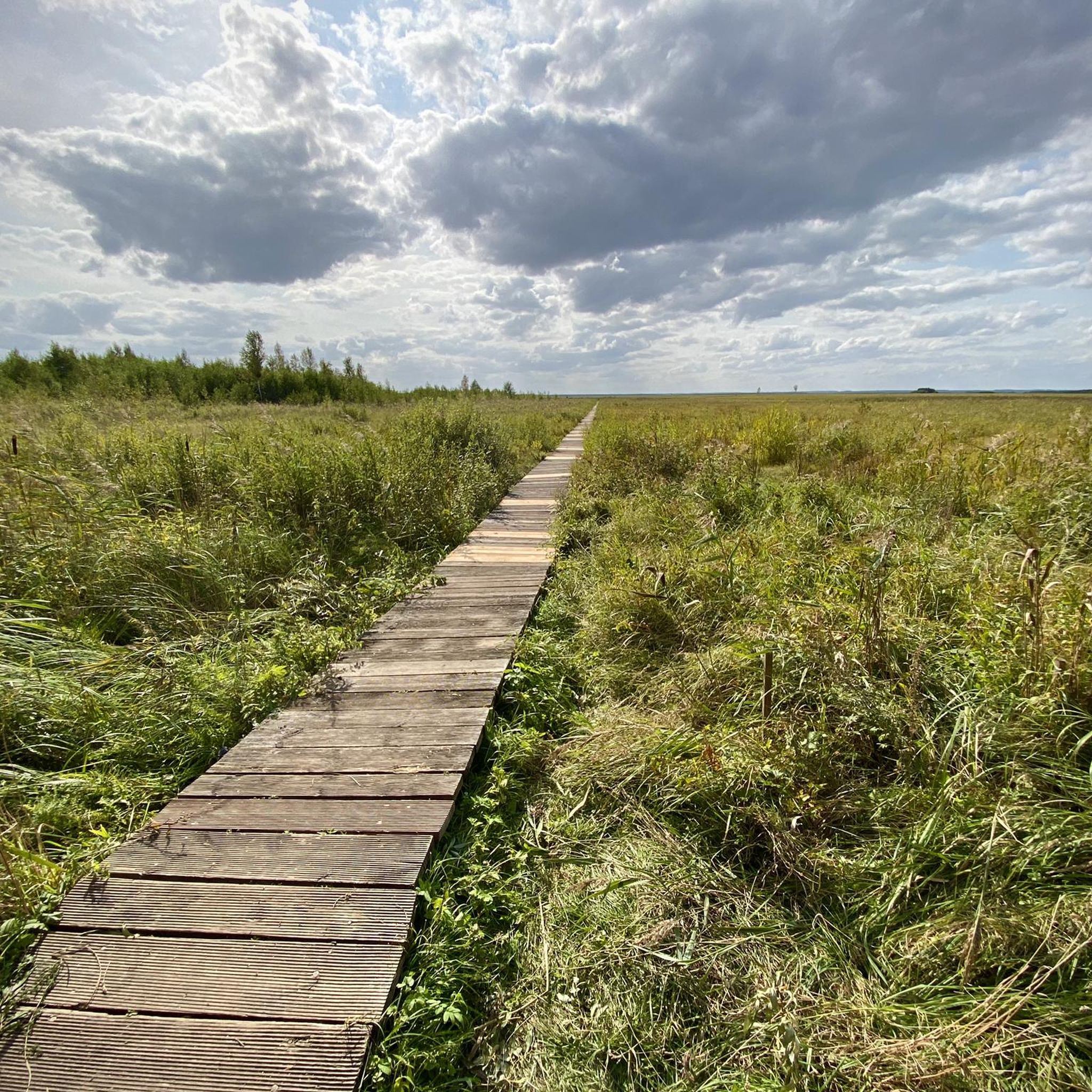
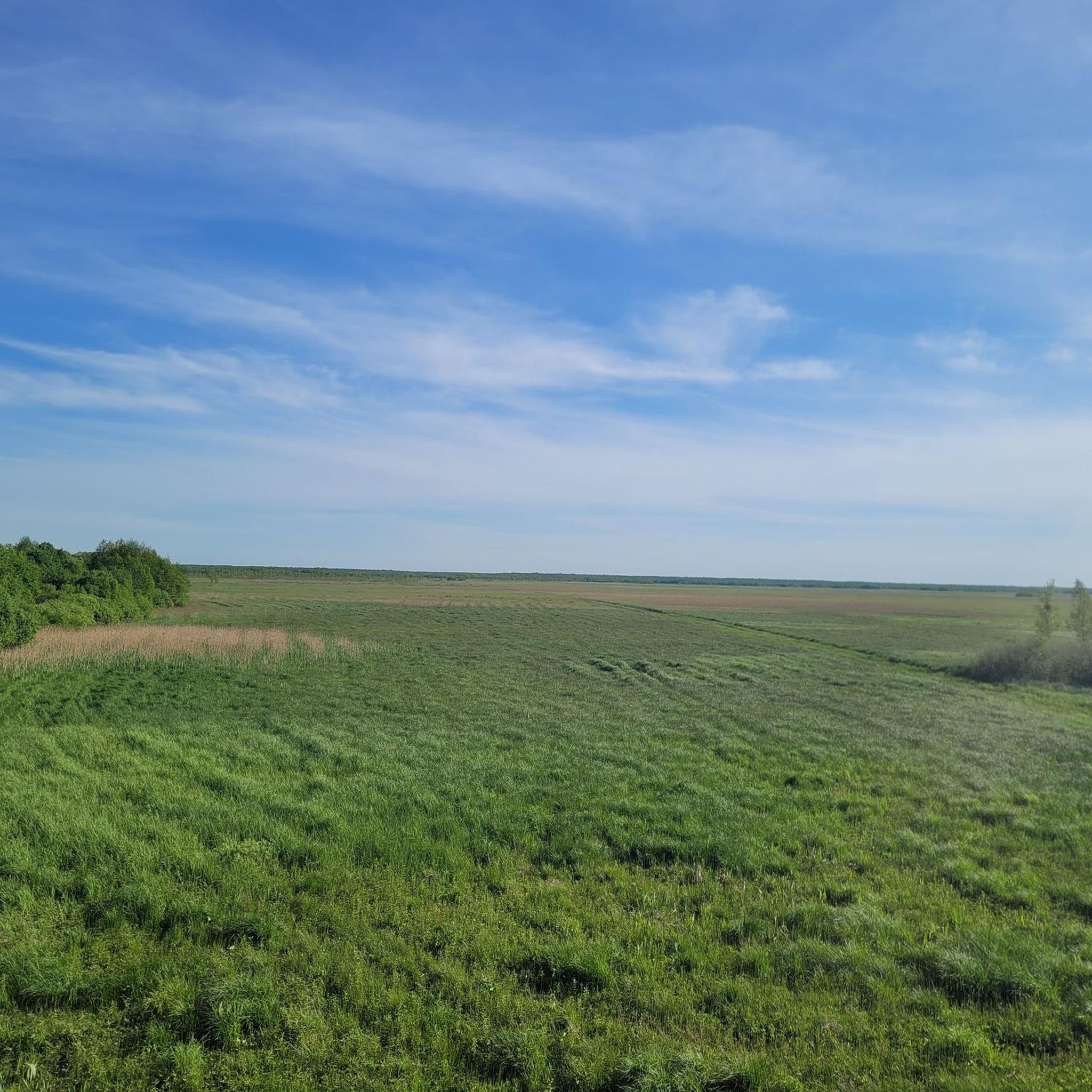
The Długa Luka Footbridge on Carska Droga is one of the most beautiful viewpoints in the Biebrza Valley. The wooden footbridge leads deep into the vast peat bogs, offering visitors a panoramic view of endless sedges and marshes. From the viewing platform, you can admire rare plants such as the red cuckoo and the Lapland willow, as well as numerous marsh birds, including the aquatic warbler, the long-eared owl, and the great snipe. Moose and sunbathing lizards are also common sights.
3
0


Crosses were erected to commemorate an important event or to affirm religious commitment. They were built in gratitude for saving a life or receiving a grace. They also served as boundary markers, marking the end and beginning of a village, and as signposts. Karawaks protected against epidemics. In Poland, there is also the custom of erecting crosses along roads to commemorate tragic deaths in road accidents. Crosses are made from various materials. One example is the cross with the figure of Christ carved from sheet metal. They were mainly created between the second half of the 19th and the mid-20th centuries.
0
1
The Narew River is 484 km long and flows through Belarus and Poland, where it joins the Vistula near Warsaw. Its sources are in the Białowieża Forest, and its riverbed is full of meanders, oxbow lakes and branches. The Narew is considered one of the last multi-channel rivers in Europe. In the river valley you can find many species of birds, which is why part of its course is protected as the Narew National Park. It is a unique place for lovers of nature and peace.
3
0
Decorated and maintained by local believers. Crosses were erected to commemorate an important event or to affirm one's religious commitment. They were built in gratitude for saving a life or receiving a grace. They also served as boundary markers, marking the end and beginning of a village, and as signposts. Karawaks protected against epidemics. In Poland, there is also the custom of erecting crosses along roads to commemorate tragic deaths in road accidents. Crosses are made from various materials. An example is the cross with the figure of Christ carved from sheet metal. They were mainly created between the second half of the 19th and the mid-20th centuries.
0
1

The parish was founded before 1496 so it is really old. The church and the belfry are monuments. The church has undergone many changes and has been expanded but it is still worth seeing.
0
0

A resting place along the route.
3
1
While moving around the BNP, we came across a small forest pond right next to a nice section of the route. I will add that it will continue to be very difficult and difficult.
5
0
Frequently Asked Questions
How many touring cycling routes are available around Trzcianne?
There are over 10 touring cycling routes available around Trzcianne, offering a variety of experiences for different skill levels. These routes navigate the unique landscapes of the Biebrza National Park and its surroundings.
What kind of terrain can I expect on touring cycling routes in Trzcianne?
The terrain around Trzcianne is diverse, characterized by the vast wetlands and mires of Biebrza National Park. You can expect a mix of paved sections, comfortable sandy forest paths, and gravel segments, especially along the Biebrza River. The region is known for its flat riverine routes and extensive peat bogs.
What are the difficulty levels of touring cycling routes in Trzcianne?
The touring cycling routes around Trzcianne cater to various abilities. You'll find 3 easy routes, 7 moderate routes, and 2 difficult routes. This variety ensures there's a suitable path whether you're looking for a relaxed ride or a more challenging adventure.
What do other cyclists say about touring cycling in Trzcianne?
The touring cycling routes in Trzcianne are highly rated by the komoot community, with an average score of 4.5 stars from over 120 reviews. More than 750 touring cyclists have explored the varied terrain, often praising the unique natural landscapes and the peaceful atmosphere of the Biebrza National Park.
Are there any family-friendly touring cycling routes in Trzcianne?
Yes, Trzcianne offers several routes suitable for families, particularly the easier ones. The flat terrain along river valleys and well-maintained sections of the Green Velo Eastern Bicycle Route provide safe and enjoyable options for cyclists of all ages. For example, the Tykocin Castle – Great Synagogue of Tykocin loop from Zajki is a moderate route that connects historic sites, offering an engaging ride for families.
What natural features and viewpoints can I see along the cycling routes?
The region is rich in natural beauty. You can expect to see extensive peat bogs and marshes, especially near the Biebrza River. A notable viewpoint is the Long Gap Footbridge, which offers panoramic views deep into the peat bogs. Other highlights include the View of the Oxbow Lake of the Narew River and various floodplains and forests, such as the Spring Floodplains of Gać Forest.
Are there any historical landmarks or attractions to explore by bike?
Absolutely. The area around Trzcianne is dotted with historical sites. You can cycle past the 19th-century Russian Osowiec Fortress, explore the historic village of Trzcianne with its church and Jewish cemetery, or visit nearby Tykocin Castle and the Great Synagogue of Tykocin, which are part of the Tykocin Castle – Great Synagogue of Tykocin loop from Zajki route.
Can I find circular touring cycling routes in Trzcianne?
Yes, many of the touring cycling routes around Trzcianne are designed as loops, allowing you to start and end at the same point. Examples include the popular Cyclist Rest Area MOR Barwik – Dwór Dobarz loop from Zajki, which follows the Biebrza River, and the Narew River Bridge – Tykocin Town Center loop from Trzcianne.
Is it possible to combine cycling with bird-watching in Trzcianne?
Yes, the region is a paradise for bird-watchers, especially within the Biebrza National Park. Cycling routes often run alongside the Biebrza River, which is a vital refuge for water and marsh birds. During spring, the river's overflow attracts thousands of ducks, geese, cranes, and ruffs, making it an ideal time to combine cycling with observing diverse birdlife.
Are there any long-distance cycling options available?
Yes, Trzcianne is part of the extensive Green Velo Eastern Bicycle Route, which offers well-marked, asphalt paths across eastern Poland. This route provides excellent infrastructure for long-distance touring cyclists, including rest areas with stands and shelters. Routes like the Dwór Dobarz – Long Gap Footbridge loop from Budy offer a substantial distance for those seeking longer rides.
What is the best time of year to go touring cycling in Trzcianne?
The best time for touring cycling in Trzcianne is generally from spring to early autumn. Spring offers vibrant nature and excellent bird-watching opportunities as the Biebrza River overflows. Summer provides warm weather, while early autumn brings pleasant temperatures and beautiful foliage. Some areas might experience seasonal closures or become very wet during heavy rains, so checking local conditions is advisable.
Are there facilities like rest areas or cafes along the cycling routes?
Yes, especially along sections of the Green Velo Eastern Bicycle Route, you'll find excellent bicycle infrastructure. This includes over 200 rest areas with stands, shelters, and information boards. While specific cafes or pubs might require a slight detour into villages, these rest areas provide convenient spots to take a break and enjoy the scenery.
Most popular attractions around Trzcianne

Get inspired with the komoot mobile app


Explore more
Browse the best Cycling routes in other regions.
