Attractions and Places To See around gmina gmina Białowieża - Top 20
Best attractions and places to see around gmina gmina Białowieża are centered around the ancient Białowieża Forest, a UNESCO World Heritage Site known for its primeval forest and biodiversity. This region in eastern Poland offers natural wonders, historical landmarks, and cultural sites. Visitors can explore old-growth forests, observe European bison, and discover historical remnants of tsarist times. The area provides opportunities to engage with one of Europe's last remaining ancient woodlands.
Best attractions and places to see around gmina gmina Białowieża
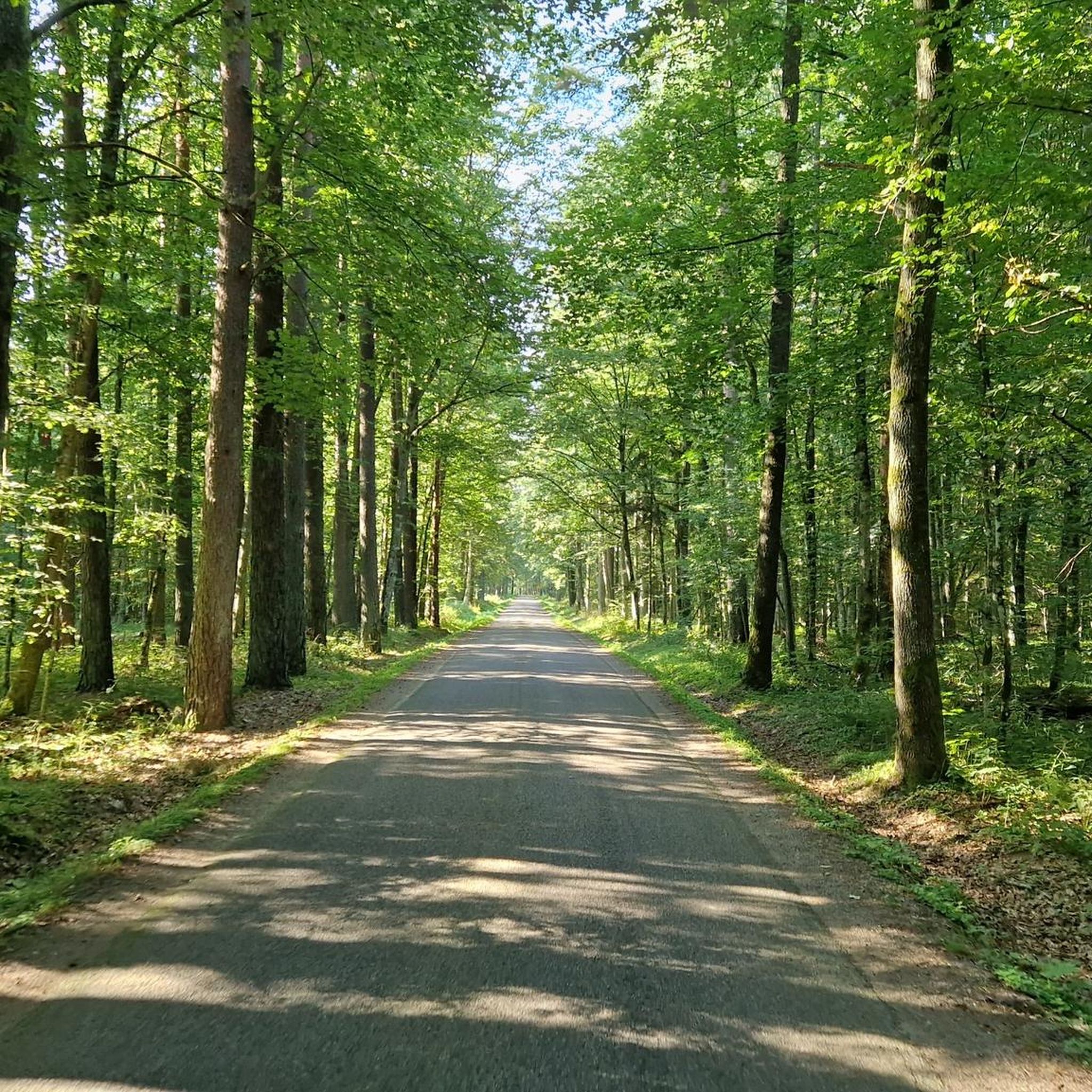
- The most popular attractions is Green Velo section between Hajnówka and Budy, a cycle_way that offers a light, easy, and pleasant forest road. This section provides a direct route through the forest.
- Another must-see spot is Palace Park, a historical site dating from 1890. This English-style park covers 470,000 m² and features 19th-century Tsarist red brick buildings and a museum.
- Visitors also love Białowieża Palace Station Pavilion, a man-made monument built in 1897 for the Russian tsars. This historic railway station remains a significant monument in the center of Białowieża.
- gmina gmina Białowieża is known for its historical sites, natural trails, and cultural landmarks. The region offers a variety of attractions to see and explore, from ancient forests to architectural heritage.
- The attractions around gmina gmina Białowieża are appreciated by the komoot community, with 98 upvotes and 39 photos shared by visitors.
Last updated: May 4, 2026
Palace Park
Highlight • Historical Site
The latter also had a palace built which did not survive the vagaries of time. In the large wooded park, a Victorian-style building has a small museum which intelligently introduces you to the animal species that you can discover in the Białowieża Forest.
Translated by Google •
Tip by

Green Velo section between Hajnówka and Budy
Highlight (Segment) • Cycleway
Translated by Google •
Tip by

Sign up now to discover places like this
Get recommendations on the best single tracks, peaks, & plenty of other exciting outdoor places.
Sign up for free
Białowieża Palace Station Pavilion
Highlight • Monument
Translated by Google •
Tip by

Royal Oaks Trail
Highlight • Trail
The shape of the oaks and the clusters of their arrangement on the trail also indicate human interference. Relatively low, approximately 32-meter-high, the trees are almost 10 meters smaller than the oaks that have always grown in a compact stand. This means that they were planted by human hands, as a park planting near the manor house that once existed here. One legend says that they were planted on the orders of King Sigismund the Old.
A wooden footbridge leads along the trail, equipped with boards with descriptions of the oaks, named after Polish and Lithuanian rulers who ruled the Forest. Walking along the trail gives you the opportunity not only to get to know nature, but also to deepen your historical knowledge. The author and initiator of this project was Jacek Wysmułek, a forester from the Białowieża Forest District, who in 1976 proposed to protect the entire area and create a historical educational trail there.
The footbridge is adapted for wheelchair users and has additional boards written in Braille. A road connecting Białowieża with the town of Narewka runs parallel to the path. You can get to the Siemianówka reservoir from here.
About 1.5 km north of this place (in section 281 - yellow tourist trail) there are remains of the foundation ruins of another hunting castle, probably built by the Grand Duke of Lithuania, Giedymin.
The Royal Oaks Trail is leased to a separate, private company whose task is to maintain the proper technical condition of the path and cleanliness of the premises. The company charges an admission fee.
e-pusty.pl/pearls-forest/szlak-debow-krolewskich-perelka-pusty
Translated by Google •
Tip by
Place of Power
Highlight • Natural Monument
In the spring of 1994, the area was examined by the famous dowser and geomancer Leszek Matela. He classified the find as a so-called Place of Power. The radiation recorded here is significantly increased in relation to the surroundings.
In September 1994, the dowser and bioenergy therapist Andrzej Ciupek confirmed the results of earlier studies. He classified the area as a place with a stronger effect than Jasna Góra, which he had previously examined, as well as its Orthodox counterpart, Święta Góra Grabarka.
It is believed that it was a place of pagan worship, as evidenced by the cleverly arranged stone circle. A legend forgotten today has it that in prehistory there was a hidden place in the Forest, where initiated people gathered to use their power and the power of stones to stop enemies approaching settlements hidden in the Forest.
The glade is located in the Białowieża Forest District, in section 495. It is about 0.5 km from Białowieża. A trail of about 4 km leads to the place of power. There is a parking lot here and railway tracks unused by trains. During the tourist season, handcars run on them.
e-pusta.pl/pearls-forest/miejsce-mocy
Translated by Google •
Tip by
Sign up for free to discover even more attractions around gmina gmina Białowieża.
Sign up for free
Already have an account?
Start today with a free account
Your next adventure awaits.
Login or Signup
Popular around gmina gmina Białowieża
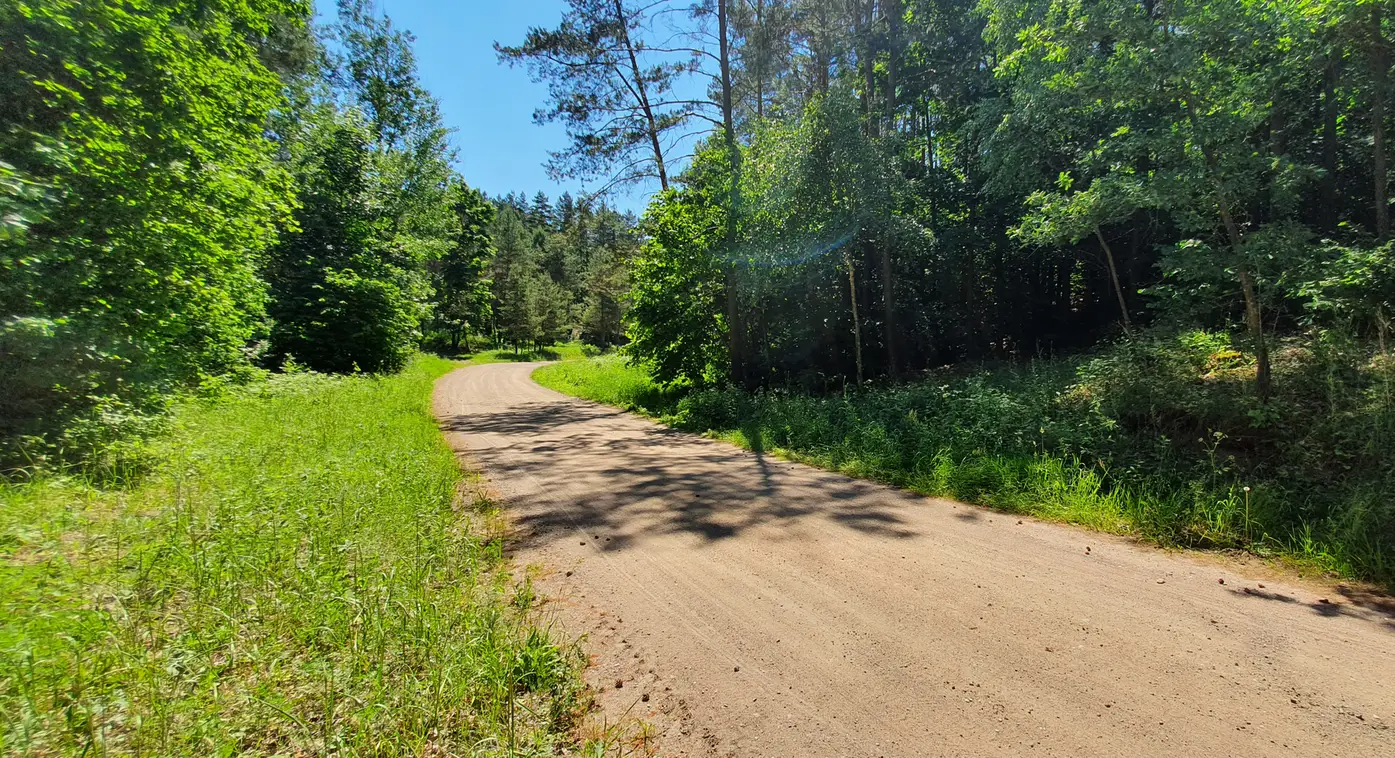
The river rustles, the forest rustles – Podlaski Stork Trail
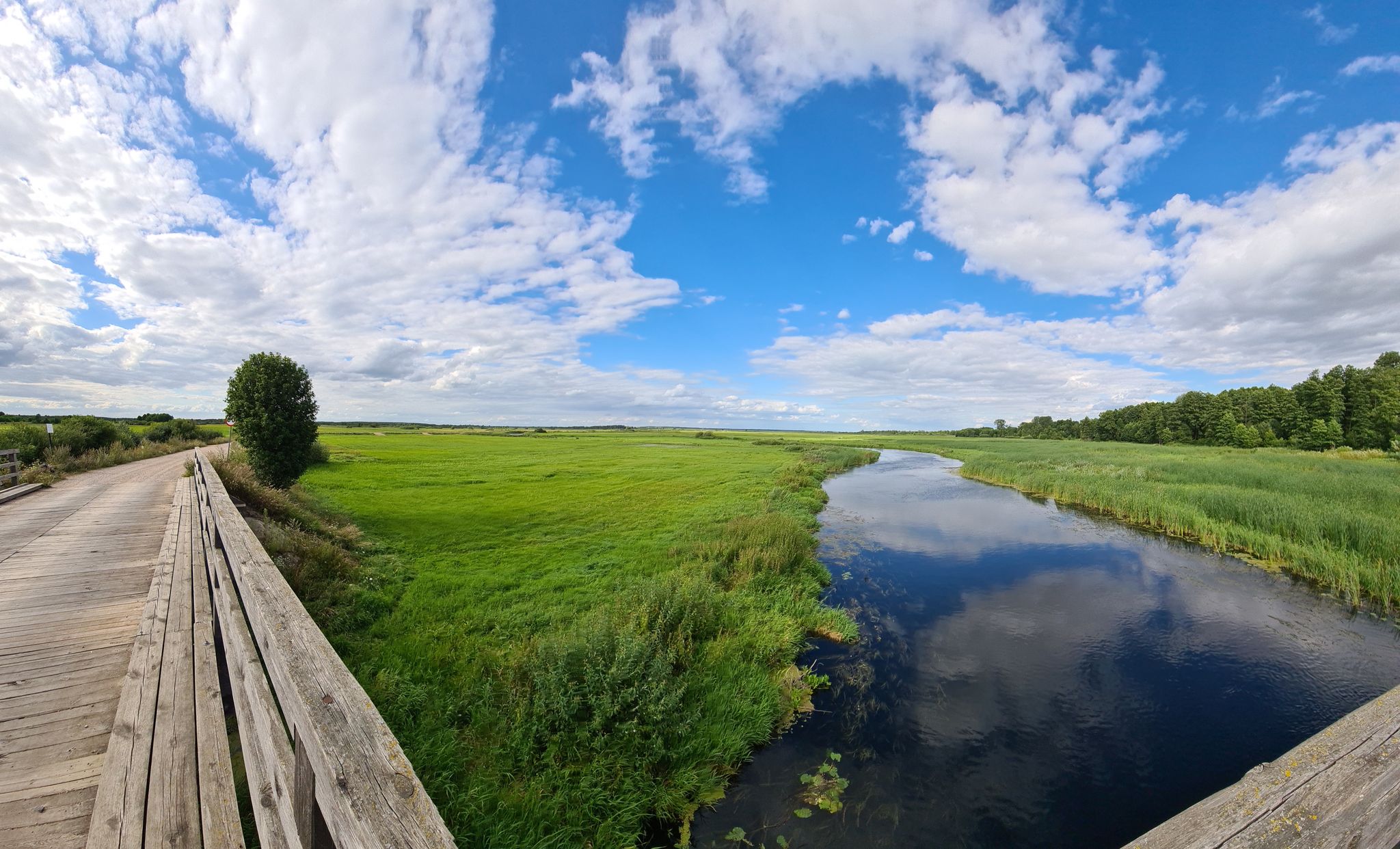
To the east, Eden – Green Velo Szlak (second part)
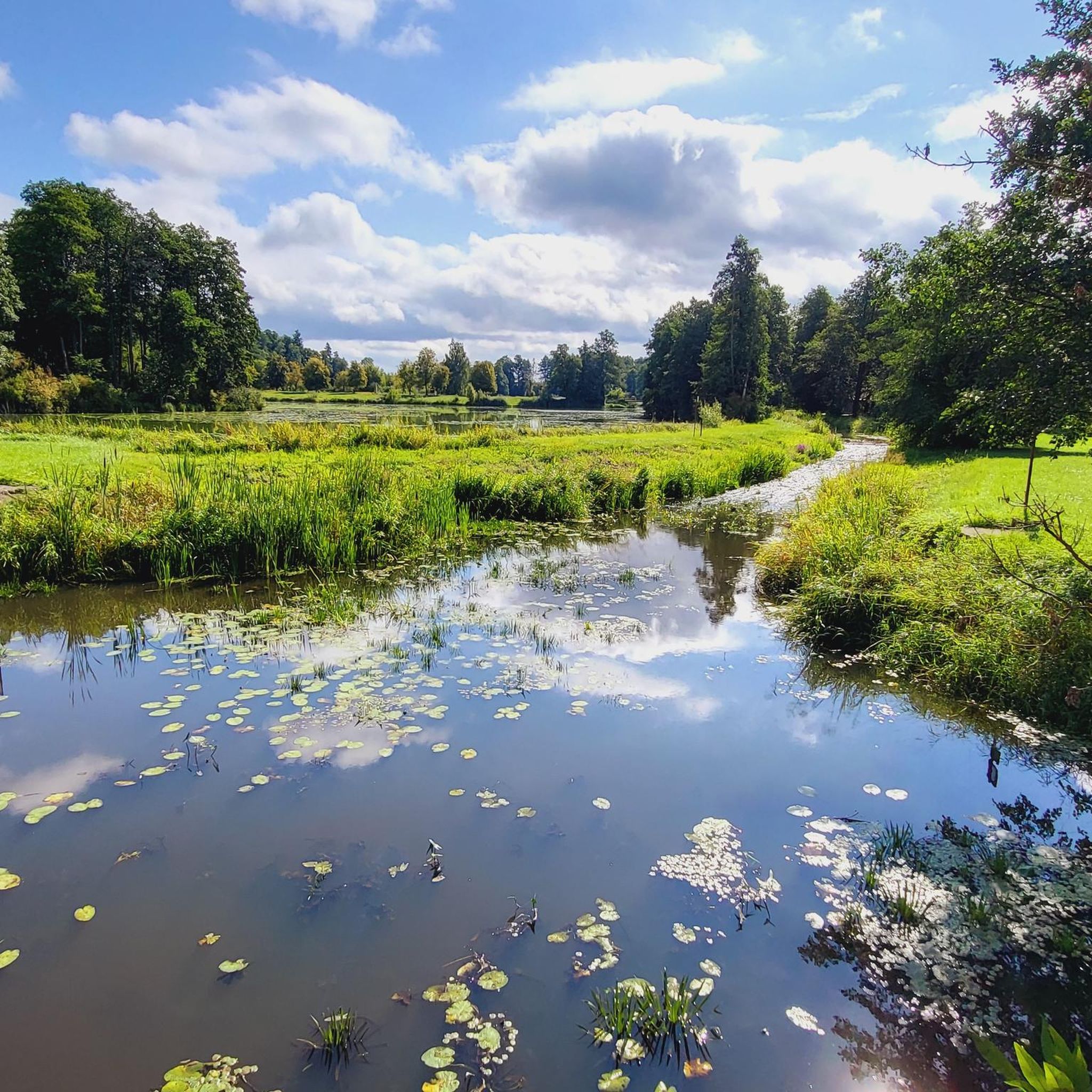
Hiking around gmina gmina Białowieża
Cycling around gmina gmina Białowieża
MTB Trails around gmina gmina Białowieża
Running Trails around gmina gmina Białowieża
Road Cycling Routes around gmina gmina Białowieża

Gravel biking around gmina gmina Białowieża
Other adventures around gmina gmina Białowieża


Tips from the Community

Don't rush - enjoy)
0
0

This section is perfect as a hub from which you can branch off onto several other routes. It's perfect for a start to get into a rhythm, warm up, test your average, or just for a relaxing ride. The ending can be a mixed bag. If you're having a crisis and the weather isn't cooperating, it can drag on forever.
0
0

The Royal Oak Trail in the Stara Białowieża forest is a picturesque educational trail leading through the former settlement, where archaeological research indicates the original Białowieża was founded. A wooden footbridge winds through ancient oak trees named after Polish and Lithuanian kings, creating a unique blend of history and nature.
3
0

Places of Power are places with a very large concentration of positive charges, which have a beneficial effect on the body. For humans, it is felt as a form of subtle vibration. Sensitive people, subjected to its effects, are full of vigour, rest faster and feel greater contact with nature. The place of power in branch 495 was discovered by accident in January 1993 by three people from Białowieża: Sergiusz Tarasiewicz, Borys Rusko, Piotr Bajko, who were looking for a small monument commemorating the death of a worker repairing the nearby Hajnówka-Białowieża railway line. It was destroyed by the Germans in 1944. The discoverers were enchanted by the positive feelings they experienced there. In the spring of 1994, the area was examined by the famous dowser and geomancer Leszek Matela. He classified the find as a so-called Place of Power. The radiation recorded here is significantly increased in relation to the surroundings. In September 1994, the dowser and bioenergotherapist Andrzej Ciupek confirmed the results of earlier studies. He classified the area as a place with a stronger effect than Jasna Góra, which he had previously examined, as well as its Orthodox counterpart, Święta Góra Grabarka. It is believed that it was a place of pagan worship, as evidenced by the cleverly arranged stone circle. A now forgotten legend says that in prehistory there was a hidden place in the Forest, where initiated people gathered to use their power and the power of stones to stop enemies approaching settlements hidden in the Forest. The glade is located in the Białowieża Forest District, in section 495. It is about 0.5 km from Białowieża. A trail of about 4 km leads to the place of power. There is a parking lot here and railway tracks unused by trains. During the tourist season, handcars run on them. e-pust.pl/pearls-forest/miejsce-mocy
3
0
The Palace Park was established after 1895 as an integral part of the private hunting residence of the Russian tsars, built in the years 1889-1894. The name of the park "Palace" refers to the most important building, this residence, which was the tsar's palace (it burned down in 1944 and was finally demolished in 1962). The palace was accompanied by a complex of other buildings. Some of them were intended for the needs of the court and the tsar's service: the Orthodox church, the Drivers' House, the Bath House, the Management House, the stable house, the Świcki House, the Marshal's House, the Jegierski House. The remaining buildings were of an economic and industrial nature: the Cossack stable, the arsenal, the mill, the power plant, the barn, the garages. This hunting residence was surrounded by a park of over 50 hectares. The park was designed by Walerian Kronenberg (1859-1934), one of the most outstanding and fashionable designers of garden and park layouts from the turn of the century. He also designed over 300 larger and smaller parks in Poland, Lithuania, Russia and Crimea. In Warsaw alone, Kronenberg designed, among others, the Horse Racing Grounds and Agricola. bpn.com.pl/index.php?option=com_content&task=view&id=32
3
0
The Palace Park located in Białowieża was established at the turn of the 19th and 20th centuries around the hunting residence of the Russian tsars, built in the years 1889–1894. Its area is approx. 50 ha. The main building of this residence was the palace, which burned down in 1944. Only the so-called kitchen gate survived. The buildings that once accompanied the tsar's palace have also survived: the Management House, the Marshal's House, the Jegierski House, the Drivers' House, the Bath House. In the place where the palace once stood, today there is the Directorate, the Nature and Forest Museum and the BPN Guest Rooms. The park was designed in the English style, also called landscape style, by the famous planner - Walerian Kronenberg. Its characteristic feature is the free compositional assumptions, with the plant thread coming to the forefront. Against the background of compact trees, single trees and their small groups growing in the clearings look picturesque. Of the approximately 200 species of trees and shrubs planted here, nearly 90 have survived to this day. bpn.com.pl/index.php?option=com_content&task=view&id=650&Itemid=280
3
0
The Royal Oak Trail is an educational trail located in the Stara Białowieża forest. The habit of the oaks and their clustered arrangement along the trail also indicates human intervention. The relatively short, approximately 32-meter-tall trees are nearly 10 meters shorter than the oaks that have always grown in a dense stand. This means they were planted by human hands as park trees near a manor house that once stood here. One legend says they were planted at the behest of King Sigismund the Old. A wooden footbridge leads along the trail, equipped with plaques describing the oaks, named after Polish and Lithuanian rulers who ruled the forest. Walking the trail offers the opportunity not only to experience nature but also to deepen your historical knowledge. The author and initiator of this project was Jacek Wysmułek, a forester from the Białowieża Forest District. Back in 1976, he proposed protecting the entire area and creating a historical educational trail. The footbridge is wheelchair-accessible and features additional Braille signs. A road connecting Białowieża with Narewka runs parallel to the footbridge. This road leads to the Siemianówka Reservoir. Approximately 1.5 km north of this site (in section 281 - yellow tourist trail) lie the remains of the foundations of another hunting castle, likely built by the Grand Duke of Lithuania, Gediminas. The Royal Oak Trail is leased to a separate private company responsible for maintaining the trail and maintaining the cleanliness of the grounds. The company charges an admission fee. e-puszcza.pl/pearls-forest/szlak-debow-krolewskich-perelka-puszczy
3
2
The road is light, easy and pleasant. Unfortunately, for me such a long straight section is very tiring. Nevertheless, it is better to take this path than the asphalt road to Hajnówka.
4
0
Frequently Asked Questions
What natural features can I explore in Gmina Białowieża?
Gmina Białowieża is renowned for its natural wonders, primarily the Białowieża Forest, a UNESCO World Heritage Site. You can explore ancient, primeval woodlands, including areas within the Białowieża National Park. Other notable natural features include the Royal Oaks Trail, featuring ancient oak trees, and various nature reserves like Żebry Żubra and Wysokie Bagno, which showcase diverse forest types and endangered plants.
Where can I see European bison in Gmina Białowieża?
To guarantee a sighting of European bison, visit the European Bison Show Reserve. This reserve allows you to observe Europe's heaviest land animal, along with other local species like moose, red deer, and wolves, in semi-natural conditions. It played a crucial role in saving the European bison from extinction.
What historical sites are there to visit in Gmina Białowieża?
The region offers several historical sites. The Palace Park, dating from 1890, features 19th-century Tsarist red brick buildings and a museum. You can also see the Białowieża Palace Station Pavilion, a historic railway station built for Russian tsars. The St. Nicholas Orthodox Church is notable for its unique iconostasis made from Chinese porcelain.
Are there any unique architectural or cultural landmarks in the area?
Yes, the St. Nicholas Orthodox Church stands out with its distinctive iconostasis crafted from Chinese porcelain, a unique feature in Poland. Additionally, the Skansen Architektury Drewnianej Ludności Ruskiej Podlasia (Open-Air Museum of Wooden Architecture of the Ruthenian People of Podlasie) offers a glimpse into the region's traditional wooden architectural heritage.
What outdoor activities can I do near these attractions?
Gmina Białowieża is ideal for outdoor enthusiasts. You can enjoy various activities such as gravel biking on routes like the 'Białowieża Gravel Roads – Palace Park loop' or 'Białowieża National Park – Royal Oaks Trail loop'. For hiking, explore easy trails like the 'Bison Rib Trail' or the 'Zebra Zubra Educational Path loop'. Mountain biking is also popular, with routes like 'Observation tower – Colorful houses in Budy loop'. Find more routes in the Gravel biking around gmina gmina Białowieża, Easy hikes around gmina gmina Białowieża, and MTB Trails around gmina gmina Białowieża guides.
Are there easy hiking trails suitable for families?
Absolutely. The region offers several easy hiking trails perfect for families. The 'Bison Rib Trail' and the 'Zebra Zubra Educational Path loop' are popular choices, providing accessible walks through nature. The Royal Oaks Trail also features a wooden footbridge adapted for wheelchairs and offers an educational experience about ancient trees. You can find more options in the Easy hikes around gmina gmina Białowieża guide.
Can I go cycling in the Białowieża Forest?
Yes, cycling is a fantastic way to experience the Białowieża Forest. The 'Green Velo section between Hajnówka and Budy' is a popular cycle_way offering a light, easy, and pleasant forest road. There are also numerous gravel biking routes, such as the 'Białowieża Gravel Roads – Palace Park loop', which allow you to explore deeper into the forest. For more cycling adventures, check out the Gravel biking around gmina gmina Białowieża guide.
What is the best time to visit Gmina Białowieża for wildlife viewing?
While wildlife can be observed year-round, spring and autumn are often considered ideal for wildlife viewing in Białowieża. During these seasons, animals are more active, and the forest offers a vibrant display of colors. Early mornings and late afternoons are generally the best times of day for spotting animals.
Are there any accessible attractions for visitors with mobility challenges?
The Royal Oaks Trail is designed with accessibility in mind, featuring a wooden footbridge that is adapted for wheelchair users and includes additional boards with Braille. This allows visitors with mobility challenges to experience the ancient oak trees and historical context of the Stara Białowieża forest.
What is the Białowieża Forest and why is it important?
The Białowieża Forest is a UNESCO World Heritage Site and one of Europe's last and largest remaining parts of the immense primeval forest that once covered the European Plain. It is crucial for its exceptional biodiversity, undisturbed old-growth areas, and as a refuge for numerous species, including the European bison. Its ecological significance lies in its complex lowland forests and abundance of dead wood, supporting a rich variety of fungi, invertebrates, and large mammals.
What can I expect to see at the Natural-Forest Museum?
Located within the national park headquarters in the village, the Natural-Forest Museum provides comprehensive insights into the flora and fauna of the Białowieża Forest region. It's an excellent place to learn about the forest's ecosystems, its unique species, and the history of conservation efforts before venturing into the wilderness.
Are there any unique places for stargazing in Gmina Białowieża?
Yes, the Białowieża Forest boasts some of the darkest skies in Poland and the EU, making it an excellent spot for stargazing. One popular location is a watchtower situated between Białowieża and Pogorzelce, near the Żebry Żubra car park, offering clear views of the night sky.
What is the 'Miejsce Mocy' (Place of Power)?
Miejsce Mocy, or the 'Place of Power,' is a mysterious stone circle nestled deep within the Białowieża Forest. It is believed to have been a site of worship for pagan deities in ancient times, offering a unique blend of history, folklore, and natural mystique for those who seek it out.
Most popular routes around gmina gmina Białowieża
Most popular attractions around gmina gmina Białowieża

Get inspired with the komoot mobile app


Explore more
Still not found the Highlight you’re looking for? See guides of the top attractions in other regions:
