Attractions and Places To See around Białystok - Top 20
Best attractions and places to see around Białystok, a city in northeastern Poland, offers a blend of historical landmarks, cultural sites, and natural features. The region is characterized by its palaces, parks, and diverse architectural styles. It provides a destination for visitors interested in history, culture, and outdoor exploration. The area includes significant natural spaces and historical sites.
Best attractions and places to see around Białystok
- The most popular attractions is Zwierzyniecki Forest, a forest that preserves a wet-hornbeam stand for scientific and didactic reasons. This reserve covers over 33 hectares and was historically a fenced game preserve for court hunts.
- Another must-see spot is Wasilków Reservoir, a lake with facilities and a beach. It is located close to Białystok, making it easily accessible for residents and visitors.
- Visitors also love Church of St. John the Baptist and St. Stephen in Choroszcz, a religious building with a history dating back to the 15th century. Its current Baroque appearance is the result of 18th-century reconstruction and subsequent rebuilding after war damage.
- Białystok is known for its historical buildings, religious sites, and natural parks. The region offers a variety of attractions to see and explore, from Baroque palaces and cathedrals to forests and reservoirs.
- The attractions around Białystok are appreciated by the komoot community, with 130 highlights documented and 109 upvotes.
Last updated: July 1, 2026
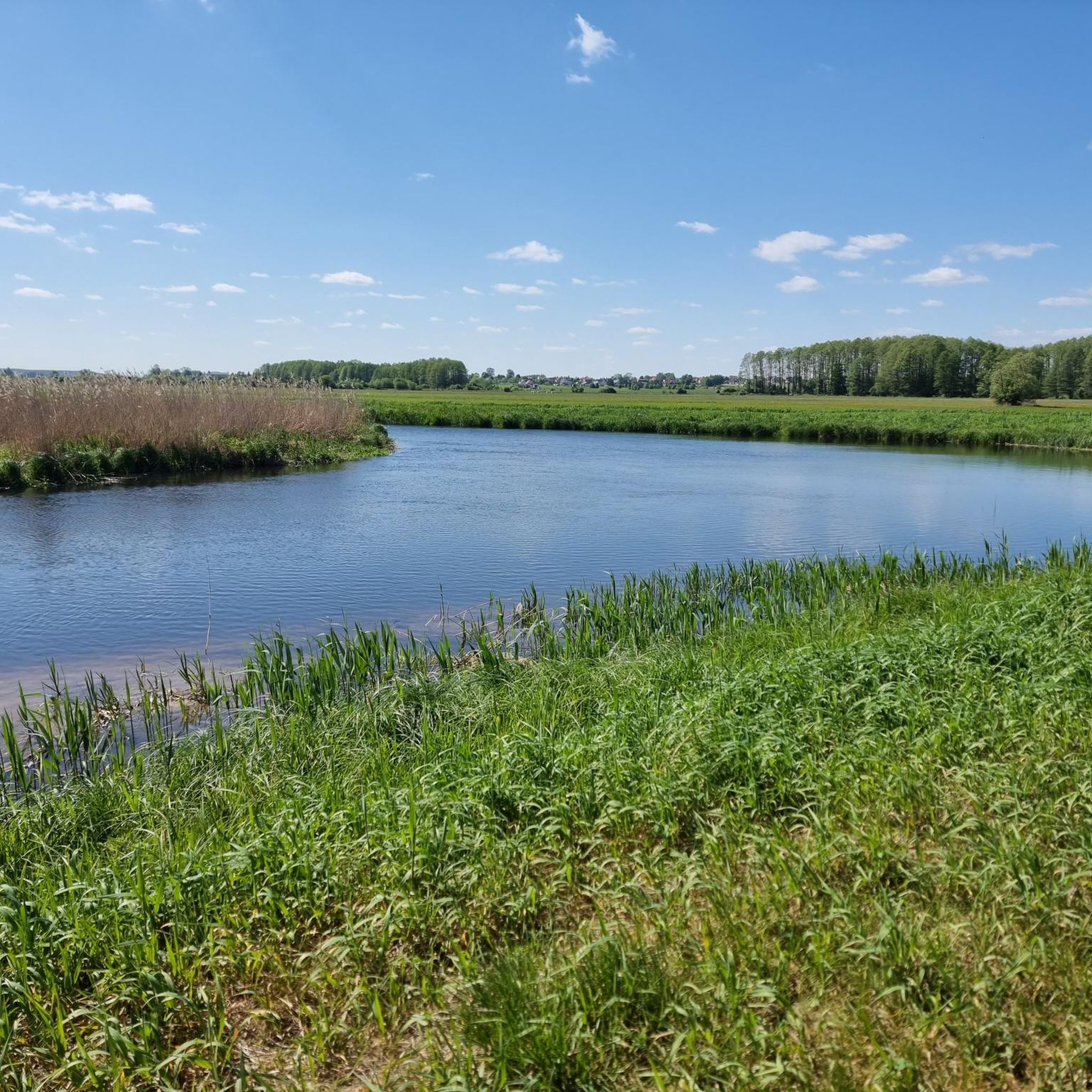
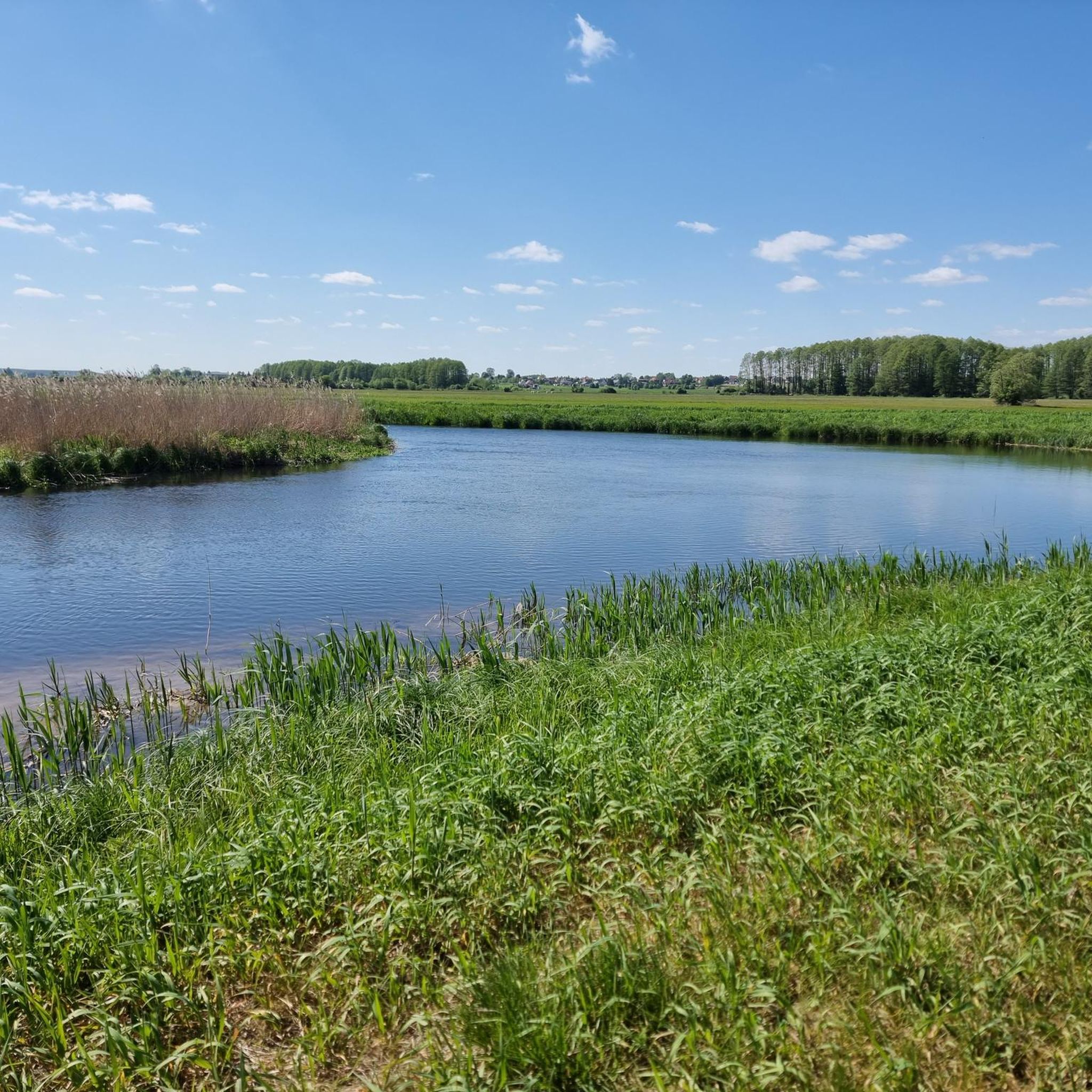
Public beach on the Supraśl river in Wasilków
Highlight • Beach
Translated by Google •
Tip by

Green Velo Rest Area – Knyszyńska Forest Landscape Park
Highlight • Rest Area
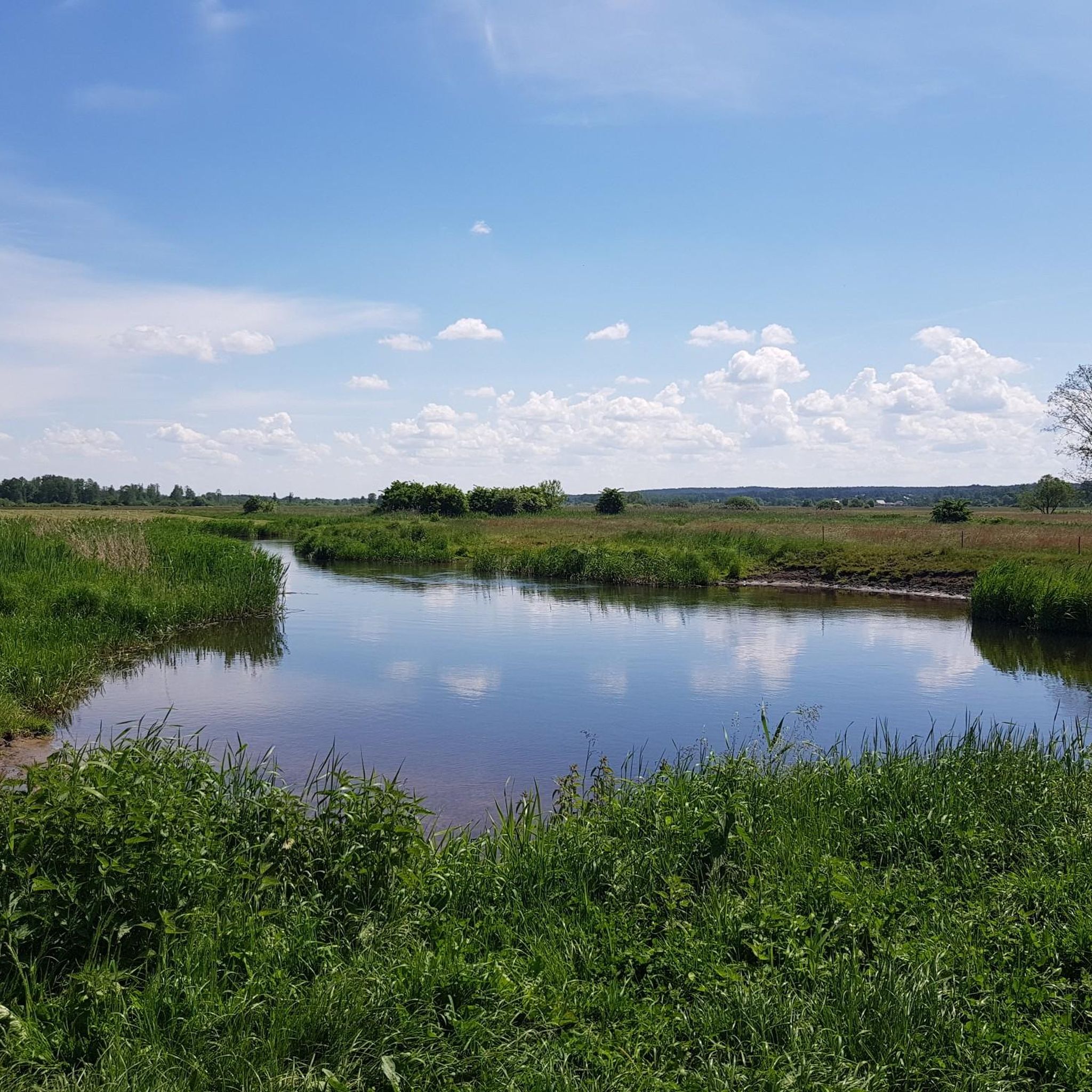
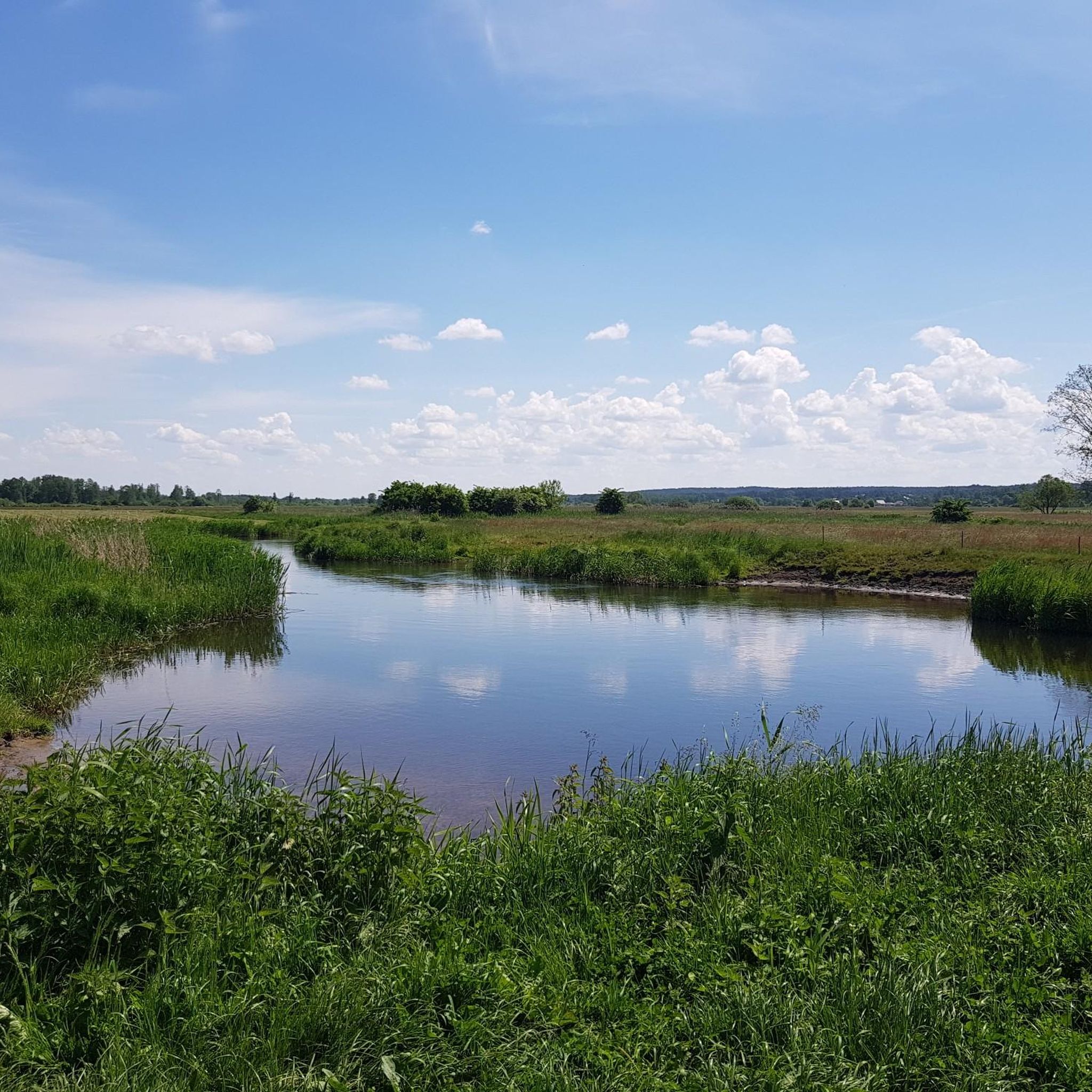
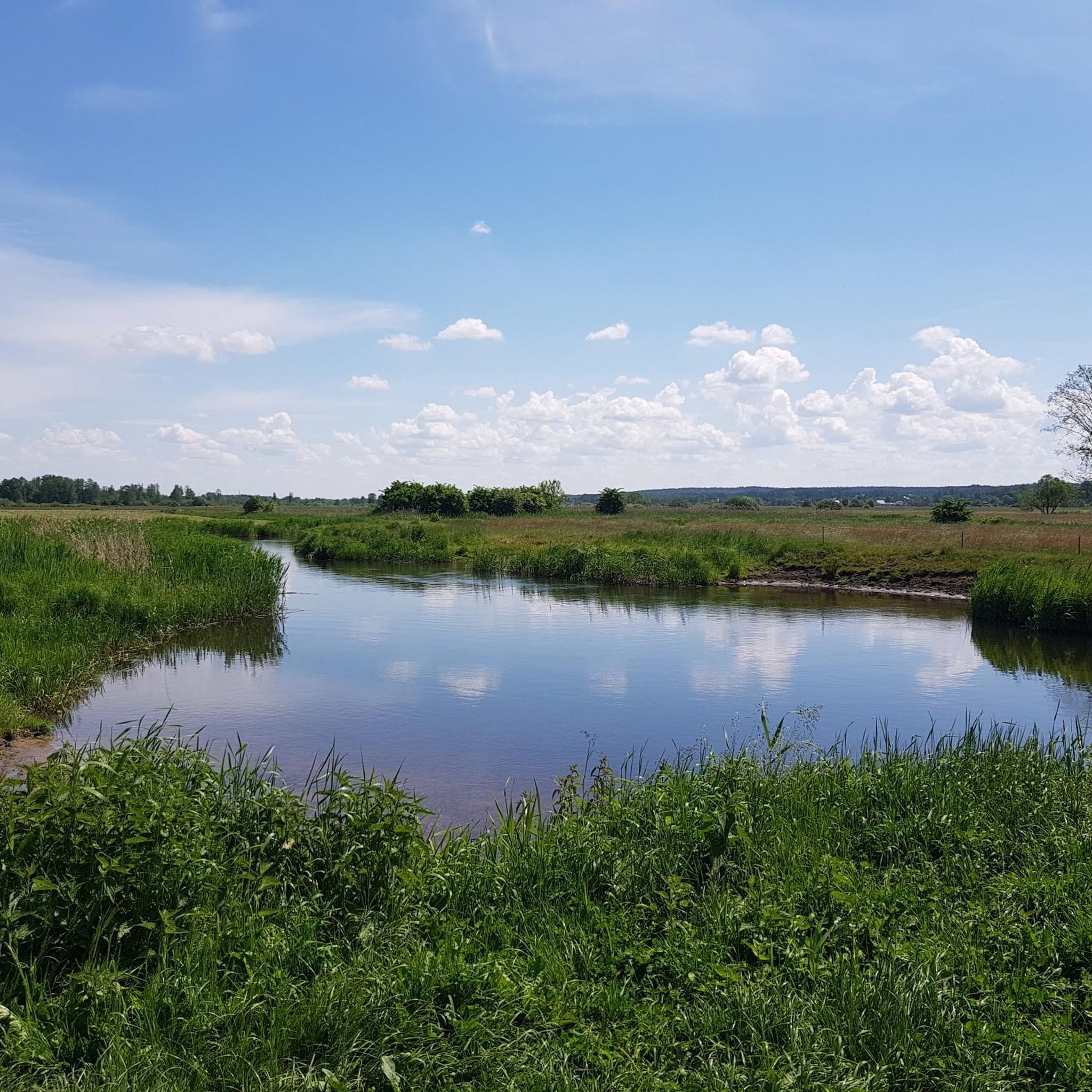
Moving east along the bicycle path, we will encounter a viaduct over the Pilnica River. Right behind the river and ponds, together with the forest line, the Krasne nature reserve begins.
Bypassing the viaduct and going under it, we will reach the watermill on Pilnica. It is on the northern side of the viaduct.
However, heading south, we have Komosa lakes. First, smaller ones closer to the viaduct. About a kilometer further, there is a second proper lake. I recommend especially the expensive one.
Back to the parking lot itself. Directly adjacent to it, from the south, is the area of the old gravel pit. It used to be a place of winter rest. The remains of the old ski lift are still visible. Now the area, reclaims the forest. The bottom and slopes of the gravel pit are already well overgrown. As I remember correctly, there are two ponds in the gravel pit area, which are sometimes used for illegal bathing.
Translated by Google •
Tip by

Sign up now to discover places like this
Get recommendations on the best single tracks, peaks, & plenty of other exciting outdoor places.
Sign up for free
Church of St. John the Baptist and St. Stephen in Choroszcz
Highlight • Religious Site
In 1756, Jan Klemens Branicki, the Grand Crown Hetman, Castellan of Kraków, at the request of the Dominicans built a brick monastery and a church consecrated in 1770. This temple was a single-nave building with a barrel vault, in the sacristy and western porch it had a cross vault, with a square tower at the front. The interior of the temple and the monastery refectory were richly decorated and maintained in the Rococo style[2].
In 1780, there is a mention of a unique coffin reliquary of St. Candida, whose remains were excavated from the catacombs of Santa Agnese in Rome in 1765. Perhaps the Dominican fathers brought the relics to spread the cult of the saint, who was known for his unwavering stance in defense of ideals. This stance was especially valuable in a situation when the specter of partitions hung over Poland.
In 1832, the Dominicans were displaced by the tsarist government to Różanystok, and the parish was taken over by diocesan priests. In 1915, during war operations, the church was damaged. During the reconstruction, the church was expanded, adding two side naves, which fundamentally changed the entire structure. Unfortunately, in 1938, for unknown reasons, almost the entire interior of the church and the roof burned down. In 1944, German troops blew up the tower, which destroyed the vault of the church. In the years 1945–1947 the church was rebuilt. Four bells were installed in the tower, named: Jan, Franciszek, Dominik and Stanisław.
Translated by Google •
Tip by

Fountains at Planty Park
Highlight • Monument
The (urban) park was created in 1908-10 and was designed by Walerian Kronenberg in a naturalistic style. It had a rich and varied greenery. One of two designed fountains was built in the park. Initially, it was fenced with a wooden fence, and from 1910 with a metal fence (survived until 1934) with three decorative gates designed by Eng. Kołuby.
In the years 1930-1938, under the patronage of the then voivode Marian Zyndram-Kościałkowski, the city park was expanded and thoroughly rebuilt in the areas adjacent to the palace, located in the Branicki Park complex. The modernist composition of the Planty park was designed by Eng. Stanisław Grall, manager of City Plantations. It combines elements of a natural park and a shaped French park with rich elements of the so-called small architecture. The central part of the park is a promenade, a wide pedestrian route (Lovers' Avenue boulevard) with low greenery (borders, flower carpets) and a rectangular swimming pool with fountains equipped with automatic illumination devices.
In the eastern part of the park from ul. Mickiewicza there is a rose garden, a rectangular water pool, next to which there was a sculpture of Laundresses by Stanisław Horno-Popławski, built before 1938, and a water pond called "Heart".
In the Polish People's Republic, starting in 1954, the park was called Polish-Soviet Friendship.
In 2014, the part of the park between Akademicka, Świętojańska, M. Skłodowska-Curie and Katyn Square was named the square of Lech and Maria Kaczyński - the President of the Republic of Poland and his wife. On March 1, 2018, a monument dedicated to Danuta Siedzikówna ps. "Inka".
The park includes, among others:
sculpture by Stanisław Horno-Popławski – Washerwoman
sculpture by Małgorzata Niedzielko – Pies Kawelin
monument dedicated to Danuta Siedzikówna alias "Inka"
promenades - boulevards: Aleja Kochanych, Józef Blicharski, Marian Kościałkowski
Translated by Google •
Tip by
Zwierzyniecki Forest
Highlight • Forest
Translated by Google •
Tip by

Sign up for free to discover even more attractions around Białystok.
Sign up for free
Already have an account?
Start today with a free account
Your next adventure awaits.
Login or Signup

Tips from the Community

Roman Catholic Church of St. John the Baptist and St. Stephen the Martyr
0
0

The church in Choroszcz is an impressive Baroque temple, whose history dates back to the 15th century. Its current appearance is the result of an 18th-century reconstruction, and the facade impresses with its rich decorations and sculptures. The interior of the church is equally impressive, with numerous monuments of sacral art. For road cyclists, Choroszcz lies on the route of many interesting trails, and the church itself can be an interesting stop during a trip. It is worth taking a moment to admire the architecture and history of this place.
1
1

The reserve covers the central and eastern part of the Zwierzyniecki Park with an area of 33.84 ha. The entire area of the reserve is forested and is the property of the city. There are walking paths in the reserve covering a total area of 1.33 ha.
1
0

Most of the rest areas at Green Velo are well maintained and are always worth stopping by for a short break. In summer and when the weather is bad, having a roof over your head is very nice.
0
0

The fountain dates back to the interwar period. At first, it was a kind of pond with a fountain. In the 1960s, it was modernized for the first time. Later, it was renovated several times. Currently, the fountain shines with different colors and shoots water in different shapes. In the evening, it shimmers beautifully with colors and during the day, you can clearly see different ways of pouring water. A beautiful place.
0
0
The historic Planty Park has been developed since the end of the 18th century. And something is still being done there. Initially, there were moats, fortifications and city walls. The name comes from planting, i.e. leveling the aforementioned unevenness, i.e. moats, ditches, etc. A beautiful place in Białystok. Worth visiting.
0
0

On one side, there are two prepared beaches and recreation areas. On the other side, the actual reservoir with a water ski lift. You can cycle around the entire reservoir, only at the lock will you have to carry your bike up a few stairs. There is a cycle path over the bridge.
0
0

Frequently Asked Questions
What kind of natural attractions can I explore around Białystok?
Białystok and its surroundings offer several natural escapes. You can visit Zwierzyniecki Forest, a reserve preserving a wet-hornbeam stand with walking paths. For water-based recreation, the Wasilków Reservoir provides a lake with facilities and a beach. Within the city, Planty Park offers a tranquil urban oasis with green spaces, sculptures, and a rose garden.
Are there historical landmarks to visit in Białystok?
Yes, Białystok is rich in historical landmarks. The most iconic is the magnificent Baroque Branicki Palace, often called the 'Polish Versailles,' with its stunning architecture and extensive French-style gardens. Other notable sites include the Neo-Gothic Cathedral Basilica of the Assumption of the Blessed Virgin Mary and the unique Byzantine-style Orthodox Cathedral of Saint Nicholas on Lipowa 15. The Church of St. John the Baptist and St. Stephen in Choroszcz also boasts a rich history dating back to the 15th century.
What cultural experiences does Białystok offer?
Białystok provides a diverse cultural scene. You can explore the Podlasie Museum, housed in the Town Hall, for insights into regional history. The city also has a vibrant street art scene with numerous murals. For a poignant historical perspective, visit the Memorial Museum Siberia. The Podlasie Opera and Philharmonic is the largest artistic institution in northeastern Poland, offering various performances.
Are there family-friendly activities available in Białystok?
Absolutely. Families can enjoy the Wasilków Reservoir, which has a beach and facilities for recreation. The Zwierzyniecki Forest offers walking paths suitable for family strolls. Akcent Zoo is another family-friendly attraction where visitors can see various animals, including the European bison. The Białystok Puppet Theater provides enchanting experiences for all ages, and the Widzimisie Sculpture Trail features playful bear sculptures throughout the city.
Where can I find outdoor activities like hiking or cycling near Białystok?
The region around Białystok is excellent for outdoor enthusiasts. For hiking, you can explore easy trails such as the 'Kościuszko Market Square – Branicki Palace loop' or the 'Forest Therapy Trail' which are detailed in the Easy hikes around Białystok guide. Cycling routes include the 'From Knyszyn Forest to the Biebrza Valley Bicycle Trail' and the 'Trail along the Biała River,' found in the Cycling around Białystok guide. For mountain biking, check out the MTB Trails around Białystok guide for routes like the 'Polana Singletrack loop'.
Can I visit any palaces or grand estates in the area?
Yes, Białystok is known for its grand estates. The most prominent is the Branicki Palace, a stunning Baroque residence with meticulously maintained French-style gardens. You can also find the Hasbach Palace, reflecting the city's industrial past, and the Lubomirski Palace, showcasing aristocratic history and architectural beauty.
Are there any good day trips from Białystok for nature lovers?
Absolutely. A popular day trip for nature lovers is to Białowieża Forest, a UNESCO World Heritage site and one of Europe's last remaining primeval forests, famous for its European bison. Another excellent option is Narew National Park, offering tranquil landscapes, diverse wildlife, and a rich cultural heritage.
What are the options for cycling enthusiasts around Białystok?
Cycling enthusiasts have many options. The Green Velo cycling trail passes through the region, with well-maintained rest areas like the Green Velo Rest Area – Knyszyńska Forest Landscape Park. You can find various routes, from moderate to difficult, including the 'From Knyszyn Forest to the Biebrza Valley Bicycle Trail' and the 'Trail along the Biała River.' More details are available in the Cycling around Białystok guide.
Are there any parks or green spaces within Białystok for relaxation?
Yes, Białystok offers beautiful green spaces for relaxation. Branicki Park, the baroque gardens of the Branicki Palace, features French and English-style sections, statues, and ponds. Planty Park is another sprawling green space near Branicki Palace, known for its fresh air, well-maintained avenues, flowerbeds, sculptures, and a rose garden, providing a tranquil urban oasis. The Fountains at Planty Park are a particular highlight, especially when illuminated at night.
What is Białystok's connection to Jewish heritage?
Białystok has a significant Jewish history. Visitors can explore the Jewish Heritage Trail, which includes the site of the Great Synagogue (destroyed during WWII, now a monument), the Jewish Cemetery, and the Yeshiva Building. These sites offer a glimpse into the city's once-thriving Jewish community and commemorate the victims of the Białystok Ghetto.
Are there any unique art or sculpture trails in Białystok?
Yes, Białystok features the Widzimisie Sculpture Trail, a playful and engaging way to explore the city. This trail consists of 16 adorable bear sculptures scattered throughout various locations, each telling its own story and adding a delightful artistic touch to the urban landscape.
What is the best time of year to visit Białystok for outdoor activities?
The best time to visit Białystok for outdoor activities is generally during the warmer months, from late spring to early autumn (May to September). During this period, the weather is pleasant for hiking, cycling, and exploring natural areas like Białowieża Forest or Narew National Park. The parks and gardens within the city, such as Branicki Park and Planty Park, are also at their most vibrant.
What do visitors particularly enjoy about the attractions in Białystok?
Visitors frequently appreciate the blend of historical grandeur and natural beauty. The architectural splendor of the Branicki Palace and the intricate details of the Church of St. John the Baptist and St. Stephen in Choroszcz are often highlighted. Many also enjoy the tranquility of green spaces like Planty Park, especially the illuminated Fountains. The accessibility of the Wasilków Reservoir for a quick escape to nature is also a popular point among locals and tourists alike.
Most popular routes around Białystok
Most popular attractions around Białystok

Get inspired with the komoot mobile app


