Top 13 Castles around Partenstein
Castles around Partenstein, a municipality in Germany's Spessart region, offer insights into the area's historical significance. The region is primarily known for the Burgruine Bartenstein, a key historical site that played a strategic role in securing trade routes. The surrounding Spessart area features various historical architectural sites, including castle ruins and former hunting lodges. These locations provide opportunities for exploring regional history and are integrated into local hiking and cycling routes.
Best castles around Partenstein
- The most popular castles is…
Last updated: June 24, 2026
Snow White and the Seven Dwarfs silhouette at Lohr Castle
Highlight • Monument
Translated by Google •
Tip by

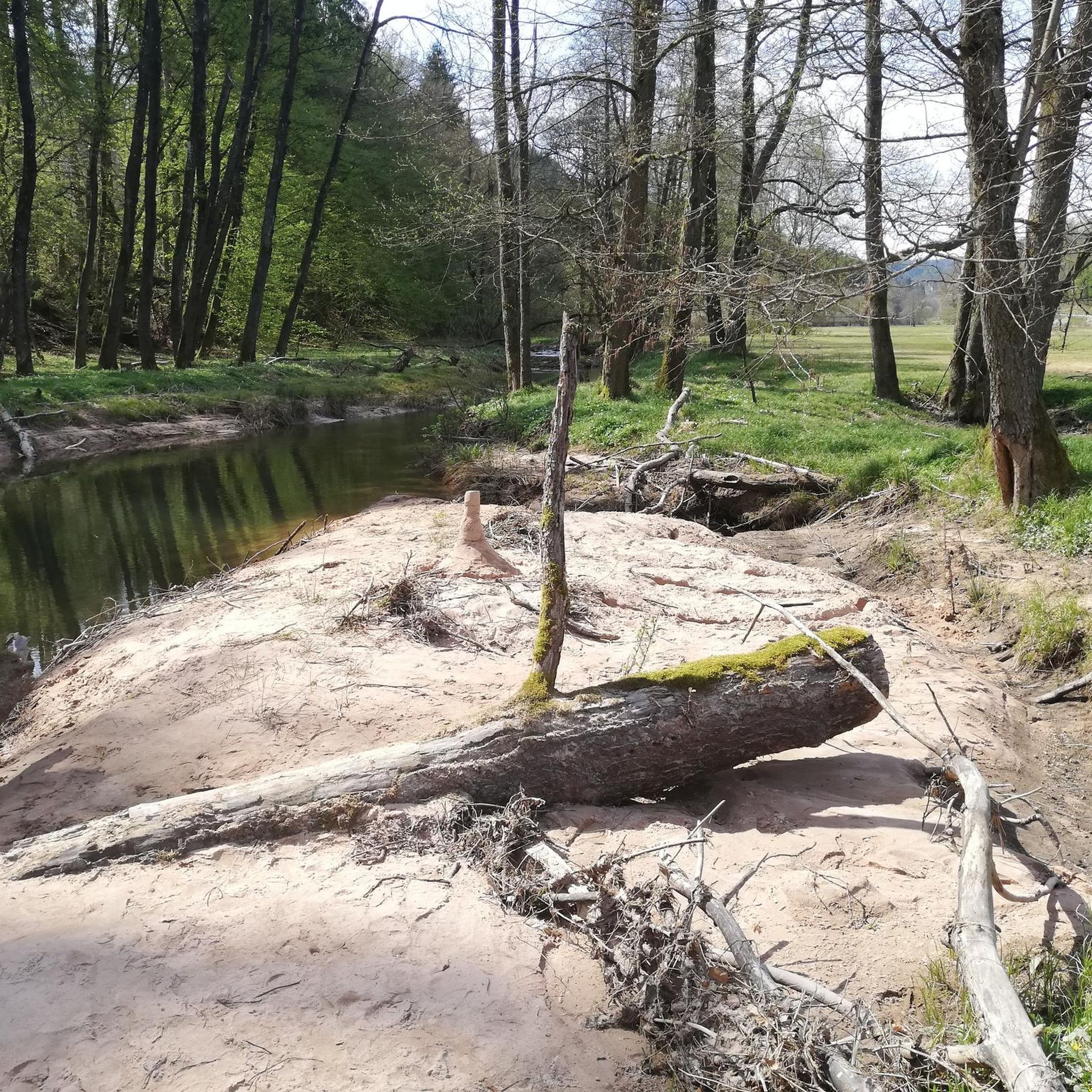
Ruins of the Birklergrund Glassworks
Highlight • Historical Site
Translated by Google •
Tip by

Sign up now to discover places like this
Get recommendations on the best single tracks, peaks, & plenty of other exciting outdoor places.
Sign up for free
Schönrain Ruins
Highlight • Historical Site
Translated by Google •
Tip by

Old Castle Chapel (Schlosskapelle) at Schloss Rothenbuch
Highlight • Religious Site
Translated by Google •
Tip by

St. Josef Church, Steinbach
Highlight • Religious Site
Translated by Google •
Tip by

Sign up for free to discover even more castles around Partenstein.
Sign up for free
Already have an account?
Start today with a free account
Your next adventure awaits.
Login or Signup

Other adventures around Partenstein

Tips from the Community

Old Castle Chapel (Castle) The chapel was built in 1573 in the post-Gothic style. It was consecrated in 1575 and elevated to a parish church in 1683. Today, the castle is privately owned. It was connected to the hunting lodge by a bridge. Source: Information board at the site
1
0
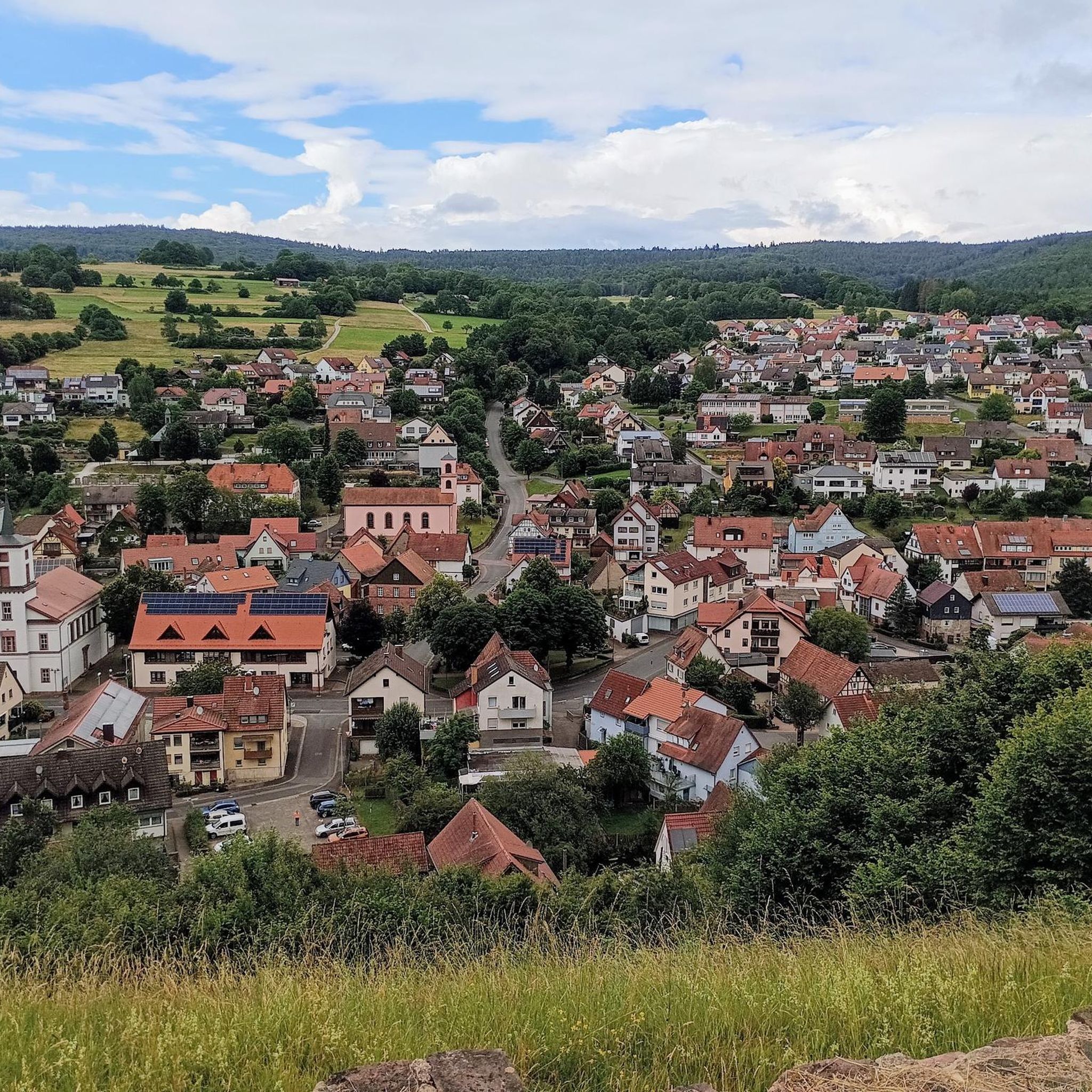
Rothenbuch is one of the oldest and most important towns in the Inner Spessart region. The first documented mention of "zuo den Rodenboychen" dates back to 1318, when the Archbishop of Mainz, Peter von Aspelt, and the Bishop of Würzburg, Gottfried III von Hohenlohe, concluded a security cooperation agreement here. In 1342, construction began on a castle in Rothenbuch, at the source of the Hafenlohr River. The first inhabitants were likely settled there as hunting lodgers. During the Peasants' War of 1525, the castle was severely damaged or destroyed. In 1566, the castle was rebuilt and expanded on the orders of Daniel Brendel von Homburg, Elector of Mainz. The first depiction of Rothenbuch can be found on one of the oldest existing Spessart maps, the so-called Pfinzig map from 1594. Source: Wikipedia
1
0

Archbishop Daniel Brendel of Homburg (1555-1582) built a castle chapel directly next to the castle above the street, which was consecrated in 1575. With the founding of the parish of Rothenbuch in 1683, it later served as the first parish church in our town. Until then, the villagers had to make the long journey to Wiesthal to the mother parish (since 1477), as there was no church available to them locally.
1
0


The chapel was built in 1573 in the post-Gothic style. It was consecrated in 1575 and elevated to a parish church in 1683.
4
0

Beautiful little baroque chapel at the gate to the Spessart.
1
0

Glass blowing is an ancient craft with a long tradition that can be traced back many centuries. At that time, glassworks were often built in densely wooded areas because, in addition to the raw materials (particularly quartz sand) to melt the glass, a lot of firewood was needed, with which the glass furnaces had to be heated day and night.
3
0

Simply a great ambience in Rothenbuch - absolutely worth seeing!
2
0
Frequently Asked Questions
What historical castles can I visit directly in Partenstein?
The primary historical site directly in Partenstein is the Burgruine Bartenstein (Bartenstein Castle Ruins). This castle, built around 1180, was strategically important for trade routes and served as an administrative seat. While mostly ruins today, ongoing excavations and restorations make it a site of active historical preservation. You can explore its remnants and learn about its role in the village's origins along the "Europäischer Kulturweg Partenstein".
Which castles around Partenstein offer significant historical insights?
Beyond the Bartenstein Castle Ruins, you can explore several sites with rich histories. The Schönrain Ruins, once a Benedictine monastery and later a residential castle, offers a glimpse into centuries of destruction and rebuilding. Rothenbuch Castle, a 14th-century former hunting lodge, served as a central administrative headquarters for the Spessart region. For a different historical perspective, the Ruins of the Birklergrund Glassworks showcases the foundation walls of an 18th-century forest glassworks, detailing the history of glass production.
Are there family-friendly castles to visit near Partenstein?
Yes, several castles offer family-friendly experiences. Snow White and the Seven Dwarfs silhouette at Lohr Castle is a popular spot, especially for children, and houses the Spessartmuseum. Rothenbuch Castle is also categorized as family-friendly and provides a pleasant setting for a visit.
What kind of outdoor activities can I do near these castles?
The castles around Partenstein are often integrated into local hiking and cycling routes. For hiking, you can find trails like the "Ski Hut Partenstein – Erichstollen Mine and Bunker loop" or the "Rinderbachtal Valley – View of the Lohr Valley loop." If you prefer cycling, there are gravel biking routes such as the "Karlstadt Old Town – Stettener Stein Vineyards loop" and MTB trails like the "Aubach Lakes – Birklergrund Trail loop." You can find more details on these and other routes in the hiking guide, gravel biking guide, and MTB trails guide for Partenstein.
Which castles offer good viewpoints or scenic surroundings?
The Schönrain Ruins provide great views from its forecourt into the Main valley. The Bartenstein Castle Ruins, while not offering expansive views from a high tower, are situated in the scenic Spessart region and serve as a historical landmark for hiking and cycling routes, allowing you to enjoy the natural surroundings.
Can I combine a castle visit with a longer hike?
Absolutely. Many castles in the region, such as Rothenbuch Castle, serve as central starting points for numerous hiking trails in the Spessart. The Bartenstein Castle Ruins are also part of the "Europäischer Kulturweg Partenstein," which offers a historical walking experience. You can explore various routes that pass by or start near these historical sites.
What is the best time of year to visit the castles around Partenstein?
The Spessart region, where Partenstein is located, is beautiful throughout the year. Spring and autumn offer pleasant temperatures for exploring the ruins and surrounding nature, with vibrant foliage in autumn. Summer allows for longer days and more outdoor activities. Even in winter, some castles like Rothenbuch Castle host events like a Christmas market, transforming the area into a festive scene, especially with snow.
Are there any castles that are particularly well-preserved or restored?
While many sites are ruins, like the Burgruine Bartenstein which is undergoing active preservation, Rothenbuch Castle is a more intact 14th-century structure that has been used as a hotel and seminar center, offering a different experience from purely ruined sites. It retains much of its original character as a former hunting lodge.
What do visitors enjoy most about the castles and historical sites in this region?
Visitors appreciate the deep historical significance of the sites, such as the origins of Partenstein tied to the Bartenstein Castle. The integration of these historical landmarks with hiking and cycling routes is also highly valued, allowing for active exploration. The scenic views, like those from the Schönrain Ruins into the Main valley, and the unique historical insights, such as the glass production history at the Ruins of the Birklergrund Glassworks, are frequently highlighted.
How long should I plan for a visit to a castle or ruin?
The time needed varies by site. For the Bartenstein Castle Ruins, a visit might take 1-2 hours to explore the remnants and read information boards. For larger sites like Rothenbuch Castle, especially if you combine it with a meal or a short walk, you might spend 2-3 hours. If you plan to visit multiple sites or integrate a longer hike, allocate a full day.
Are there any hidden or lesser-known historical sites worth exploring?
While the Bartenstein Castle Ruins are the main site in Partenstein, the broader Spessart region holds many historical gems. The Ruins of the Birklergrund Glassworks, for example, offers a unique historical perspective on 18th-century industrial activity in the forest, which might be less commonly known than traditional castles.
Most popular routes around Partenstein
Most popular attractions around Partenstein

Get inspired with the komoot mobile app


Explore more
Looking for the best castles somewhere else? Discover other guides around Partenstein:
