Attractions and Places To See around gmina Głogówek - Top 20
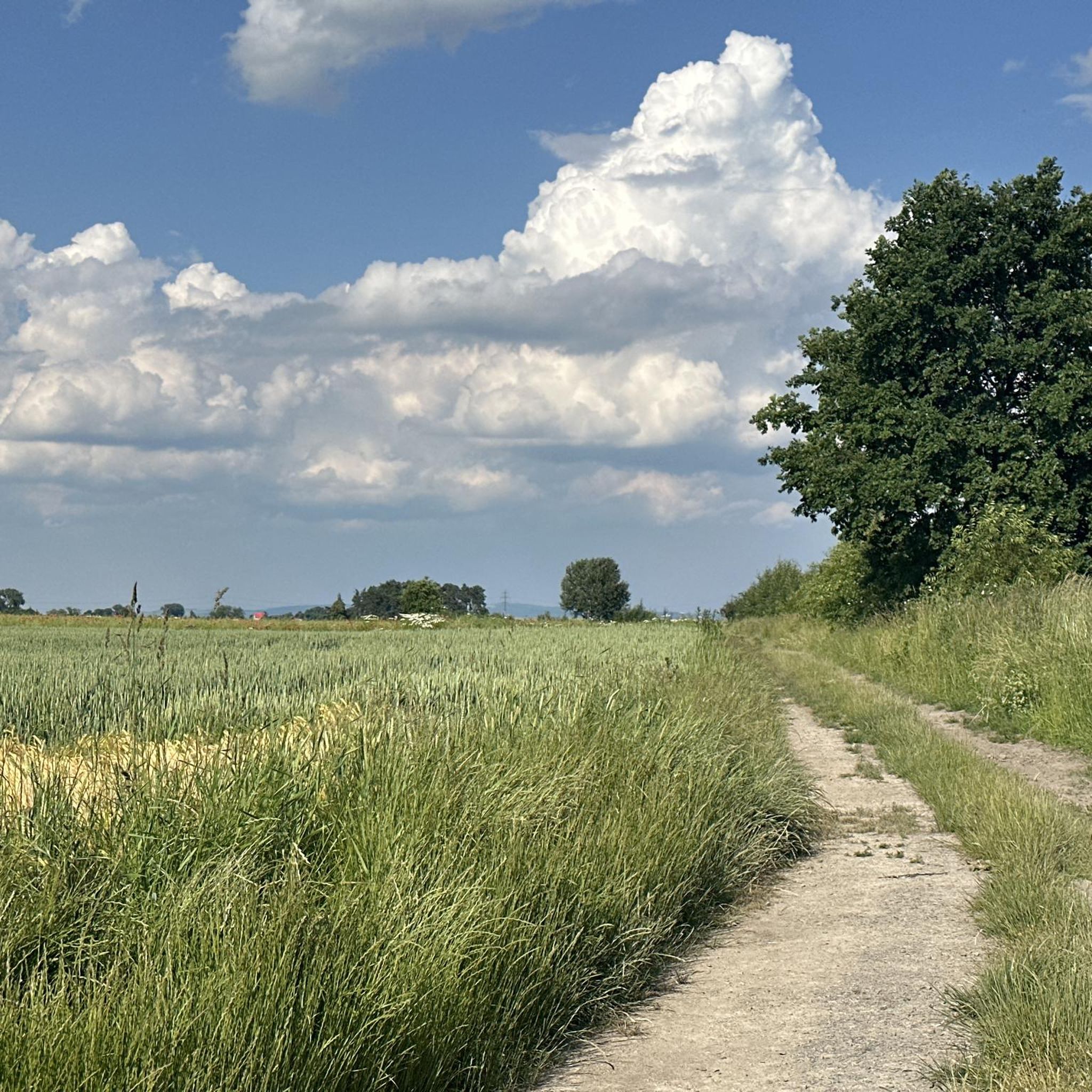
Best attractions and places to see around gmina Głogówek include historical landmarks, cultural sites, and natural points of interest. This urban-rural administrative district in southern Poland's Opole Voivodeship features a well-preserved medieval core and numerous architectural monuments. The region offers gently undulating terrain and rural landscapes, providing opportunities for outdoor activities like hiking and cycling.
Best attractions and places to see around gmina Głogówek
- The most popular attraction is Moszna Castle, a castle known for its 365 rooms and…
Last updated: July 15, 2026
Moszna Castle
Highlight • Castle
Translated by Google •
Tip by

Tiele-Winckler Family Mausoleum
Highlight • Monument
Translated by Google •
Tip by

Sign up now to discover places like this
Get recommendations on the best single tracks, peaks, & plenty of other exciting outdoor places.
Sign up for free
Krapkowice Market Square
Highlight • Settlement
Translated by Google •
Tip by

Krapkowice Rynek
Highlight • Settlement
Translated by Google •
Tip by

Railway Trail Walking and Cycling Path
Highlight (Segment) • Cycleway
Translated by Google •
Tip by

Sign up for free to discover even more attractions around gmina Głogówek.
Sign up for free
Already have an account?
Start today with a free account
Your next adventure awaits.
Login or Signup
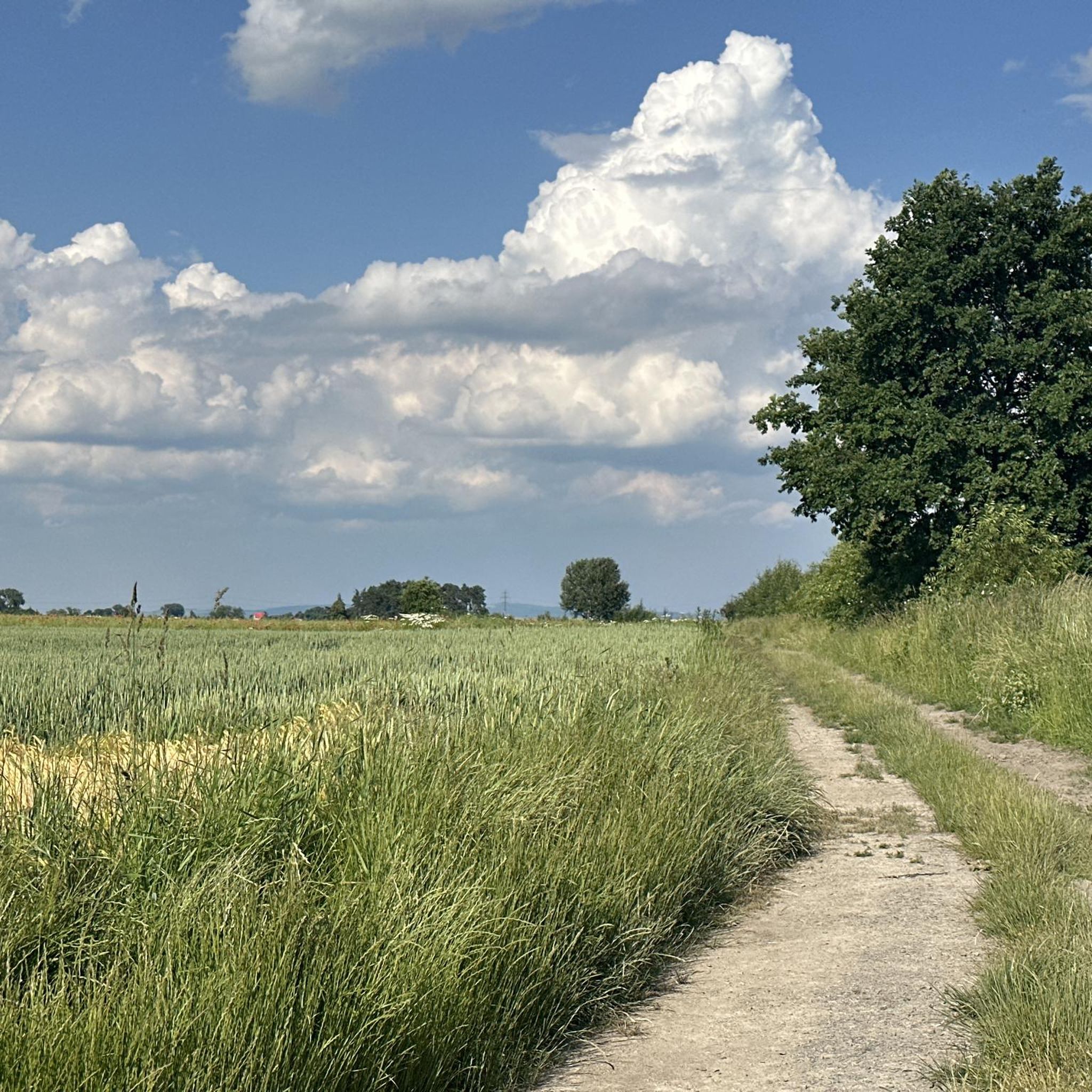
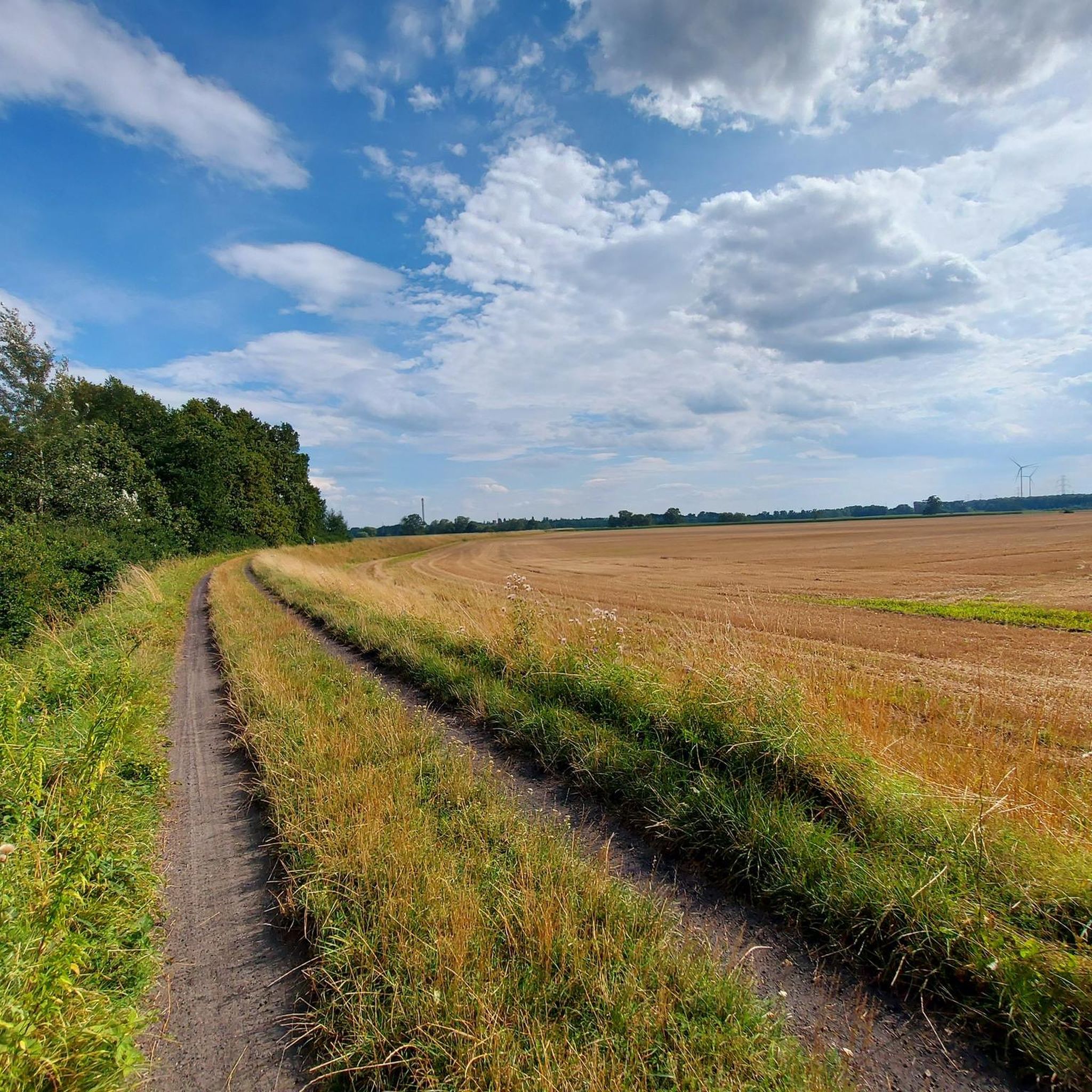
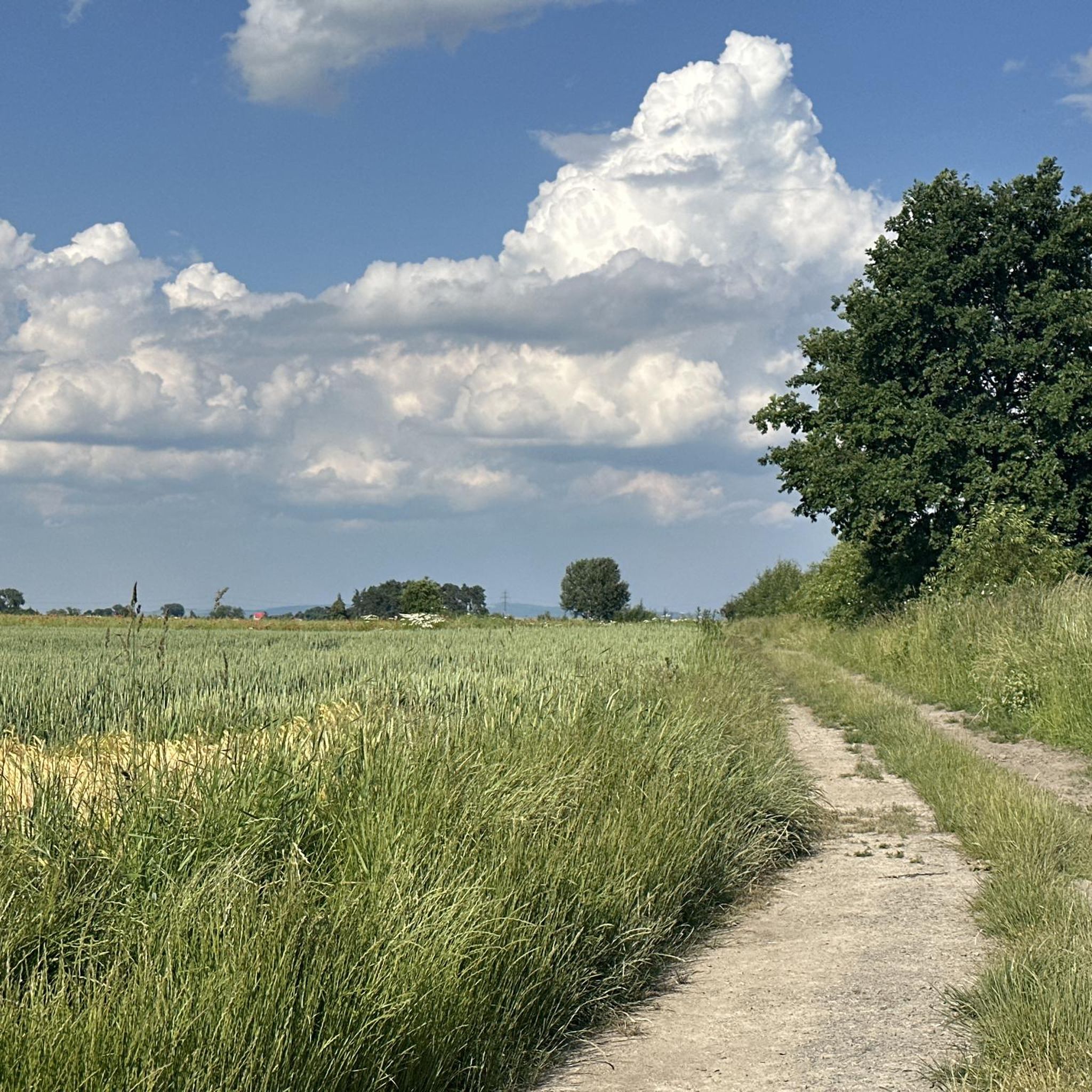
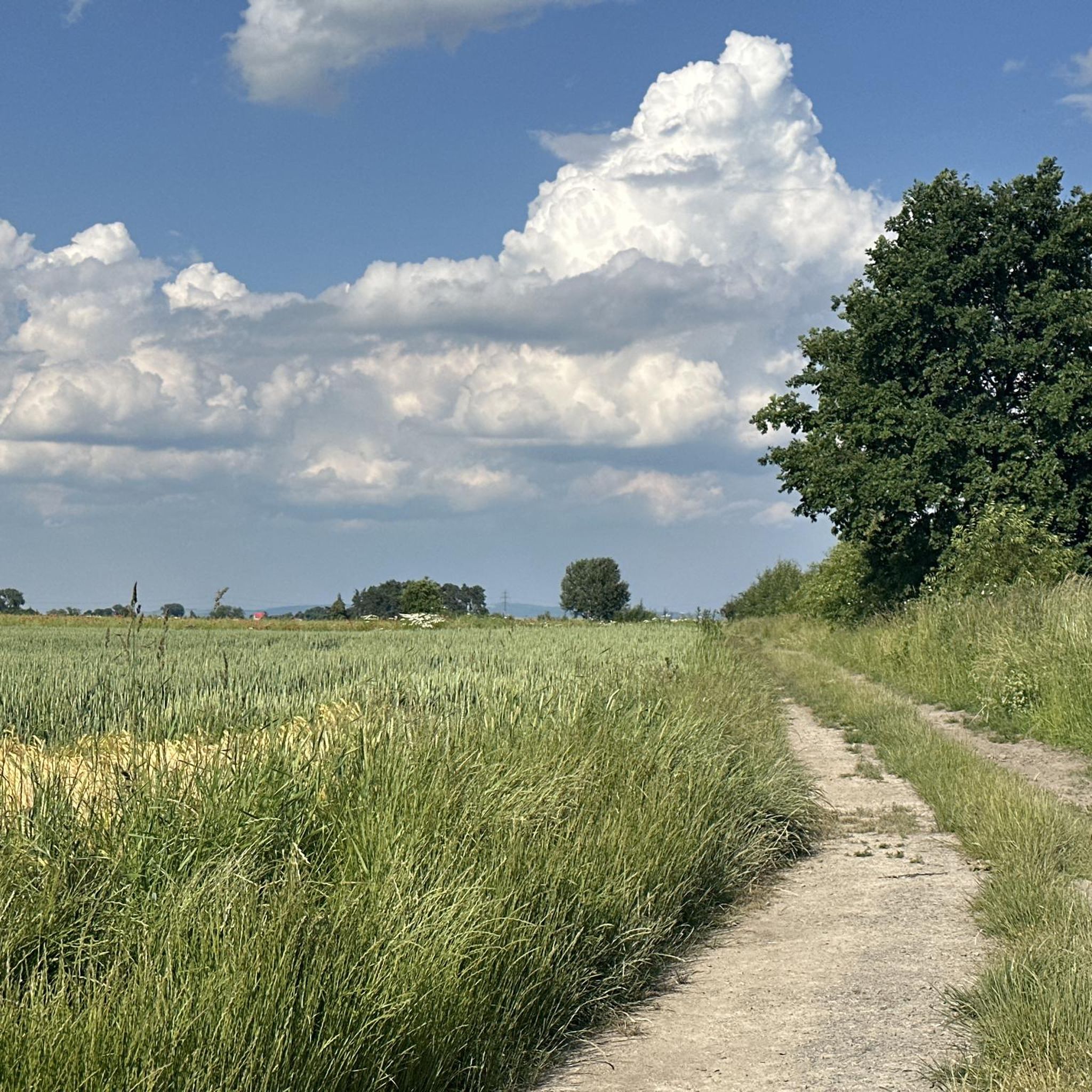

Tips from the Community

Eight graves have survived in the von Tiele-Winckler family cemetery. The founder of the family, Hubert von Tiele-Winckler, is buried at the foot of a tall cross. In the second row lies his eldest son, Franz Hubert, builder of the palace in Moszna. In the third row lies the second-to-last Count, Klaus Hubert (Franz Hubert's son). The last Count, Hans Werner von Tiele-Winckler, left Moszna in 1945 before the estate was occupied by the Red Army. He died in Germany in 1957 and was buried there. The Moszna family necropolis is located on a small hill, accessible by the original steps. A high fence and a wrought-iron gate (also historic) remain to this day. In spring, the cemetery is filled with colorful azaleas.
0
0

Beautiful rhododendrons blooming in May. Lots of people on weekends.
0
0

The pedestrian and bicycle path "Szlakiem Kolejowym" runs along the route of the former railway line from Koźle to Baborów, inactive since 1997. This line, launched in 1882, was expanded all the way to Baborów, serving the transport of raw materials and products of the sugar industry. The route is 16 km long and leads through the communes of Reńska Wieś, Cisek and Polska Cerekiew, ending at the former railway station in Polska Cerekiew. On the trail, you can admire nature, monuments and the remains of the railway infrastructure. Nearby is the "Dębowa" reservoir, which is an attractive place for recreation.
2
0


In 1853 Karl Gotthard Seherr-Thoss sold Moszna to Heinrich von Erdmannsdorf, who in 1866 sold it to Hubert von Tiele-Winckler of Miechowice. His son Franz Hubert was the originator and builder of the palace, which was built after the baroque palace was partially burned down in 1896. Franz Hubert's grandfather, Franz Winckler, worked as a miner in the mine in Miechowice. After the death of his wife and mine owner, he married his rich widow Maria Aresin. In 1840 the Prussian king gave him the title of nobility. The heiress to the fortune was his daughter Valeska, who married Hubert von Tiele in 1854. After marriage, they use a combined surname - Tiele-Winckler. Hubert died in 1893 and his estate passed to his eldest son Franz-Hubert according to the majority principle. In 1895 he became a nobility thanks to the title of count that Kaiser Wilhelm bestowed on him. A year later, after a fire, he rebuilt and expanded his headquarters. In 1904 and later in 1911 and 1912 the Count was visited by the ruler of Germany for hunting and the west wing was built for him in 1911-1913. Franz-Hubert's son Claus-Peter spent part of his ancestors' fortune in the interwar period. When he died childless, he adopted his cousin, whose son was to inherit the estate and the title of count. His family lived in Moszna Castle until the end of the war and fled to Germany from the advancing Red Army.
0
0
Moschen // Moszna. The name of the village probably comes from the surname Moschin. According to legend, Moszna belonged to the Knights Templar in the Middle Ages. In 1679, Moszna was owned by the von Skall family. In 1723, after the death of the owner Ursula Maria von Skall, Moszna passed into the hands of her cousin, the court marshal of Frederick the Great - Georg Wilhelm von Reisewitz. The castle - the central part of the current castle - dates from this period. In 1771, the von Reisewitz family lost Moszna and the property was purchased at auction by Heinrich Leopold von Seherr-Thoss. In 1853, Karl Gotthard Seherr-Thoss sold Moszna to Heinrich von Erdmannsdorf, who sold it in 1866 to Hubert von Tiele-Winckler from Miechowice. His son Franz Hubert was the originator and builder of the castle, which was built after the partial burnt down of the Baroque castle in 1896. Franz Hubert's grandfather, Franz Winckler, worked as a miner in the mine in Miechowice. After the death of his wife and mine owner, he married his rich widow Maria Aresin. In 1840, the Prussian king granted him the title of nobility. The heiress of the fortune was his daughter Valeska, who married Hubert von Tiele in 1854, who bought Moszna in 1866. After the marriage, they used a combined surname - Tiele-Winckler. Hubert died in 1893, and his estate passed to his eldest son Franz-Hubert according to the majority principle. In 1895, he was ennobled by the title of count awarded to him by Emperor Wilhelm. A year later, after a fire, he rebuilt and expanded his residence. In 1904, and later in 1911 and 1912, the count was visited by the ruler of Germany for hunting, and the west wing was built for him in 1911–1913. Franz Hubert's son Claus-Peter spent part of his ancestors' fortune in the interwar period. When he died childless, he adopted his cousin, whose son was to inherit the estate and the title of count. His family lived in Moszna Castle until the end of the war and fled to Germany to escape the approaching Red Army. After the war, the fate of the castle was different - from 1972 it has been operating as a hospital for the treatment of neuroses. Moszna - According to Franz Hubert's imagination, the castle has 365 rooms and 99 towers, for which it is famous. The unique architecture of the castle attracts crowds of tourists every year.
1
1

The marketplace was a place where fairs and markets were held. Until 1722, a unified town hall stands in the middle of the square, whose towers can be seen in engravings depicting Krapkowice from that time. Buildings located around the market mostly belong to the richest townspeople - merchants and traders. In the further distance from the center of Brazilian artisans their homes. Today the oldest surviving tenement house is number 4, and its beginning dates back to the seventeenth century.
2
0
The marketplace was a place where fairs and markets were held. Until 1722 a unified town hall stands in the middle of the square, whose towers can be seen in engravings depicting Krapkowice from that time. Buildings located around the market mostly belong to the richest townspeople - merchants and traders. In the further distance from the center of Brazilian artisans their homes. Today the oldest surviving tenement house is number 4, and its beginning dates back to the seventeenth century.
3
0
Frequently Asked Questions
What historical landmarks can I explore in Gmina Głogówek?
Gmina Głogówek is rich in history. You can visit the impressive Oppersdorff Castle, which once hosted Polish King John II Casimir Vasa and Ludwig van Beethoven. Explore the historic Krapkowice Market Square with its Renaissance town hall and Baroque tenement houses. Don't miss the Prison Tower, now housing the Regional Museum, and the remnants of the old City Walls.
Are there any family-friendly attractions in the area?
Yes, several attractions are suitable for families. Moszna Castle, with its fairytale architecture, is a popular choice. The Railway Trail Walking and Cycling Path offers a pleasant outdoor activity for all ages, and the Krapkowice Market Square is a nice place to stroll and enjoy the town's atmosphere.
What outdoor activities are available around Gmina Głogówek?
The region offers various outdoor activities, especially for walking and cycling. The Railway Trail Walking and Cycling Path is a 16 km route along a former railway line, perfect for experiencing nature. You can also find numerous easy hiking trails, running trails, and MTB trails that explore the gently undulating terrain and rural landscapes.
Where can I find easy hiking trails near Gmina Głogówek?
For easy hikes, consider routes around Moszna Castle or within Głogówek itself, such as the 'Park Pond loop from Głogówek' or 'Zamek Oppersdorffów loop from Głogówek'. These trails offer pleasant walks through scenic areas. You can find more options on the Easy hikes around gmina Głogówek guide page.
What cultural sites should I visit in Gmina Głogówek?
Beyond historical landmarks, explore the Franciscan Monastery and Church, which dates back to the 13th century and features a unique Loreto House replica. The 14th-century Gothic Church of St. Bartholomew is another significant religious site. The Regional Museum, located in the Prison Tower, offers insights into local history and culture.
Is there a place to relax by the water in the region?
Yes, the Dębowa Reservoir (Akwen "Dębowa") is an attractive recreational spot. It's conveniently located near the Railway Trail Walking and Cycling Path, making it a great place to unwind after a walk or bike ride.
What is the significance of Oppersdorff Castle?
Oppersdorff Castle is a Renaissance landmark with a rich history. It served as a temporary capital of Poland in 1655 when King John II Casimir Vasa stayed there during the Swedish invasion. Notably, Ludwig van Beethoven also resided here in 1806, reportedly working on his 4th and 5th symphonies. Its Baroque chapel of John the Baptist is a particular highlight.
Can I find any unique historical monuments related to prominent families?
Yes, you can visit the Tiele-Winckler Family Mausoleum. Located at the end of a park amidst 300-year-old oak trees, this mausoleum is the burial site for the Tiele-Winckler family, including Franz Hubert, the builder of the magnificent Moszna Castle.
What is the 'Railway Trail' and what does it offer?
The Railway Trail Walking and Cycling Path is a 16 km long route built along a former railway line. It's ideal for walking and cycling, allowing you to enjoy nature, observe historical railway infrastructure remnants, and access recreational areas like the Dębowa Reservoir.
What is special about the Market Square in Głogówek?
Głogówek's historic Market Square (Rynek) features a Renaissance town hall and numerous Baroque-style tenement houses, some dating back to the 17th and 18th centuries. It reflects the town's medieval character and its past as a center for trade. The former home of Moravian painter Franciszek Sebastini, who decorated local churches and the castle chapel, is particularly notable.
Are there any religious historical sites to visit?
Absolutely. Besides the Franciscan Monastery and Church, you can see the Chapel of the Holy Sepulchre (Kaplica Grobu Bożego) in front of Oppersdorff Castle, a replica of the Holy Sepulchre in Jerusalem. Also, the Chapel on Gliniana Górka, built in 1638, commemorates the adoption of Catholicism by Głogówek's Protestants.
What kind of natural scenery can I expect in Gmina Głogówek?
Gmina Głogówek is characterized by gently undulating terrain and picturesque rural landscapes. The town itself is situated on the Osoblaga River, adding to its natural charm. These natural features provide a beautiful backdrop for walking, cycling, and enjoying the outdoors.
Most popular routes around gmina Głogówek
Most popular attractions around gmina Głogówek

Get inspired with the komoot mobile app


Explore more
Still not found the Highlight you’re looking for? See guides of the top attractions in other regions:
