Attractions and Places To See around Policzna - Top 20
Attractions and places to see around Policzna, a village in Masovian Voivodeship, Poland, highlight its cultural heritage and natural features. The area offers historical landmarks, significant cultural sites, and diverse natural landscapes. Visitors can explore various points of interest, from biographical museums to nature reserves. Policzna provides opportunities to discover both historical depth and natural beauty.
Best attractions and places to see around Policzna
- The most popular attractions is Brzeźniczka Nature Reserve, a forest that was established in 1980…
Last updated: May 4, 2026
Brzeźniczka Nature Reserve
Highlight • Forest
Translated by Google •
Tip by

Jan Kochanowski Museum
Highlight • Historical Site
Century was built on the territory …
Translated by Google •
Tip by

Sign up now to discover places like this
Get recommendations on the best single tracks, peaks, & plenty of other exciting outdoor places.
Sign up for free
Królewskie Źródła Nature Trail
Highlight • Trail
Translated by Google •
Tip by

Museum of Unusual Bicycles
Highlight • Monument
Translated by Google •
Tip by

Kociołki Picnic and Rest Area
Highlight • Rest Area
Translated by Google •
Tip by
Sign up for free to discover even more attractions around Policzna.
Sign up for free
Already have an account?
Start today with a free account
Your next adventure awaits.
Login or Signup
Tips from the Community


https://www.muzeumrowerow.pl/ The museum is located in the town of Gołąb, on route No. 801 Warsaw - Dęblin - Puławy - Kazimierz Dolny. Visitors can see and even try out recumbent bikes, circus bikes and other unusual bikes. Children and teenagers have the most fun riding galloping bikes. Caring parents can personally transport their children in rickshaws and other vehicles.
0
0

great attraction, beautiful grounds
0
0

The castle and park complex in Klęka is an example of a German country residence built in the second half of the 19th century. Century was built on the territory of the part of Greater Poland that remained under Prussian rule. Modeled on contemporary Berlin villas, the palace draws on the concept of Palladian architecture and corresponds aesthetically and functionally with the landscape park to the north and east of the palace. There is also a coffee machine at the museum entrance!
3
0

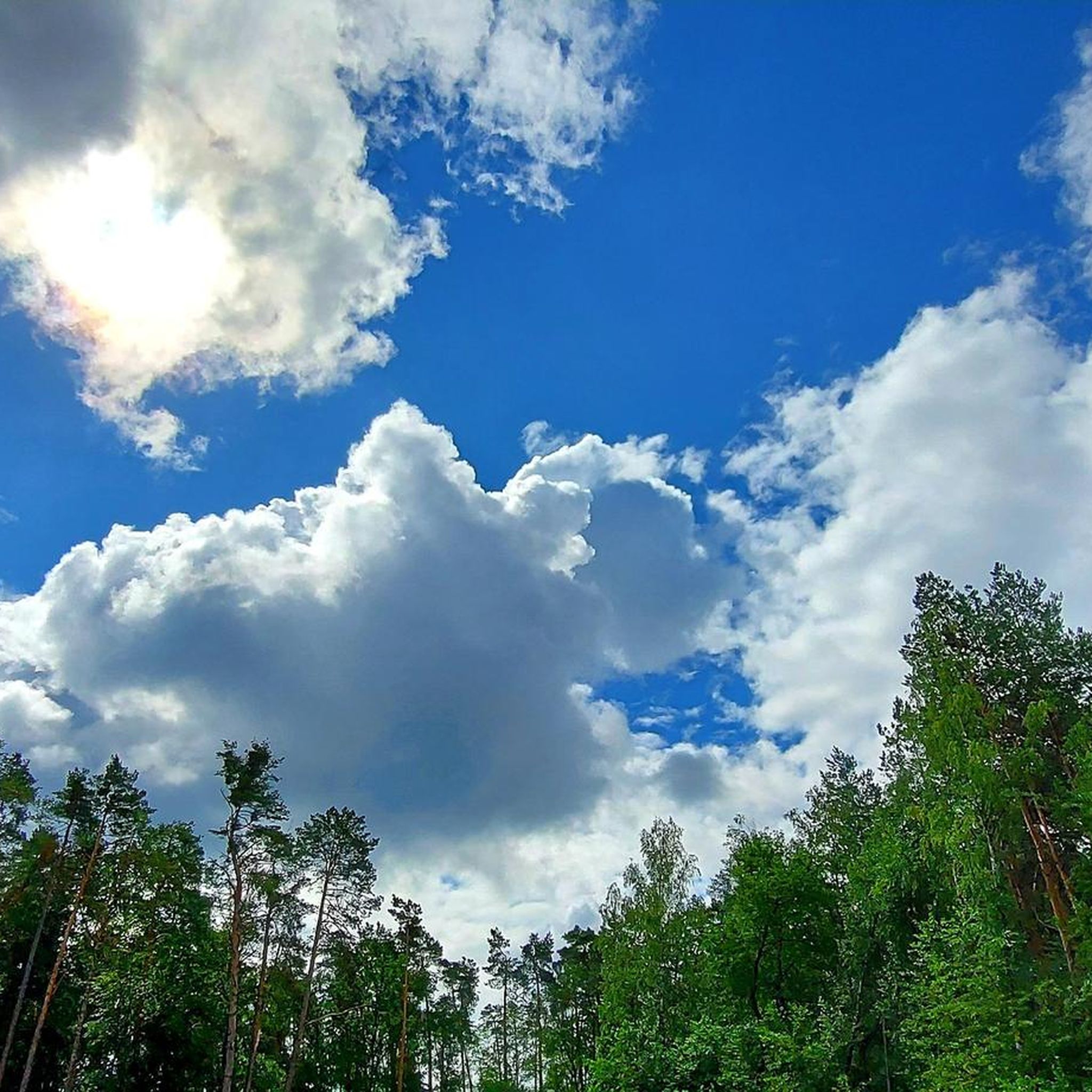
The Brzeźniczka Reserve was established in 1980. It is located in the central part of the Kozienicka Forest, along the Zagożdżonka River. It includes diversified oak and pine stands, as well as fragments of alder and riparian forests. Particularly valuable are the concentrations of Polish larch at the age of about 160 years, because they are the oldest specimens of this species in the Forest. The richly developed layer of undergrowth and undergrowth testifies to the natural origin of these forests. Protected plants: red helleborine, spotted orchid, wolfwort, juniper clubmoss. The area of the Brzeźniczka reserve is 120.64 ha, of which 30.34 ha in the Zwoleń Forest District.
0
0
Czarnolas is located on the Radom Plain in Zwoleń County, Policzna Commune, approximately 40 km from Radom. In the years 1975-1998, this town belonged administratively to the Radosko Voivodeship. From the mid-15th century, it was owned by the Kochanowski family for three generations. Since 1576, the place of permanent residence and creative work of Jan Kochanowski. In 1961, the Jan Kochanowski Biographical Museum was established in the 19th-century Jabłonowski manor house (a branch of the Jacek Malczewski Museum in Radom). In addition to memorabilia of the poet, his collection includes many works of art dedicated to Kochanowski. On the poet's estate there is a park with ponds and a neo-Gothic chapel with the tombs of the Jabłonowski and Lubomirski families from the 19th century. The park preserves numerous linden trees, hornbeams, exotic tree species and an oak - a natural monument. In place of the famous linden tree, mentioned in the poet's works, there is a 19th-century obelisk with the symbolic sarcophagus of Ursula - the poet's daughter and the bust of Piotr Kochanowski - his nephew. A monument to Jan Kochanowski, made in 1980 on the 450th anniversary of the poet's birth, was erected in front of the Museum. It is a 240 cm high bronze sculpture by Welter.
0
0
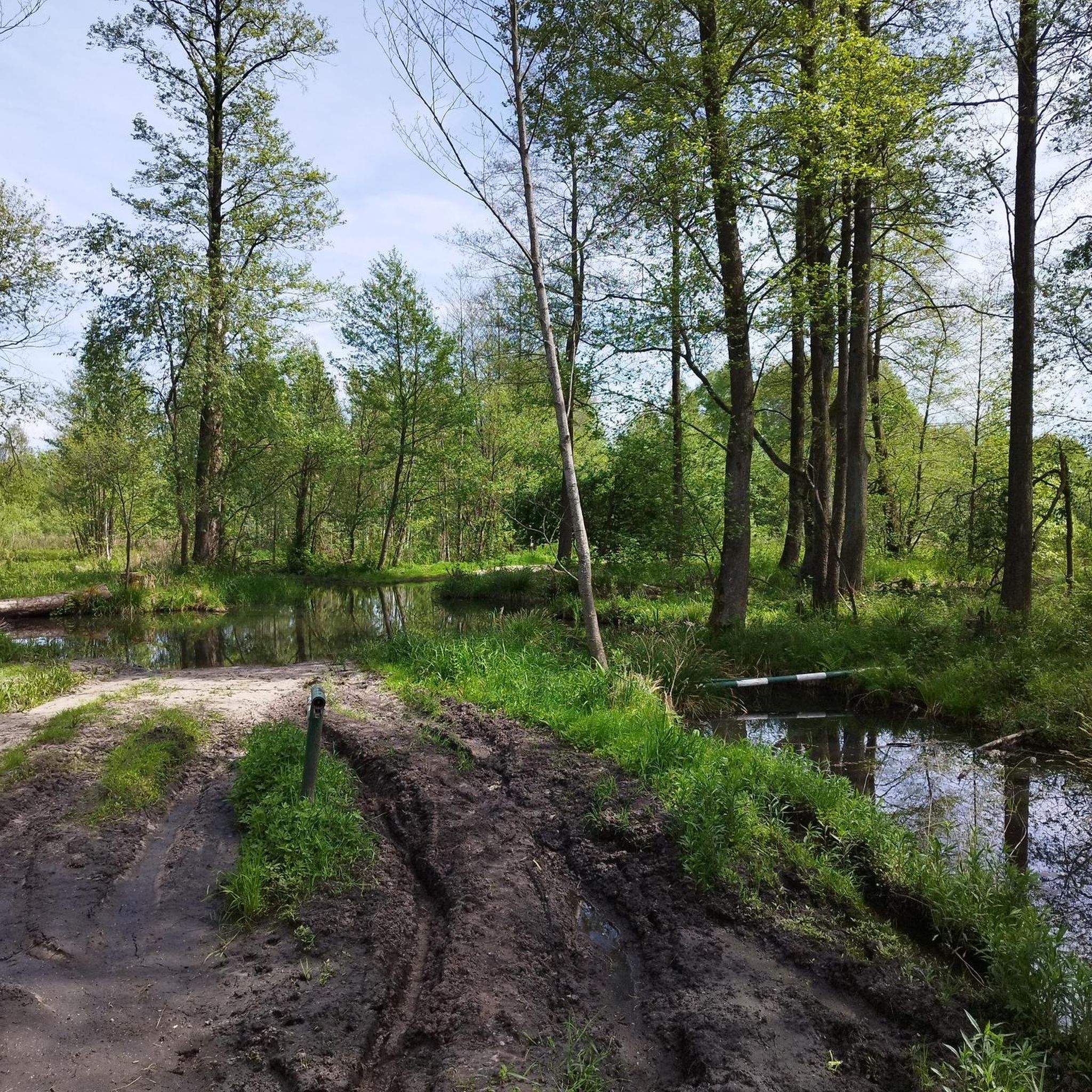
The "Royal Springs" path is part of the forest education program of the Kozienice Forest District. Its location near the "Royal Source" reserve allows you to learn about most of the issues related to forest management and the natural characteristics of the Forest District. Wandering along the path, we will experience many aesthetic impressions, we will get to know exceptionally beautiful nooks of nature, meet beavers and traces of their existence, drink water from the "Royal Spring", learn how the forest grows and how to protect it against harmful environmental factors. The total length of the path is 3 km (with the exception of the section along the Zagożdżonka river, it is also accessible to the disabled), and it will take about 2-3 hours to complete it. On the route there are: an information board, tourist shelters and 11 thematic points: 1. Narrow-gauge railway 2. Managed tree stand 3. A natural forest 4. The gorge of Zagożdżonka 5. Beaver gons 6. Royal Springs 7. Nature protection 8. How does the forest grow? 9. The method of forest renewal 10. The old ones were asleep 11. Forest protection against harmful insects Thanks to them, we can get acquainted with the location, short description, tasks of the Promotional Forest Complex and the Kozienice Landscape Park. We will learn about the events in the history of the Forest and forestry, problems resulting from the development of our civilization (environmental imbalance, disrupted water conditions, the impact of industry), and we will also learn about the natural wealth of the Forest (forest-forming species, rare and protected plants, the most valuable natural areas, of which nature reserves have been established). We will get acquainted with the basic rules of behavior in the forest.
1
0
The museum was opened in 1961. The exhibition then included a hall and four rooms. From 1975, a branch of the District Museum in Radom. From mid-February 2020, an independent facility [1]. The seat of the museum is the classicist, 19th-century Jabłonowski manor. It was designed by Jakub Kubicki. Rebuilt after a fire in 1904 by the next owner, Stanisław Zawadzki. A brick manor, plastered, one-story, on high basements. It houses the permanent exhibition of the museum. It is a biographical exhibition, occupying 6 museum rooms with an area of 250 m2. There are many editions of the poet's works, studies on his life and work, as well as some directly related mementos: an oak armchair with a coat of arms, covered with leather with an embossed pattern (kurdyban) and an iron door with the initials and the Korwin coat of arms, probably from a treasury burnt in the year 1720 of the poet's court. On the occasion of the 475th anniversary of birth in 2005, the Kochanowski chapel was renovated and new exhibitions were presented: "Rzeczpospolita Babińska" and "Mały Wawel". The manor complex is surrounded by a landscape park from the first half of the 19th century, designed by Józef Stich in the English style, rebuilt at the beginning of the 20th century by Stefan Celichowski.
0
0
Frequently Asked Questions
What types of attractions can I find around Policzna?
Policzna offers a blend of historical and natural attractions. You can explore significant cultural sites like the Jan Kochanowski Museum, dedicated to the renowned Polish Renaissance poet, and impressive natural reserves such as the Brzeźniczka Nature Reserve. The area also features various hiking and cycling trails, and other natural monuments.
What historical and cultural sites are there in Policzna?
The region is rich in history and culture. A must-visit is the Jan Kochanowski Museum in Czarnolas, housed in a 19th-century manor, showcasing the poet's life and works. You can also see the impressive Church of St. Stephen in Policzna, known for its Vistula Gothic Revival style and historical artifacts, including a late Renaissance polychrome fragment and the wooden epitaph of Andrzej Kochanowski.
Are there any significant natural reserves or features to explore?
Yes, Policzna boasts several natural highlights. The Brzeźniczka Nature Reserve protects diverse forests and aquatic life, including a rare dragonfly species. Another important site is the Okólny Ług Nature Reserve, established to protect the endangered European pond turtle and home to rare flora and fauna like nesting cranes and black storks. Additionally, the region is part of the Kozienice Landscape Park buffer zone.
What outdoor activities are available near Policzna?
Policzna is excellent for outdoor enthusiasts. You can enjoy hiking on marked trails like the 20.8 km Jan Kochanowski trail or the 107 km blue trail. Cycling is also popular, with routes such as the 50 km red route (R-01c Bartodzieje – Czarnolas) and the 51.5 km yellow route (R-34y Lesiów PKP – Czarnolas), many of which pass through forested areas. For more detailed routes, explore the easy hikes around Policzna or road cycling routes around Policzna.
Are there family-friendly attractions in the area?
Absolutely. The Jan Kochanowski Museum is categorized as family-friendly, offering an educational experience. The Królewskie Źródła Nature Trail is also family-friendly, with its wooden piers and thematic points, making it an engaging walk for all ages. The Kociołki Picnic and Rest Area provides a great spot for families to relax and enjoy nature.
What do visitors enjoy most about the attractions around Policzna?
Visitors particularly appreciate the blend of historical depth and natural beauty. The Brzeźniczka Nature Reserve is popular for its pristine forests, while the Jan Kochanowski Museum offers a fascinating glimpse into Polish literary history. The Królewskie Źródła Nature Trail is loved for its scenic path along the Zagożdżonka river and the refreshing 'Royal Springs'.
Are there easy hiking trails suitable for everyone?
Yes, there are several easy hiking options. The Królewskie Źródła Nature Trail is a 3 km path along the Zagożdżonka river, known for its wooden piers and educational points, and is accessible to most. You can find more easy routes, including the 'Nature and landscape trail "Krępiec"' and 'Królewskie Źródła Educational Trail', by exploring the easy hikes around Policzna guide.
Can I find cycling routes in Policzna?
Yes, Policzna offers dedicated cycling routes. There's a 50 km red route (R-01c Bartodzieje – Czarnolas) and a 51.5 km yellow route (R-34y Lesiów PKP – Czarnolas), with significant portions passing through forested areas. For more options, including road cycling, check out the Road Cycling Routes around Policzna guide.
Is the Przeździecki Palace accessible to visitors?
The Przeździecki Palace in Policzna, a beautiful 19th-century structure designed in the late French Renaissance style, is unfortunately not currently accessible to visitors. While it has a rich history, serving various purposes after 1945, it remains closed to the public at this time.
What is the best time of year to visit Policzna for outdoor activities?
The best time to visit Policzna for outdoor activities is generally during the spring, summer, and early autumn months (April to October). During these periods, the weather is most favorable for hiking, cycling, and exploring the nature reserves, allowing you to fully enjoy the region's natural beauty and trails.
Are there options for running trails near Policzna?
Yes, there are several running trails available. You can find routes like the 'Pionki Yellow Trail Loop' or 'Running loop from Garbatka-Letnisko'. For a comprehensive list of options, including various distances and difficulties, refer to the Running Trails around Policzna guide.
What kind of natural monuments can be found in the area?
The Gmina Policzna is home to 12 natural monuments, showcasing ancient and impressive trees. These include pedunculate oaks (ranging from 170-500 years old), common oaks (200-250 years old), small-leaved lindens (200 years old), a 200-year-old common maple, common hornbeams (90-200 years old), and a 120-year-old Weymouth pine. These ancient trees add to the region's natural heritage.
Is there a place to picnic or rest near the attractions?
Yes, the Kociołki Picnic and Rest Area is an excellent spot. Located at the 'Royal Springs' Reserve, it features several large wooden shelters with benches and a designated area for fires. There's also a parking lot nearby, and during the summer season, a bar opens on the premises. An old narrow-gauge locomotive is also on display, adding to its charm.
Most popular attractions around Policzna

Get inspired with the komoot mobile app


Explore more
Still not found the Highlight you’re looking for? See guides of the top attractions in other regions:
