Attractions and Places To See around Tłuszcz - Top 20
Attractions and places to see around Tłuszcz, located in Poland's Masovian Voivodeship, offer a mix of historical, cultural, and natural features. Situated approximately 30 kilometers from Warsaw, the town is set by the Cienka River. The area includes parks, green spaces, and forests, providing opportunities for outdoor exploration.
Best attractions and places to see around Tłuszcz
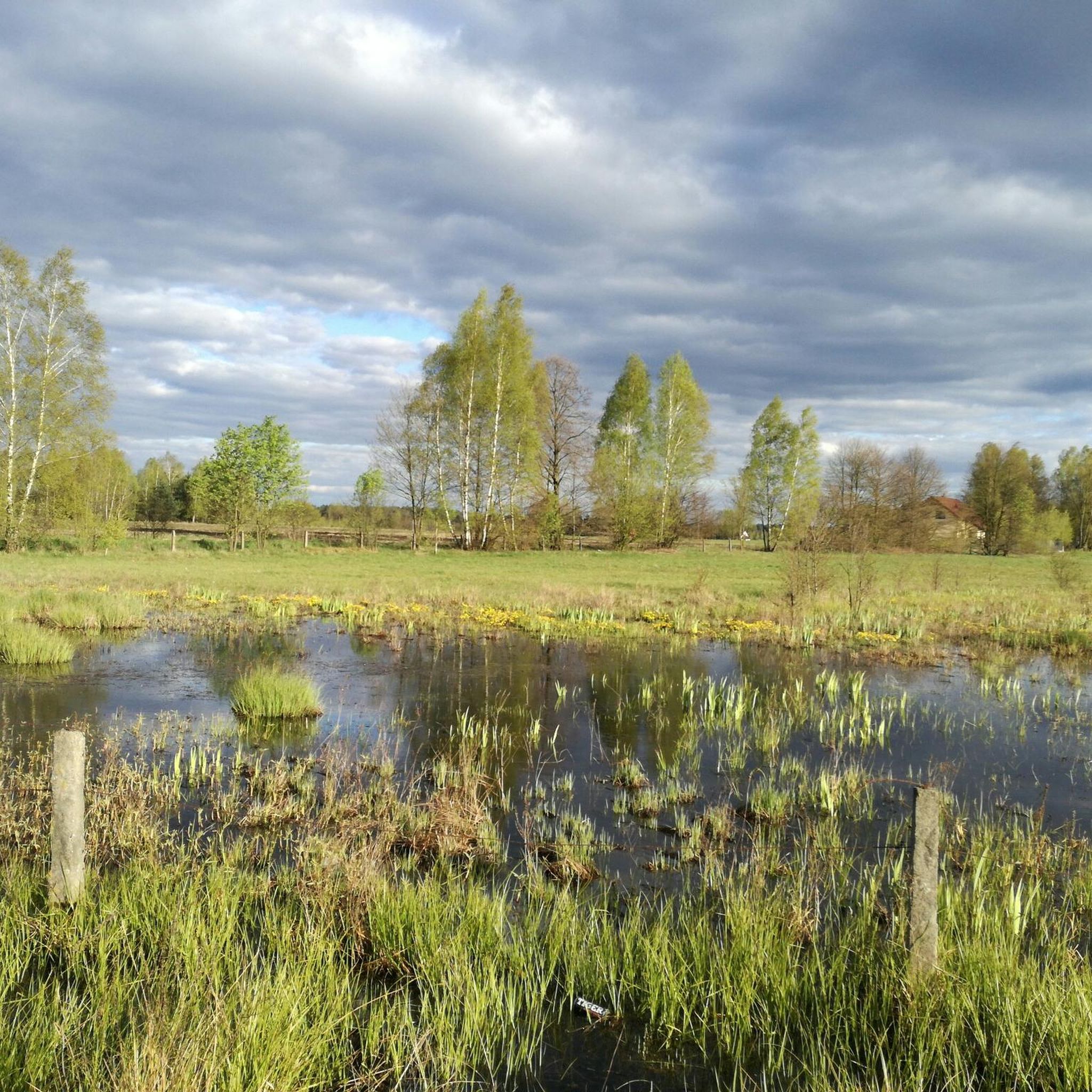
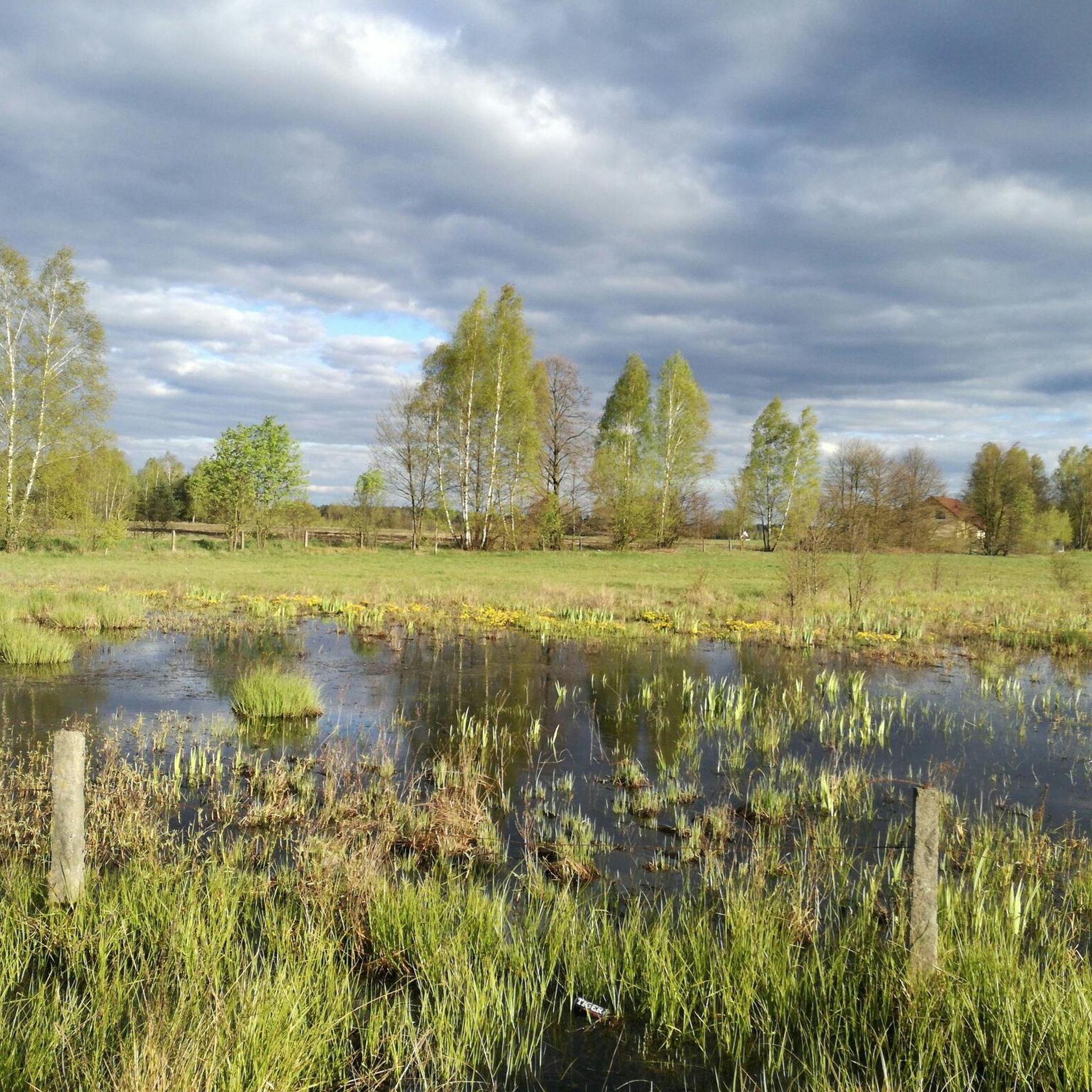
- The most popular attractions is Flooded Crossing with Concrete Beam, an other man-made feature that involves navigating a shallow ford. It is known…
Last updated: July 15, 2026
Flooded Crossing with Concrete Beam
Highlight • Structure
Tip by

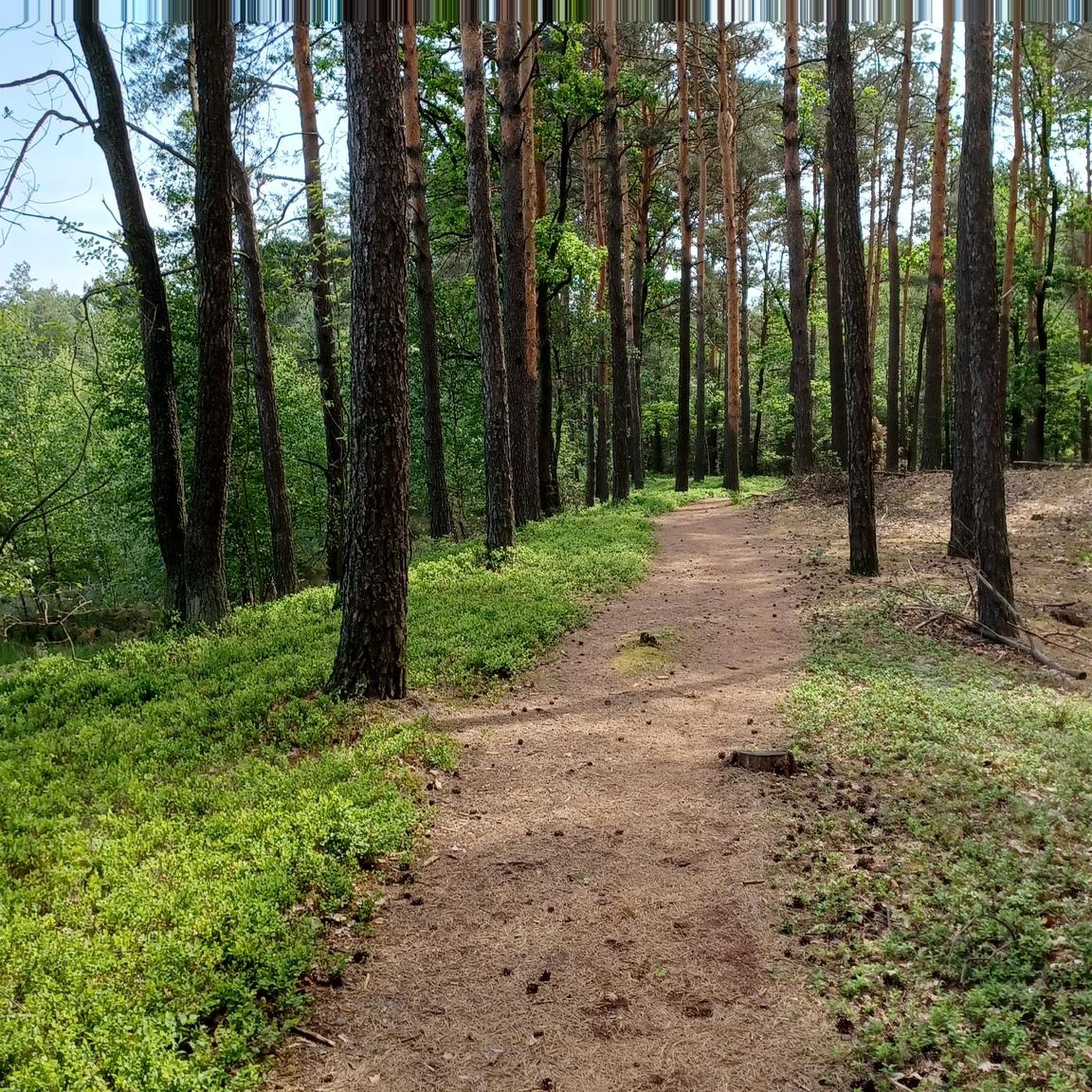
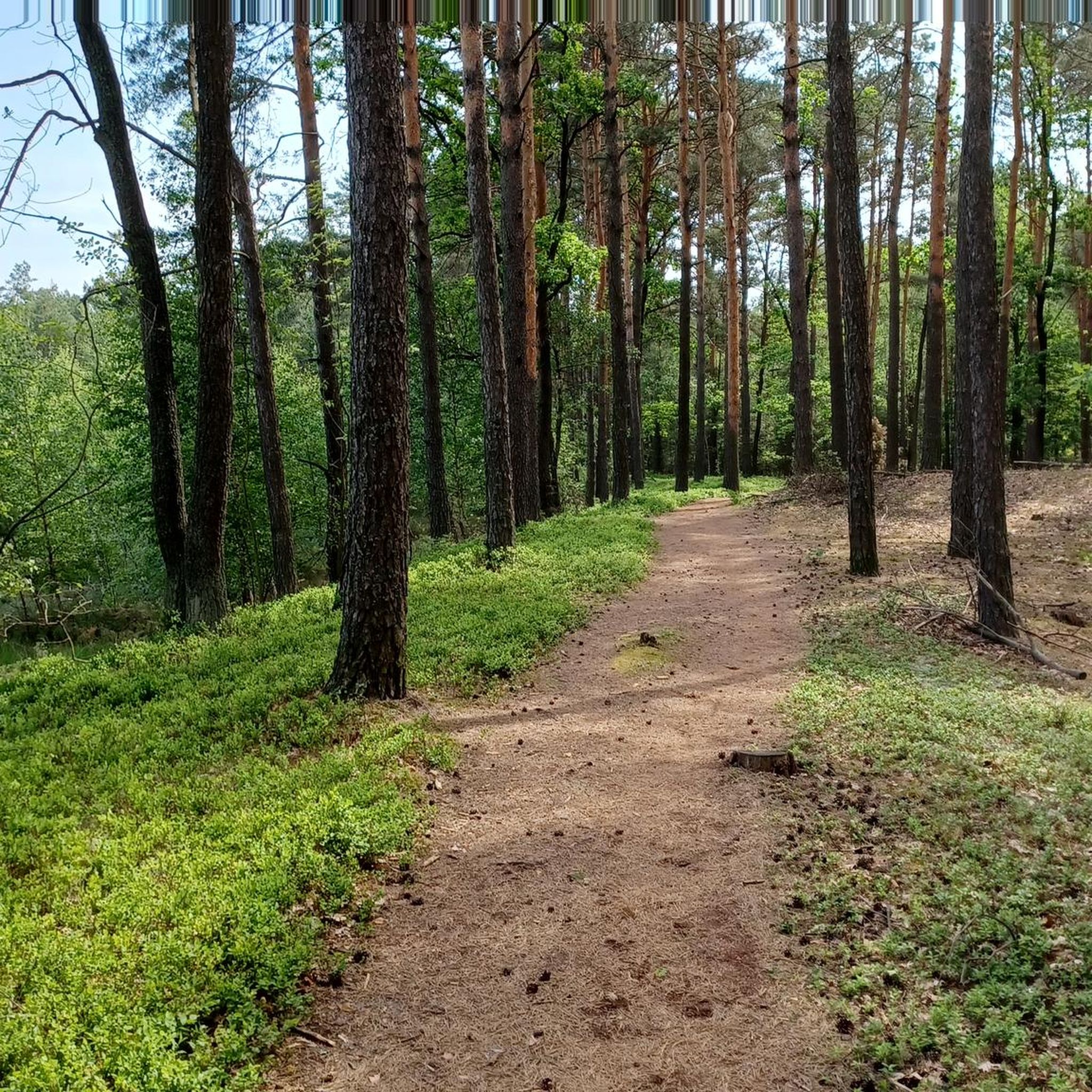
Śliże Nature Reserve
Highlight • Natural Monument
Translated by Google •
Tip by

Sign up now to discover places like this
Get recommendations on the best single tracks, peaks, & plenty of other exciting outdoor places.
Sign up for free
Cross at the Intersection
Highlight • Monument
Translated by Google •
Tip by

Fiszor Ford
Highlight • River
Translated by Google •
Tip by

Cyprian Kamil Norwid Museum in Dębinki
Highlight • Historical Site
Sign up for free to discover even more attractions around Tłuszcz.
Sign up for free
Already have an account?
Start today with a free account
Your next adventure awaits.
Login or Signup
Tips from the Community

The Cyprian Norwid Museum in Dębinki is a state cultural institution established on August 25, 2021 by resolutions of the Wyszków County Council, the Zabrodzie Commune Council, and the Museion Norwid Foundation. The Ministry of Culture and National Heritage is also a co-organizer of the newly established institution.
0
0

Cobbled, uneven bottom, recommended flip-flops and a bike on your shoulder, but I saw people who rode it 😉
0
0
Ford through Fiszor. A classic point for Mazovian Gravel. You can go barefoot or in shoes, which will dry out during the rest of the ride.
0
0

It's not too deep, maybe 0.5m. There's also a concrete post lying on which you can lean, so it's a real luxury 😁
0
0

Currently (October 2024) the museum is undergoing renovation
0
0

Moderately difficult dirt road, nice lake and forest, before entering the reserve it is worth driving up and seeing the old Jewish cemetery. The prettiest times there are Spring and Autumn. A nice break from the asphalt route.
1
0

You can walk on the concrete pillars on the side and bike on the water
0
0

Quite an interesting place, although today it was quite deep and even this narrow wall was difficult to get to. Not to mention the mud along the way.
0
0
Frequently Asked Questions
What natural attractions can I explore in and around Tłuszcz?
Tłuszcz is situated by the Cienka River and offers various green spaces. A notable natural attraction is the Śliże Nature Reserve, a peat bog protecting two overgrowing dystrophic lakes, featuring a singletrack trail through its forest. The surrounding area also includes forests and nature reserves rich in wildlife.
Are there hiking trails available near Tłuszcz's attractions?
Yes, the Tłuszcz area offers several hiking opportunities. You can find various routes, including easy and moderate options, such as the 'Heather Field loop from Mostówka' or the 'Fiszor loop from Gaj'. For more detailed information on hiking trails, you can explore the Hiking around Tłuszcz guide or the Easy hikes around Tłuszcz guide.
What historical landmarks can I visit in Tłuszcz?
Tłuszcz boasts several historical landmarks. You can visit the Museum of Tłuszcz Land, the Transfiguration of Jesus Church (erected in 1932), a 19th-century Water Tower, and the historic Tłuszcz Railway Station. The Church of St. John the Baptist is also noted for its stunning Gothic architecture. Outside the town, the Palace Complex in Chrzęsne dates back to the 16th century, and the Historic Mill "Nowość" in Niegów offers a glimpse into early 20th-century industrial heritage.
What cultural experiences does Tłuszcz offer?
Tłuszcz hosts cultural events such as 'Feasts with Book' (Biesiady z Książką), an annual mass event in February and March involving numerous printing houses, authors, and artists. The Museum of Tłuszcz Land also showcases the rich traditions, history, culture, and ethnography of the area.
Are there family-friendly outdoor activities in Tłuszcz?
The region around Tłuszcz offers parks and serene landscapes perfect for leisurely strolls and picnics. The Anastazew–Mostówka Forest Road is considered family-friendly and picturesque, especially in autumn. Exploring the nearby forests and nature reserves can also be a great family activity.
When is the best time to visit Tłuszcz for outdoor activities?
Visitor tips suggest that Spring and Autumn are the prettiest times to visit the Śliże Nature Reserve. Generally, these seasons offer pleasant weather for exploring forests, parks, and hiking trails around Tłuszcz.
What unique outdoor challenges can I find near Tłuszcz?
For those seeking unique challenges, Tłuszcz offers interesting river crossings. The Flooded Crossing with Concrete Beam involves navigating a shallow ford, sometimes using a concrete pole when water levels are low. The Fiszor Ford is known for its depth, often reaching knee-level, with a bottom strewn with rubble, making it a challenging passage.
Are there cycling routes available around Tłuszcz?
Yes, Tłuszcz is a good starting point for road cycling. You can find various routes, including moderate options like the 'Long Straight Stretch of Asphalt – Bridge Over the Rządza River loop from Jasienica Mazowiecka' or the 'Cows in Strumień – Niegów Palace loop from Tłuszcz'. More details are available in the Road Cycling Routes around Tłuszcz guide.
What do visitors enjoy most about the attractions around Tłuszcz?
Visitors appreciate the unique challenges of the flooded crossings, the serene beauty of the Śliże Nature Reserve with its singletrack trail, and the picturesque forest roads like the Anastazew–Mostówka Forest Road. The blend of historical sites and natural landscapes also provides a diverse experience.
How can I reach the attractions in Tłuszcz using public transport?
Tłuszcz has a significant historical railway station, established in 1862, indicating train connections. As it's approximately 30 kilometers from Warsaw, regional train services are likely available to reach the town center. Local buses or taxis may then connect to specific attractions, though detailed public transport information for individual sites would require local inquiry.
Are there accommodation options available in Tłuszcz?
While specific guesthouses are not detailed in the provided information, as a town approximately 30 kilometers from Warsaw, Tłuszcz and its surrounding areas typically offer various accommodation options, including guesthouses, small hotels, or agritourism stays, catering to visitors exploring the region.

Get inspired with the komoot mobile app


Explore more
Still not found the Highlight you’re looking for? See guides of the top attractions in other regions:
