Attractions and Places To See around Suchożebry - Top 20
Best attractions and places to see around Suchożebry offer a blend of historical landmarks, cultural sites, and natural beauty. The region features tranquil rural landscapes, historical manors, and quaint churches, providing a glimpse into Mazovian heritage. Visitors can explore the highly meandering Liwiec River Valley, recognized for its significant natural value and diverse flora and fauna. The area's forests and historic manor parks further contribute to its appeal for those interested in nature and history.
Best attractions and places to…
Last updated: May 4, 2026
Church of the Assumption of the Blessed Virgin Mary, Niwiski
Highlight • Religious Site
Translated by Google •
Tip by

Manor in Ostrówek
Highlight • Historical Site
Translated by Google •
Tip by

Sign up now to discover places like this
Get recommendations on the best single tracks, peaks, & plenty of other exciting outdoor places.
Sign up for free
Tenement houses by the Cathedral of the Immaculate Conception of the Blessed Virgin Mary
Highlight • Settlement
Translated by Google •
Tip by
Broszkowskie Ponds Nature Reserve
Highlight • Natural Monument
Translated by Google •
Tip by

Moose Statue
Highlight • Monument
Translated by Google •
Tip by
Sign up for free to discover even more attractions around Suchożebry.
Sign up for free
Already have an account?
Start today with a free account
Your next adventure awaits.
Login or Signup
Tips from the Community

The Church of the Assumption of the Blessed Virgin Mary in Niwiska is a classicist church from 1787, founded by Kazimierz Ossoliński, chamberlain of Mielnik. Built as a single-nave hall building, it was consecrated in 1904 by the Bishop of Lublin, Franciszek Jaczewski. Located in the center of the village, at ul. Rynek 5, it is an important point on the bicycle route through Mazovia. For road cyclists, access is convenient, and the area offers quiet roads with little traffic. It is worth taking a bike lock to safely visit the interior of the church and relax in the nearby market square.
0
0

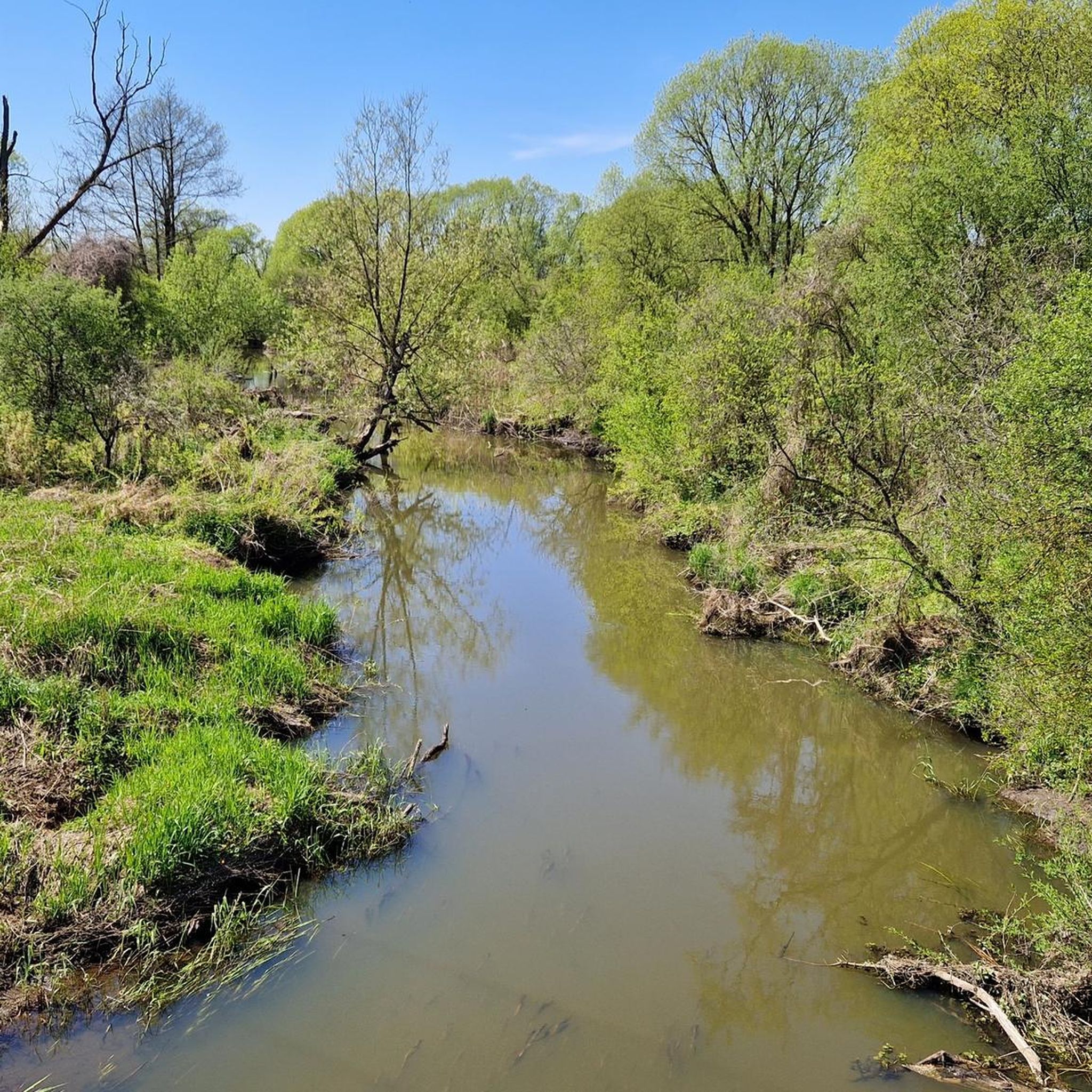
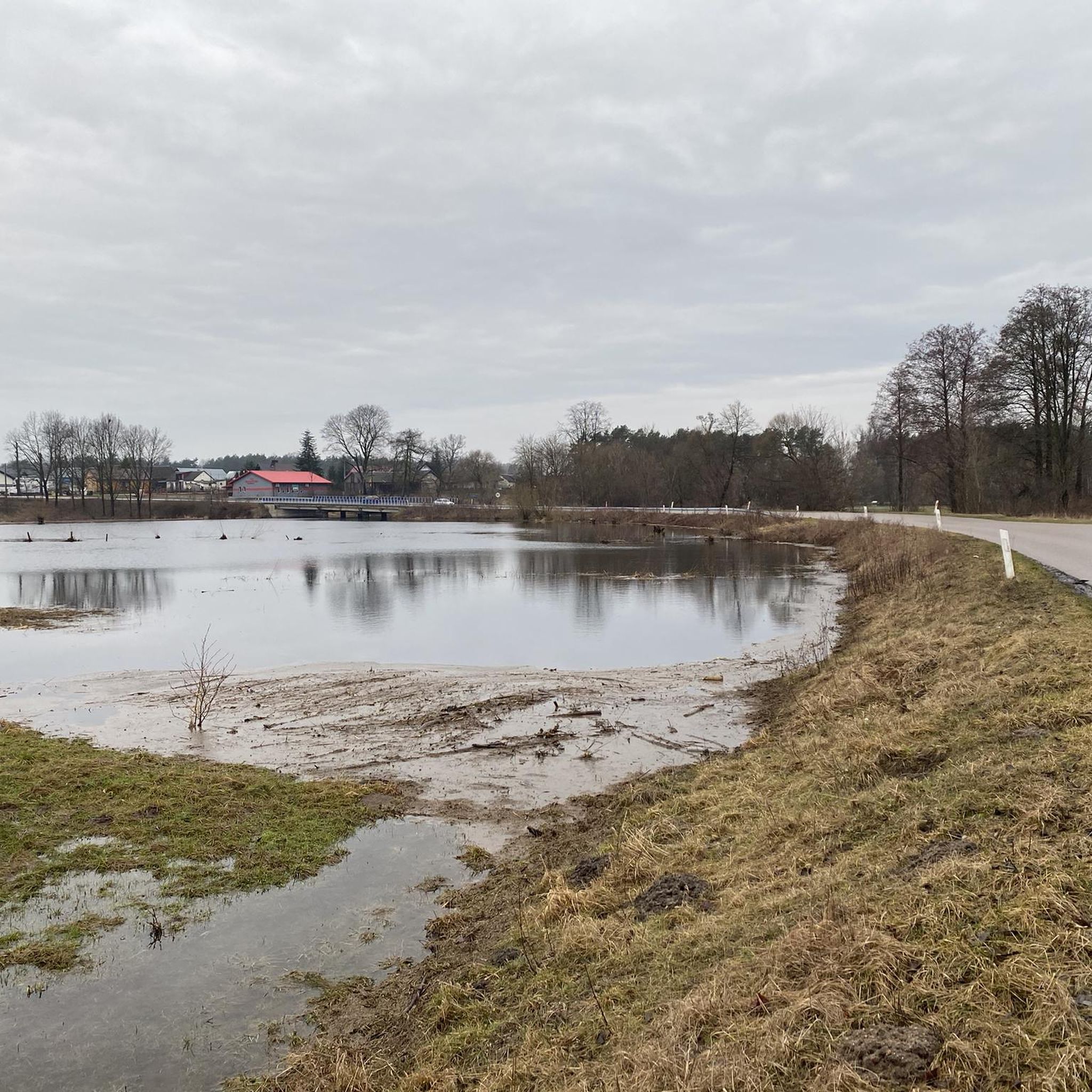
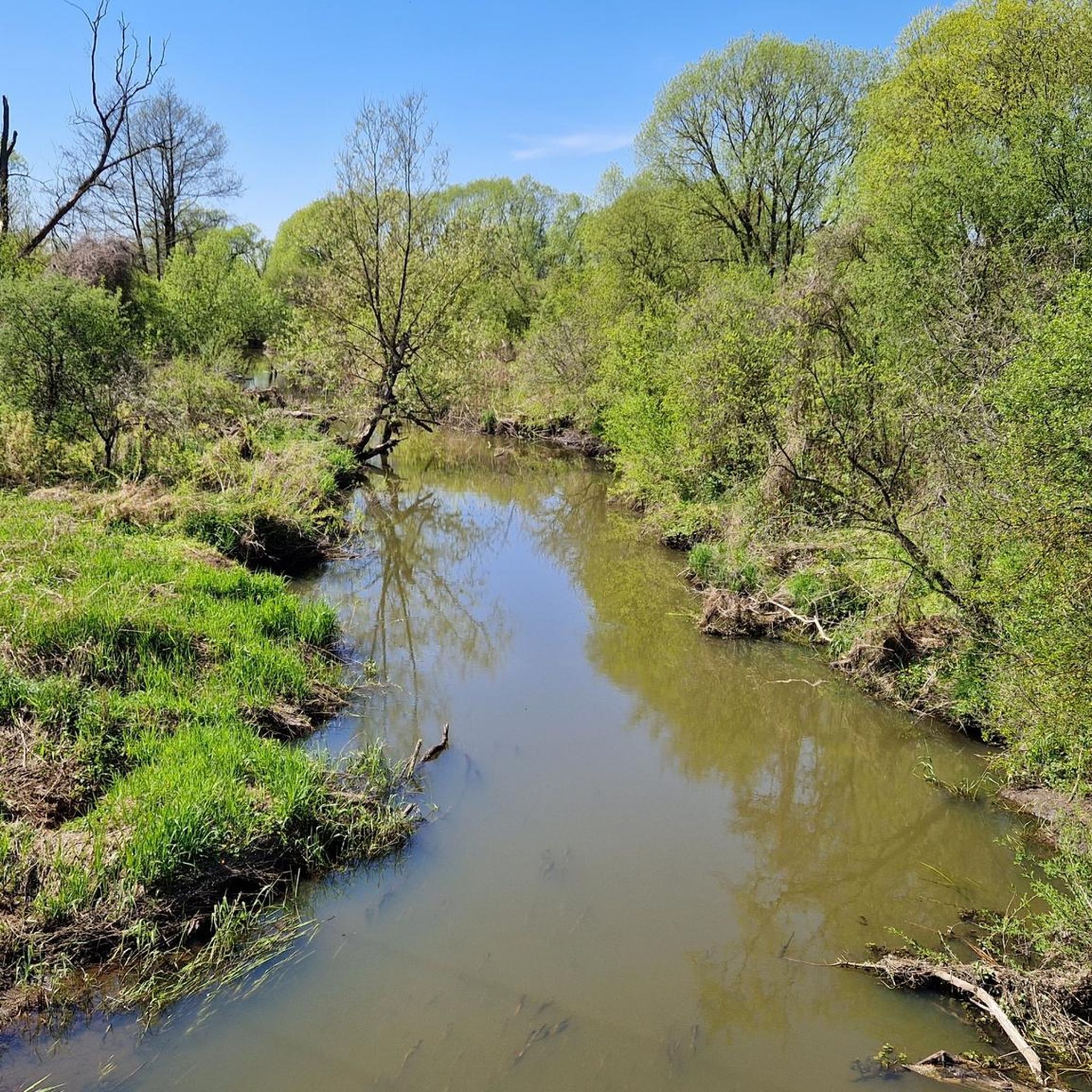
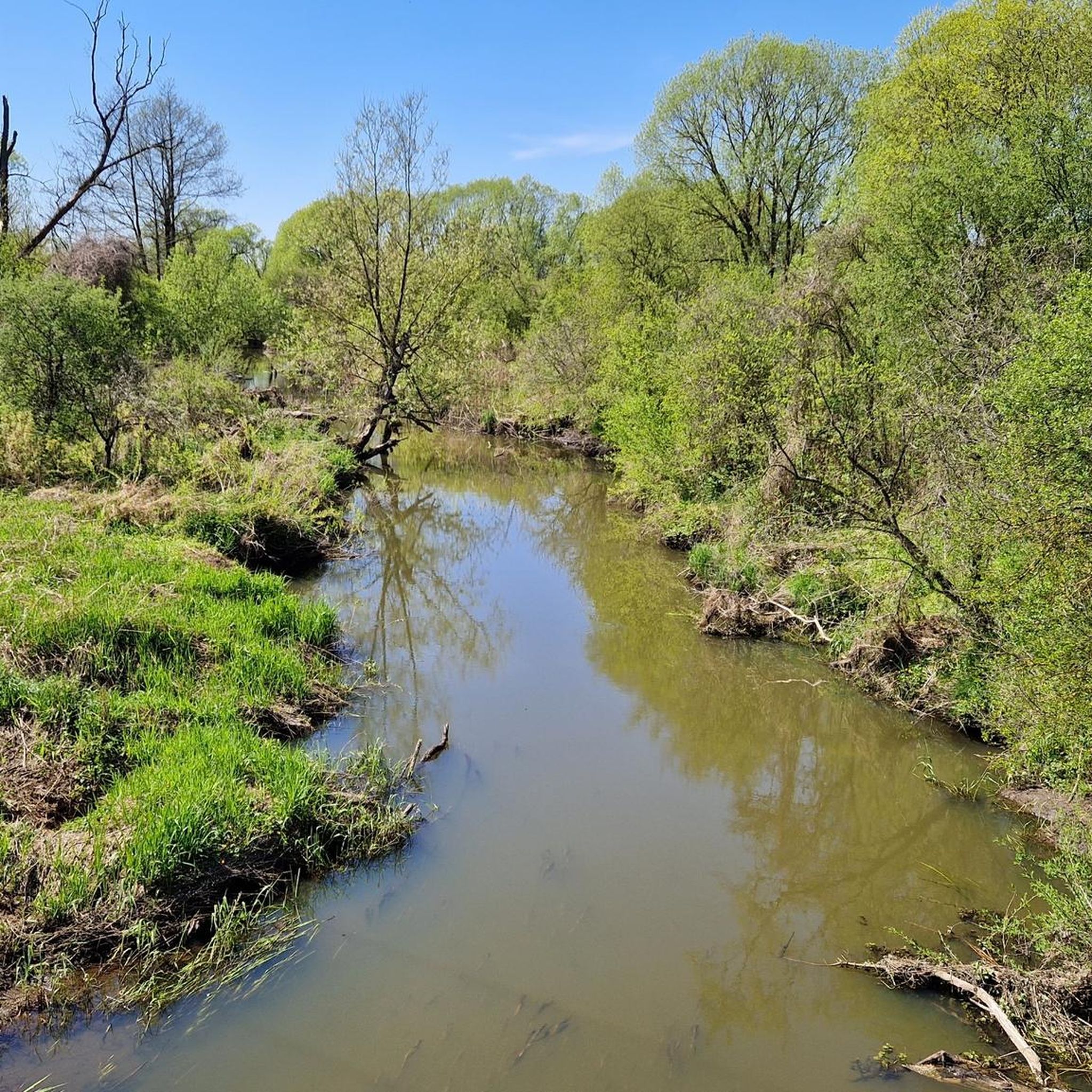
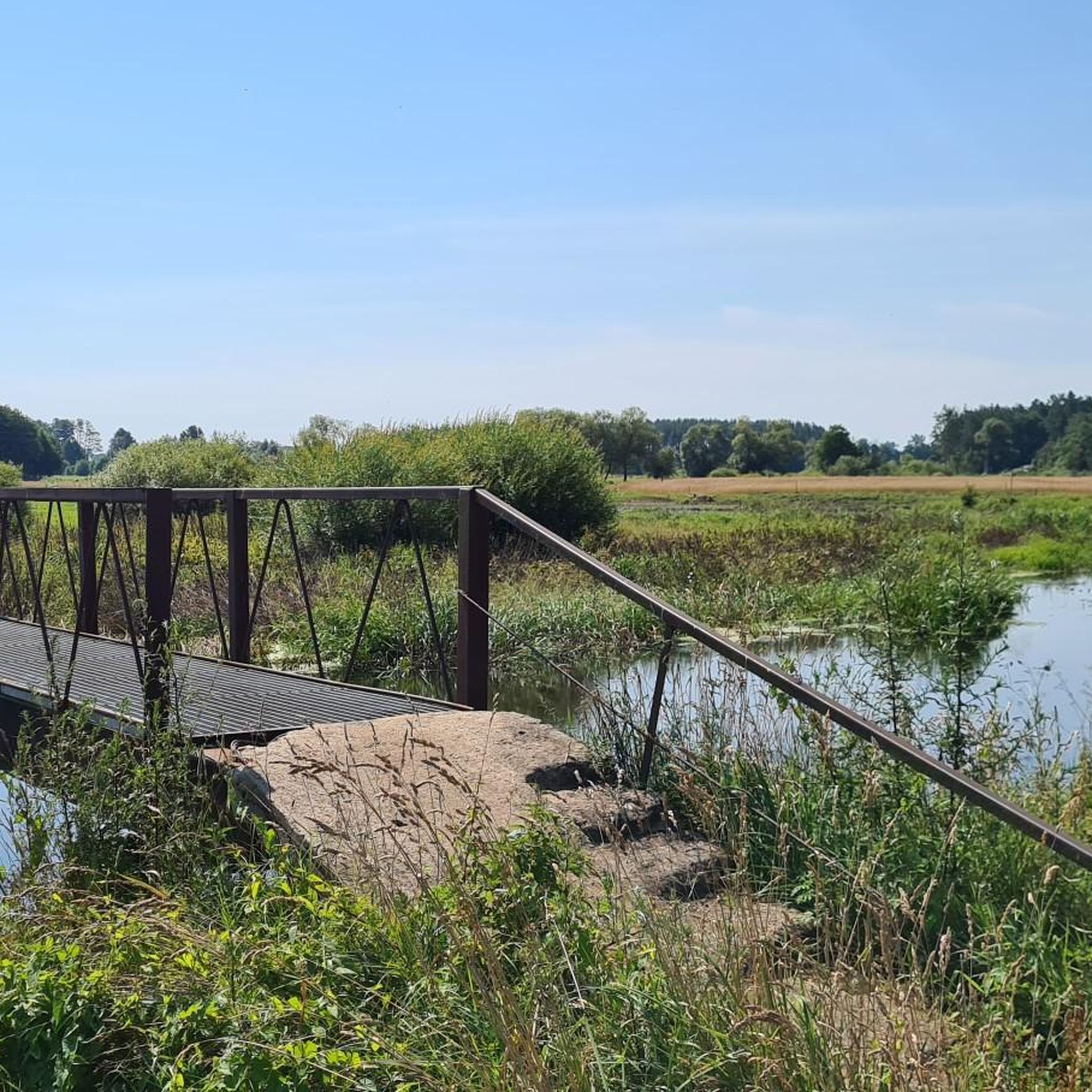
Watch out for frogs! Frogs return to their ponds to mate, be careful not to step on them or run them over with your bike.
0
0

The Ostrówek estate, covering 353 ha, was owned by Stanisław Lipiński in the late 1920s. The manor house was built in 1923 in the style of a baroque-classicist Polish manor house. The building is single-storey with a usable attic, covered with a hipped roof with an extension on the axis topped with a wavy gable. The gable shows the date of construction above an oval window. The entrance is preceded by a balcony supported by two pairs of spindle-shaped columns. The manor house was probably built as a result of the expansion of an older building, a fragment of which survived as an annex to a newer building. The Ostrówek Manor House, built in 1923, reopened after a hundred years. The building changed its function from residential to cultural and social, which contributed to the popularisation of this place and the promotion of the entire area.
0
0

Monumental cathedral visible from afar
1
0
They are located near the Cathedral of the Immaculate Conception of the Blessed Virgin Mary
1
0
Cathedral of the Immaculate Conception of the Blessed Virgin Mary in Siedlce. A brick church in the neo-Gothic style with a Latin cross plan according to the design of the provincial architect Zygmunt Zdański. Built in the years 1906–1912, at the initiative of Father Józef Scipio del Campo on a square donated by Ludwik Górski on behalf of the Land Credit Society. Consecrated on September 21, 1913 by Franciszek Jaczewski, Bishop of Lublin. Cathedral since January 25, 1924 by a papal bull of the Holy See. Finally finished in 1928 at the initiative of Father Julian Ryster from donations from the clergy and faithful on the occasion of the 10th anniversary of the resurrection of the diocese. In 1928 Dominik Biernacki completed the construction of the organ, which he had begun in 1914. During World War II, the stained glass windows were destroyed, later restored. The church underwent a thorough renovation in 1997–1998 (before the pilgrimage of Pope John Paul II in 1999, during which he visited Siedlce), when the presbytery was restored (replacement of the floor, transfer of the tabernacle) and a new stained glass window was made in the central window of the pediment.
1
0

The cathedral was designed by Zygmunt Zdański, the then provincial architect. Built in 1905-1912 on the square donated by Ludwik Górski on behalf of the Land Credit Society. Cathedral Church of St. The Immaculate Conception of the Blessed Virgin Mary was built in the neo-Gothic style on a Latin cross plan. In the fall of 1912, the cathedral was consecrated by Fr. J. Scipio del Campo. Dimensions: 52 m long and 19 m wide, the height of the main nave 16.5 m, the height of the towers 75 m. The stained glass windows are very characteristic of the church, destroyed during World War II and rebuilt again.
1
0
The idea of erecting a sculpture of a moose came from hunters gathered in the district association in Siedlce. The occasion was the 90th anniversary of the establishment of the Polish Hunting Association in 2013. The life-size statue of a moose was created by the sculptor Eugeniusz Ochnio. The bronze casting was made by Zbigniew Fudalski's foundry from Karolina near Góra Kalwaria.
0
0
Frequently Asked Questions
What kind of attractions can I expect to find around Suchożebry?
The Suchożebry area offers a diverse range of attractions, blending historical landmarks, cultural sites, and natural beauty. You'll find tranquil rural landscapes, historical manors, quaint churches, and significant natural areas like the Liwiec River Valley.
What are some historical sites worth visiting in the Suchożebry area?
You can explore several historical sites, including the Manor in Ostrówek, a restored Baroque-Classicist manor house from 1923 that now serves a cultural purpose. Other notable historical sites in the broader region include the Classical Manor House in Wola Suchożebrska (built 1835) and the early medieval Ring-shaped Gród in Podnieśno, an 11th-century fortified settlement.
Are there any significant natural areas or reserves to explore near Suchożebry?
Yes, the region is rich in natural beauty. The Gmina Suchożebry is situated within the highly meandering Liwiec River Valley, recognized for its significant natural and landscape value and part of the Natura 2000 network. You can also visit the Broszkowskie Ponds Nature Reserve, known for its diverse wildlife, including frogs. The area also features forests with various bird species and historic manor parks in Wola Suchożebrska and Krynica.
What religious landmarks can I visit around Suchożebry?
The area features several significant religious buildings. The Church of the Assumption of the Blessed Virgin Mary in Niwiska, a classicist church founded in 1787, is an important point along local bicycle routes. Within Suchożebry itself, the Church of St. Mary Magdalene, dating from 1772-1782, is another notable architectural landmark.
Are there family-friendly attractions around Suchożebry?
Many attractions in the area are suitable for families. The Church of the Assumption of the Blessed Virgin Mary in Niwiska, the Manor in Ostrówek, and the Broszkowskie Ponds Nature Reserve are all categorized as family-friendly. The natural areas, such as the Liwiec River Valley and local forests, also offer opportunities for family outings and exploration.
What do visitors particularly enjoy about the attractions near Suchożebry?
Visitors appreciate the blend of historical sites, religious buildings, and natural monuments. The serene natural environments, like the Broszkowskie Ponds, are popular for their wildlife. The historical manors and churches offer insights into Mazovian heritage. The komoot community has shared 9 photos and 18 upvotes, highlighting the area's appeal.
What outdoor activities can I do near these attractions?
The Suchożebry area is excellent for outdoor activities, especially cycling. You can find numerous routes for gravel biking, road cycling, and mountain biking. For example, explore routes like the 'Liwiec River – Niwiski Ecological Mill loop' or the 'Mały Siedlecki Singletrack'. You can find more details and routes in the Gravel biking around Suchożebry, Road Cycling Routes around Suchożebry, and MTB Trails around Suchożebry guides.
Are there specific cycling routes that pass by historical or natural sites?
Yes, the Church of the Assumption of the Blessed Virgin Mary in Niwiska is noted as an important point along bicycle routes through Mazovia. The region's quiet roads and scenic landscapes, particularly along the Liwiec River, make it ideal for combining cycling with sightseeing. Many routes in the area offer views of the rural landscape and access to historical points.
What is the best time to visit Suchożebry for outdoor activities?
While specific data isn't provided, the region's natural beauty, including the Liwiec River Valley and forests, suggests that spring, summer, and early autumn would be ideal for outdoor activities like cycling and exploring historical sites, offering pleasant weather and vibrant scenery. Winter might offer different, quieter experiences, especially in the forested areas.
Are there any unique or lesser-known attractions in the Suchożebry area?
Beyond the main highlights, the region's charm lies in its tranquil rural landscapes and historical manors. The Moose Statue, a life-size bronze sculpture created to commemorate the 90th anniversary of the Polish Hunting Association, offers a unique photo opportunity. Exploring the small villages and their local churches, like the Church of St. Mary Magdalene in Suchożebry, can also reveal hidden gems.
Can I find places for walking or easy hiking around Suchożebry?
The natural areas, including the Liwiec River Valley and the local forests, provide opportunities for walking and easy hiking. While specific marked hiking trails aren't detailed, the quiet rural roads and paths through the forests and near the Broszkowskie Ponds are suitable for leisurely strolls and exploring the diverse flora and fauna. The nearby cycling guides also feature routes with varying difficulty levels, some of which can be adapted for walking.

Get inspired with the komoot mobile app


Explore more
Still not found the Highlight you’re looking for? See guides of the top attractions in other regions:
