Attractions and Places To See around gmina Pokrzywnica - Top 20
Best attractions and places to see around gmina Pokrzywnica include a diverse range of notable landmarks, natural features, and cultural sites. Situated in the central part of Mazowieckie Voivodeship, the region is bordered by the Narew River, which offers picturesque meadows and oxbow lakes. Protected areas such as the Nadbużański Landscape Park and the Nasielsko-Karniewski Protected Landscape Area preserve the local natural environment. The area provides opportunities to explore both historical structures and significant natural landscapes.
Best attractions and places…
Last updated: May 20, 2026
Dębe Hydroelectric Power Plant
Highlight • Monument
Translated by Google •
Tip by

Pułtusk Town Hall Tower
Highlight • Historical Site
Translated by Google •
Tip by

Sign up now to discover places like this
Get recommendations on the best single tracks, peaks, & plenty of other exciting outdoor places.
Sign up for free
Bridge over the Narew River
Highlight • Bridge
Translated by Google •
Tip by

Pułtusk Market Square
Highlight • Historical Site
Translated by Google •
Tip by

Church of the Annunciation of the Blessed Virgin Mary in Serock
Highlight • Religious Site
Translated by Google •
Tip by

Sign up for free to discover even more attractions around gmina Pokrzywnica.
Sign up for free
Already have an account?
Start today with a free account
Your next adventure awaits.
Login or Signup
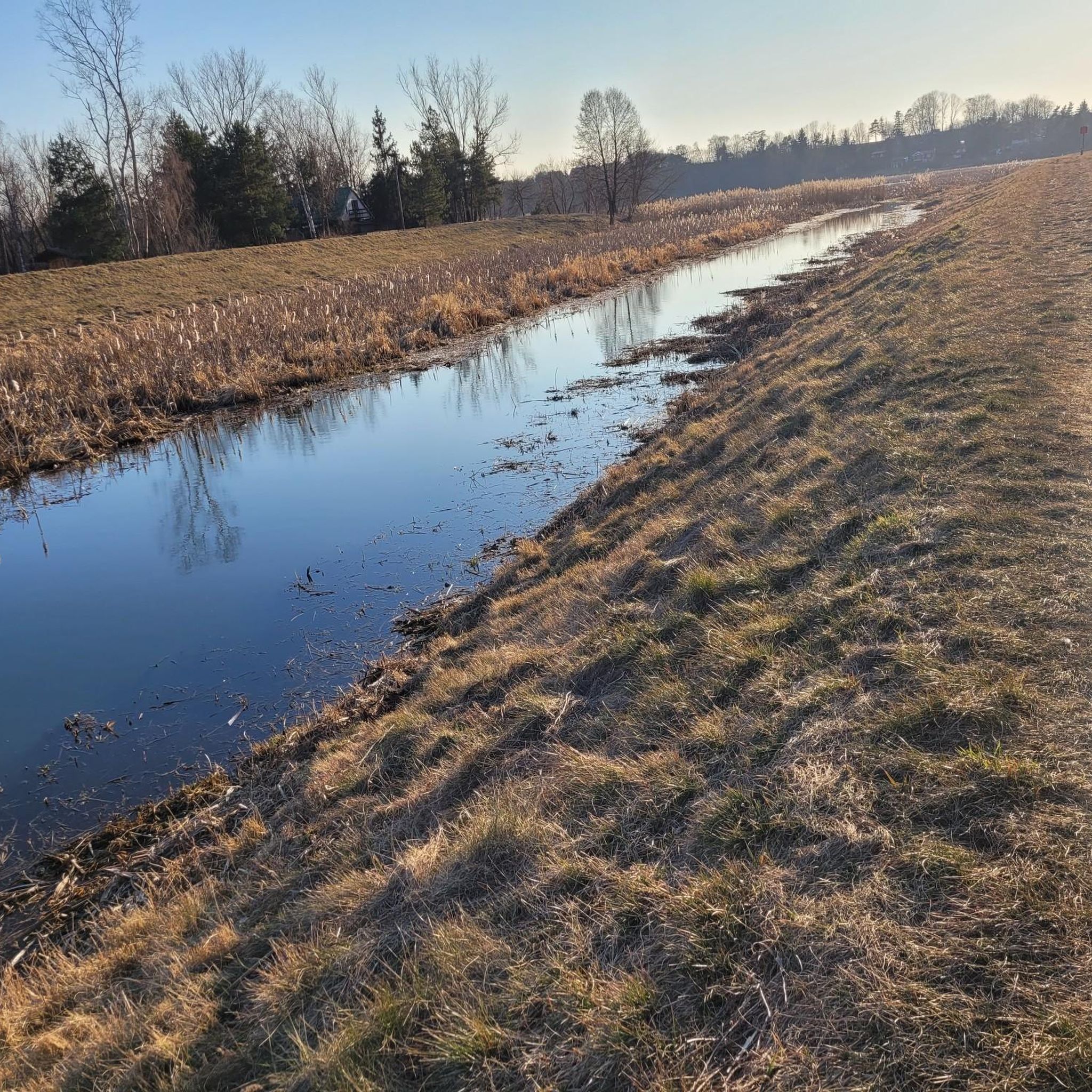
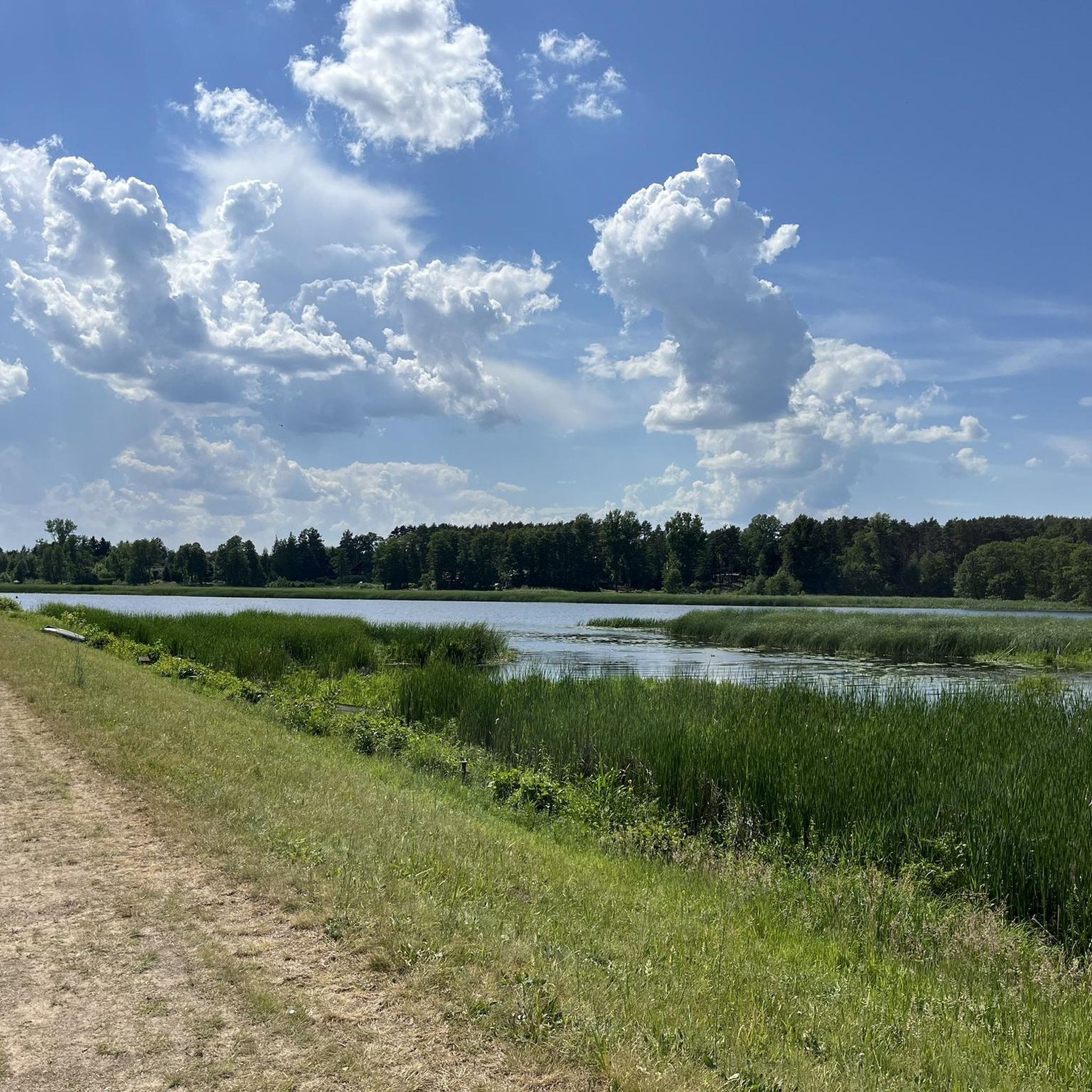
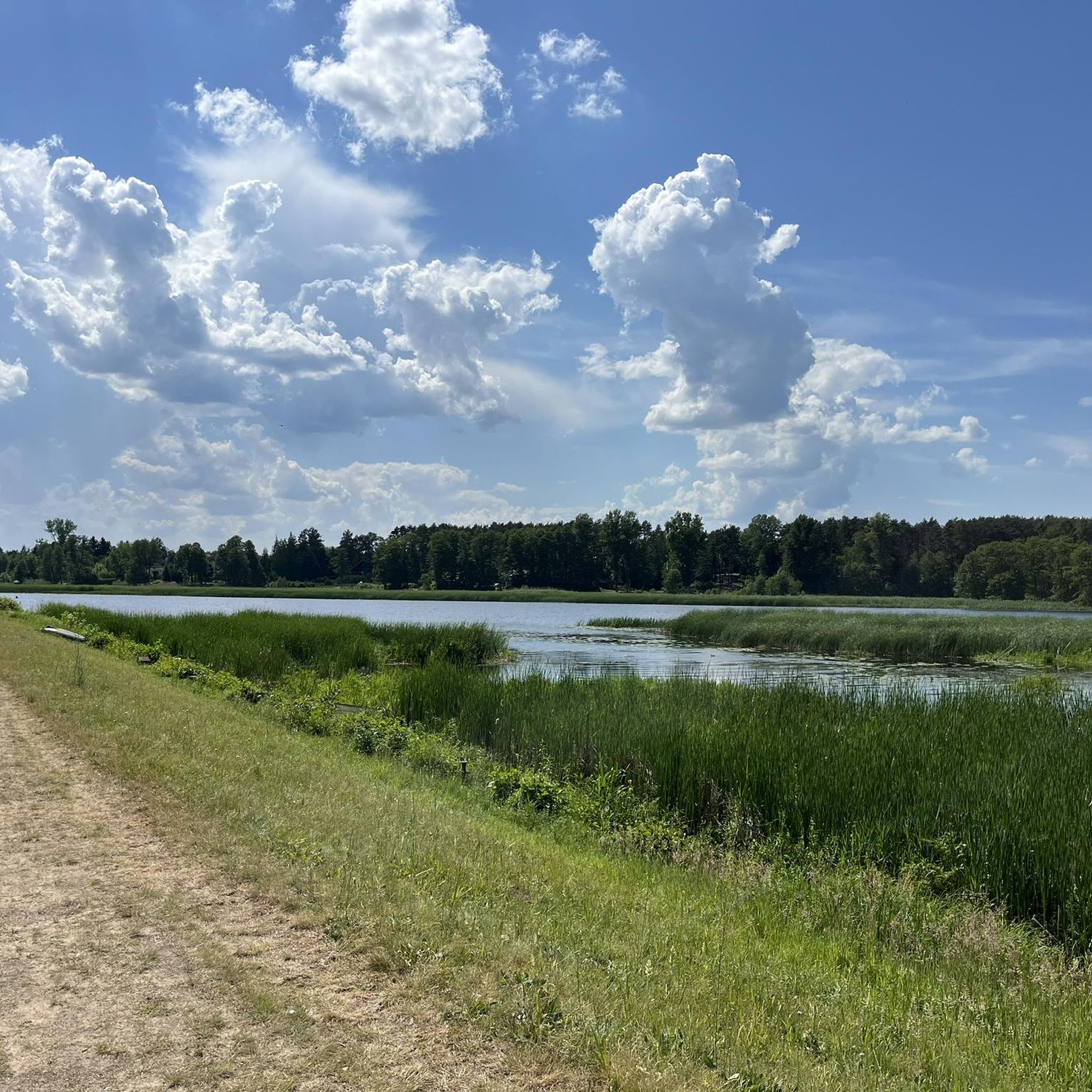
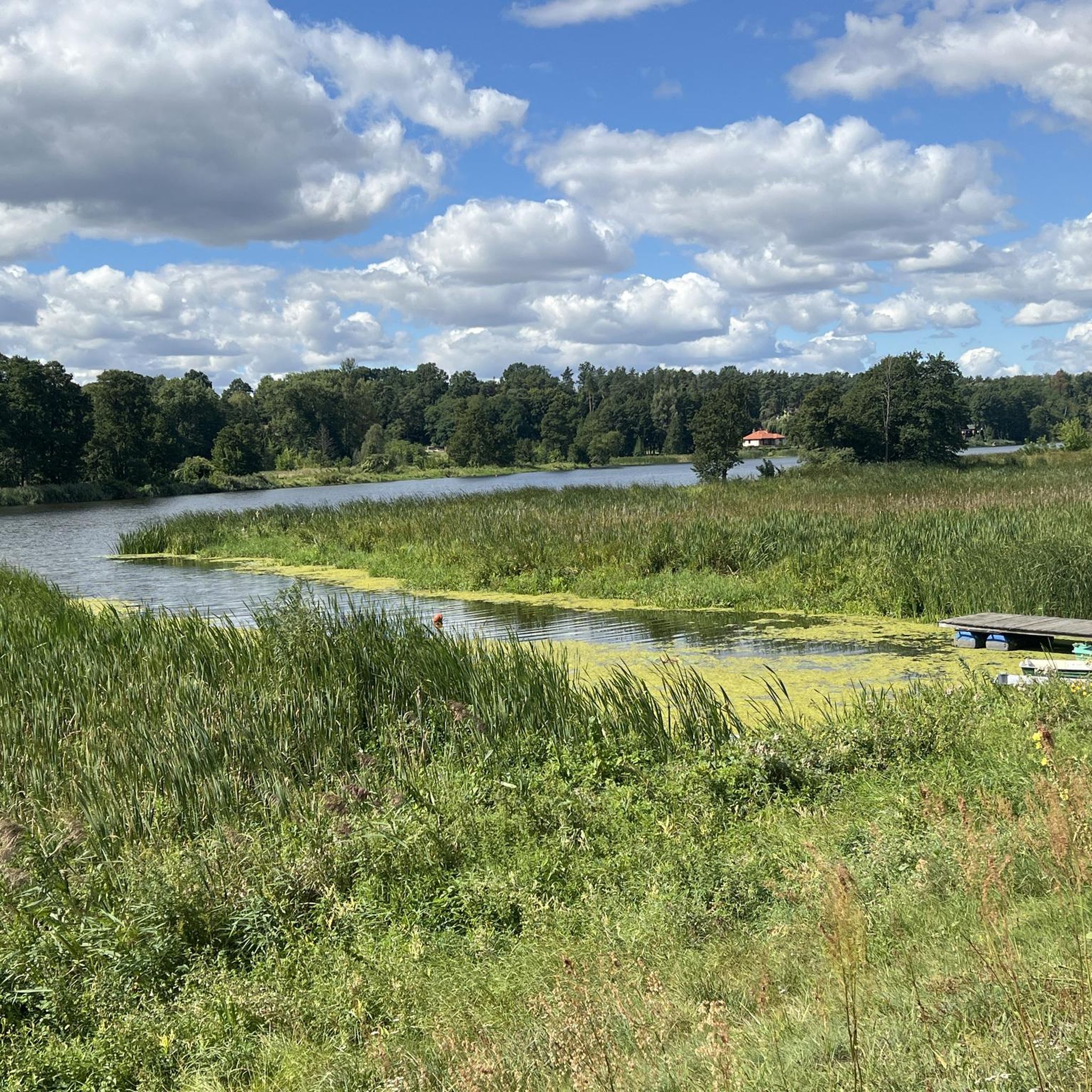

Tips from the Community

The longest market square in Europe, whose main function is parking. A filter that cuts out cars from souvenir photos will come in handy in your camera :)
0
0

"The history of the town hall dates back to the early 15th century. Bishop Jakub of Płock is said to have funded the seat of the town authorities in 1405. The Gothic tower added to the town hall fulfilled both judicial and penitentiary functions as well as defense. Initially, it reached a height of 15 m and was built on a rectangular plan. During the 15th and 16th centuries, it was gradually raised, with additional storeys built on an octagonal plan. A new town hall was also built - lower, more modern - in the Renaissance style, topped with a crested attic. The 30-meter tower at that time gained a domed spire with a lantern, and a clock was also ordered for it. During the wars in the 17th and 18th centuries, the town hall burned down several times. In 1728, it was rebuilt with funds from Bishop Andrzej Stanisław Kostka Załuski. The two-bay building surrounded the tower in a horseshoe shape from the east. The entrance was located on the north and covered with a wooden arcade. The tower roof was changed to an octagonal one, and the clock was abandoned. In this form, the town hall survived until the end of the 19th century. At that time, in addition to the city authorities, the army was quartered here, and there was a prison and even warehouses for Pułtusk merchants. At the end of the 19th century, a shelter was organized in the ruined building, and from 1880, the ground floor and the tower were put into use by the Volunteer Fire Department. After 1902, a new, smaller building was erected on the site of the former building, in the neo-Gothic style, only for the use of the fire department. The tower was deprived of its roof, replacing it with an uncovered platform. It turned out to be completely non-functional and the original roof covering of the tower top was quickly restored. Also at that time, a clock was placed on the north side, on the seventh floor." Source: https://arch.pultusk.pl/wieza-dawnego-ratusza-gotycko-renesansowa/
1
0

Polish technical thought from the times of the Polish People's Republic.
0
0

The market square is located in the old part of the city, between the Basilica and the Chapel of St. Mary Magdalene. Currently, the market square in Pułtusk is 400 meters long and 50 meters wide. It received a rectangular surface of these dimensions during the great expansion of the settlement in the 15th century.
0
0

It is worth crossing the bridge and descending the high escarpment to the Narew. A wonderful view of the river and the power plant.
0
0

An unusual shape and an interesting history.
0
0

Coffee and cake next to the town hall
0
0
"Zegrze has been on an important war and trade route for centuries. There has been a ferry crossing here for centuries, but around 1820 the first wooden bridge on the Narew River appeared. This crossing was destroyed several times and repaired in 1831. Further bridges appeared in years 1851 and 1871. The year 1897 turned out to be a breakthrough when an iron truss bridge built on concrete pillars covered with stones was put into operation. It only lasted until World War I. On August 6, 1915, the retreating Russians blew it up. The Germans who occupied this area did not attempt to rebuild it, but built a low and narrow bridge in 1916, which still has guard towers. This bridge served until 1931, when a new steel arch crossing was built on the pillars of the Russian Bridge. It existed for only eight years. On the night of September 6-7, 1939, Polish sappers blew it up. The Germans built a pontoon bridge in this place. After the war, the steel arch bridge was rebuilt and put into use in December 1947. Over time, it became obstructed and its technical condition deteriorated. In 2003, the bridge built on the northern side of the arch bridge was opened, and the arch bridge was demolished immediately afterwards. In its place, a second, identical new crossing was built in 2004." Source: https://www.historia.serock.pl/4533,mosty-w-zegrzu-dwa-wieki-historii
2
0
Frequently Asked Questions
What natural attractions can I explore in Gmina Pokrzywnica?
Gmina Pokrzywnica offers several natural highlights. The Narew River forms the eastern border, featuring picturesque meadows and oxbow lakes. You can also visit the Dębe Hydroelectric Power Plant, which provides scenic views of the river and its dam. Additionally, parts of the Nadbużański Landscape Park and the Nasielsko-Karniewski Protected Landscape Area extend into the gmina, preserving its natural environment.
Are there any protected natural areas or reserves in Gmina Pokrzywnica?
Yes, Gmina Pokrzywnica is home to several protected natural areas. These include a portion of the Nadbużański Landscape Park, covering over 1000 hectares, and the Nasielsko-Karniewski Protected Landscape Area in the southern part of the gmina. The "Dzierżenińska Kępa" Nature Reserve, established in 1991, is a significant 1.2-hectare "Bird Island" important for nesting water birds. There are also ecological sites in Ciepielin, encompassing swamps that contribute to local biodiversity.
What historical and cultural sites are worth visiting in Gmina Pokrzywnica and its vicinity?
The region boasts a rich history. You can explore the impressive Pułtusk Town Hall Tower, a Gothic structure dating back to the early 15th century that once served judicial and defensive functions. Nearby, the Pułtusk Market Square is reputed to be the longest in Europe. The Dębe Hydroelectric Power Plant is also a notable technical monument. Religious sites include the Parish Church of St. Thomas the Apostle in Dzierżenin and the Parish Church of Our Lady of the Scapular in Pokrzywnica, as well as the late-Gothic Church of the Annunciation of the Blessed Virgin Mary in Serock.
Are there any specific natural monuments to see in the area?
Yes, Gmina Pokrzywnica features several individual natural monuments. These include a majestic White Horse Chestnut in Niestępowo, a large Pedunculate Oak in Budy Obrębskie, and a picturesque Lime Alley in Gzowo, composed of 166 old lime trees. These offer unique natural sights for visitors.
Where can I go for outdoor activities like hiking or cycling near Gmina Pokrzywnica?
The area around Gmina Pokrzywnica offers various outdoor activities. For easy hikes, consider routes like the "Serock Pier – Ferry Crossing to Arciechów loop" or the "Pułtusk Castle – Pułtusk Town Hall Tower loop." Cyclists can enjoy routes such as the "Pokrzywnica–Błędostowo Shelter – Smooth Asphalt Road loop." You can find more details and routes for hiking, road cycling, and running on the dedicated guide pages, for example, Easy hikes around gmina Pokrzywnica or Road Cycling Routes around gmina Pokrzywnica.
Are there family-friendly attractions in Gmina Pokrzywnica?
Many attractions in Gmina Pokrzywnica and its surroundings are suitable for families. Natural areas like the Narew River and its oxbow lakes are great for leisurely walks and enjoying nature. Historical sites such as the Pułtusk Town Hall Tower and Pułtusk Market Square offer educational experiences. The Dębe Hydroelectric Power Plant can also be an interesting visit for all ages. Outdoor activities like easy hiking and cycling routes are also popular family options.
What is the best time of year to visit Gmina Pokrzywnica?
The best time to visit Gmina Pokrzywnica largely depends on your preferred activities. Spring and summer (May to September) are ideal for outdoor pursuits like hiking, cycling, and enjoying the natural beauty of the Narew River and protected areas, with pleasant weather. Autumn offers beautiful foliage, while winter can be charming for those who enjoy colder, quieter landscapes, though some outdoor activities might be limited.
Are there opportunities for fishing or other recreational activities?
Yes, the region offers recreational opportunities. The PZW – Pogorzelec Fishing Lodge is a notable spot providing facilities for fishing, camping, and serving as a tourist shelter. The Narew River and its oxbow lakes are popular for recreational plots and offer scenic views, making them suitable for various leisure activities.
Where can I find unique viewpoints or scenic spots in Gmina Pokrzywnica?
For scenic views, the Dębe Hydroelectric Power Plant and its associated dam offer picturesque vistas of the Narew River. The Bridge over the Narew River is another spot where you can enjoy the river landscape, with a dedicated cycle route for safe viewing. The meadows and oxbows along the Narew River itself provide many natural, tranquil viewpoints.
What makes the Pułtusk Market Square unique?
The Pułtusk Market Square is renowned for being one of the longest market squares in Europe, stretching 400 meters long and 50 meters wide. It's located in the old part of the city, between the Basilica and the Chapel of St. Mary Magdalene, offering a unique historical atmosphere. Visitors often praise its charm and the delicious ice cream available there.
What do visitors enjoy most about the attractions around Gmina Pokrzywnica?
Visitors frequently appreciate the blend of historical significance and natural beauty. The unique atmosphere of the Pułtusk Market Square and the historical depth of the Pułtusk Town Hall Tower are often highlighted. The scenic views from the Dębe Hydroelectric Power Plant and the tranquility of the Narew River are also popular. The community often notes the good cycle routes and the opportunity to capture beautiful sunsets.
Most popular routes around gmina Pokrzywnica
Most popular attractions around gmina Pokrzywnica

Get inspired with the komoot mobile app


Explore more
Still not found the Highlight you’re looking for? See guides of the top attractions in other regions:
