Attractions and Places To See around Piastów - Top 20
Best attractions and places to see around Piastów, a city in Poland's Mazovia region, offers a blend of suburban tranquility and proximity to Warsaw. The area features green spaces, historical sites, and natural reserves. Visitors can explore local landmarks and easily access points of interest in the surrounding areas, providing diverse options for outdoor activities and cultural exploration.
Best attractions and places to see around Piastów
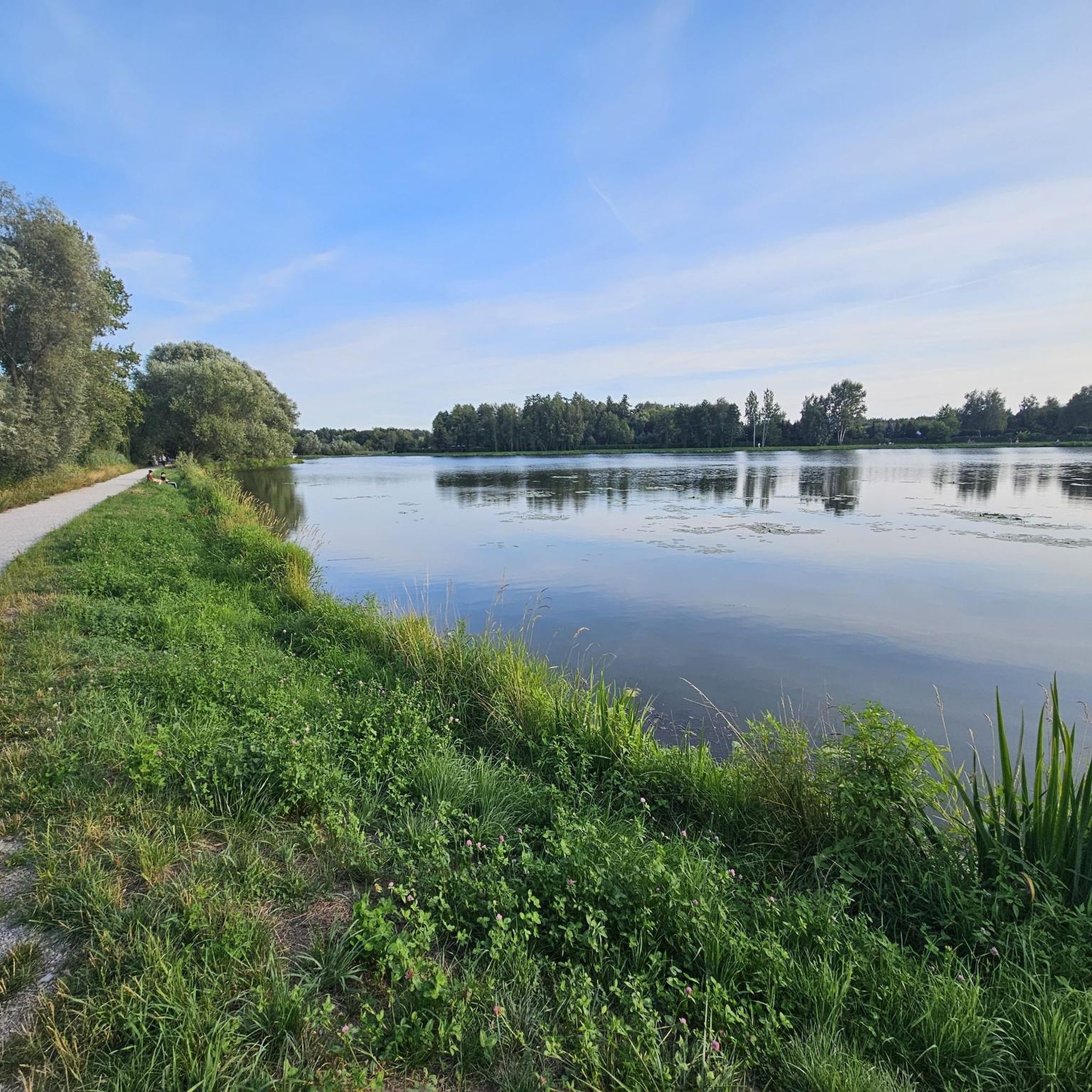
- The most popular attractions is Komorowski Reservoir, a lake that serves as a…
Last updated: July 1, 2026
Warsaw Spire
Highlight • Monument
Translated by Google •
Tip by

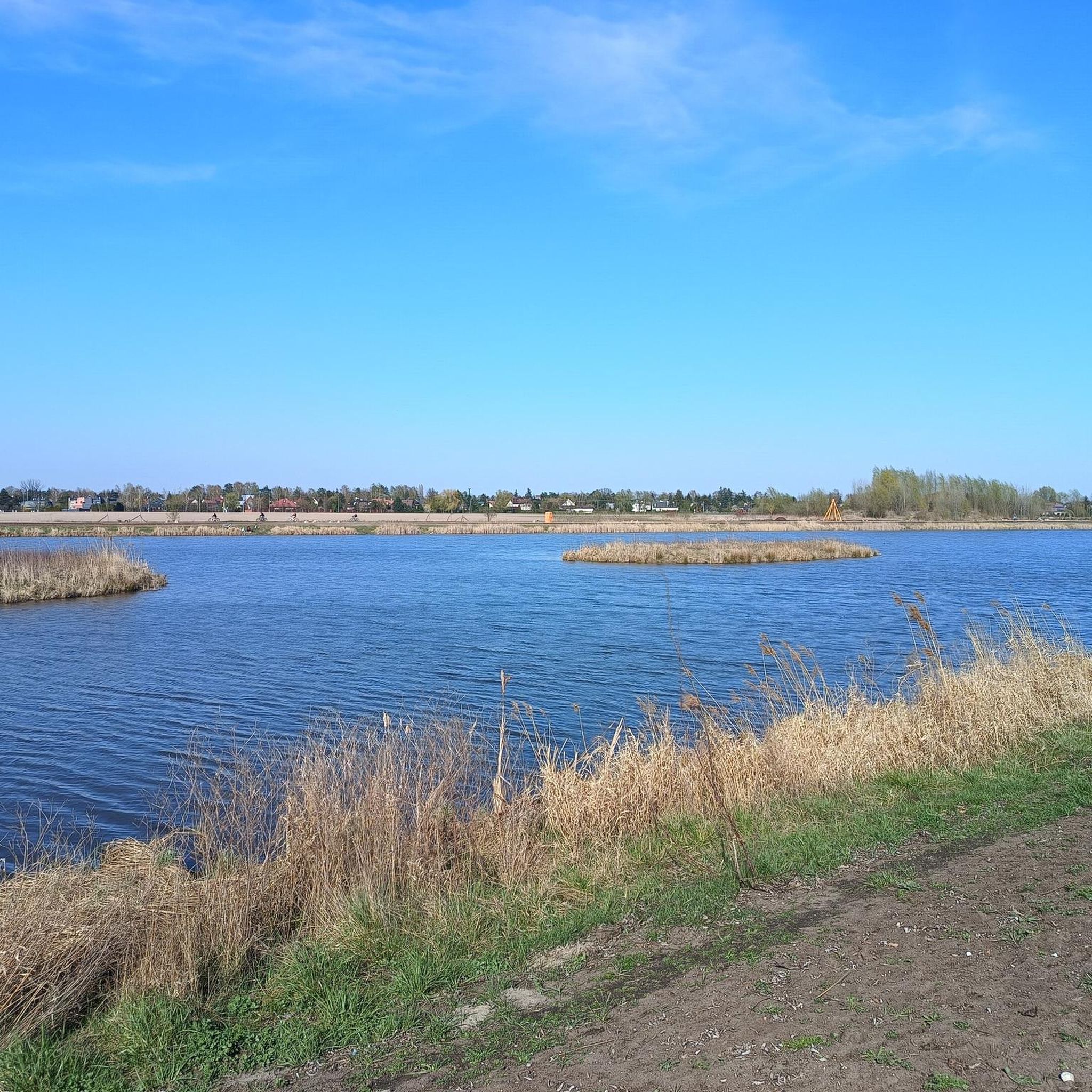
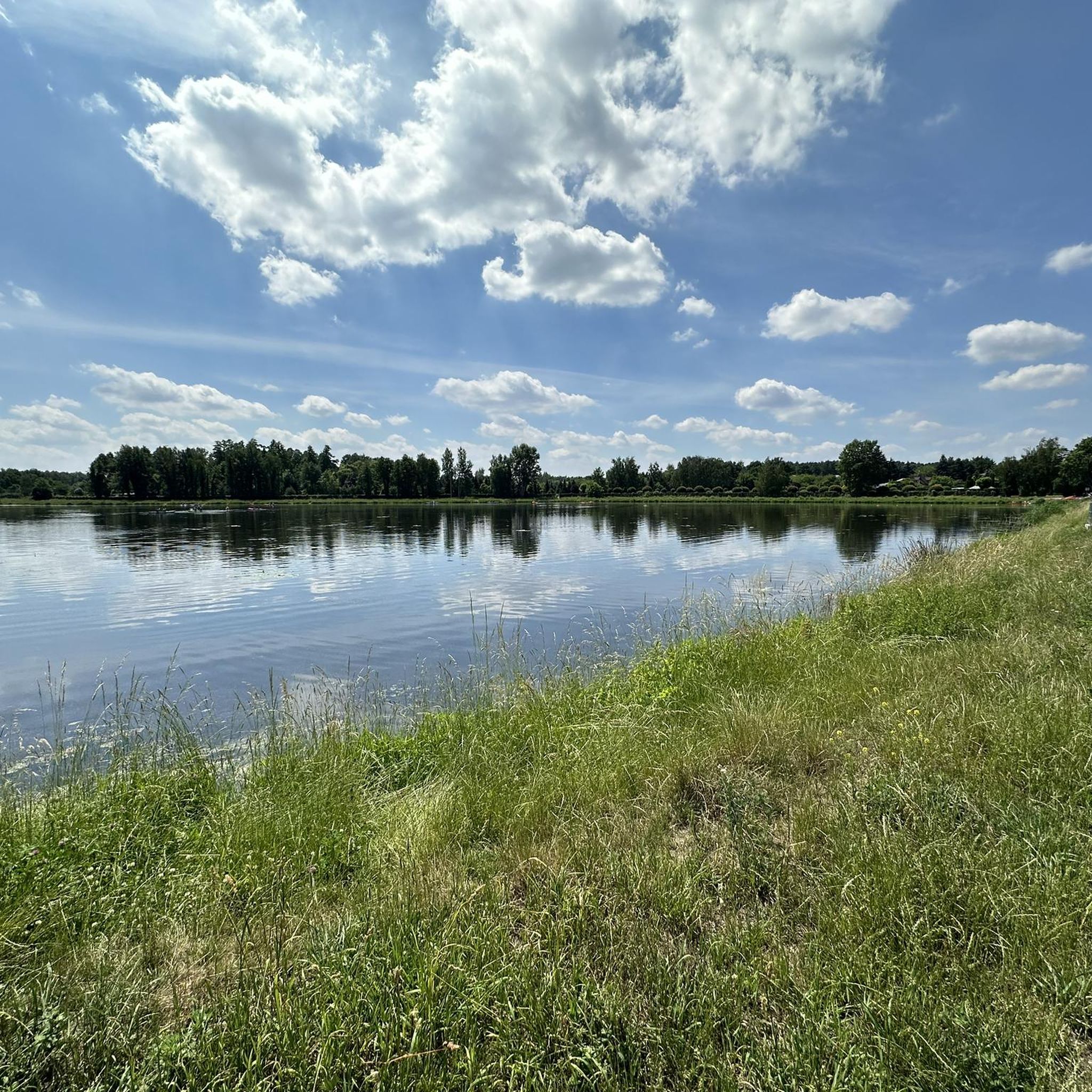
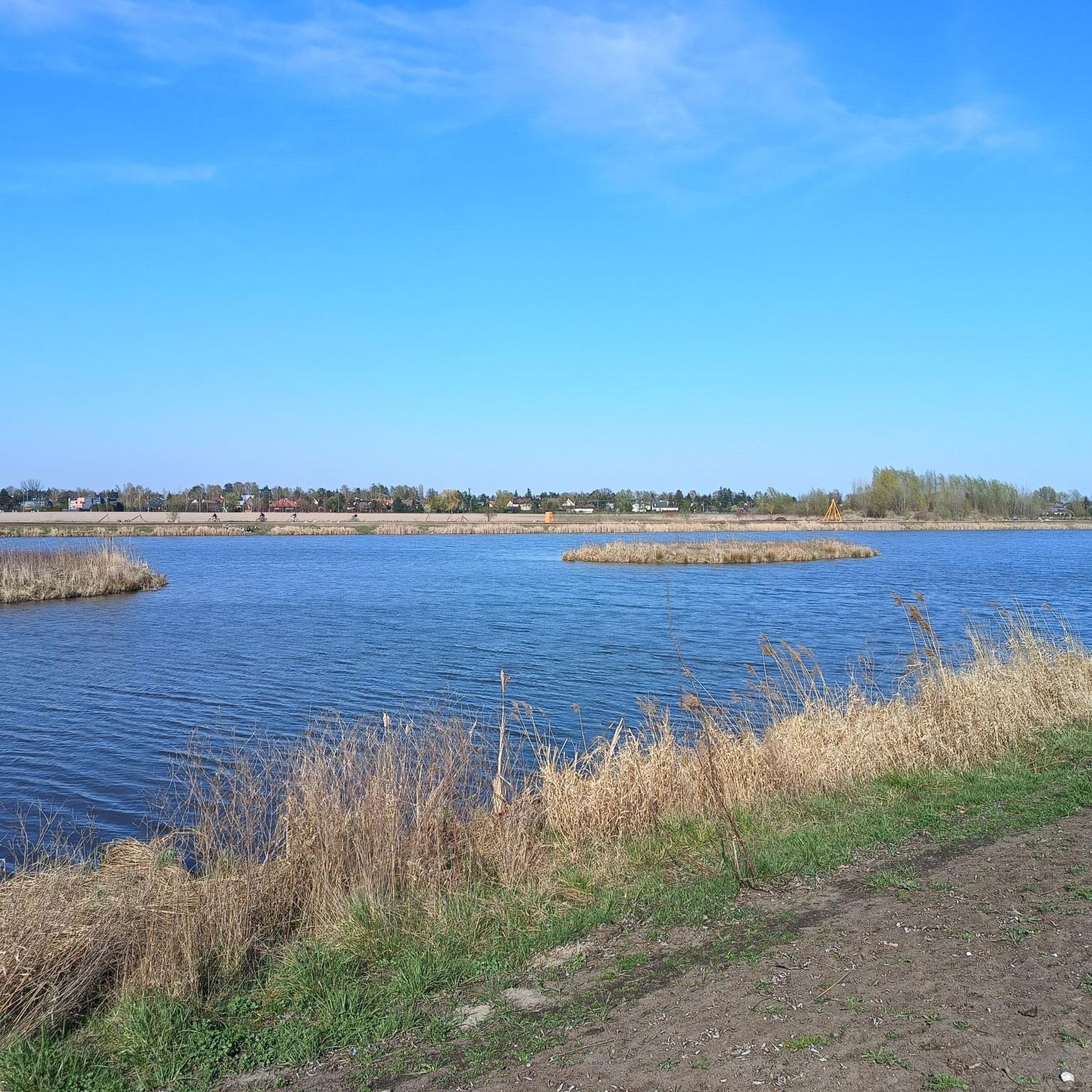
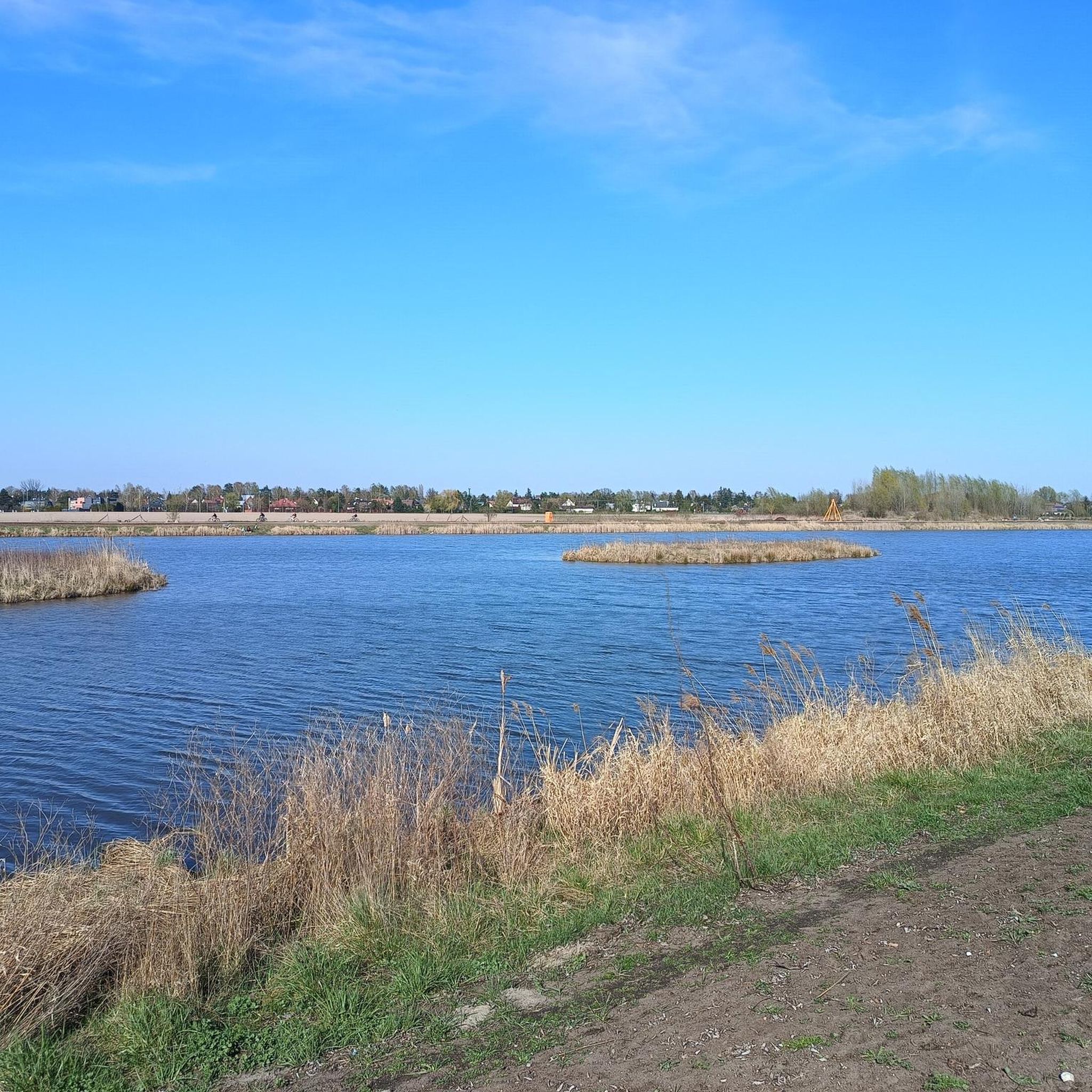
Komorowski Reservoir
Highlight • Lake
Translated by Google •
Tip by

Sign up now to discover places like this
Get recommendations on the best single tracks, peaks, & plenty of other exciting outdoor places.
Sign up for free
Żwirki i Wigury Bike Path
Highlight • Cycleway
Translated by Google •
Tip by
Bicycle Path Along the Michałowice Ponds
Highlight (Segment) • Cycleway
Translated by Google •
Tip by

Flooded moat at Fort Zbarż
Highlight • Historical Site
Translated by Google •
Tip by

Sign up for free to discover even more attractions around Piastów.
Sign up for free
Already have an account?
Start today with a free account
Your next adventure awaits.
Login or Signup

Tips from the Community

Good asphalt, gravel from time to time
0
0
Fort VII („Zbarż“) – one of the forts of the outer ring of the Warsaw fortress, located in the Włochy district in the Zbarż estate between the streets: Wirażowa, Żwirki i Wigury, Winiarska and Benetta, with an area of 29.7 ha
1
0

Warsaw Spire is an office complex in Warsaw, located in the Wola district, at Plac Europejski 1, 2 and 6. It consists of three buildings: the tallest skyscraper with a height of 180 m (220 m with spires) and two lower buildings with a height of 55 m. The total area of the complex is approximately 100,000 m². It was designed by the Belgian studio M. & J-M. Jaspers – J. Eyers & Partners and opened on May 12, 2016. It is the third tallest skyscraper in Warsaw, right after Varso Tower and the Palace of Culture and Science. The complex was built on the site of the demolished buildings of the Military Graphic Works, and within its area there is a spacious square with elements of small architecture, greenery, a lake and a cascading stream. The design took into account the protection of nature - the linden trees growing along the street are natural monuments, which influenced the way construction works were carried out. Plac Europejski, where Warsaw Spire is located, was named in 2014. Warsaw Spire has won numerous awards, including "Outstanding Architectural Project of the Year in Poland" in 2011 and the award for the best office investment at the MIPIM trade fair in Cannes in 2017. The complex was also recognized for the development of the public space of Plac Europejski.
1
0
Warsaw Spire is an office complex in Warsaw, located in the Wola district, at Plac Europejski 1, 2 and 6. It consists of three buildings: the tallest skyscraper with a height of 180 m (220 m with spires) and two lower buildings with a height of 55 m. The total area of the complex is approximately 100,000 m². It was designed by the Belgian studio M. & J-M. Jaspers – J. Eyers & Partners and opened on May 12, 2016. It is the third tallest skyscraper in Warsaw, right after Varso Tower and the Palace of Culture and Science. The complex was built on the site of the demolished buildings of the Military Graphic Works, and within its area there is a spacious square with elements of small architecture, greenery, a lake and a cascading stream. The design took into account the protection of nature - the linden trees growing along the street are natural monuments, which influenced the way construction works were carried out. Plac Europejski, where Warsaw Spire is located, was named in 2014. Warsaw Spire has won numerous awards, including "Outstanding Architectural Project of the Year in Poland" in 2011 and the award for the best office investment at the MIPIM trade fair in Cannes in 2017. The complex was also recognized for the development of the public space of Plac Europejski.
3
0
The bike path on Żwirki i Wigury Street was opened in 2016. It includes a 2.5 km section between Racławicka and Miecznikowa Streets. In the past, the narrow and damaged sidewalk was difficult to use, and on the eastern side there was no sidewalk at all, forcing pedestrians and cyclists to use a dirt path. The route connects Pole Mokotowskie, university campuses, housing estates and office buildings. Stage II of the project was to renovate the further section, up to 17 Stycznia Street.
2
0
Fort VII, also known as "Zbarż", is one of the forts of the outer ring of the Warsaw Fortress, located in the Włochy district, in the Zbarż housing estate. Built in the years 1883–1908, it has an area of 29.7 ha. The fort is a single-rampart, surrounded by a moat and erected on a pentagonal plan. It was partially dismantled after 1909, and during one of the modernizations a concrete anti-scarp caponier was added, the ruins of which have survived to this day. During the occupation, the fort was flooded, and after the war the area was used by the military until 1999.
3
0

Fast asphalt (low resistance), almost always windy, lots of people on weekends, but still worth it...
0
0

Frequently Asked Questions
What natural features can I explore near Piastów?
Near Piastów, you can visit the Komorowski Reservoir, a 6-hectare lake ideal for walks and picnics, and a habitat for various bird species in autumn and spring. Another significant natural site is the Raszyn Ponds Nature Reserve, which protects a rich ecosystem of water and marsh birds, featuring observation towers and floodplain forests.
Are there any historical sites to visit near Piastów?
Yes, Piastów and its surroundings offer several historical points of interest. You can explore the Czuwajka Guardhouse, one of three preserved structures on the historical route "In the footsteps of the Transatlantic Radio Station." Additionally, the Flooded moat at Fort Zbarż, part of the former Warsaw Fortress, offers a unique historical landscape where the moat has transformed into a small lake.
What outdoor activities and routes are available near Piastów?
The area around Piastów is well-suited for cycling and gravel biking. You can find various routes, such as the "Tree-lined path – Skyscraper panorama on Prosta Street loop" or the "Czuwajka Guardhouse – Bemowo Forest Gravel Path loop." For more options, explore the dedicated guides for Cycling around Piastów, Gravel biking around Piastów, and Road Cycling Routes around Piastów.
Are there family-friendly attractions or activities in the area?
Yes, the Komorowski Reservoir is an ideal spot for family picnics and walks, featuring a square with a playground and picnic tables. The Raszyn Ponds Nature Reserve also offers observation towers and is a great place for families to observe nature and birds.
What is the best time of year to visit Piastów and its attractions?
Spring and autumn are particularly good times to visit the natural areas around Piastów. During these seasons, the Komorowski Reservoir becomes a habitat for various bird species, offering excellent birdwatching opportunities. The weather is generally pleasant for outdoor activities like cycling and walking.
Can I bring my dog to attractions or trails near Piastów?
While specific dog-friendly policies for each attraction may vary, natural areas like Piastów Park and the trails around Komorowski Reservoir and Raszyn Ponds Nature Reserve are generally suitable for walks with dogs, provided they are kept on a leash and owners clean up after them. Always check local signage for any restrictions.
Are there any wheelchair-accessible attractions?
The Warsaw Spire, located in nearby Warsaw, is an office complex with a spacious square, Plac Europejski, which is generally accessible. For natural attractions, accessibility can vary depending on the specific paths and terrain. It's advisable to check the conditions of specific trails before visiting.
How can I get to the attractions around Piastów?
Piastów is well-connected to Warsaw, making it accessible by public transport. For attractions within Piastów, walking or cycling is often feasible. For sites further afield like the Raszyn Ponds Nature Reserve or Fort Zbarż, local buses or driving may be necessary. Parking is generally available near major points of interest, though it's good to check specific locations.
What makes Raszyn Ponds Nature Reserve special?
The Raszyn Ponds Nature Reserve is a significant faunal nature reserve, protecting a rich ecosystem of water and marsh birds. It's an important site for ornithologists, with about 100 species of birds nesting there. The reserve also features observation towers and historical monuments like the Baroque statue of God the Father, offering both natural beauty and cultural interest.
What is the Piastów Palace?
The Piastów Palace is a historic building in Piastów, recognized for its stunning architecture and rich history. While not listed as a specific highlight in the provided data, it is a notable landmark within the city, offering a glimpse into local Polish heritage.
Where can I find places to eat or stay near Piastów's attractions?
Piastów itself has a lively Piastów Market Square featuring charming cafes and shops. Due to its proximity to Warsaw, visitors have a wide range of accommodation and dining options available in both Piastów and the capital city, catering to various preferences and budgets.
What is the Warsaw Spire?
The Warsaw Spire is an impressive office complex in Warsaw, known for its modern architecture and height. It features a spacious square, Plac Europejski, with elements of small architecture, greenery, and trendy bars, making it a vibrant urban space to visit.
Most popular attractions around Piastów

Get inspired with the komoot mobile app


Explore more
Still not found the Highlight you’re looking for? See guides of the top attractions in other regions:
