Attractions and Places To See around Gniewoszów - Top 20
Best attractions and places to see around Gniewoszów include a mix of natural landscapes, historical sites, and cultural points within this rural commune in Poland's Masovian Voivodeship. The area features the Vistula River with its natural character, ecological corridors, and diverse wildlife. Visitors can explore various historical landmarks, including chapels, churches, and medieval strongholds. Gniewoszów offers tranquil rural landscapes for those interested in nature and history.
Best attractions and places to see around Gniewoszów
- The most popular attractions is Jan…
Last updated: July 15, 2026
Jan Kochanowski Museum
Highlight • Historical Site
Century was built on the territory …
Translated by Google •
Tip by

Czartoryski Museum in Puławy
Highlight • Historical Site
Translated by Google •
Tip by

Sign up now to discover places like this
Get recommendations on the best single tracks, peaks, & plenty of other exciting outdoor places.
Sign up for free
Temple of the Sibyl (Świątynia Sybilli) in Puławy
Highlight • Historical Site
Translated by Google •
Tip by

Museum of Unusual Bicycles
Highlight • Monument
Translated by Google •
Tip by

Church of the Holy Trinity in Grodek
Highlight • Religious Site
Translated by Google •
Tip by
Sign up for free to discover even more attractions around Gniewoszów.
Sign up for free
Already have an account?
Start today with a free account
Your next adventure awaits.
Login or Signup

Tips from the Community


Worth visiting, interesting place.
0
0
It's impressive, I wasn't lucky enough to get in.
0
0

In the Temple of the Sibyl, Princess Izabela Czartoryska collected family mementos of the Sieniawski, Lubomirski and Czartoryski families, as well as mementos of great Poles: kings, leaders, scholars and poets, which were to remind us of the glorious national past after the partitions of Poland. There were, among others, objects related to Bolesław the Brave, Casimir the Great, Stanisław Żółkiewski, Tadeusz Kościuszko, Nicolaus Copernicus (a brick from the tenement house at Kopernika 30, then considered the birthplace of the astronomer[2]) and Jan Kochanowski. In the lower storey of the Temple, an obelisk dedicated to Prince Józef Poniatowski[3] was placed. In 1830, before the November Uprising, the collections were evacuated to Paris. Then they returned to Kraków, becoming the nucleus of the Czartoryski Princes Museum. In the Temple of the Sibyl, the museum was reactivated only in 1938 and is open to the public to this day.
1
0
The Temple of the Sybil in Puławy – a rotunda-shaped building that was part of the palace and park complex at the Czartoryski Palace in Puławy; the first Polish museum. It was a garden imitation (folly) of an ancient temple.
1
0
more can be read https://muzeumczartoryskich.pulawy.pl/historia/
1
0
"Beyond the Vistula in this direction lies a pretty village at the foot of a mountain adorned at the top with a palace in the Italian style, a beautiful structure, with magnificent vestibules, marble ornaments, and a sumptuously furnished drawing room. […] This house is undoubtedly the most beautiful example of newer architecture in Poland". This is how the Frenchman Daleyrac describes the first residence in Puławy, built in the years 1671-1676. Its founders were the then owners of Puławy - Grand Marshal of the Crown Stanisław Herakliusz Lubomirski and his wife Zofia née Opalińska. One of the most enlightened couples of the then Republic of Poland entrusted the execution of the design of the building to an outstanding Dutch architect - Tylman van Gameren. The palace was situated on the edge of a high escarpment, and around it stretched Baroque, regular gardens.
1
0
At the turn of the 18th and 19th centuries, Puławy was the centre of political, cultural and literary life. This was due to Adam Kazimierz Czartoryski and his wife Izabela née Flemming, who brought the most outstanding artists (Jan Piotr Norblin), writers (Julian Ursyn Niemcewicz) and architects (Christian Piotr Aigner) to the Puławy court. It was here, in the Temple of the Sybil (1801) and the Gothic House (1809), that the duchess created the first museum on Polish soil. It became the seed of a great collecting, cultivated to this day. The end of the Puławy centre was the time of the November Uprising, when the Czartoryski estate was confiscated and the Czartoryskis themselves went to Paris to emigrate. The Alexandrian Institute for the Education of Ladies was located in Puławy, and subsequently the Polytechnic and Agricultural-Forestry Institute and the Institute of Rural Economy and Forestry. Currently, the owner of the palace and park complex is the Institute of Cultivation, Fertilization and Soil Science.
1
0
Frequently Asked Questions
What historical sites can I visit around Gniewoszów?
The region offers a rich history. You can explore the Jan Kochanowski Museum, housed in a 19th-century Jabłonowski manor, which features a biographical exhibition of the poet. The Czartoryski Palace in Puławy, with origins in the 17th century, is another significant historical landmark. Additionally, the Czartoryski Museum in Puławy, located in the Temple of the Sybil and Gothic House, was the first museum on Polish soil.
Are there any natural attractions or features to explore in Gniewoszów?
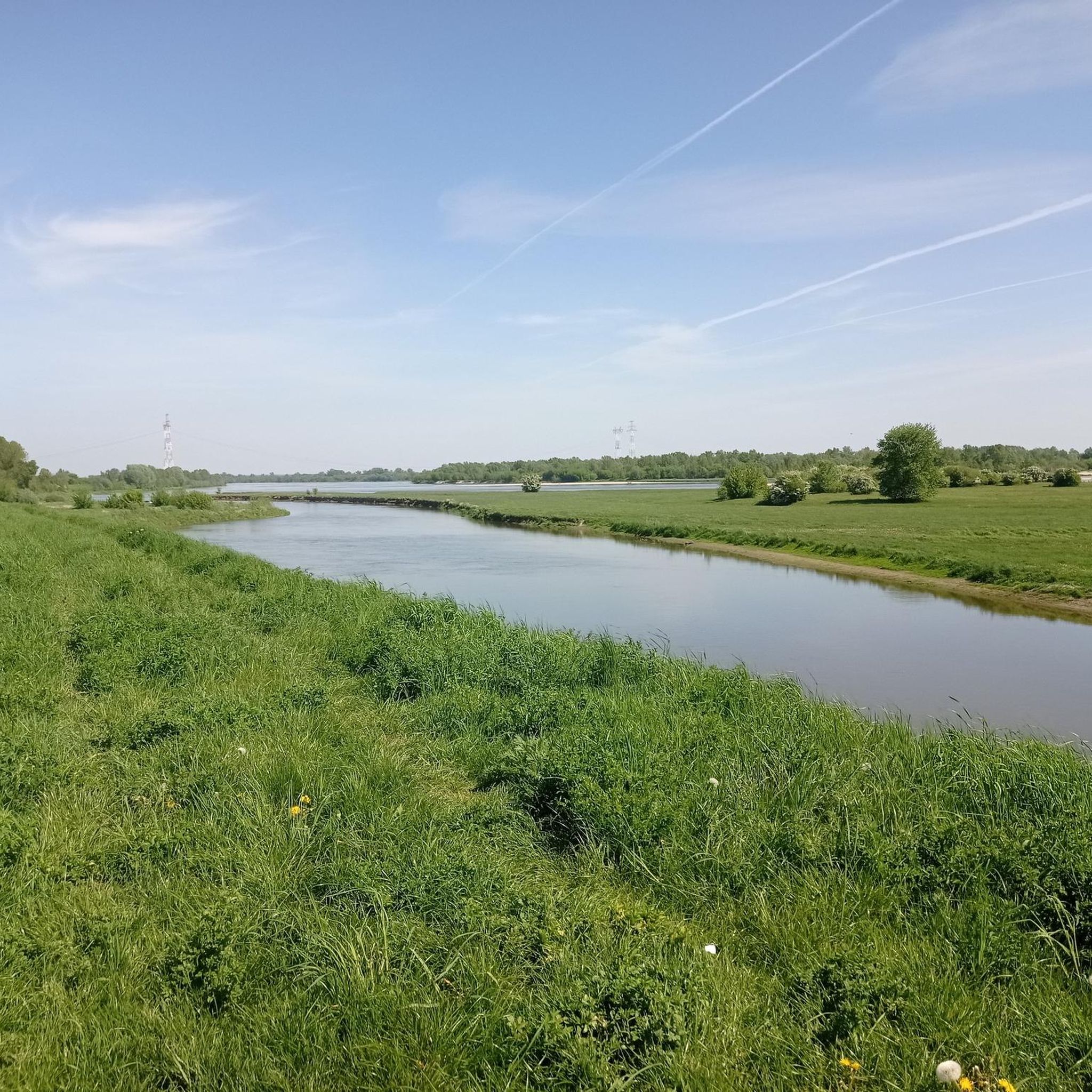
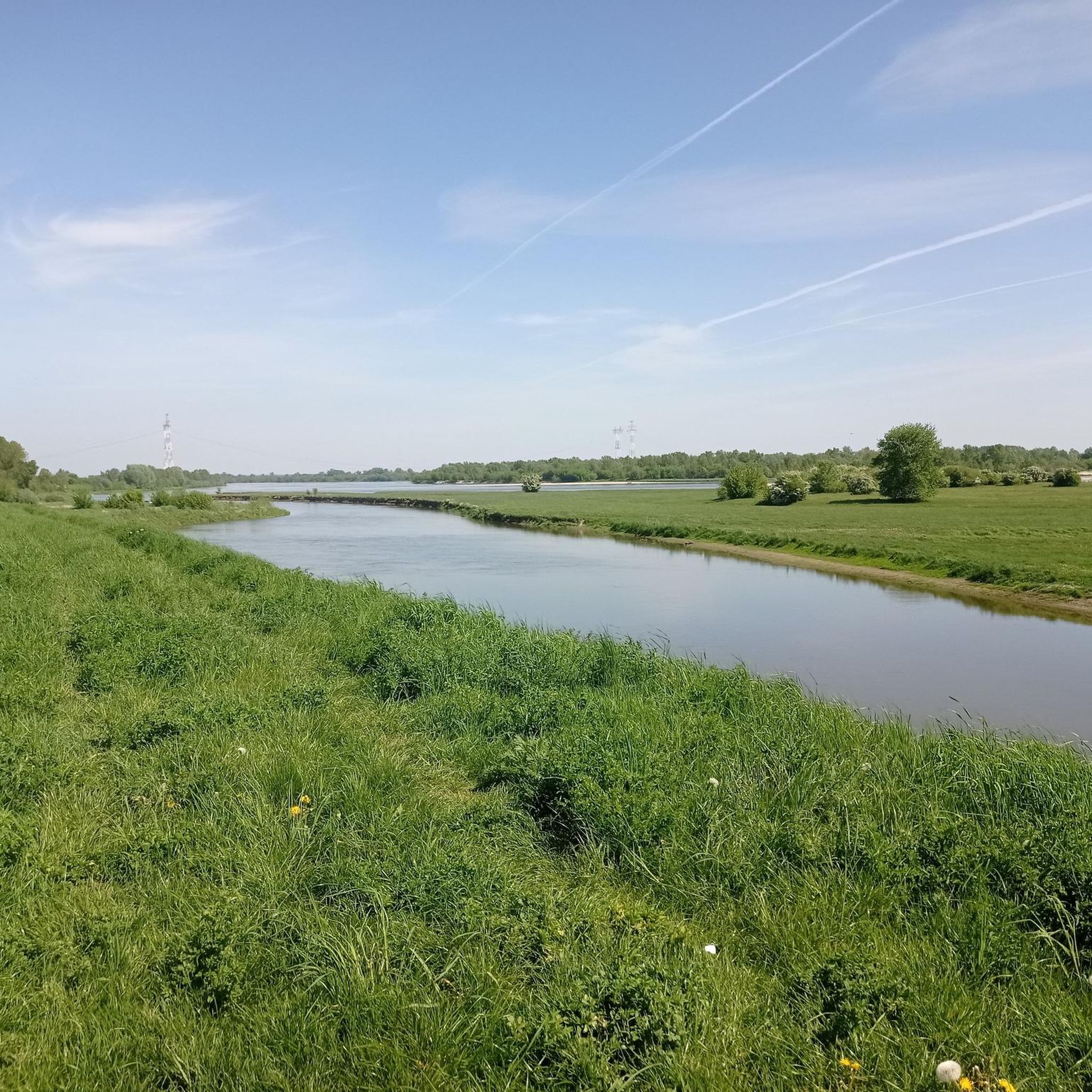
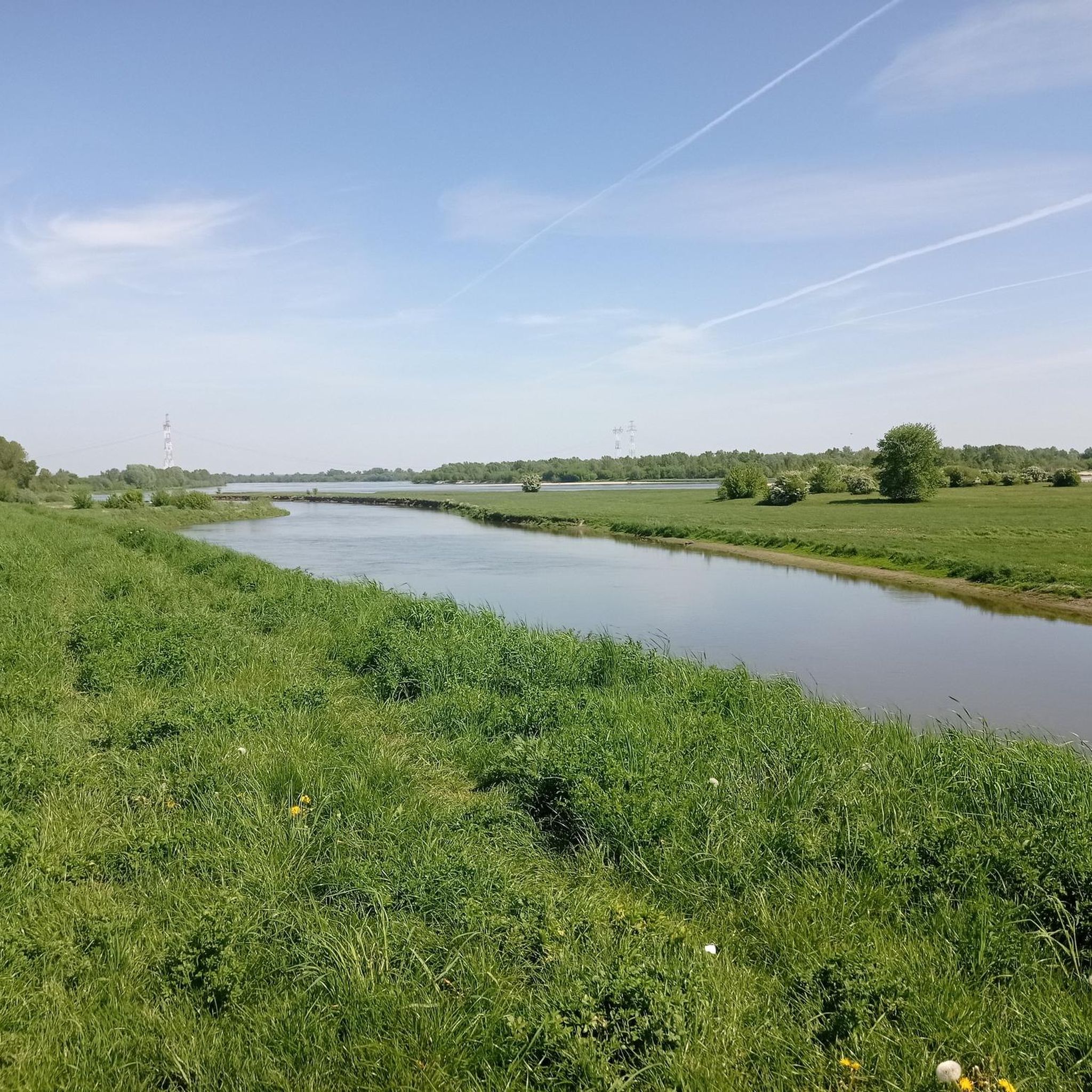
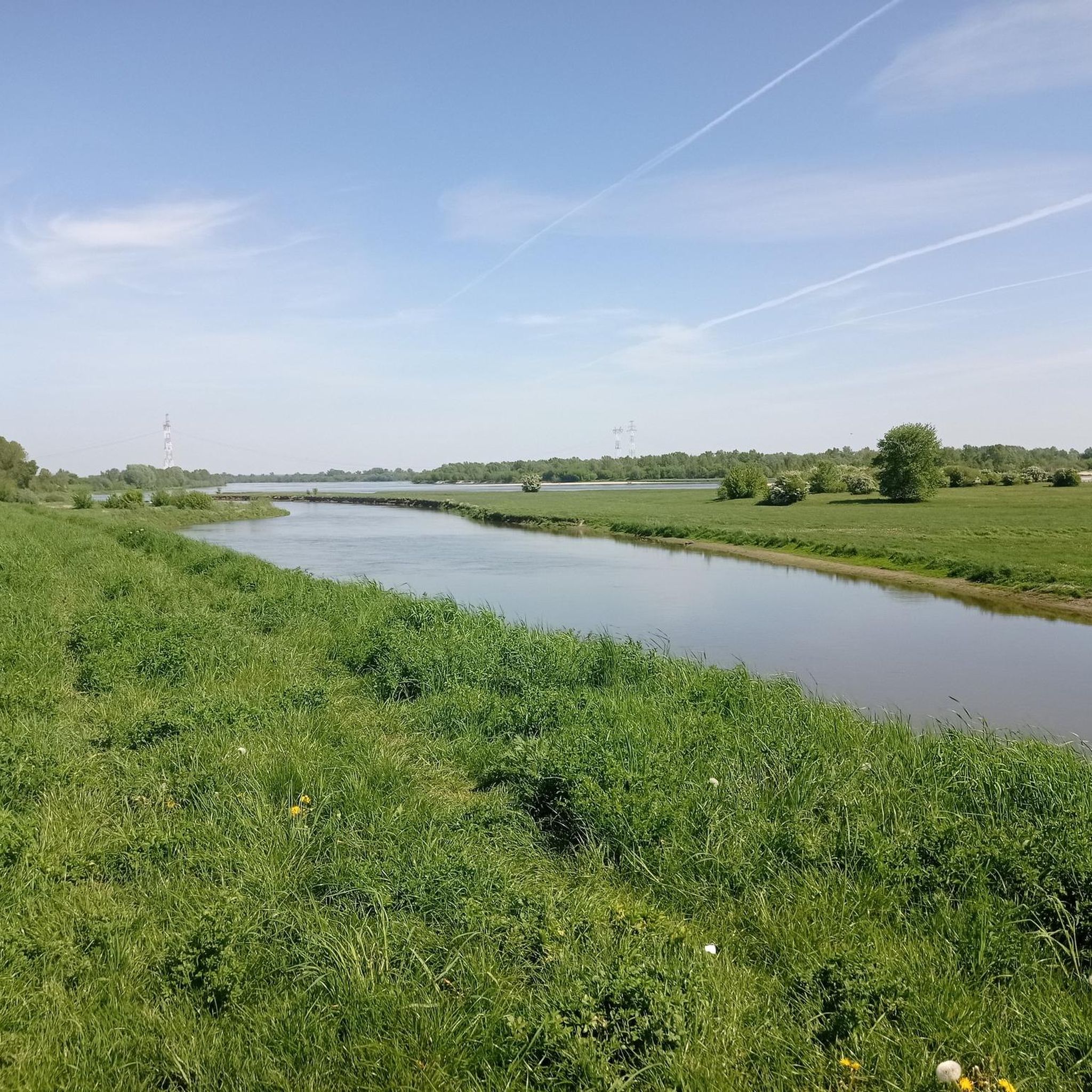
Yes, the eastern border of the Gniewoszów commune is defined by the Vistula River, which maintains its natural character with numerous islands, oxbow lakes, and side channels. The riverbanks are rich with hawthorn and willow thickets, meadows, and pastures. You can also discover the picturesque ecological corridors of the Zwolanka, Niewiadomka, and Mozolicka river valleys.
What kind of wildlife can I observe in the Gniewoszów area?
Gniewoszów is an excellent location for observing diverse flora and fauna. Beavers, wild boars, and deer are commonly present, and sometimes even elk can be spotted. Birdwatchers will appreciate the presence of kingfishers, black storks, goosanders, marsh harriers, lapwings, and cranes, among many other bird species.
What are some family-friendly activities or attractions near Gniewoszów?
Many of the historical sites are family-friendly, including the Jan Kochanowski Museum and the Czartoryski Palace in Puławy. A unique option is the Museum of Unusual Bicycles, which visitors have found to be great fun for all ages.
Are there cycling routes available around Gniewoszów?
Yes, the quiet, agricultural commune of Gniewoszów is well-suited for cycling. You can find various road cycling routes, including easy to moderate options like the 'Kazimierz Dolny Market Square – Quarry loop' or the 'Lublin Gate, Dęblin Fortress – Museum of Unusual Bicycles loop'. For more details, explore the Road Cycling Routes around Gniewoszów guide.
Where can I find mountain biking trails near Gniewoszów?
Mountain biking enthusiasts can find several moderate trails around Gniewoszów. Options include the 'Old Steel Bridge – Dirt Road Through Fields loop' and the 'Mountainbike loop from Góra Puławska'. For a comprehensive list and details, check out the MTB Trails around Gniewoszów guide.
What are some notable religious sites in the area?
The region features several significant religious sites. The Church of St. Stanislaus Bishop and Martyr in Oleksów, originally from the 13th century, houses 17th and 18th-century Baroque furnishings. The Church of the Blessed Virgin Mary Queen of the Rosary in Wysokie Koło, built in Italian Renaissance style, is a pilgrimage destination known for its miraculous painting of Our Lady of Wysokie Koło.
Are there any ancient or medieval structures to see?
Yes, in Oleksów, you can find two preserved strongholds (Grodziska) that were part of Sieciechów's defensive system during the Middle Ages. These include a ring-shaped mound used until the 12th century and a conical stronghold dating from the 13th to 15th centuries, known as Mały and Wielki Kopiec (Small and Great Mound).
What do visitors particularly enjoy about the attractions around Gniewoszów?
Visitors appreciate the blend of natural landscapes and historical sites. The Jan Kochanowski Museum is noted for its beautiful manor and park. The Czartoryski Palace in Puławy is praised for its interesting history and architecture. The Museum of Unusual Bicycles is highlighted as a fun and unique experience.
Can I find running trails near Gniewoszów?
Yes, there are several running trails available. You can find moderate routes such as the 'Pałac Mniszchów loop' or the 'Fort "Mierzwiączka" loop' starting from Dęblin. For more options and detailed information, refer to the Running Trails around Gniewoszów guide.
Are there any memorial sites or cemeteries of historical significance?
Gniewoszów has several sites of historical remembrance. The Military Cemetery in Wysokie Koło, established in 1914, is the resting place for soldiers from the Battle of Dęblin. Additionally, two Jewish cemeteries on Oleksowska and Lubelska Streets, though destroyed during WWII, have been commemorated with memorial plaques and recovered tombstones.
What is the best time of year to visit Gniewoszów for outdoor activities?
The commune's natural beauty, including the Vistula River and ecological corridors, is best enjoyed during milder weather. Spring and autumn offer pleasant temperatures for cycling, hiking, and wildlife observation, while summer allows for full enjoyment of the riverbanks and outdoor exploration.
Most popular attractions around Gniewoszów

Get inspired with the komoot mobile app


Explore more
Still not found the Highlight you’re looking for? See guides of the top attractions in other regions:
