Attractions and Places To See around Pniewy - Top 20
Best attractions and places to see around Pniewy include a mix of historical landmarks, cultural sites, and natural features. Located in the Greater Poland Voivodeship, the area offers diverse points of interest. Visitors can explore historical churches, palaces, and landscape parks. Natural attractions include Pniewskie Lake and several nature reserves.
Best attractions and places to see around Pniewy
- The most popular attractions is Młochowski Grąd Nature Reserve, a forest that protects natural forest communities. It features oak-pine and oak…
Last updated: July 15, 2026
Młochowski Grąd Nature Reserve
Highlight • Forest
Translated by Google •
Tip by

Radziejowice Palace and Park
Highlight • Historical Site
Tip by

Sign up now to discover places like this
Get recommendations on the best single tracks, peaks, & plenty of other exciting outdoor places.
Sign up for free
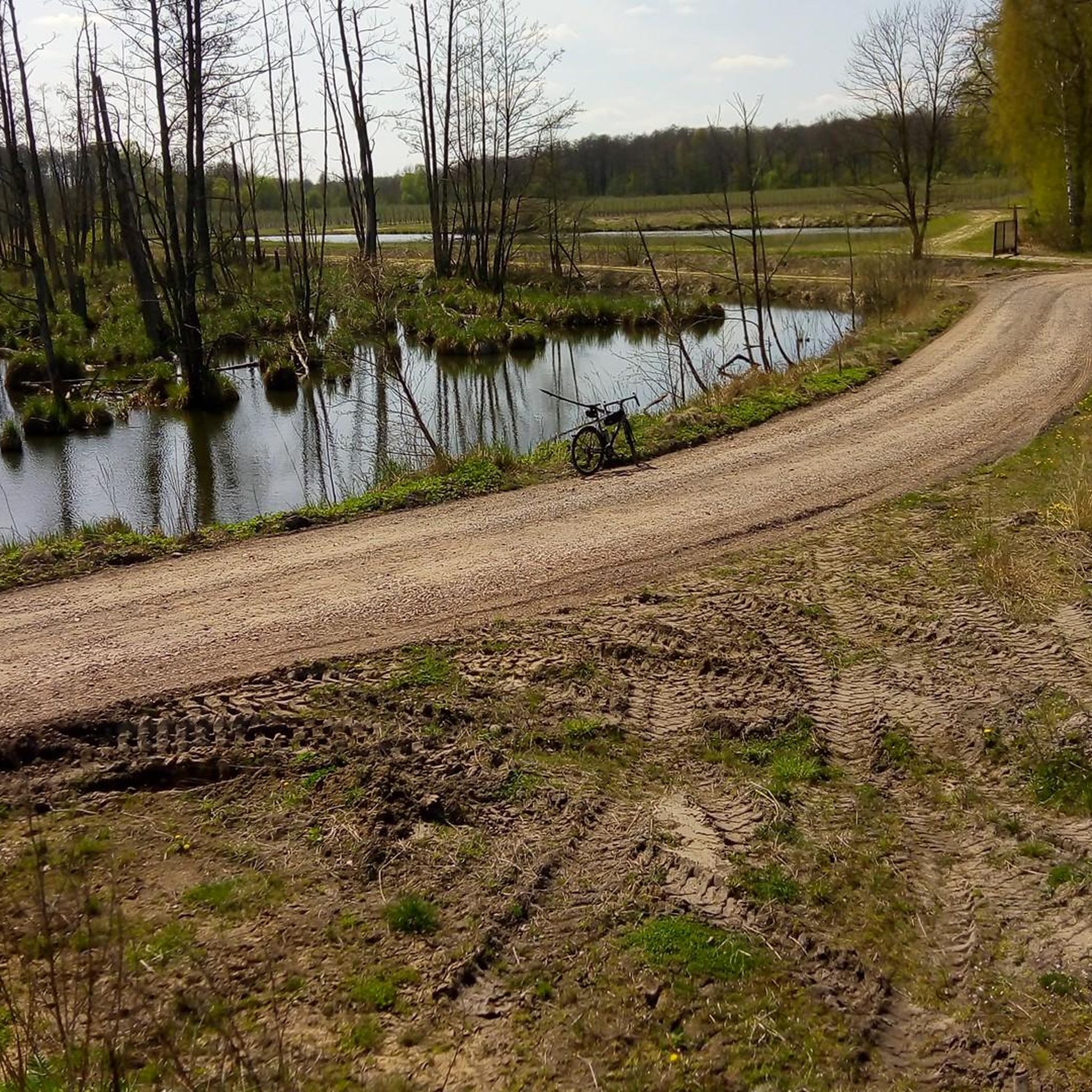
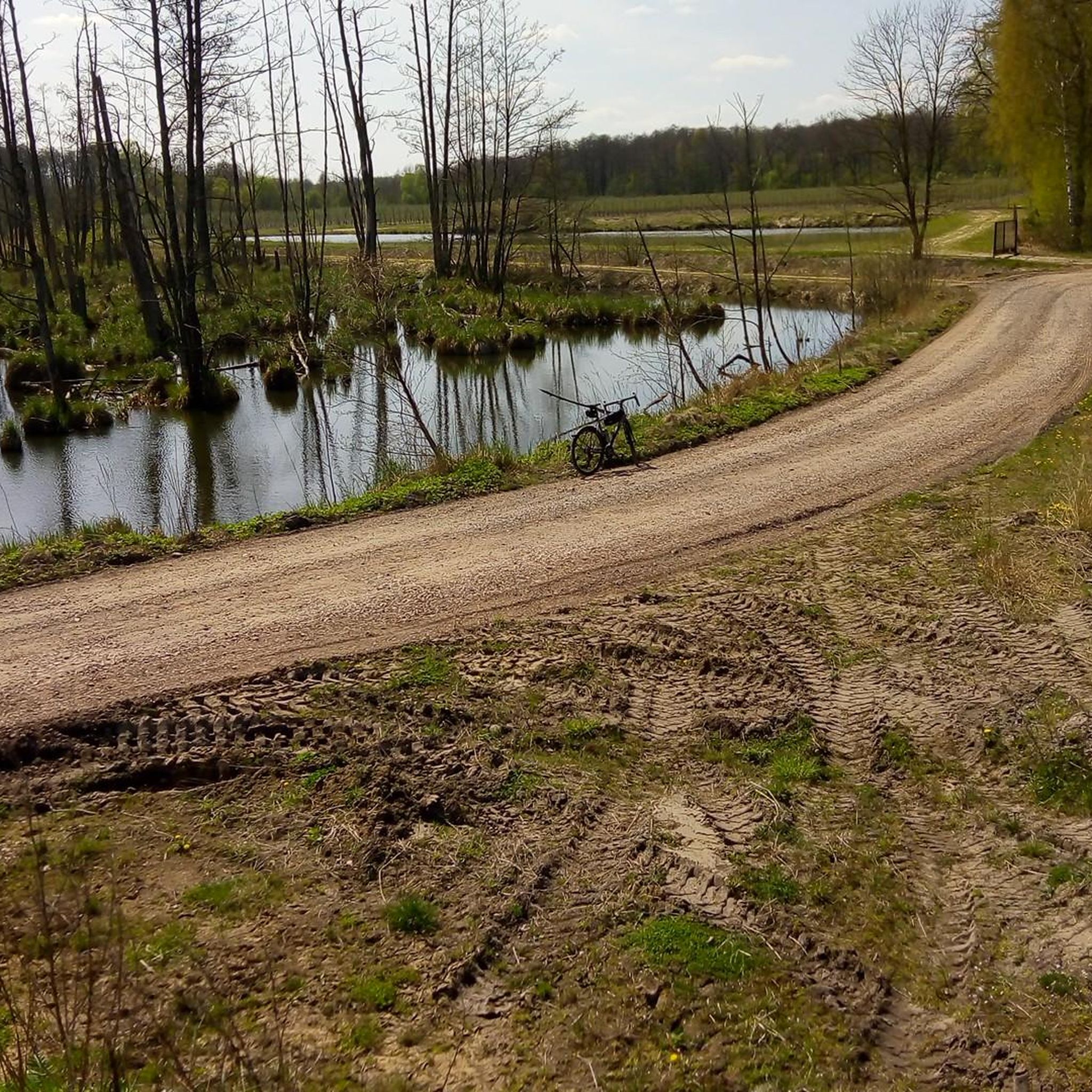
St. Anne's Ponds and Chapel
Highlight • Lake
Translated by Google •
Tip by

Jeziorka Valley Orchards
Highlight • Natural
Translated by Google •
Tip by

Church of Saints Peter and Paul in Skulsk
Highlight • Religious Site
It is a class II monument, one of the few wooden buildings in Poland. The foundation of the church …
Translated by Google •
Tip by

Sign up for free to discover even more attractions around Pniewy.
Sign up for free
Already have an account?
Start today with a free account
Your next adventure awaits.
Login or Signup

Tips from the Community

Actually, there are two chapels, both rebuilt. The originals were stolen, and one even burned down; their tangled history is described on a plaque nearby.
0
0

There's a large tree growing by the café behind the palace. I remember it being a rare species, and I think it's a Ginkgo biloba. Such a specimen is unique in Poland. It might be a tulip tree, though. I can't remember exactly, but I think someone might be interested in this tree, especially if they're as interested in plants and trees as she is.
1
0

An old roadside chapel with a cool history
0
0

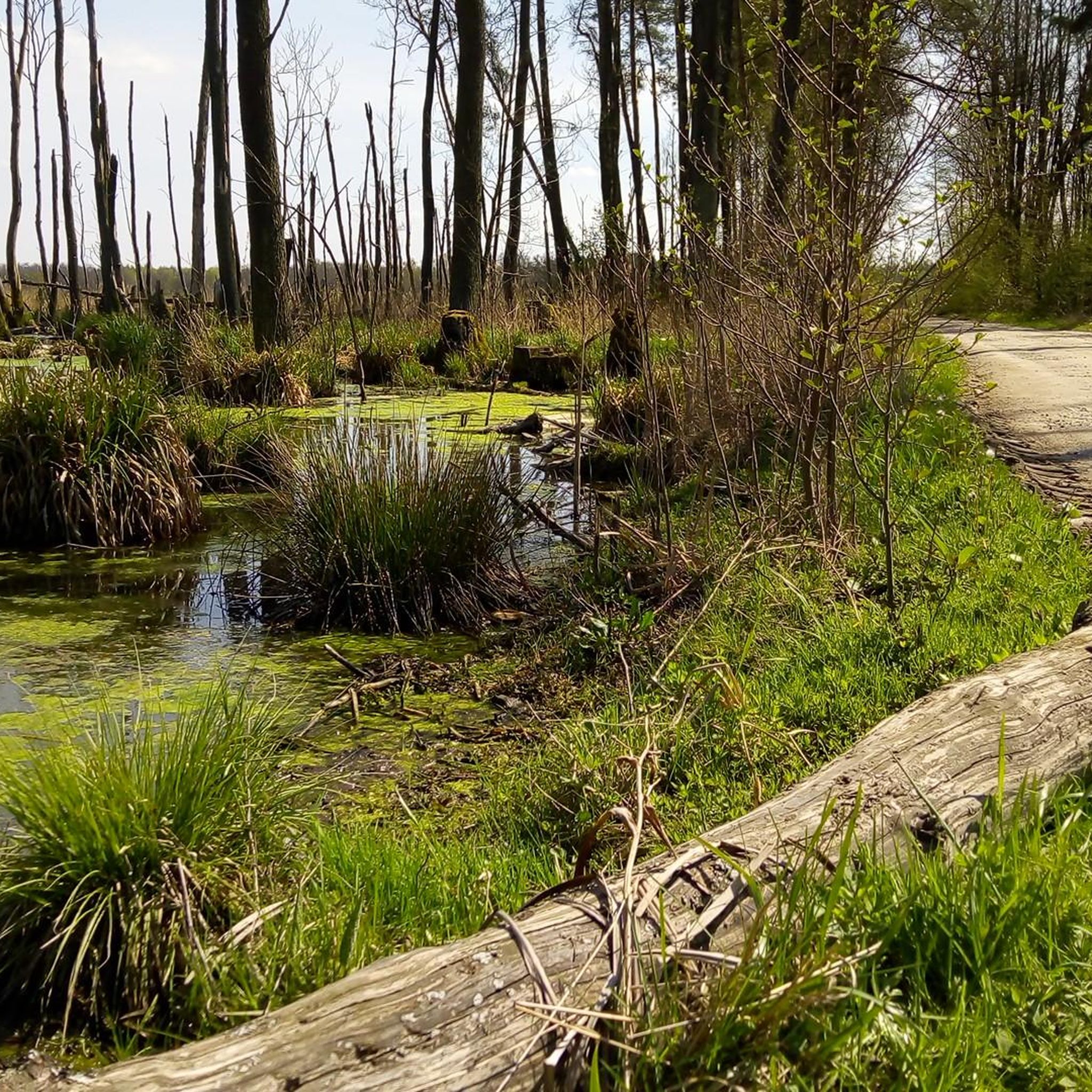
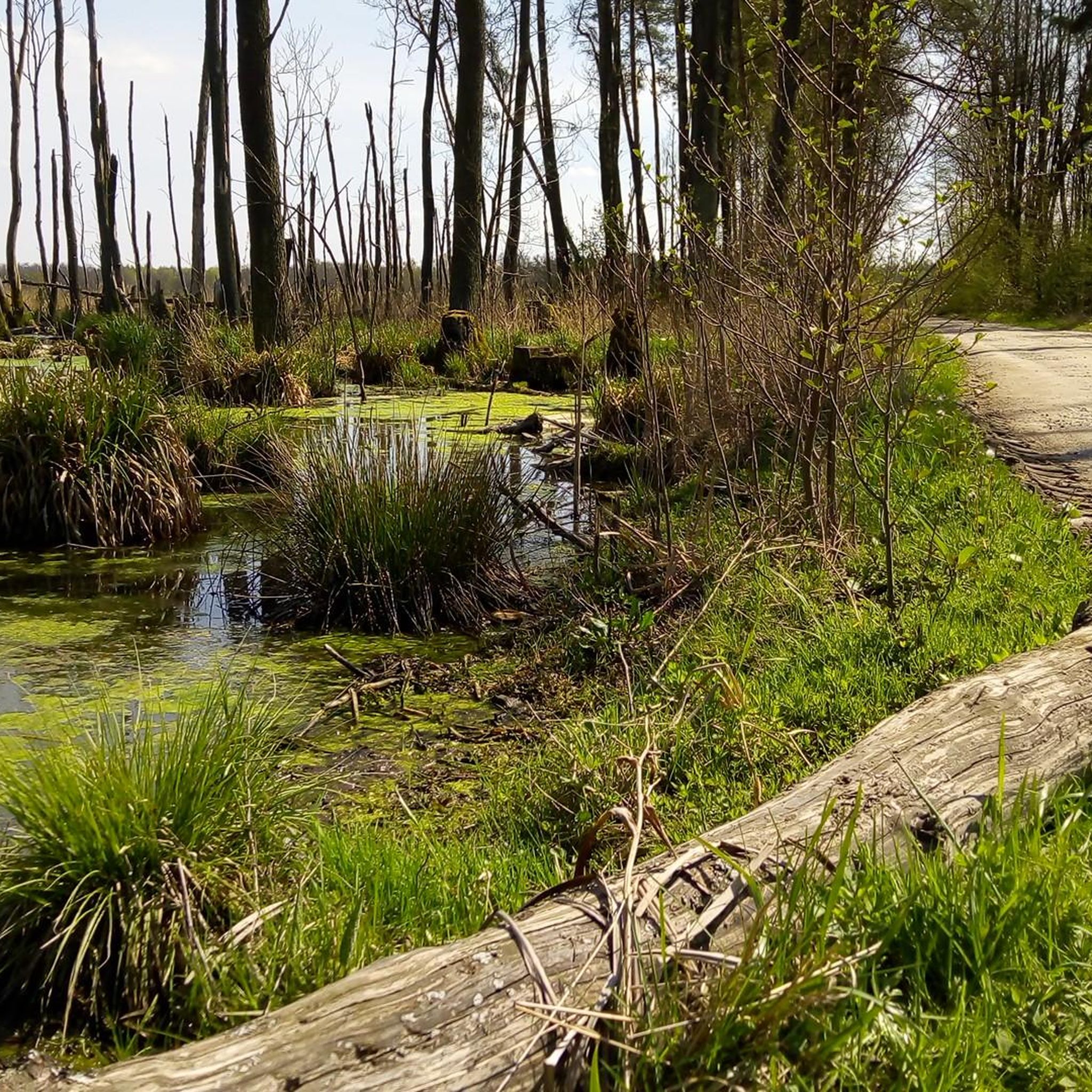
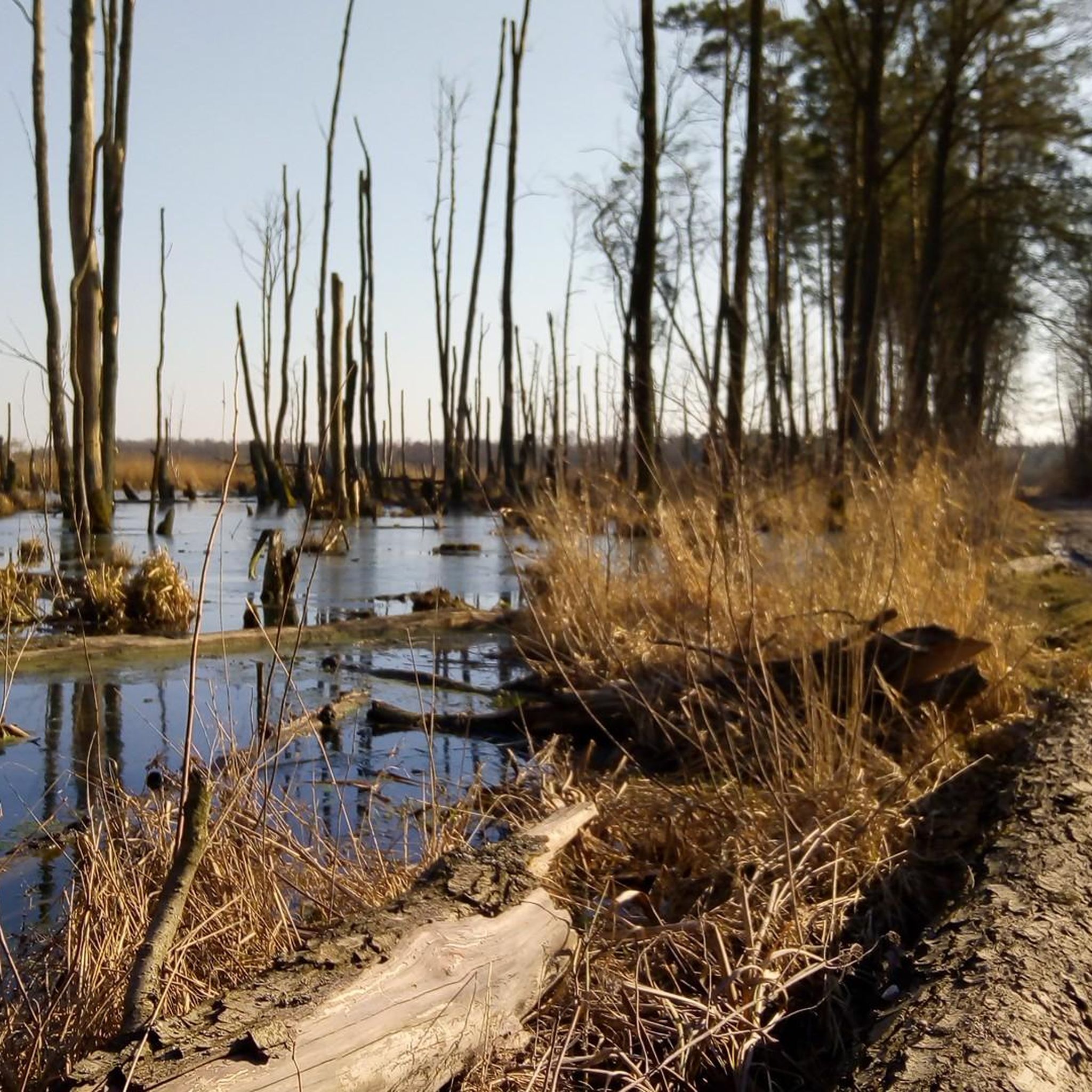
Feel the nature, it's worth taking your time there.
0
0

The beginnings of the creation of the "largest orchard in Europe" date back to the reign of Queen Bona, who was famous for her passion for gardening, including fruit growing. In 1545, she received large tracts of land in the Grójec district, which she later took care of, establishing numerous privileges for the owners of gardens. Then, fruit growing found legal support in the royal act of 1578, issued by Queen Bona's son. This gave rise to the development of fruit orchards, mainly apple orchards. Many historical works contain numerous mentions of the development of manor and peasant orchards in the Grójec region. A significant role in the history of "Grójecki apples" was also played by clergymen (Roch Wójcicki from Belsk, Niedźwiedzki from Łęczeszyce, Stefan Roguski from Goszczyn and Edward Kawiński from Konary), who in the 19th century were the main promoters of fruit growing in this region. At the beginning of the 20th century, commercial orchards were already established, the symbol of which was Jan Cieślak from Podgórzyce. He introduced high culture in the cultivation and storage of apples (in 1918 he built the first fruit storage facility in Poland). At the beginning of the 20th century, the first advisors also appeared, and one of the most famous from this region was Witalis Urbanowicz, who in 1909 became famous for developing the 10 gardening commandments. The very dynamic development of Grójec fruit growing, synonymous with Prof. Szczepan Pieniążek, began at the end of World War II. Thanks to him, the Institute of Pomology and Floriculture was established, which passed on the latest knowledge and experience in apple cultivation to local fruit growers. On the professor's recommendation, his student, Eligiusz Gajewski, founded the Experimental Plant of the Institute of Pomology and Floriculture in Nowa Wieś. This plant became a model farm from which Grójec fruit growers drew practical knowledge.
0
0
The current palace was built between the tower and the early Baroque palace (currently non-existent) and received its current form at the turn of the 18th and 19th centuries after a classicist reconstruction carried out by Kazimierz Krasiński, the Crown Campiander, according to the design of Jakub Kubicki. At that time, a columned porch with a terrace in front of the main entrance was also built. The expansion of the palace complex was later continued by Józef Wawrzyniec Krasiński, who created a landscape park around the palace that exists to this day and rebuilt the small castle in the neo-Gothic style, which is the remains of the former Radziejowski tower. Over the following decades, Radziejowice was visited by people of culture, including Juliusz Kossak, Henryk Sienkiewicz, Lucjan Rydel, Jarosław Iwaszkiewicz, Józef Chełmoński, Stanisław Masłowski.
1
0
A forest nature reserve located in the Nadarzyn commune in the Mazovian province. In 2003, a group of fallow deer was acclimatized here.
1
0
It was established in 1983 on an area of 23.73 ha. The purpose of protection is to preserve fragments of natural forest communities with associations of tall oak-hornbeam forest and mixed continental coniferous forest. It has high natural values. The oak-pine and oak stands occurring here are up to 180 years old. In the lower layer there is hornbeam and oak, while the undergrowth is dominated by buckthorn. The oak forests occurring in the reserve are among the oldest in Mazovia. Thanks to the large number of old, often hollow trees, the reserve is a breeding ground for numerous bird species.
0
0
Frequently Asked Questions
What natural features can I explore around Pniewy?
Pniewy offers a variety of natural attractions. You can visit the Młochowski Grąd Nature Reserve, which protects ancient oak-pine and oak stands, some up to 180 years old. The area also features the popular St. Anne's Ponds and Chapel, a recreational area with two water reservoirs surrounded by forests. Additionally, Pniewskie Lake is a popular spot for swimming and angling, and the region is dotted with 18th and 19th-century landscape parks.
Are there historical landmarks to visit in Pniewy?
Yes, Pniewy has several historical landmarks. The town is home to the late Gothic St. Lawrence Church, featuring a Baroque and Rococo interior, and the Holy Spirit Church, originally a hospital church from 1785. You can also explore the Radziejowice Palace and Park, a historical site that now serves as a cultural and artistic center. Other notable historical buildings include the Former Mail Coach Station and an 18th-century palace.
What kind of outdoor activities can I do near Pniewy's attractions?
The area around Pniewy is great for outdoor activities. You can find numerous routes for gravel biking, mountain biking, and hiking. For example, there are easy hiking trails around the Młochowski Grąd Nature Reserve, such as the Utrata Reservoir loop. For cycling, you can explore routes like the Scenic Gravel Path – Stawy Świętej Anny loop. You can find more details on these activities in the Gravel biking around Pniewy, Easy hikes around Pniewy, and MTB Trails around Pniewy guides.
Are there family-friendly attractions around Pniewy?
Many attractions around Pniewy are suitable for families. The Młochowski Grąd Nature Reserve offers relatively smooth paths for walks. St. Anne's Ponds and Chapel is a recreational area with a beach and designated bonfire spots, perfect for a family day out. The Jeziorka Valley Orchards are beautiful, especially in spring, and the Moose Statue in Łoś is a fun, quirky stop for kids.
What can I expect at Radziejowice Palace and Park?
The Radziejowice Palace and Park is a significant cultural and artistic center. The palace hosts exhibitions, including paintings by Józef Chełmoński. The complex is surrounded by a beautiful landscape park established in the 19th century, perfect for a stroll. There is also a great cafe at the back of the palace.
What is special about Młochowski Grąd Nature Reserve?
The Młochowski Grąd Nature Reserve is a forest that protects natural forest communities, including high-hornbeam and mixed coniferous forest. It is notable for its ancient oak-pine and oak stands, some of which are up to 180 years old, making it one of the oldest oak forests in Mazovia. Visitors appreciate its quiet atmosphere and relatively smooth paths.
Are there any notable churches or religious sites in Pniewy?
Yes, Pniewy has several significant religious sites. The **St. Lawrence Church** is a late Gothic structure with a rich Baroque and Rococo interior, housing a Renaissance chalice and an 18th-century painting by Paul Rubens. The **Holy Spirit Church** dates back to 1785 and is accompanied by the buildings of the Order of the Nuns of Perpetual Adoration. The **Sanctuary of St. Urszula Ledóchowska**, which includes a chapel and a memorial room, is also a key religious destination.
What do visitors enjoy most about the attractions around Pniewy?
Visitors particularly enjoy the natural beauty and historical significance of the area. The ancient forests of Młochowski Grąd Nature Reserve are praised for their tranquility, while the recreational facilities and scenic beauty of St. Anne's Ponds and Chapel are highly appreciated. The cultural and artistic offerings at Radziejowice Palace and Park also receive positive feedback.
Is parking available at Pniewy's attractions?
Parking availability varies by attraction. For instance, Radziejowice Palace and Park is noted to have parking facilities. For other locations, it's advisable to check specific visitor information or local signage upon arrival.
What are the Jeziorka Valley Orchards known for?
The Jeziorka Valley Orchards are renowned for their extensive fruit cultivation, particularly apples, with a history dating back to Queen Bona's reign in the 16th century. The area is especially beautiful in spring when the fruit trees are in bloom, offering picturesque landscapes.
Are there any viewpoints around Pniewy?
Yes, St. Anne's Ponds and Chapel is considered a viewpoint, offering scenic views of the two water reservoirs and surrounding forests. The landscape parks around Pniewy also provide pleasant vistas.
Can I find dog-friendly trails or attractions in the Pniewy area?
While specific dog-friendly designations are not always listed, many natural areas like the Młochowski Grąd Nature Reserve and the paths around St. Anne's Ponds are generally suitable for walks with dogs, provided they are kept on a leash and owners clean up after them. Always check local regulations before visiting.
Most popular attractions around Pniewy

Get inspired with the komoot mobile app


Explore more
Still not found the Highlight you’re looking for? See guides of the top attractions in other regions:
