Attractions and Places To See around Chynów - Top 20
Best attractions and places to see around Chynów include a blend of historical sites, cultural landmarks, and natural features. This gmina in Poland's Masovian Voivodeship is known for its expansive orchards and gentle hills, with the Czarna River flowing through the area. Situated about 40 km south of Warsaw, the region offers diverse attractions, from historic churches to significant natural landscapes.
Best attractions and places to see around Chynów
- The most popular attractions is Góra Café, a cafe known…
Last updated: July 1, 2026
Góra Café
Highlight • Cafe
Translated by Google •
Tip by

Castle of the Masovian Dukes in Czersk
Highlight • Castle
Translated by Google •
Tip by

Sign up now to discover places like this
Get recommendations on the best single tracks, peaks, & plenty of other exciting outdoor places.
Sign up for free
Jeziorka Valley Orchards
Highlight • Natural
Translated by Google •
Tip by

An asphalt path along the orchards
Highlight (Segment) • Cycleway
Translated by Google •
Tip by

Church of the Transfiguration
Highlight • Religious Site
Translated by Google •
Tip by
Sign up for free to discover even more attractions around Chynów.
Sign up for free
Already have an account?
Start today with a free account
Your next adventure awaits.
Login or Signup

Tips from the Community

The Church of the Transfiguration of the Lord in Czersk is one of the oldest churches in Masovia. It was built at the turn of the 14th and 15th centuries with the funding of Duke Janusz I the Elder – the same one who erected the nearby castle. The church was built of brick in the Gothic style and has retained its medieval character to this day. Inside, you can see, among other things, historic vaults, old tombstones, and elements of equipment reminiscent of the times of the Polish–Lithuanian Commonwealth. For centuries, the temple was an important place for the Masovian dukes and the inhabitants of old Czersk, which before the development of Warsaw was one of the most important centers of the region. An interesting fact is that the church stands very close to the castle, thanks to which both monuments today form one of the most characteristic historical points of southern Masovia.
1
0

A cycling mecca near Warsaw :-). We're waiting for new asphalt ;-)
0
0

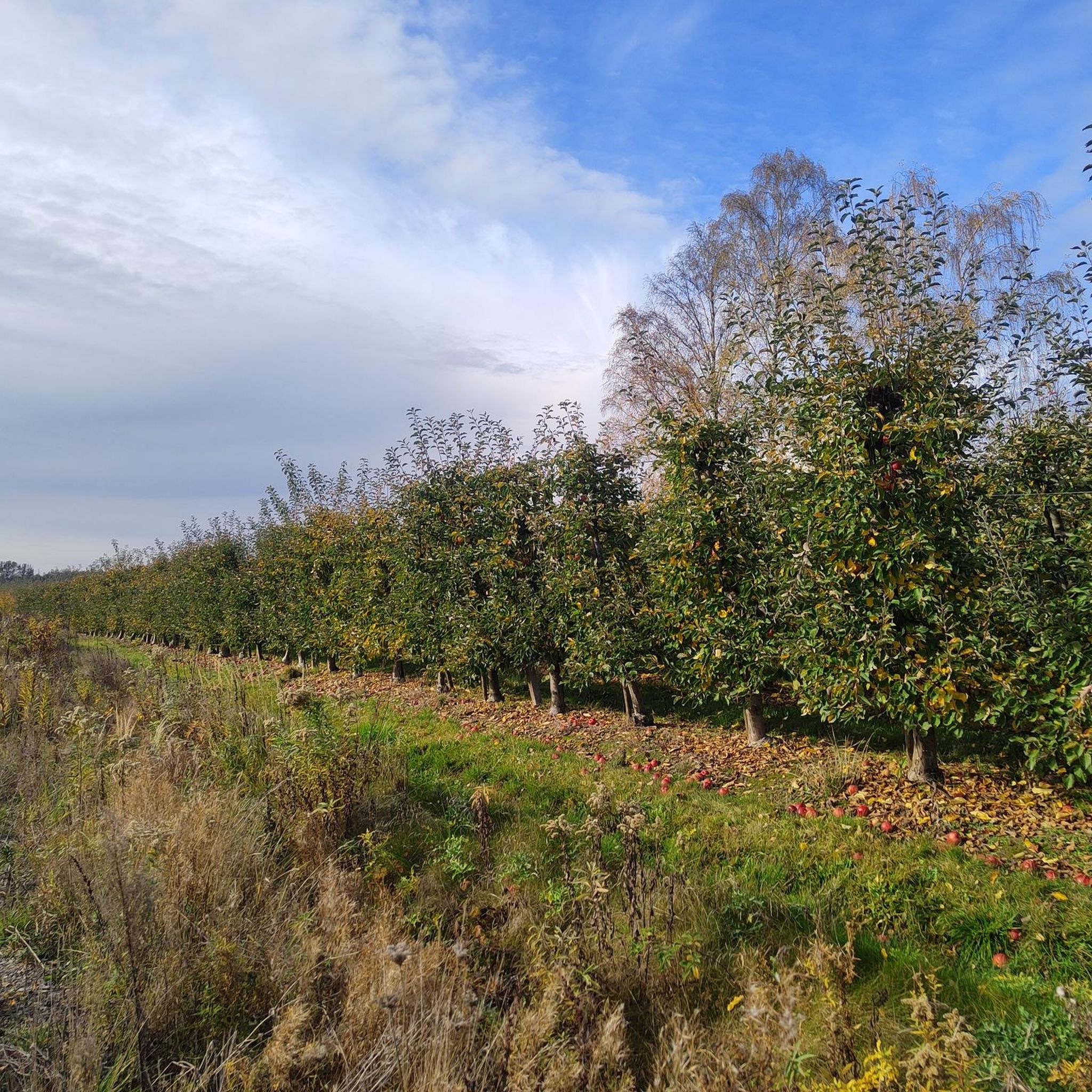
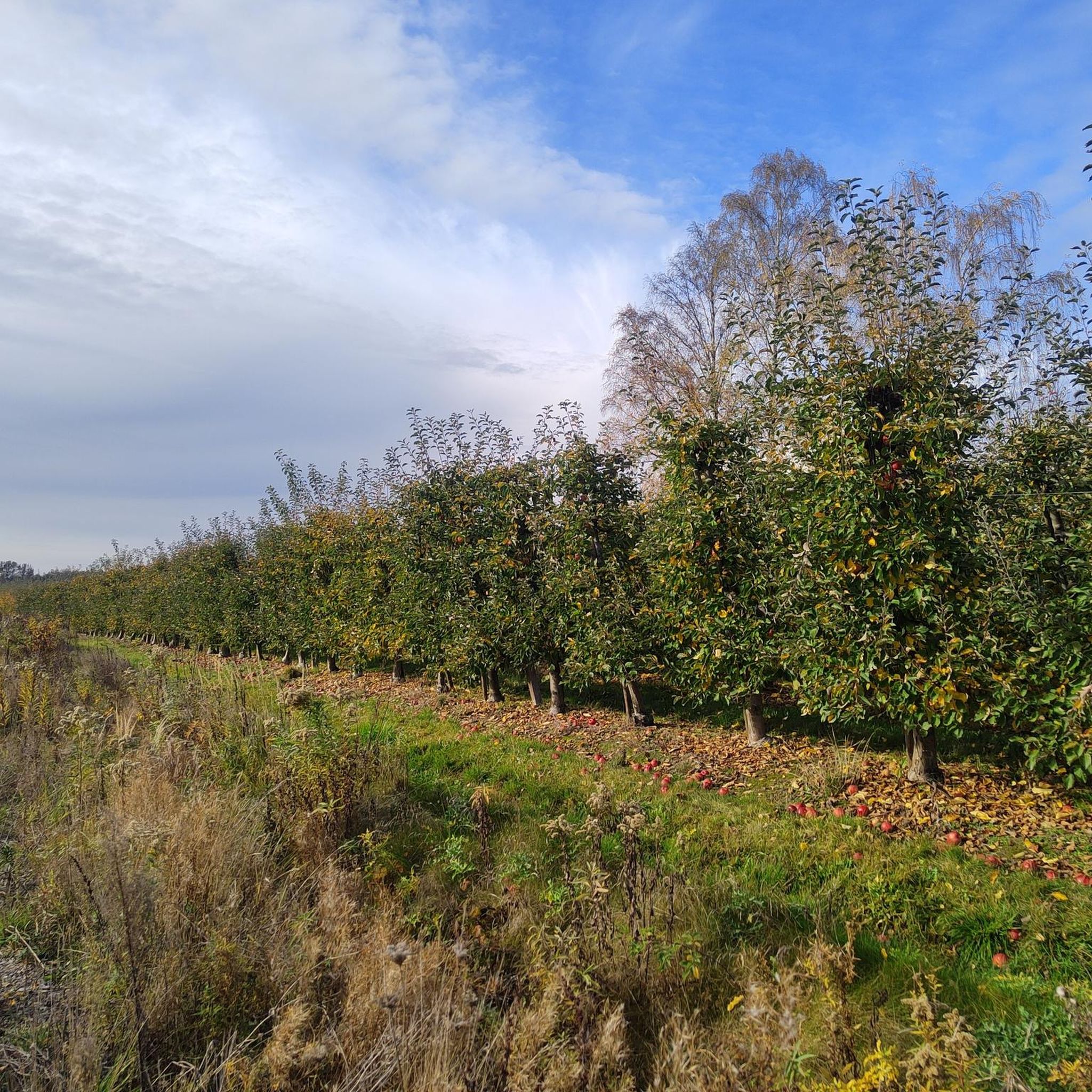
The beginnings of the creation of the "largest orchard in Europe" date back to the reign of Queen Bona, who was famous for her passion for gardening, including fruit growing. In 1545, she received large tracts of land in the Grójec district, which she later took care of, establishing numerous privileges for the owners of gardens. Then, fruit growing found legal support in the royal act of 1578, issued by Queen Bona's son. This gave rise to the development of fruit orchards, mainly apple orchards. Many historical works contain numerous mentions of the development of manor and peasant orchards in the Grójec region. A significant role in the history of "Grójecki apples" was also played by clergymen (Roch Wójcicki from Belsk, Niedźwiedzki from Łęczeszyce, Stefan Roguski from Goszczyn and Edward Kawiński from Konary), who in the 19th century were the main promoters of fruit growing in this region. At the beginning of the 20th century, commercial orchards were already established, the symbol of which was Jan Cieślak from Podgórzyce. He introduced high culture in the cultivation and storage of apples (in 1918 he built the first fruit storage facility in Poland). At the beginning of the 20th century, the first advisors also appeared, and one of the most famous from this region was Witalis Urbanowicz, who in 1909 became famous for developing the 10 gardening commandments. The very dynamic development of Grójec fruit growing, synonymous with Prof. Szczepan Pieniążek, began at the end of World War II. Thanks to him, the Institute of Pomology and Floriculture was established, which passed on the latest knowledge and experience in apple cultivation to local fruit growers. On the professor's recommendation, his student, Eligiusz Gajewski, founded the Experimental Plant of the Institute of Pomology and Floriculture in Nowa Wieś. This plant became a model farm from which Grójec fruit growers drew practical knowledge.
0
0
The beginnings of the creation of the "largest orchard in Europe" date back to the reign of Queen Bona, who was famous for her passion for gardening, including fruit growing. In 1545, she received large tracts of land in the Grójec district, which she later took care of, establishing numerous privileges for the owners of gardens. Then, fruit growing found legal support in the royal act of 1578, issued by Queen Bona's son. This gave rise to the development of fruit orchards, mainly apple orchards. Many historical works contain numerous mentions of the development of manor and peasant orchards in the Grójec region. A significant role in the history of "Grójecki apples" was also played by clergymen (Roch Wójcicki from Belsk, Niedźwiedzki from Łęczeszyce, Stefan Roguski from Goszczyn and Edward Kawiński from Konary), who in the 19th century were the main promoters of fruit growing in this region. At the beginning of the 20th century, commercial orchards were already established, the symbol of which was Jan Cieślak from Podgórzyce. He introduced high culture in the cultivation and storage of apples (in 1918 he built the first fruit storage facility in Poland). At the beginning of the 20th century, the first advisors also appeared, and one of the most famous from this region was Witalis Urbanowicz, who in 1909 became famous for developing the 10 gardening commandments. The very dynamic development of Grójec fruit growing, synonymous with Prof. Szczepan Pieniążek, began at the end of World War II. Thanks to him, the Institute of Pomology and Floriculture was established, which passed on the latest knowledge and experience in apple cultivation to local fruit growers. On the professor's recommendation, his student, Eligiusz Gajewski, founded the Experimental Plant of the Institute of Pomology and Floriculture in Nowa Wieś. This plant became a model farm from which Grójec fruit growers drew practical knowledge.
0
0

On Mondays tickets are 2zł
2
0
the priest apparently does not expel
0
0

A long asphalt carpet along the orchards.
0
0
Church of the Transfiguration of the Lord - a Roman Catholic parish church belonging to the Czersk deanery of the Archdiocese of Warsaw. This is a temple built in the years 1805-1806. Bricks from the demolition of the castle were used for its construction. It was a compensation for the Prussian government for taking away the parish in the village of Linin. The church was built on a rectangular plan in the neo-Baroque style. At the end of the 19th century, a sacristy and a treasury were added, as well as a tower, on the top of which hangs a bell consecrated on September 23, 1956. https://www.parafiaczersk.pl/
1
0
Frequently Asked Questions
What historical sites can I visit near Chynów?
The region around Chynów is rich in history. You can explore the ruins of the Castle of the Masovian Dukes in Czersk, a 14th-century moated castle with two round towers and a Gothic square tower. Other notable historical sites include the oldest larch wood church in Chynów, dating to the 18th century, the Baroque church in Drwalew, and the Neo-Gothic church in Pieczyska, which houses three Baroque altars.
What natural attractions can I explore in Chynów?
Chynów is renowned for its natural beauty, particularly its expansive orchards. The Jeziorka Valley Orchards are especially picturesque when the fruit trees are in bloom. The gmina also features gentle hills, dune embankments, and the Czarna River, which flows through the area, dividing it into western and eastern parts. Forests cover about 13% of the gmina, offering scenic landscapes.
Are there family-friendly attractions in Chynów?
Yes, several attractions in and around Chynów are suitable for families. The Castle of the Masovian Dukes in Czersk is a historical site that can be engaging for all ages. The Jeziorka Valley Orchards offer a beautiful natural setting for family strolls, especially during bloom season. Additionally, the Góra Café is a welcoming spot for families to relax and enjoy treats.
What outdoor activities can I do around Chynów?
Chynów offers various outdoor activities, especially cycling and hiking. You can find numerous routes for different skill levels. For cycling, explore routes like the 'Julianów Forest Road – Bridge Over the Czarna Canal loop' or the 'Bridge Over the Czarna Canal – Airstrip and Paved Road loop'. For hiking, there's a 19.5 km yellow hiking trail (no. 15) connecting Warka, Gośniewice, Krężel, and Chynów. You can find more detailed routes and guides for cycling at Cycling around Chynów and for hiking at Easy hikes around Chynów.
Are there easy hiking trails in the Chynów area?
Yes, there are several easy hiking trails suitable for beginners or those looking for a relaxed walk. For example, you can find routes like the 'Wareckich Morsów Square loop' or the 'Kazimierz Pułaski Monument loop' which are rated as easy. The terrain in Chynów is generally characterized by gentle hills and dune embankments, making it suitable for less strenuous walks. More options are available in the Easy hikes around Chynów guide.
When is the best time to visit Chynów?
The best time to visit Chynów largely depends on your interests. Spring is particularly beautiful when the region's famous orchards, such as the Jeziorka Valley Orchards, are in full bloom. Summer offers pleasant weather for hiking and cycling. The historical sites and churches can be visited year-round.
What kind of cycling routes are available near Chynów?
Chynów is popular for cycling, offering routes ranging from easy to moderate difficulty. Examples include the 'Julianów Forest Road – Roadside Shrine in Chynów loop' (easy, 18.2 km) and the 'Bridge Over the Czarna Canal – Airstrip and Paved Road loop' (moderate, 47.2 km). These routes allow you to explore the scenic orchards and gentle landscapes of the region. For a comprehensive list, refer to the Cycling around Chynów guide.
Are there any good viewpoints around Chynów?
While not explicitly designated as viewpoints, the Castle of the Masovian Dukes in Czersk, situated on a hill on the left bank of the Vistula, offers panoramic views of the surrounding area. Additionally, the Glinki–Góra Kalwaria Railway Bridge provides views of the Vistula River.
Are there places to relax and eat near the attractions?
Yes, the Góra Café is a highly-rated spot known for its cycling-friendly atmosphere, delicious coffee, and cakes, including cheesecake. It's a great place to take a break and refuel while exploring the area.
What are some unique historical buildings to see in the Chynów area?
Beyond the well-known castle, you can discover several unique historical buildings. The oldest larch wood church in Chynów, established in 1434, is a significant monument. The Baroque parish church in Drwalew, built between 1768 and 1774, features intricate altars and a Rococo organ. The Neo-Gothic church in Pieczyska, a Marian sanctuary, also incorporates Gothic fragments from an earlier 15th-century structure.
Can I bring my dog to the attractions or trails in Chynów?
Many outdoor areas and trails in Chynów, such as the orchards and hiking paths, are generally dog-friendly, especially if your dog is well-behaved and kept on a leash. For specific indoor attractions or private properties like the palaces, it's advisable to check their individual policies beforehand.
What is the significance of orchards in Chynów?
Chynów is a major fruit-growing center and part of the 'Grójecko-Wareckie fruit basin,' a significant region for fruit production in Poland. The orchards, particularly the Jeziorka Valley Orchards, are not only an economic backbone but also a defining natural feature, offering stunning landscapes, especially during the blooming season.

Get inspired with the komoot mobile app


Explore more
Still not found the Highlight you’re looking for? See guides of the top attractions in other regions:
