The best cycling routes around Błędów
4.3
(24)
185
riders
28
rides
Touring cycling routes around Błędów offer a distinctive landscape, primarily defined by the Błędów Desert, Central Europe's largest inland accumulation of loose sand. This unique terrain, often referred to as the "Polish Sahara," is divided by the Biała Przemsza River, adding a contrasting element to the sandy environment. Surrounding pine and birch forests create ecological transition zones, providing varied scenery for cyclists. Viewpoints such as Czubatka and Dąbrówka Hill offer panoramic vistas of the desert.
Best touring cycling routes around…
Last updated: August 28, 2026
3.0
(1)
7
riders
37.8km
02:16
170m
170m
Moderate bike ride. Good fitness required. Mostly paved surfaces. Suitable for all skill levels.
4.0
(1)
4
riders
11.8km
00:48
60m
60m
Easy bike ride. Great for any fitness level. Mostly paved surfaces. Suitable for all skill levels.

Sign up for free
4
riders
24.1km
01:33
100m
100m
Easy bike ride. Great for any fitness level. Mostly paved surfaces. Suitable for all skill levels.
6
riders
33.5km
02:12
160m
160m
Moderate bike ride. Good fitness required. Mostly paved surfaces. Suitable for all skill levels.
3
riders
9.58km
00:34
60m
60m
Easy bike ride. Great for any fitness level. Mostly paved surfaces. Suitable for all skill levels.
Get access to more routes and recommendations from other explorers.
Sign up for free
Already have an account?
Our route recommendations are based on thousands of hikes, rides, and runs completed by other people on komoot.
Start today with a free account
Your next adventure awaits.
Login or Signup
Popular around Błędów

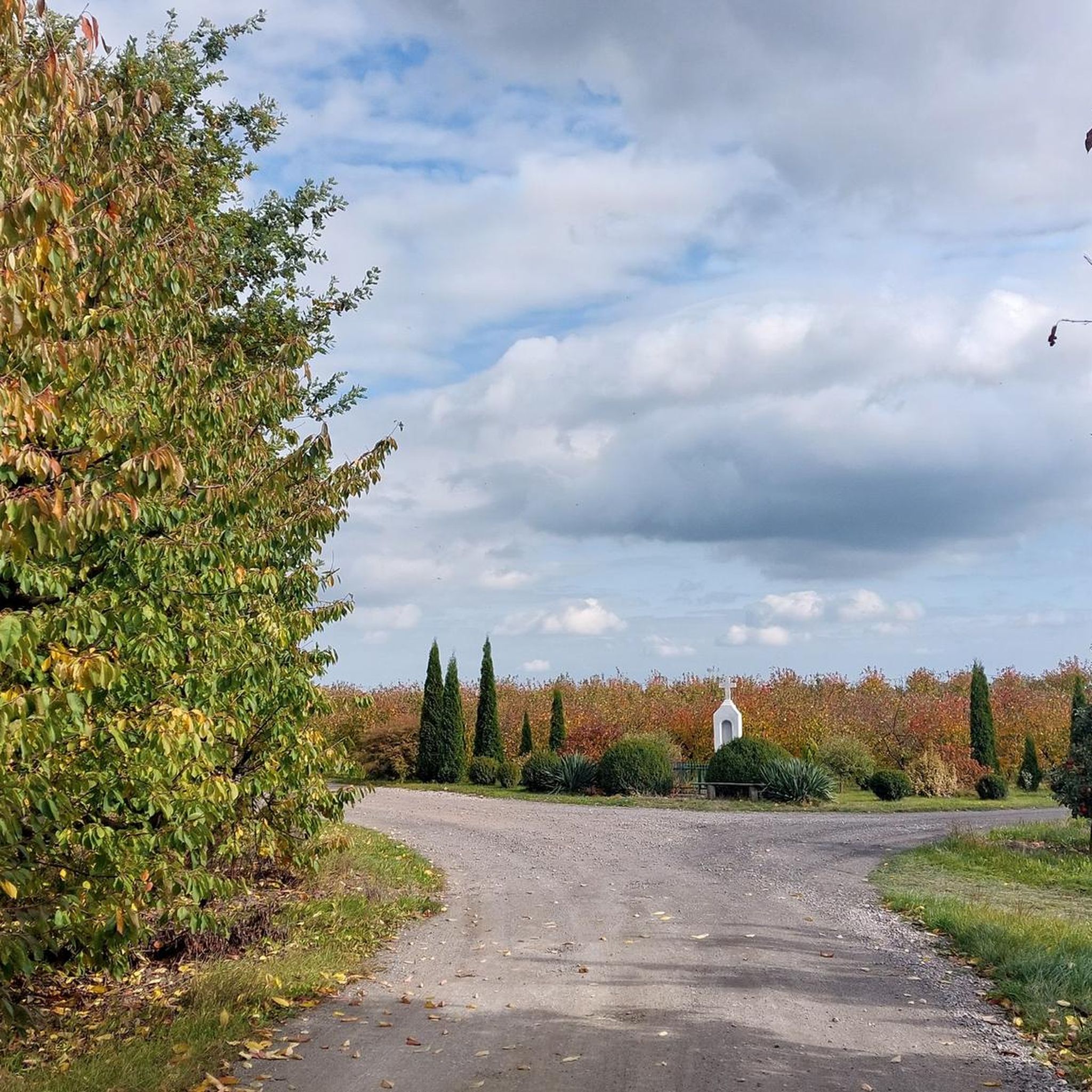

Tips from the Community

Very beautiful place for sunbathing, fishing. There is a hotel and a restaurant.
0
0

Here is the most interesting historical information about the church and parish in Jeziórka: Medieval roots and the Benedictine Order: The parish's history dates back to the 15th century (probably established in the second half of the 15th century). The first church in this area was built by the Benedictine fathers. The first wooden churches deteriorated over the centuries due to fires and wars (including the Swedish Deluge). Dramatic fire of 1918: The previous, 18th-century wooden church burned down completely at the end of World War I in 1918. Thanks to the dedication of the parishioners, valuable elements of the equipment were saved at that time. Construction of the current church (1928–1934): The contemporary, brick church was built from the donations of the inhabitants in the years 1928–1931 under the leadership of Rev. Józef Żółtek and according to the design of architect B. Rogaczewski. The temple was solemnly consecrated in 1934 by Archbishop Stanisław Gall. The Miraculous Image of Our Lady of Jeziórka: In the right side altar is a seventeenth-century, grace-famous image of Our Lady with the Child in a silver dress. It survived the fire of 1918, and in 1987 it was solemnly re-crowned by the Primate of Poland, Cardinal Józef Glemp. Historic elements of the equipment: The Baroque main altar dates from the 18th century – it was moved to Jeziórka from the Church of the Nativity of the Blessed Virgin Mary in Warsaw's Leszno district. The church houses a historic, Baroque baptismal font made of Kielce marble, engraved with the year 1650. Interesting fact: From the area of the Jeziórka parish came the Servant of God Fr. Kazimierz Wyszyński (1700–1755), a distinguished monk from the Congregation of Marian Priests.
0
0

The Church of St. Florian in Mogielnica has a tall tower visible from many streets in the city center. Its history dates back several centuries, and elements of old sacral equipment have been preserved within its walls. The church is still a place for regular services and important parish celebrations.
0
0

Pride goes before a fall, and haughtiness of spirit before ruin
1
0

a mural on the entire wall of a tenement house
0
0
The manor house, supposedly from 1840, is impossible to enter, but I probably wouldn't dare anyway because it's in a very bad condition.
0
0
Frequently Asked Questions
How many touring cycling routes are available around Błędów?
There are over 20 touring cycling routes around Błędów, offering a variety of experiences through its unique landscapes.
What are the difficulty levels of touring cycling routes in Błędów?
The routes cater to various skill levels. You'll find 14 easy routes, 6 moderate routes, and 3 more challenging options, ensuring there's something for every touring cyclist.
What kind of terrain can I expect on touring cycling routes in Błędów?
You'll encounter diverse terrain, from paved roads and gravel forest paths, especially along routes like the Velo Pustynia, to sections near the unique sandy landscapes of the Błędów Desert and through surrounding pine and birch forests. The Biała Przemsza River also adds contrasting elements to the environment.
What is the best time of year to go touring cycling in Błędów?
Spring and autumn generally offer the most pleasant conditions for touring cycling in Błędów, with milder temperatures and beautiful scenery. Summer can also be enjoyable, but be prepared for potentially warmer weather, especially in the open desert areas.
Are there any viewpoints or landmarks to see along the cycling routes?
Yes, several routes offer access to panoramic viewpoints and interesting landmarks. You can enjoy vistas of the Błędów Desert from designated spots like Czubatka in Klucze and Dąbrówka Hill in Chechło. Additionally, routes like Old Building from 1871 – Manor House in Wilczogóra loop from Mała Wieś explore historical landmarks and the surrounding countryside.
Can I combine touring cycling with exploring historical sites?
Absolutely. The Błędów Desert area is connected to the historic Trail of the Eagles' Nests, offering extensive possibilities to combine desert landscapes with ancient castles and diverse natural scenery. Routes such as Palace in Mała Wieś – Modrzewina Mausoleum Gate loop from Mała Wieś also lead through areas with historical palaces and mausoleums.
Are there any dedicated cycling trails in the Błędów Desert area?
Yes, the region features dedicated cycling infrastructure. The Velo Pustynia route is a 16.5 km loop designed for cycling, incorporating both paved and gravel sections. The Velo Przemsza Trail also offers a route largely separated from car traffic, connecting attractions like the Błędów Desert with Rabsztyn Castle and the Wolbrom Reservoir.
Are there family-friendly touring cycling routes in Błędów?
Yes, there are several easy routes suitable for families. For instance, the Osieczek Mill loop from Jeziórka is an easy 11.4 km path that offers a shorter ride through local scenery, including a historic mill, making it a great option for a family outing.
Are the touring cycling routes in Błędów suitable for dogs?
While specific regulations for dogs on cycling routes can vary, many of the forest paths and less crowded trails around Błędów are generally dog-friendly, especially if your dog is accustomed to cycling alongside you. Always keep your dog on a leash and ensure they have plenty of water, particularly in warmer weather or sandy areas.
Are there circular touring cycling routes available?
Yes, many of the touring cycling routes in Błędów are designed as loops, allowing you to start and end at the same point. Examples include the Old Building from 1871 – Manor House in Wilczogóra loop from Mała Wieś and the Palace in Mała Wieś – Modrzewina Mausoleum Gate loop from Mała Wieś.
Where can I find parking for touring cycling routes in Błędów?
Parking is generally available near popular access points and viewpoints, such as those around Czubatka and Dąbrówka Hill, which serve as starting points for exploring the desert and surrounding areas. Look for designated parking areas in towns and villages adjacent to the main cycling routes.
Is public transport available to reach the cycling routes in Błędów?
Public transport options, such as local buses, connect some of the towns and villages around Błędów. However, direct access to all cycling route starting points via public transport might be limited. Planning your journey in advance and checking local schedules is recommended.
Are there places to eat or stay near the cycling routes?
Yes, you can find various amenities in the towns and villages surrounding the Błędów Desert. For example, the Stary Młyn on the Jeziorka – Restaurant and Marina offers a place to eat. Accommodation options, including guesthouses and small hotels, are available in nearby localities, providing convenient bases for your cycling adventures.
What do other touring cyclists say about the routes in Błędów?
The touring cycling routes in Błędów are highly rated by the komoot community, with an average score of 4.6 stars from over 10 reviews. Cyclists often praise the unique desert landscape, the contrasting forest paths, and the opportunity to explore historical landmarks.
Most popular routes around Błędów
Most popular attractions around Błędów

Get inspired with the komoot mobile app


Explore more
Browse the best Cycling routes in other regions.
