Attractions and Places To See around gmina Belsk Duży - Top 20
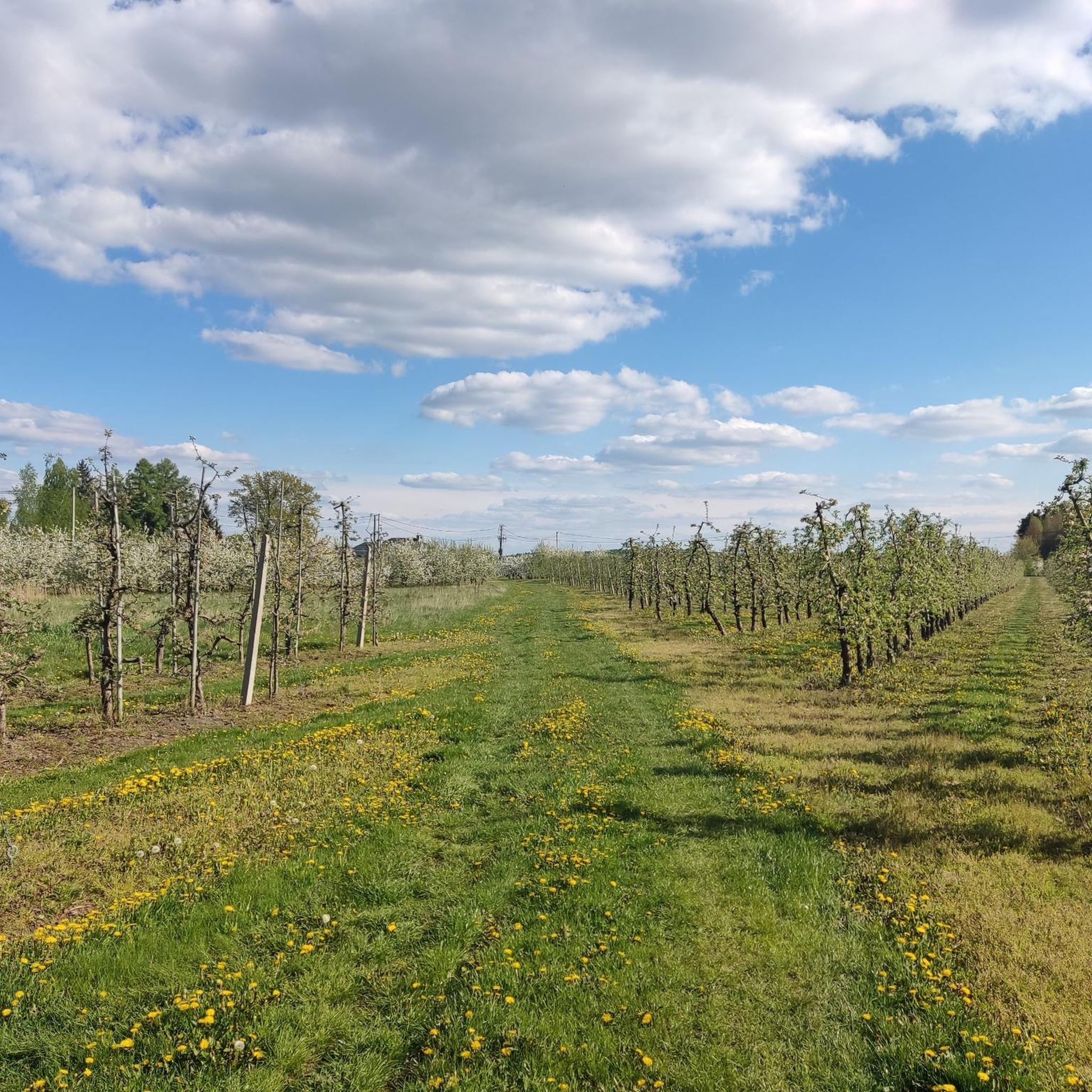
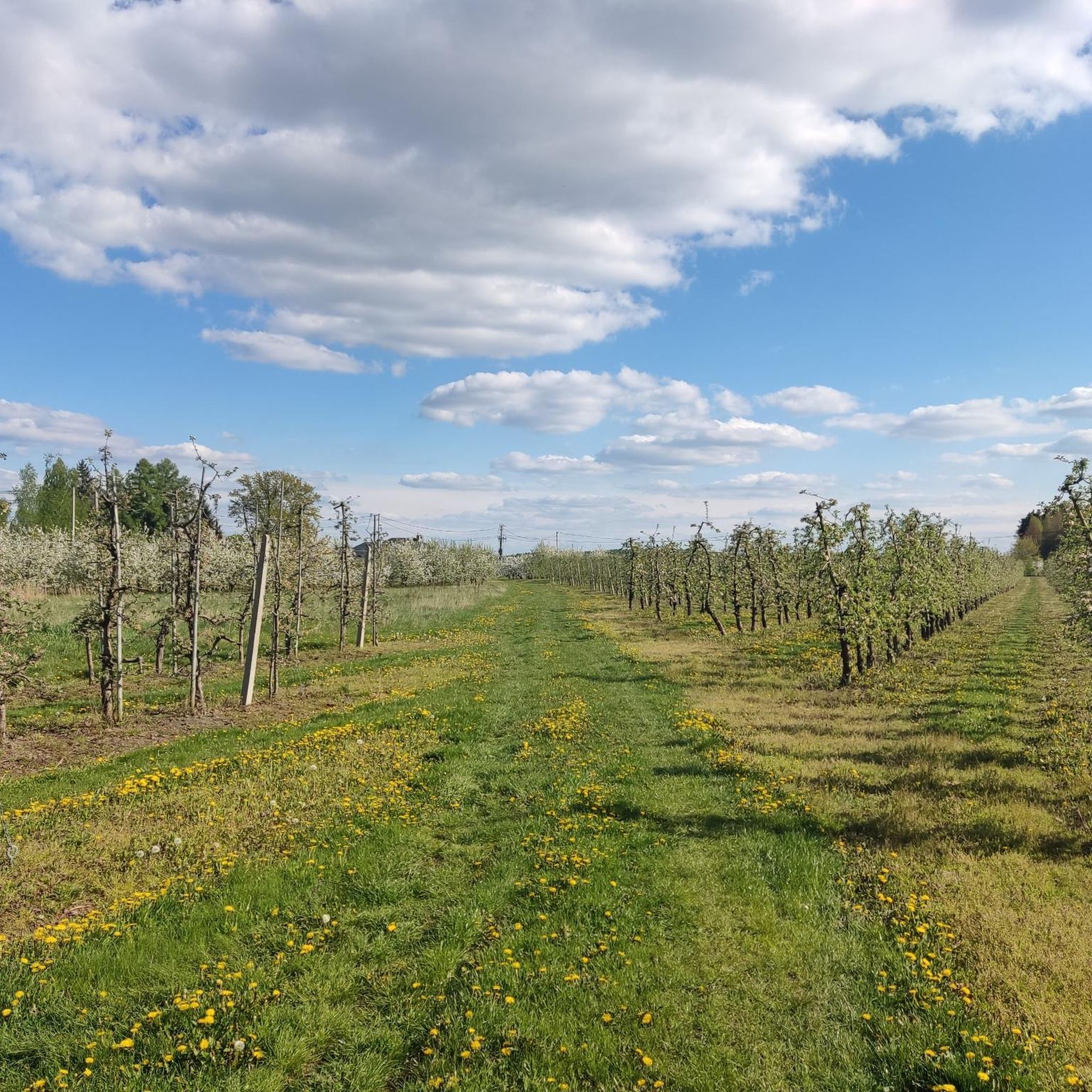
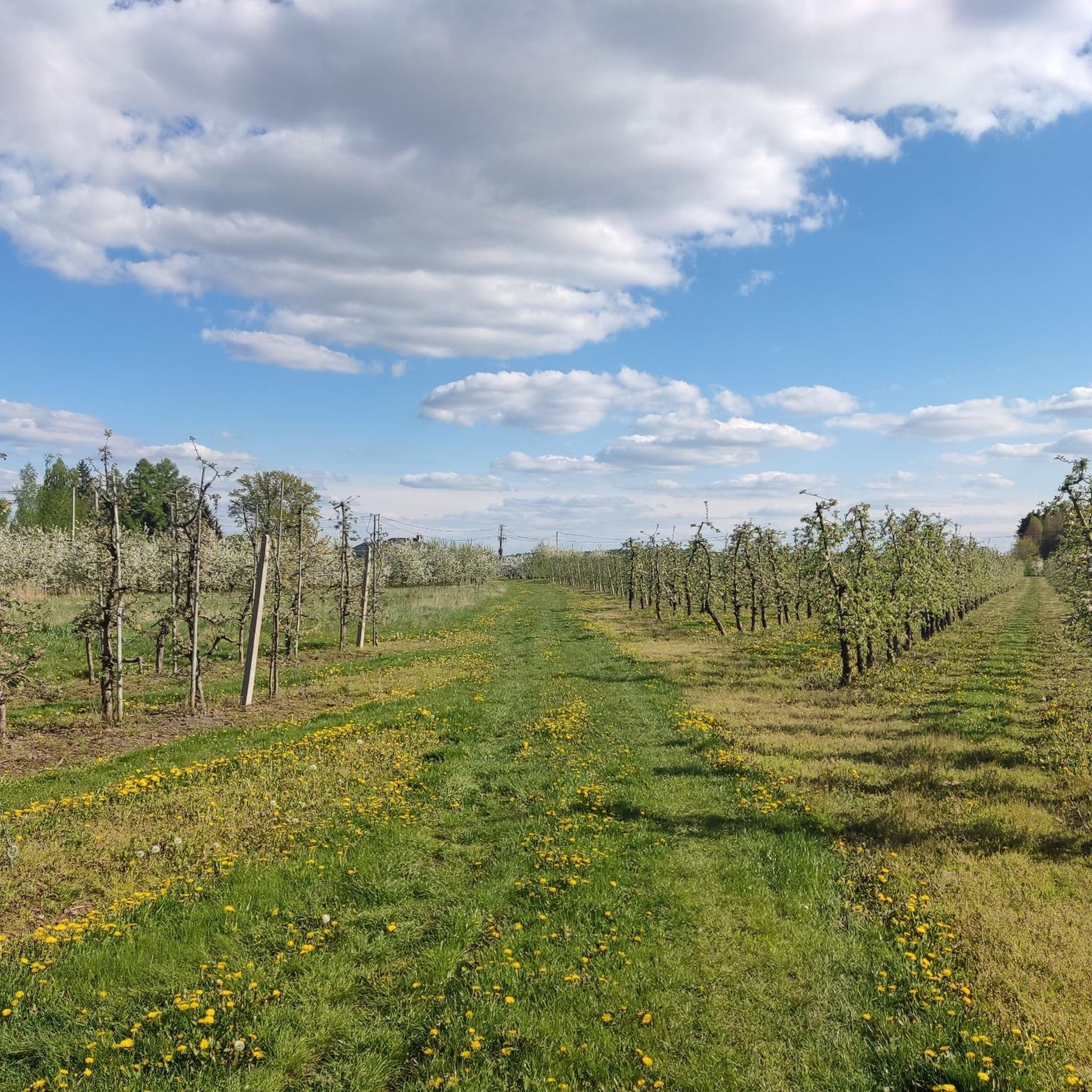
Best attractions and places to see around gmina Belsk Duży include historical landmarks, natural reserves, and cultural sites. This region in Poland's Masovian Voivodeship is known for its extensive orchards, particularly vibrant in spring. Visitors can explore a mix of historical churches, palaces, and protected natural areas.
Best attractions and places to see around gmina Belsk Duży
- The most popular attractions is Trail Through Modrzewina Nature Reserve, a trail that features the largest concentration of Polish larch trees in…
Last updated: July 15, 2026
Jeziorka Valley Orchards
Highlight • Natural
Translated by Google •
Tip by

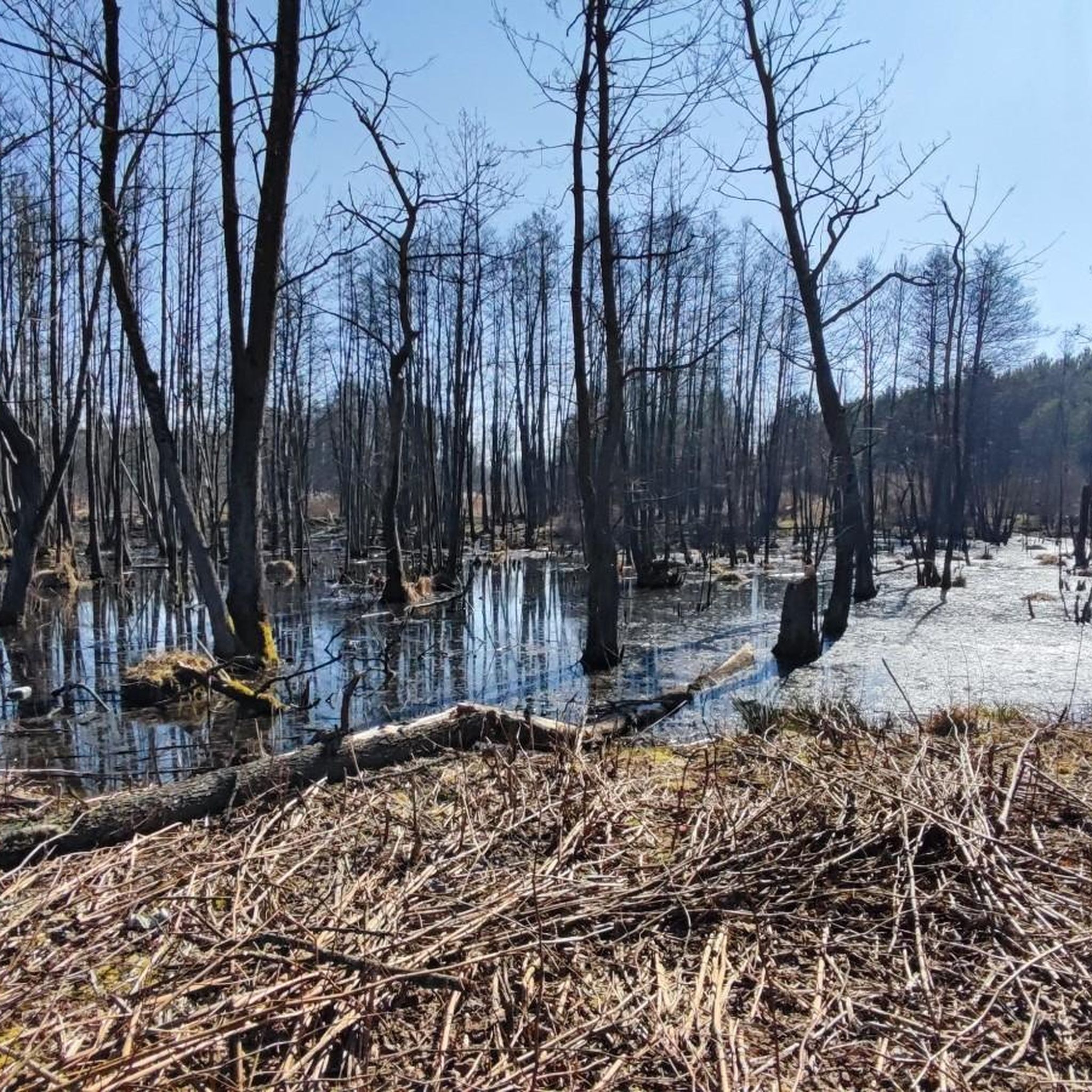
Trail Through Modrzewina Nature Reserve
Highlight (Segment) • Trail
Translated by Google •
Tip by
Sign up now to discover places like this
Get recommendations on the best single tracks, peaks, & plenty of other exciting outdoor places.
Sign up for free
Stary Młyn on the Jeziorka – Restaurant and Marina
Highlight • Restaurant
Translated by Google •
Tip by
St. Procopius Abbot Church in Błędów
Highlight • Religious Site
Translated by Google •
Tip by

Rest Shelter
Highlight • Rest Area
Translated by Google •
Tip by

Sign up for free to discover even more attractions around gmina Belsk Duży.
Sign up for free
Already have an account?
Start today with a free account
Your next adventure awaits.
Login or Signup


Tips from the Community


Unfortunately, dirt, filth, syphilis, grave
0
0

Unique climate, Cosmic number of trees uprooted by storms/from old age on both sides of the path. Beautiful smell of the forest.
1
0

The beginnings of the creation of the "largest orchard in Europe" date back to the reign of Queen Bona, who was famous for her passion for gardening, including fruit growing. In 1545, she received large tracts of land in the Grójec district, which she later took care of, establishing numerous privileges for the owners of gardens. Then, fruit growing found legal support in the royal act of 1578, issued by Queen Bona's son. This gave rise to the development of fruit orchards, mainly apple orchards. Many historical works contain numerous mentions of the development of manor and peasant orchards in the Grójec region. A significant role in the history of "Grójecki apples" was also played by clergymen (Roch Wójcicki from Belsk, Niedźwiedzki from Łęczeszyce, Stefan Roguski from Goszczyn and Edward Kawiński from Konary), who in the 19th century were the main promoters of fruit growing in this region. At the beginning of the 20th century, commercial orchards were already established, the symbol of which was Jan Cieślak from Podgórzyce. He introduced high culture in the cultivation and storage of apples (in 1918 he built the first fruit storage facility in Poland). At the beginning of the 20th century, the first advisors also appeared, and one of the most famous from this region was Witalis Urbanowicz, who in 1909 became famous for developing the 10 gardening commandments. The very dynamic development of Grójec fruit growing, synonymous with Prof. Szczepan Pieniążek, began at the end of World War II. Thanks to him, the Institute of Pomology and Floriculture was established, which passed on the latest knowledge and experience in apple cultivation to local fruit growers. On the professor's recommendation, his student, Eligiusz Gajewski, founded the Experimental Plant of the Institute of Pomology and Floriculture in Nowa Wieś. This plant became a model farm from which Grójec fruit growers drew practical knowledge.
0
0
a place to rest, stretch and straighten your bones
1
0
Construction works began on August 11, 1934. The plans were made and Jan Witkiewicz took over the management of the works. The architecture and furnishings of the temple represent a uniform style inspired by highlander motifs. On October 11, 1936, the church was solemnly consecrated
0
0

nice place and area, worth seeing
0
0

Quite often closed early.
0
0
Frequently Asked Questions
What natural features can I explore in gmina Belsk Duży?
The region offers several natural attractions. You can visit the Trail Through Modrzewina Nature Reserve, known for having the largest concentration of Polish larch trees in Poland. This reserve provides a unique climate and opportunities to observe wildlife like wild boars and deer. Another highlight is the Jeziorka Valley Orchards, which are particularly beautiful in spring when the fruit trees are in bloom. Beyond these, there are park complexes in Oczesały, Odrzywołok, and Rębowoli, as well as other designated monuments of nature.
Are there historical sites or cultural landmarks to visit in gmina Belsk Duży?
Yes, gmina Belsk Duży is rich in history. Notable sites include the 18th-century Parish Church of the Holy Trinity in Belsk Duży, which houses 18th-century biblical paintings and is the resting place of Colonel Jan Kozietulski. The Wooden Church in Lutkówka, believed to be from 1744, is another historical gem. You can also explore the Parish Church of St. Adalbert and St. Martin in Lewiczyn with its beautiful Baroque altar, and the Pauline Monastery in Łęczeszyce, a pilgrimage destination. The St. Procopius Abbot Church in Błędów, built in 1936, features elements of the Zakopane style. Additionally, the Palace in Mała Wieś, with its French and English-style parks, and several noble manors in Rębowola, Rosochów, Odrzywołok, and Wilczogóra offer glimpses into the region's past.
What outdoor activities can I do near these attractions?
The area around gmina Belsk Duży is well-suited for various outdoor activities. You can find numerous routes for gravel biking, mountain biking, and hiking. For example, there are several gravel biking routes, including moderate loops like 'Scenic Wetlands by the Road – Bridge Over the Kraska River'. If you prefer mountain biking, explore MTB trails such as the 'Młyn Restaurant Osieczek – Osieczek Mill loop'. Hikers can enjoy hiking trails like the 'Nature trail "Rezerwat Modrzewina" (loop)' which is a moderate 5.3 km path.
Are there family-friendly attractions in gmina Belsk Duży?
Yes, several attractions are suitable for families. The Trail Through Modrzewina Nature Reserve is a great option for a family walk, offering a chance to see ancient trees and potentially wildlife. The Jeziorka Valley Orchards provide a beautiful setting for a leisurely stroll, especially during spring bloom. For a relaxing break, Stary Młyn on the Jeziorka – Restaurant and Marina offers a terrace with views, food options, and pedal boat rentals, which can be fun for children.
What is the best time to visit gmina Belsk Duży?
The spring season is particularly recommended for visiting gmina Belsk Duży, especially if you wish to experience the full beauty of the Jeziorka Valley Orchards when the fruit trees are in bloom. This period offers picturesque landscapes and pleasant weather for outdoor activities. Summer also provides good conditions for exploring the natural reserves and historical sites.
Where can I find a place to eat or relax near the attractions?
For a pleasant stop, consider Stary Młyn on the Jeziorka – Restaurant and Marina. It's located by a lake and offers a terrace with scenic views, perfect for coffee or lunch, including vegetarian options. You can also rent a pedal boat there. The Modrzewina Nature Reserve also has a wooden shed near a chapel, ideal for picnics.
Can I bring my dog to the attractions?
While specific dog policies for all sites are not detailed, natural areas like the Trail Through Modrzewina Nature Reserve and the Jeziorka Valley Orchards are generally suitable for dog walks, provided dogs are kept on a leash and owners clean up after them. It's always advisable to check local regulations or signage at specific historical sites or churches regarding pet access.
Are there any unique or lesser-known places to discover?
Beyond the main highlights, the region holds several unique spots. The Central Geophysical Observatory of the Polish Academy of Sciences in Belsk Duży conducts international research and is a point of interest for those curious about science. The Old Post Office Building in Belsk Duży is also part of a local tourist trail. Exploring the various noble manors in Rębowola, Rosochów, Odrzywołok, and Wilczogóra can also reveal hidden historical gems.
What is the history of fruit growing in the region?
The Grójec district, which includes gmina Belsk Duży, has a rich history of fruit growing dating back to the 16th century. Queen Bona Sforza played a significant role in its development, establishing privileges for garden owners. The tradition was further supported by a royal act in 1578. In the 19th century, clergymen were key promoters, and by the 20th century, commercial orchards flourished. Professor Szczepan Pieniążek and the Institute of Pomology and Floriculture significantly advanced fruit growing after World War II, making the region famous for its apples.
Are there any easy hiking trails in gmina Belsk Duży?
Yes, for those seeking easier walks, there are options available. The 'Osieczek Mill loop from gmina Pniewy' is an easy hiking route, covering a distance of approximately 3.6 km. While the Trail Through Modrzewina Nature Reserve is listed as moderate, its relatively flat terrain makes it accessible for many, offering a pleasant walk through ancient forests.
What do visitors enjoy most about gmina Belsk Duży?
Visitors particularly appreciate the unique natural beauty and historical depth of gmina Belsk Duży. The ancient trees and unique climate of the Modrzewina Nature Reserve are highly praised, often described as the 'Białowieża of the Grójec Region.' The picturesque Jeziorka Valley Orchards, especially when in bloom, are also a favorite. The historical churches and the serene setting of places like Stary Młyn on the Jeziorka also contribute to a memorable experience.
Most popular routes around gmina Belsk Duży

Get inspired with the komoot mobile app


Explore more
Still not found the Highlight you’re looking for? See guides of the top attractions in other regions:
