Attractions and Places To See around gmina Żabia Wola - Top 20
Best attractions and places to see around gmina Żabia Wola include a variety of natural and historical sites. This region in the Masovian Voivodeship features a landscape influenced by continental and oceanic climates, supporting diverse flora and fauna. Visitors can explore natural reserves with old-growth forests, alongside cultural heritage found in manor complexes and historic churches. The area provides routes suitable for cycling and hiking.
Best attractions and places to see around gmina Żabia Wola
- The most popular attractions is…
Last updated: May 4, 2026
Młochowski Grąd Nature Reserve
Highlight • Forest
Translated by Google •
Tip by

Radziejowice Palace and Park
Highlight • Historical Site
Tip by

Sign up now to discover places like this
Get recommendations on the best single tracks, peaks, & plenty of other exciting outdoor places.
Sign up for free
Adam Chelmonski Manor House
Highlight • Historical Site
Translated by Google •
Tip by
Adamowizna Manor and Park
Highlight • Historical Site
Translated by Google •
Tip by

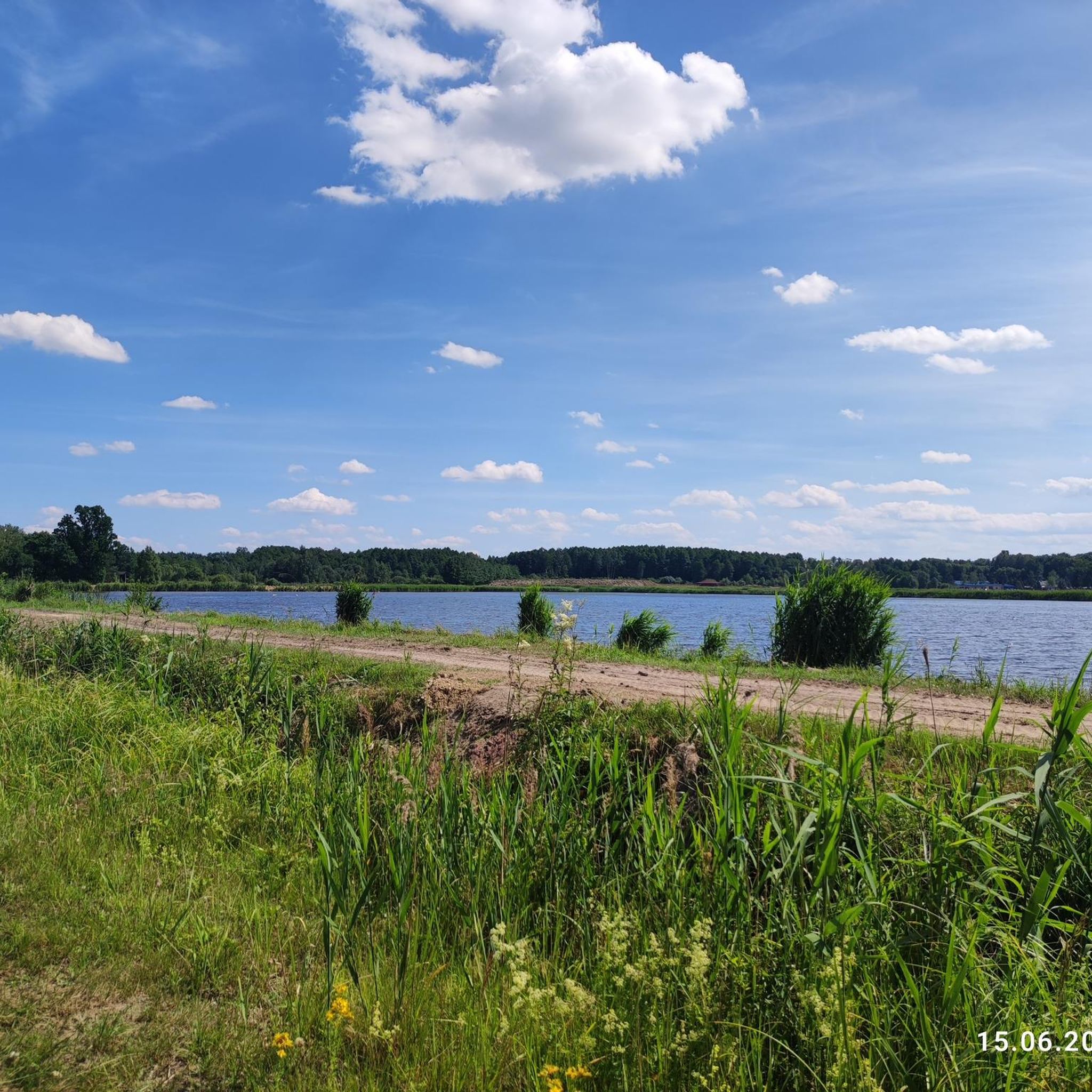
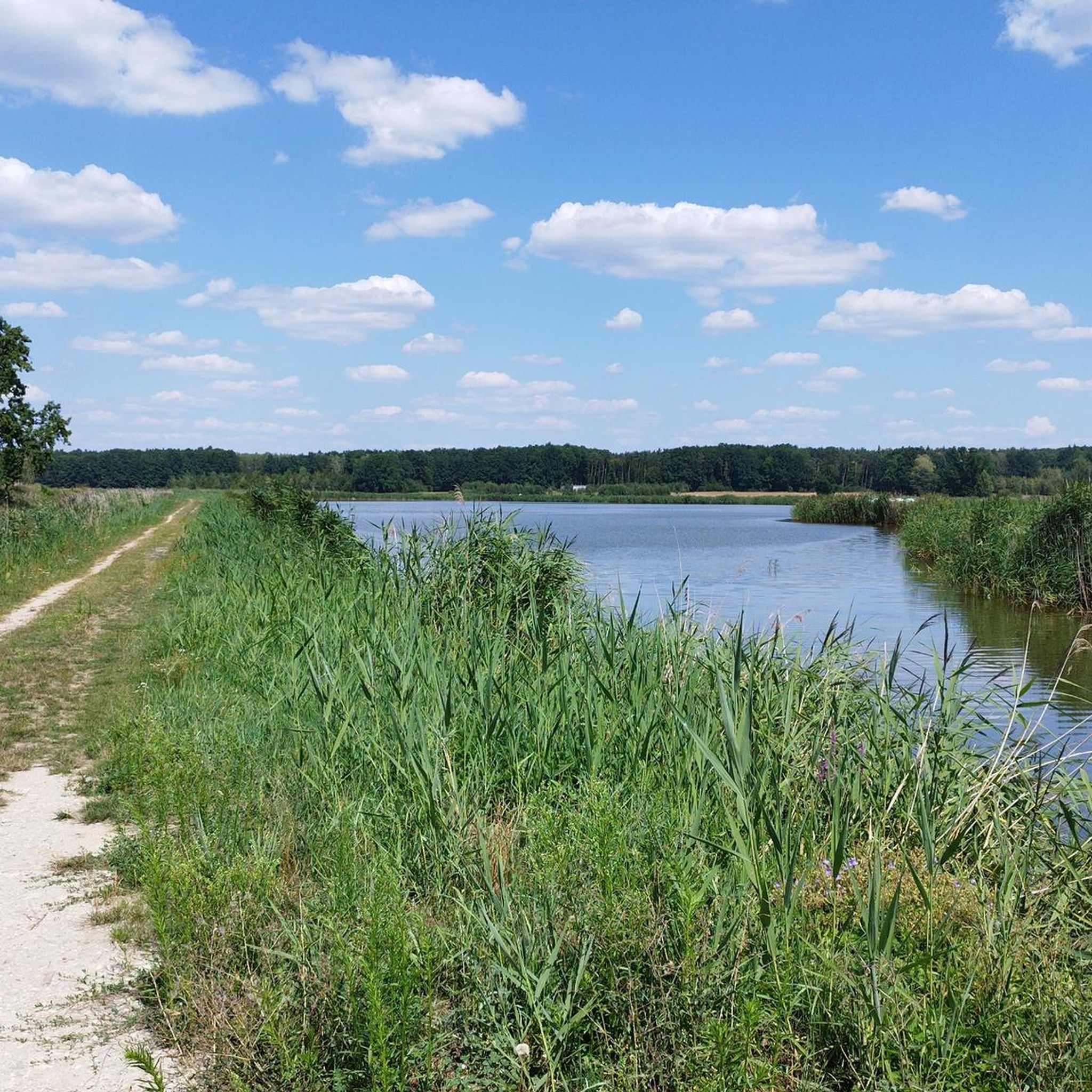
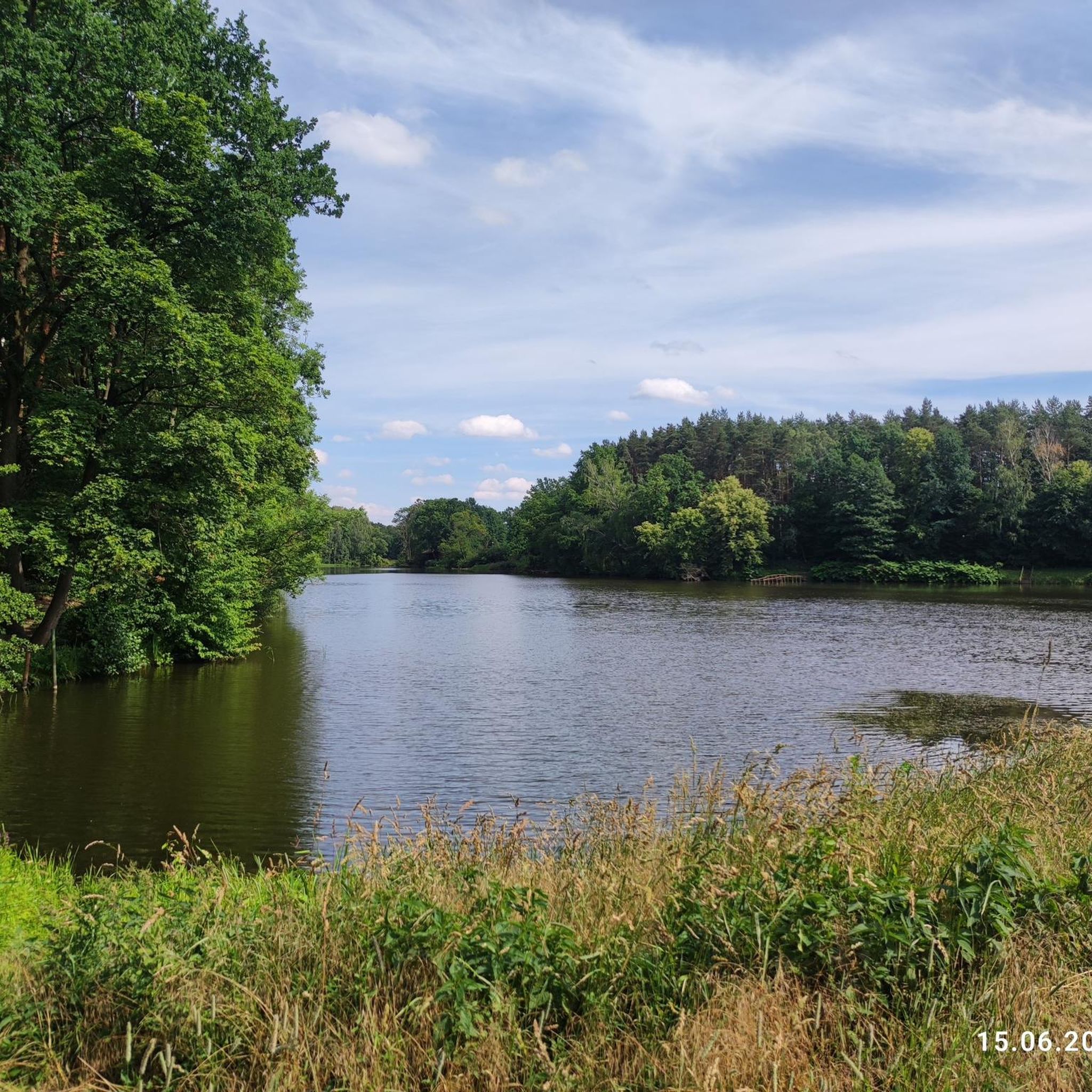
St. Anne's Ponds and Chapel
Highlight • Lake
Translated by Google •
Tip by

Sign up for free to discover even more attractions around gmina Żabia Wola.
Sign up for free
Already have an account?
Start today with a free account
Your next adventure awaits.
Login or Signup

Tips from the Community

Dworek and park, a nice place to rest
0
0

Actually, there are two chapels, both rebuilt. The originals were stolen, and one even burned down; their tangled history is described on a plaque nearby.
0
0

There's a large tree growing by the café behind the palace. I remember it being a rare species, and I think it's a Ginkgo biloba. Such a specimen is unique in Poland. It might be a tulip tree, though. I can't remember exactly, but I think someone might be interested in this tree, especially if they're as interested in plants and trees as she is.
0
0

An old roadside chapel with a cool history
0
0
Beautiful and quiet place. The area has an interesting sculpture, squeezed between streams and ponds. Interesting history and two manor houses, separated by 40 years. Built by a father and son, famous doctors. I was enchanted by the silence and atmosphere of this place
0
0

Feel the nature, it's worth taking your time there.
0
0

The manor house was built around 1930 according to the designs of the architect Witold Pokrowski, commissioned by Dr. Mateusz Chełmoński. In the 1990s, the manor house was owned by Piotr Stefański, the grandson of the founder of the manor house. Wooden and plastered manor house, set on a rectangular plan, with a regular shape, the building set on a stone foundation, single-storey, partially basemented, with a residential attic covered with a mansard roof with slopes covered with ceramic roof tiles. On the slopes of all four elevations there are extensions. On the longitudinal elevations they are topped with triangular gables, on the side elevations they are covered with a pediment roof. The front elevation is composed of 3 wide axes, of which the middle one in the form of a four-column Tuscan portico. On the garden elevation on the axis there is a terrace and a four-column Tuscan portico supporting the balcony of the first floor. The interior layout is two-bay with a hall and a living room on the axis. The whole is composed in a manor style with clear elements of classicism.
0
0

The current palace was built between the tower and the early Baroque palace (currently non-existent) and received its current form at the turn of the 18th and 19th centuries after a classicist reconstruction carried out by Kazimierz Krasiński, the Crown Campiander, according to the design of Jakub Kubicki. At that time, a columned porch with a terrace in front of the main entrance was also built. The expansion of the palace complex was later continued by Józef Wawrzyniec Krasiński, who created a landscape park around the palace that exists to this day and rebuilt the small castle in the neo-Gothic style, which is the remains of the former Radziejowski tower. Over the following decades, Radziejowice was visited by people of culture, including Juliusz Kossak, Henryk Sienkiewicz, Lucjan Rydel, Jarosław Iwaszkiewicz, Józef Chełmoński, Stanisław Masłowski.
1
0
Frequently Asked Questions
What natural features can I explore in Gmina Żabia Wola?
Gmina Żabia Wola is rich in natural beauty. You can explore the Młochowski Grąd Nature Reserve, known for its ancient oak-hornbeam and mixed coniferous forests with trees up to 180 years old. Another significant natural area is the Skulski Las Nature Reserve, which preserves diverse deciduous forest communities and unique beech stands. For a relaxing experience by the water, visit St. Anne's Ponds and Chapel, offering beautiful water reservoirs amidst forests.
Are there any historical sites or cultural attractions in Gmina Żabia Wola?
Yes, the region offers several historical and cultural attractions. The Radziejowice Palace and Park is a prominent cultural center hosting an exhibition of Józef Chełmoński's paintings. You can also visit the Adam Chelmonski Manor House within Adamowizna Park, a picturesque spot for a break. The Żabia Wola Manor Complex, now home to the local Cultural Center, and the unique Miniature Frog Museum are also notable. Additionally, historic churches like the Church of the Annunciation of the Blessed Virgin Mary in Żelechów and the 17th-century wooden Church of Saints Peter and Paul in Skuły offer architectural and historical insights.
What outdoor activities can I do near the attractions in Gmina Żabia Wola?
The area around Gmina Żabia Wola is excellent for various outdoor activities. You can find numerous routes for hiking, running, and gravel biking. For detailed routes, explore the guides for Hiking around gmina Żabia Wola, Running Trails around gmina Żabia Wola, and Gravel biking around gmina Żabia Wola.
Are there family-friendly attractions in Gmina Żabia Wola?
Many attractions in Gmina Żabia Wola are suitable for families. The Młochowski Grąd Nature Reserve offers easy paths for walks. The Radziejowice Palace and Park provides open spaces and cultural experiences. The Adam Chelmonski Manor House and Adamowizna Manor and Park are pleasant for strolls, and St. Anne's Ponds and Chapel is a recreational area where families can enjoy nature.
What is the best time to visit Gmina Żabia Wola?
The best time to visit Gmina Żabia Wola largely depends on your preferred activities. Spring and autumn offer pleasant temperatures for hiking and cycling, with vibrant foliage or blooming nature. Summer is ideal for enjoying the parks and outdoor recreational areas, though it can be warmer. The natural reserves and historical sites are accessible year-round, each season offering a different charm.
Are there dog-friendly options for visitors in Gmina Żabia Wola?
Yes, many of the natural areas and parks in Gmina Żabia Wola are suitable for walks with dogs. Nature reserves like Młochowski Grąd and Skulski Las, as well as the various parks and forest paths, generally welcome well-behaved dogs on a leash. Always ensure to follow local regulations and clean up after your pet.
Where can I find cafes or places to rest near attractions?
You can find a cafe at the Radziejowice Palace and Park, offering a pleasant spot for refreshments. The Adam Chelmonski Manor House in Adamowizna Park is also described as a great place for a break and rest. Additionally, local villages and towns within Gmina Żabia Wola may offer small cafes or eateries.
Is there public transport available to reach attractions in Gmina Żabia Wola?
While Gmina Żabia Wola is best explored by car or bicycle for maximum flexibility, some public transport options, such as local buses, may connect the larger towns within the gmina. For specific routes and schedules to individual attractions, it's advisable to check local public transport information closer to your visit.
Are there any unique museums or cultural centers in the area?
Gmina Żabia Wola is home to the unique Miniature Frog Museum, located within the historic Żabia Wola manor house. It boasts an extensive collection of over 1600 frog figurines. The Żabia Wola Manor Complex itself serves as the local Cultural Center. Additionally, the Radziejowice Palace and Park functions as a significant cultural and artistic center, featuring an exhibition of Józef Chełmoński's paintings.
What kind of historical manor houses can I visit in Gmina Żabia Wola?
You can visit several historical manor houses in the area. The Radziejowice Palace and Park is a grand historic site. The Adam Chelmonski Manor House, situated on a hill in Adamowizna Park, offers a picturesque setting. The Żabia Wola Manor Complex, dating back to the early 19th century, is another notable historical building that now serves as a cultural hub.
Are there any easy hiking trails near Gmina Żabia Wola?
Yes, there are easy hiking trails available. For example, the 'Makówka Shooting Range loop from Wężyk' is an easy 4.8 km route. You can find more options and details in the Hiking around gmina Żabia Wola guide, which includes routes suitable for various difficulty levels.
What makes the Młochowski Grąd Nature Reserve special?
The Młochowski Grąd Nature Reserve is special due to its high natural value, protecting fragments of natural forest communities. It features impressive oak-hornbeam and mixed continental coniferous forests, with some oak and pine stands being up to 180 years old, making them among the oldest in Mazovia. It's a tranquil place away from noise, with relatively smooth paths for exploration.
Most popular routes around gmina Żabia Wola
Most popular attractions around gmina Żabia Wola

Get inspired with the komoot mobile app


Explore more
Still not found the Highlight you’re looking for? See guides of the top attractions in other regions:
