Attractions and Places To See around gmina Pilawa - Top 20
Best attractions and places to see around gmina Pilawa include historical landmarks, natural features, and cultural sites within Poland's Masovian Voivodeship. The region offers diverse landscapes, from the extensive peat bogs of Bagno Całowanie to historical railway structures and unique wooden chapels. It provides opportunities for outdoor activities like hiking and cycling, alongside exploring sites of religious and industrial heritage.
Best attractions and places to see around gmina Pilawa
- The most popular attractions is Ponurzyca Paved Road, a cycle way that passes through a remote village. It offers a good resting place with sheltered tables and benches.
- Another must-see spot is Chapel of Our Lady of Częstochowa, a small wooden temple. This interwar period structure is considered one of Mazovia's most picturesque and original sacred buildings, with a unique form reminiscent of southern Polish religious architecture.
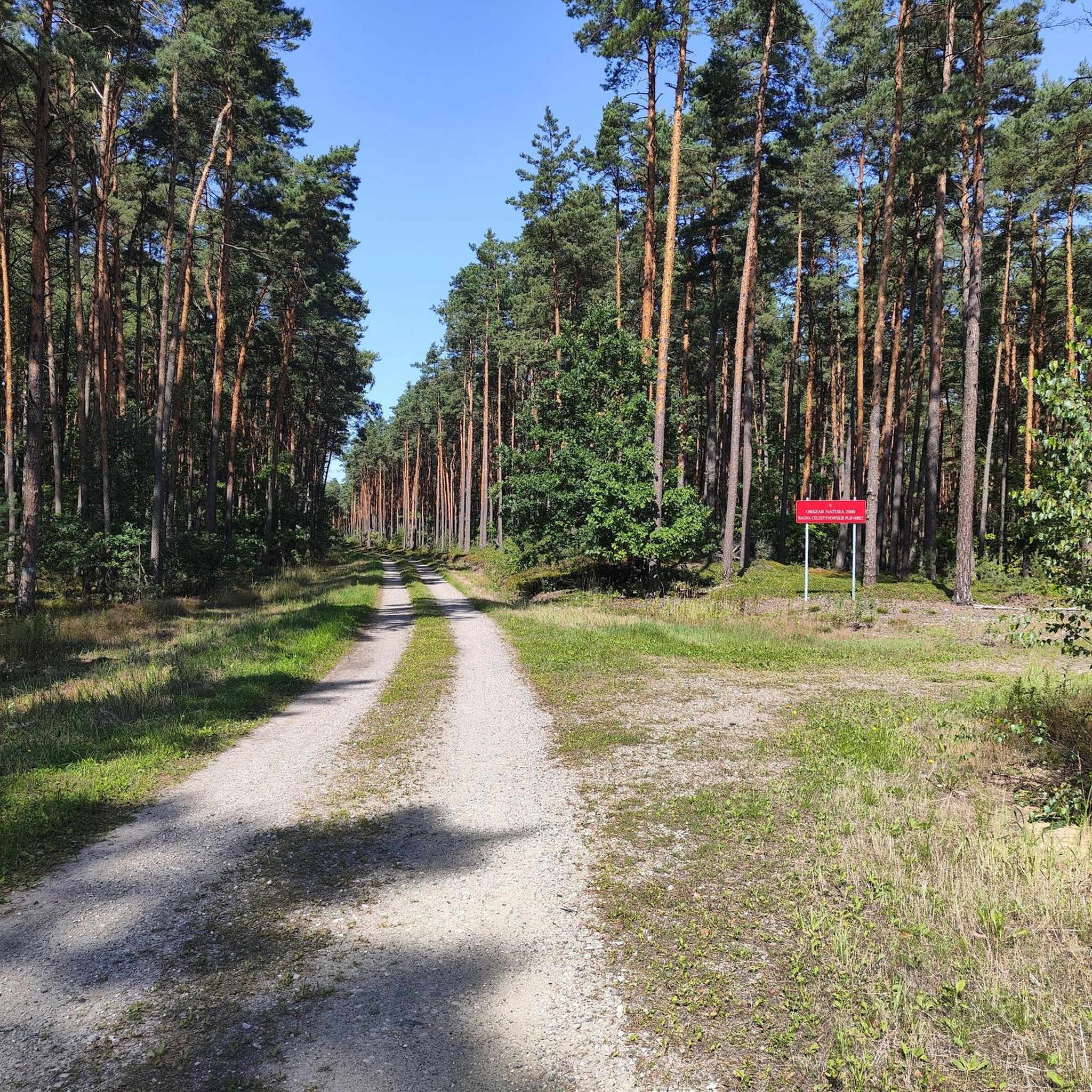
- Visitors also love Bagno Całowanie Boardwalk Entrance, an entrance to a footbridge over the Całowanie peat bog. This area features the "13 Mud Feet" educational trail and a viewpoint over the marshes.
- gmina Pilawa is known for its historical landmarks, natural beauty, and religious sites. The area offers a variety of attractions to see and explore, from protected natural areas to significant cultural heritage.
- The attractions around gmina Pilawa are appreciated by the komoot community, with more than 40 upvotes and 3 photos shared.
Last updated: May 4, 2026
Ponurzyca Paved Road
Highlight • Cycleway
Tip by

Bagno Całowanie Boardwalk Entrance
Highlight • Trail
pl.wikipedia.org/wiki/Bagno_Ca%C5%82owanie
Translated by Google •
Tip by

Sign up now to discover places like this
Get recommendations on the best single tracks, peaks, & plenty of other exciting outdoor places.
Sign up for free
Sanctuary of Our Lady of Sorrows
Highlight • Religious Site
The image later became famous through numerous gifts of grace and is still venerated by the local believers. The current wooden parish church was built in 1776 after the original buildings burned down a few years earlier.
The settlement, in which a new basilica-shaped wooden church with beautiful illusionist polychromy designed by Father Jan Niezabitowski, a painter of the Virgin Mary (d. 1804), and a modest brick monastery were built, was later named Marian Porzecz. The municipality, existing since 1801, kept the original name of Goźlin (source: marianskieporzecze.marianie.pl/).
Translated by Google •
Tip by

Chapel of Our Lady of Częstochowa
Highlight • Religious Site
source and bibliography: zabytek.pl/pl/obiekty/radachowka-kaplica-pw-mb-czestochowska
Translated by Google •
Tip by

Turtle Pond
Highlight • Lake
Translated by Google •
Tip by

Sign up for free to discover even more attractions around gmina Pilawa.
Sign up for free
Already have an account?
Start today with a free account
Your next adventure awaits.
Login or Signup

Tips from the Community

Great place, I highly recommend it
0
0

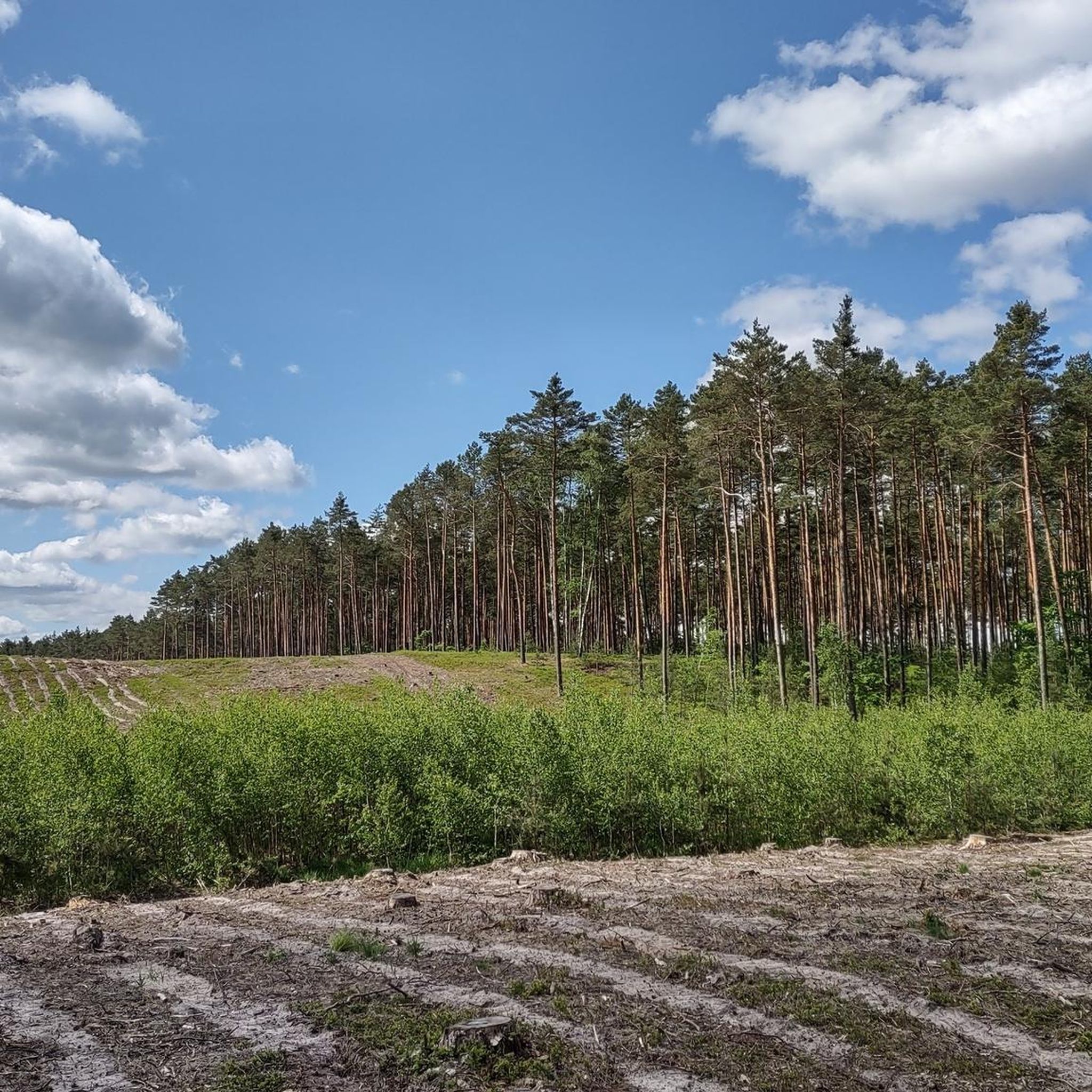
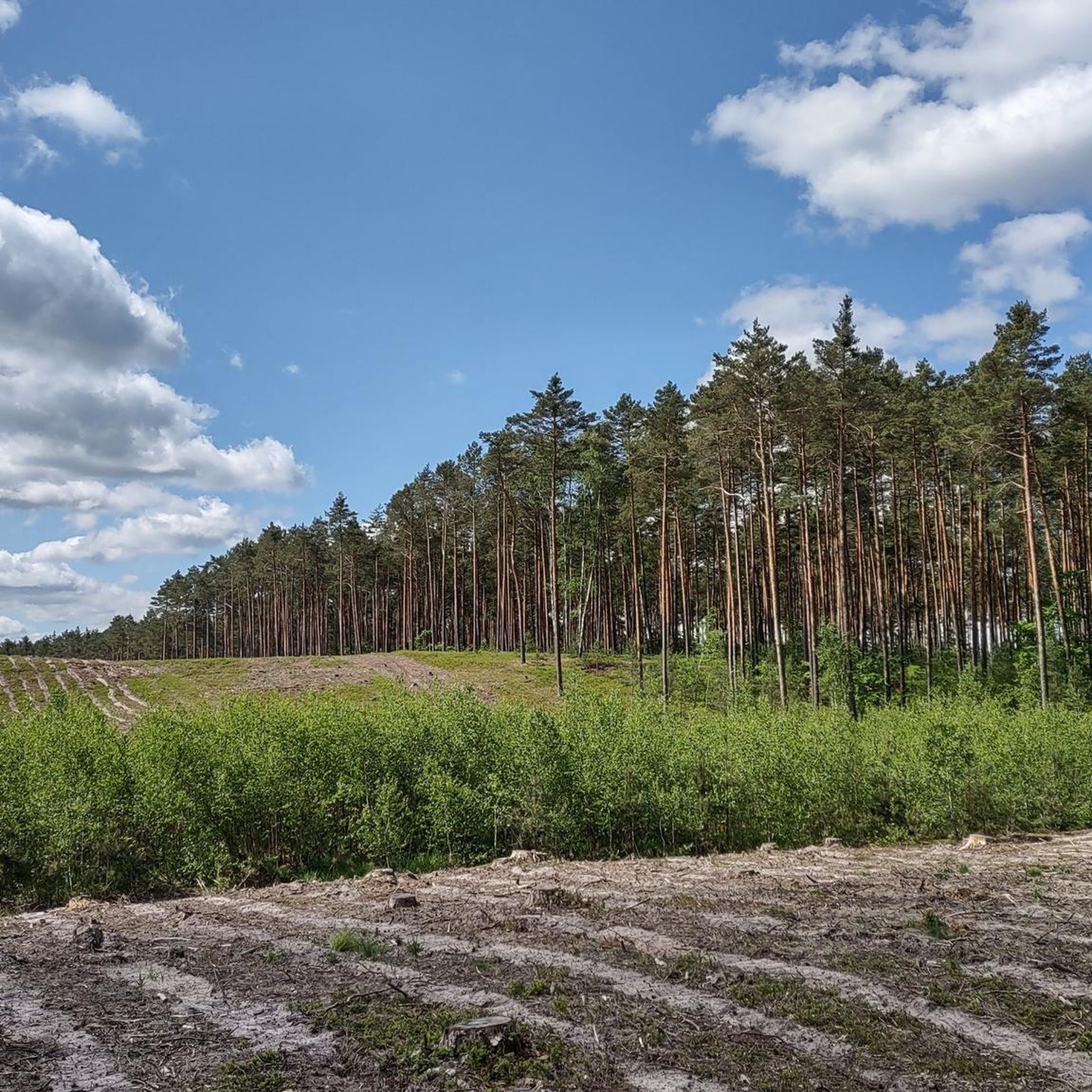
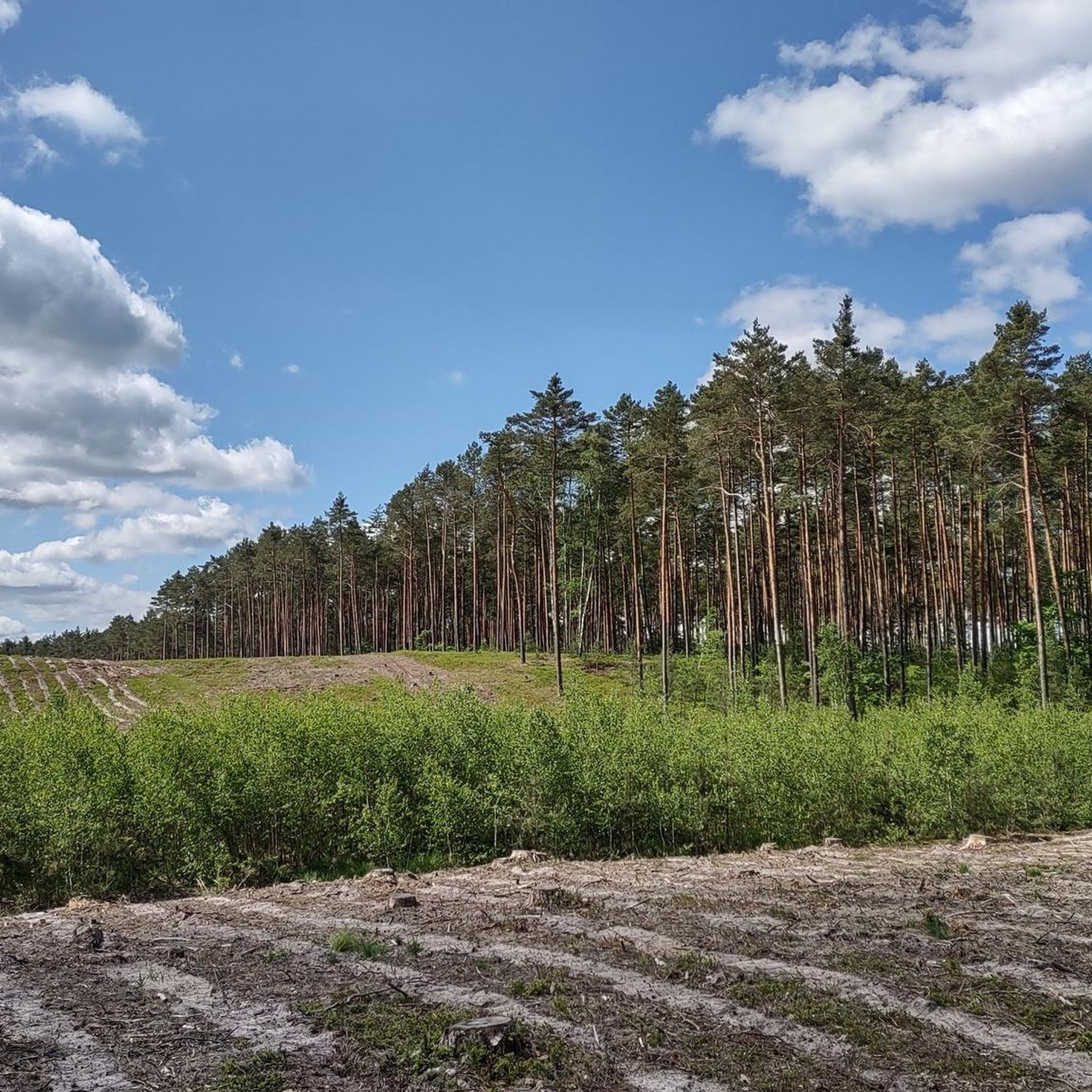
Lake Turtle (Regut, Celestynów commune) A tranquil, forest lake in the Masovian Landscape Park, surrounded by peat bogs and forest. The name supposedly comes from the shape of the lake, which resembles a turtle. It is now dry.
0
0
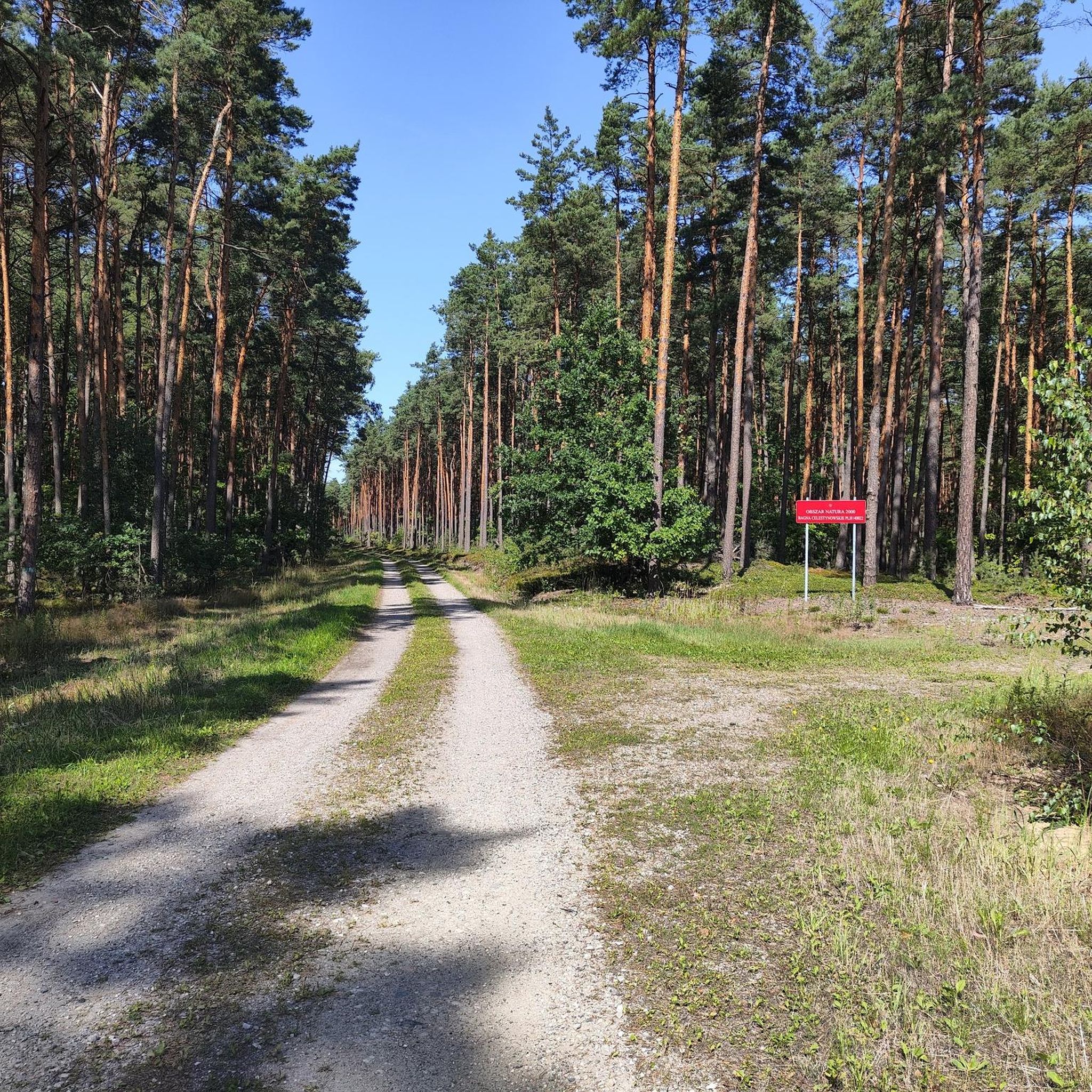
Całowanie Swamp (Podbiel, Masovia) One of the largest peat bogs in Masovia, located within the Masovian Landscape Park. The "13 Muddy Foot" nature trail runs through the bog, leading around the bogs and through a section of dunes. Wooden footbridges with a viewing point lead across the bogs. During periods of hydrological drought, the best time to visit is late autumn and early spring (which is also the period when tourist traffic is lower). Admission to the footbridges and the tower is free.
0
0

At the moment it is almost dry, there is almost no water but it is actually a nice place.
0
0

Currently beautiful asphalt, bearable gravel remains at the end near Kołbiel. Worth the ride.
2
0
Kissing Swamp - Entrance to the jetties and the "13 Mud Feet" educational trail.
2
0
Footbridge over the kissing swamp. The footbridge has entrances on both sides. One entrance from the fire station, the other entrance through the fields from the main street by the bus stop. https://pl.wikipedia.org/wiki/Bagno_Ca%C5%82owanie
2
0

A small but picturesque lake in a quiet place, surrounded by forest. There is a relaxation gazebo next to it.
2
0
Frequently Asked Questions
What natural attractions can I explore in Gmina Pilawa?
Gmina Pilawa offers several natural attractions, including the expansive Bagno Całowanie Boardwalk Entrance, one of Masovia's largest peat bogs, located within the Masovian Landscape Park. Here, you can walk the "13 Muddy Foot" nature trail and enjoy a viewpoint over the marshes. Another tranquil spot is Turtle Pond, a picturesque forest lake, though it is currently dry. The region's diverse ecosystems within the Masovian Landscape Park provide ample opportunities for nature appreciation.
Are there opportunities for hiking in Gmina Pilawa?
Yes, Gmina Pilawa is well-suited for hiking. The region, particularly within the Masovian Landscape Park, features numerous trails. For easy walks, you can explore routes like "Around the Masovian Landscape Park Trail" or the "Zimna Woda loop from Ewelin." You can find more details and routes on the Easy hikes around gmina Pilawa guide page.
What cycling routes are available in Gmina Pilawa?
Gmina Pilawa is popular for cycling, offering various routes for different preferences. You can find road cycling routes such as the "Dense, Shady Deciduous Forest – Manor house in Miętne loop from Garwolin" or explore gravel biking options like the "Surprising Asphalt in the Forest – Forest Rest Area with Shelters loop from Garwolin." For a unique experience, consider the Ponurzyca Paved Road, a cycle way through a remote village with good resting spots. More routes are available on the Road Cycling Routes around gmina Pilawa and Gravel biking around gmina Pilawa guide pages.
What historical landmarks can I find in Gmina Pilawa?
Gmina Pilawa is rich in historical landmarks. Notable sites include the Pilawa Railway Station (circa 1877) and its Water Tower, significant remnants of the Vistula Railway. In Trąbki, you can see the Figure of St. John Nepomuk (1862) and the Monument to Ignacy Hordliczka, commemorating the founder of the "Czechy" glassworks. The village also features a classical Manor and Park Complex from 1838. Additionally, there are memorial sites like the Puznówka Collective Grave and the Gocław January Insurgents' Grave (1863).
Are there any significant religious sites to visit?
Yes, Gmina Pilawa has several significant religious sites. The Chapel of Our Lady of Częstochowa is a small wooden temple from the interwar period, celebrated as one of Mazovia's most picturesque sacred buildings. Another important site is the Sanctuary of Our Lady of Sorrows, home to a venerated image of the Mother of God, with its current wooden parish church built in 1776. In Trąbki, you can also find the Pseudo-Romanesque Church of St. Joseph, completed in 1934.
Are there family-friendly attractions in Gmina Pilawa?
Many attractions in Gmina Pilawa are suitable for families. The Bagno Całowanie Boardwalk Entrance offers an educational trail with wooden footbridges, which can be an engaging experience for children. The Turtle Pond, despite being dry, is a peaceful spot surrounded by forest. Additionally, the Ponurzyca Paved Road is a pleasant cycle way that passes through a remote village, offering a good resting place with sheltered tables and benches, ideal for a family outing.
What is the best time to visit Gmina Pilawa for outdoor activities?
The region is generally appealing for outdoor activities from spring through autumn, when the weather is mild and conducive for hiking and cycling. Spring brings blooming nature, while autumn offers beautiful foliage. Summer is also suitable, especially for exploring the natural areas like Bagno Całowanie. Winter activities might be limited, but the historical sites remain accessible year-round.
Are there any unique architectural sites in the area?
Yes, Gmina Pilawa boasts unique architectural sites. The Pilawa Railway Station, built around 1877, features distinctive Prussian wall construction with wooden beams and brick infill. The Chapel of Our Lady of Częstochowa is noted for its unique form, reminiscent of wooden religious architecture found in southern Poland. In Trąbki, the Pseudo-Romanesque Church of St. Joseph blends Romanesque, classical, and baroque elements, and the classical Manor and Park Complex from 1838 is also architecturally significant.
What do visitors enjoy most about the attractions in Gmina Pilawa?
Visitors particularly enjoy the blend of natural beauty and historical significance. The peaceful atmosphere of places like Turtle Pond and the unique experience of walking the boardwalks at Bagno Całowanie are highly appreciated. The remote charm and good resting spots along the Ponurzyca Paved Road are also highlights for cyclists. The historical and religious sites offer a glimpse into the region's rich heritage.
Can I find information about the industrial heritage of Gmina Pilawa?
Yes, the village of Trąbki offers insights into the region's industrial past. You can visit the Monument to Ignacy Hordliczka, who was a Czech entrepreneur and pioneer of luxury glass production in Poland, having founded the "Czechy" glassworks. The Figure of St. John Nepomuk (1862) is also linked to this industrial history. These sites provide a glimpse into the area's economic development.
Are there any memorial sites in Gmina Pilawa?
Gmina Pilawa has several memorial sites commemorating historical events and figures. These include the Puznówka Collective Grave, which honors January insurgents and soldiers from World War I, the Polish-Russian War, and World War II. Another significant site is the Gocław January Insurgents' Grave (1863), marking the resting place of insurgents who fell in the Battle of Żelazna.
Is the Masovian Landscape Park accessible from Gmina Pilawa?
Yes, Gmina Pilawa is partly situated within the Masovian Landscape Park, making it easily accessible. The park offers diverse ecosystems and opportunities for outdoor activities. The Bagno Całowanie Boardwalk Entrance is a prime example of a natural attraction within this protected area, providing a unique experience of the peat bogs.
Most popular routes around gmina Pilawa
Most popular attractions around gmina Pilawa

Get inspired with the komoot mobile app


Explore more
Still not found the Highlight you’re looking for? See guides of the top attractions in other regions:
