The best walks and hikes around gmina Oświęcim
4.3
(157)
2,265
hikers
161
hikes
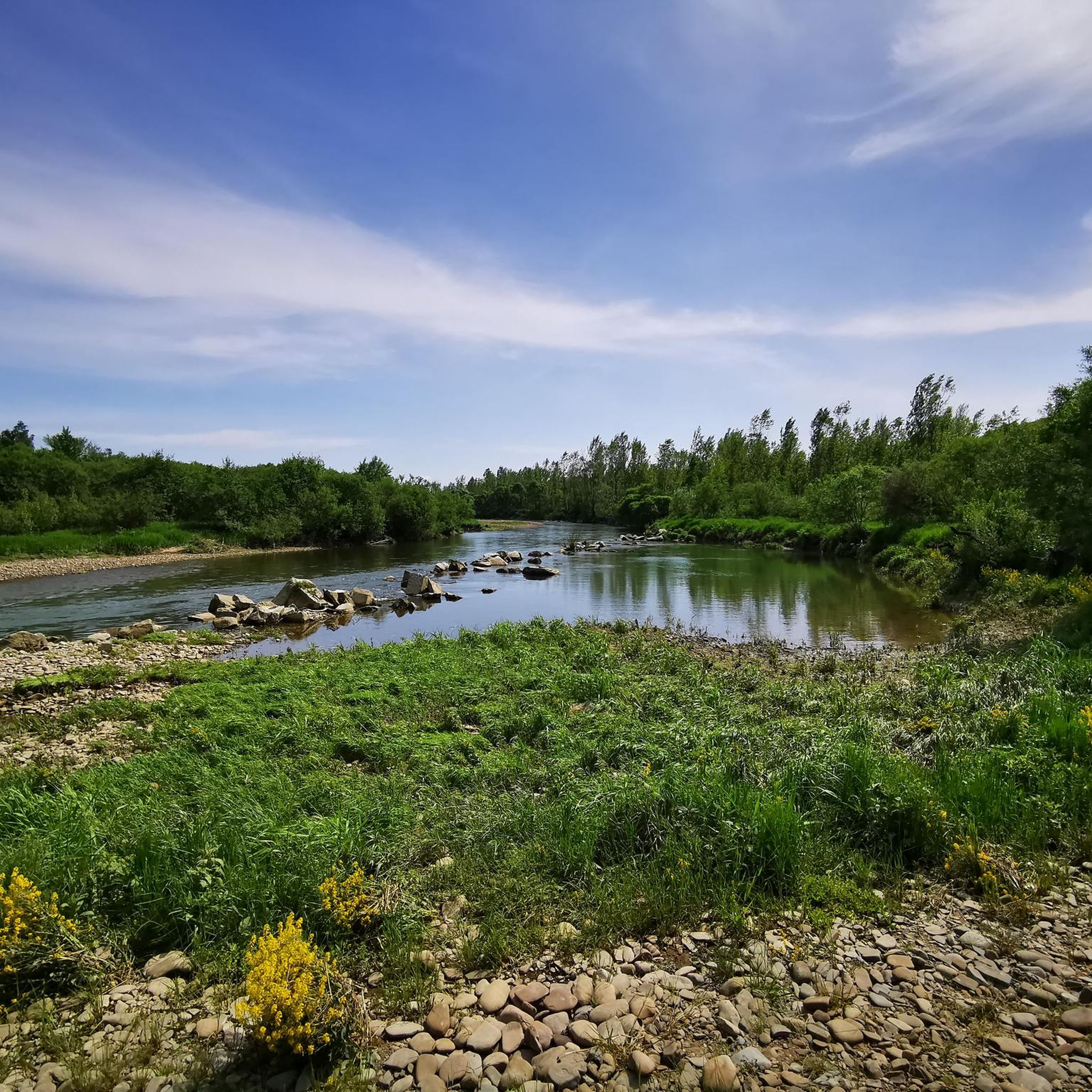
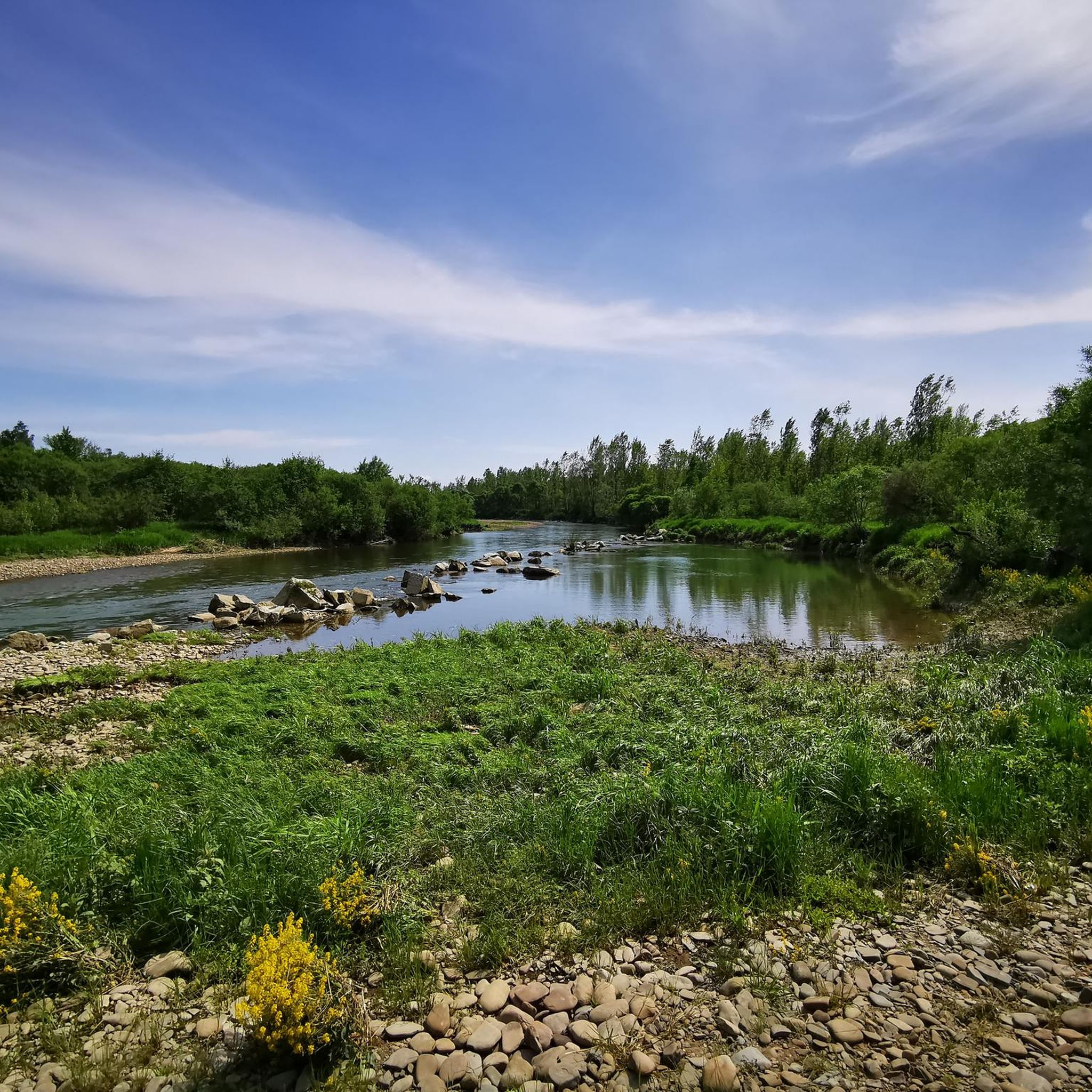
Hiking trails around gmina Oświęcim traverse a varied landscape characterized by river valleys, natural reserves, and gentle hills. The region is shaped by the Soła and Vistula Rivers, offering scenic paths along their banks. Features include the Bukowica Nature Reserve with its Carpathian beech trees and limestone formations, providing diverse terrain for outdoor activities.
Best hiking trails around gmina Oświęcim
- The most popular hiking route is Hiking loop from German Nazi Concentration Camp Auschwitz (Auschwitz I), a 7.3 miles…
Last updated: July 10, 2026
4.7
(34)
506
hikers
Moderate hike. Good fitness required. Easily-accessible paths. Suitable for all skill levels.
2.0
(2)
83
hikers
Easy hike. Great for any fitness level. Easily-accessible paths. Suitable for all skill levels.

Sign up for free
5.0
(2)
36
hikers
Easy hike. Great for any fitness level. Easily-accessible paths. Suitable for all skill levels.
2.3
(3)
33
hikers
Easy hike. Great for any fitness level. Easily-accessible paths. Suitable for all skill levels.
5.0
(1)
26
hikers
13.1km
03:21
50m
50m
Moderate hike. Good fitness required. Easily-accessible paths. Suitable for all skill levels.
Get access to more routes and recommendations from other explorers.
Sign up for free
Already have an account?
Our route recommendations are based on thousands of hikes, rides, and runs completed by other people on komoot.
Start today with a free account
Your next adventure awaits.
Login or Signup

Tips from the Community

The Castle in Oświęcim is a medieval defensive stronghold located on a hill on the right bank of the Soła River. Currently, the site is home to the Museum of the Castle in Oświęcim, which presents the rich history of the city, the former Duchy of Oświęcim, and valuable historical and archaeological collections. It was here that a great diplomatic turning point occurred: in 1454, the last Piast duke of this region, Jan IV, bowed to the might of Poland and ceded the castle and his entire duchy as a fief to King Casimir Jagiellon. Three years later (in 1457), he completely sold these lands to him. The castle ceased to be a Silesian borderland and became Polish royal property for centuries. It is worth taking a look at the mighty, 13th-century Gothic tower, which remembers those events and that agreement! The history of the castle in Oświęcim dates back to the 11th century, when there was an early medieval agricultural settlement on the hill above the Soła. After it burned down, a fortified castellany stronghold was erected here. The first official documentary mention of it dates from 1179. It was then that King Casimir the Just transferred these lands to the Duke of Opole, Mieszko Plątonogi. Early Gothic tower – dates from the end of the 13th century, it is a defensive building type (bergfried) and is one of the oldest preserved brick structures in Lesser Poland. Royal history – the castle hosted prominent historical figures, including the future Queen of Poland, Bona Sforza. Underground tunnels – there are two corridors under the castle, including an air-raid shelter built by the Germans during World War II. Address: ul. Zamkowa 1, 32-600 Oświęcim Opening hours: Tuesday to Sunday from 10:00 AM to 6:00 PM (the museum is closed on Mondays).
1
0

Double gate concentration camp, tip you can only buy tickets online in front of the museum!
0
1

A special and indefinable place, not for its history, but which is nevertheless worth visiting.
0
0

The floor plans of the old synagogue are shown here.
2
0
The castle in Oświęcim is the royal castle of King Casimir IV Jagiellon.
2
0

Auschwitz was the largest and most lethal of Nazi Germany's concentration and extermination camp complexes, located in occupied Poland. It has become the most powerful and recognizable symbol of the Holocaust and the Nazi regime's genocide of over six million Jews, as well as the murder of countless other victims.
0
0
Birkenau was the largest of the more than 40 camps and sub-camps that made up the Auschwitz concentration camp complex. It was built by Nazi Germany during World War II in occupied Poland and served as the primary site for the mass extermination of Jews.
1
0

"Work sets you free" is sadistic cynicism. A gateway to hell where all hope is extinguished – evil writes with iron letters.
0
0
Frequently Asked Questions
What kind of hiking trails can I expect in gmina Oświęcim?
Gmina Oświęcim offers a diverse range of hiking trails suitable for various fitness levels. You'll find over 120 routes, with a majority being easy strolls, but also moderate options and a few more challenging treks. The landscape includes river valleys, natural reserves, and gentle hills, providing varied terrain for outdoor activities.
Are there any easy or family-friendly hiking routes in gmina Oświęcim?
Yes, gmina Oświęcim has numerous easy and family-friendly options. Over 99 of the routes are classified as easy, making them suitable for all ages and fitness levels. An example is the Selection Site After Arrival loop from Auschwitz II-Birkenau, which is a short, flat walk.
What natural attractions can I discover while hiking in gmina Oświęcim?
The region is rich in natural beauty. A key highlight is the Bukowica Nature Reserve, part of the Tenczyński Landscape Park, featuring Carpathian beech trees, limestone formations, and a multi-meter-high rock wall with cave openings. You can also explore the picturesque boulevards along the Soła River and the scenic Vistula River floodplains. For more information on the reserve, you can visit visitmalopolska.pl.
Are there any historical landmarks or points of interest along the trails?
Yes, you can combine hiking with historical exploration. The medieval Oświęcim Castle, perched on a hill by the Soła River, is a notable point of interest. Some routes also pass through areas with significant historical context, such as those near Auschwitz I and Auschwitz II-Birkenau.
Can I find circular hiking routes in gmina Oświęcim?
Many of the hiking routes in gmina Oświęcim are designed as loops, offering convenient circular walks. For instance, the Oświęcim Train Station – Piast Bridge loop from Oświęcim is a popular circular trail that takes you through the town and along the Soła River.
What is the best time of year to go hiking in gmina Oświęcim?
The spring and autumn months generally offer the most pleasant conditions for hiking in gmina Oświęcim, with mild temperatures and vibrant natural scenery. Summer is also suitable, though it can be warmer. Winter hiking is possible, especially on easier, well-maintained paths, but requires appropriate gear for colder conditions.
Are dogs allowed on the hiking trails in gmina Oświęcim?
Generally, dogs are welcome on many of the hiking trails in gmina Oświęcim. However, it's always advisable to keep your dog on a leash, especially in nature reserves or areas with wildlife, and to check for any specific local regulations or signage along your chosen route.
Where can I park my car when visiting hiking trails in gmina Oświęcim?
Parking availability varies by trailhead. For routes starting near urban areas like Oświęcim, you can often find public parking lots. For trails originating from specific attractions, such as the German Nazi Concentration Camp Auschwitz (Auschwitz I), dedicated parking facilities are usually available. It's recommended to check the starting point of your chosen route for specific parking information.
Can I reach the hiking trails using public transport?
Yes, some hiking trails in gmina Oświęcim are accessible via public transport. For example, the Oświęcim Train Station – Piast Bridge loop from Oświęcim starts directly from the Oświęcim Train Station, making it convenient for those arriving by rail. For other routes, local bus services might provide access to nearby villages or trailheads.
What do other hikers enjoy most about gmina Oświęcim?
The area is highly rated by the komoot community, with an average score of 4.4 stars from over 80 reviews. Reviewers often praise the diverse landscape, including the peaceful river boulevards and the serene natural reserves with ancient beech trees. The variety of routes, from easy strolls to moderate walks, is also frequently highlighted.
Are there any lakes or reservoirs I can visit near the hiking trails?
Yes, gmina Oświęcim is home to several bodies of water. The significant Dziećkowice Reservoir is a prominent feature, offering scenic views. You can also find other smaller lakes and ponds like the Bielnik Ponds and Zapadliskowe Ponds in Żarki, which can be explored as part of or near hiking routes.
Are there opportunities for wildlife spotting while hiking?
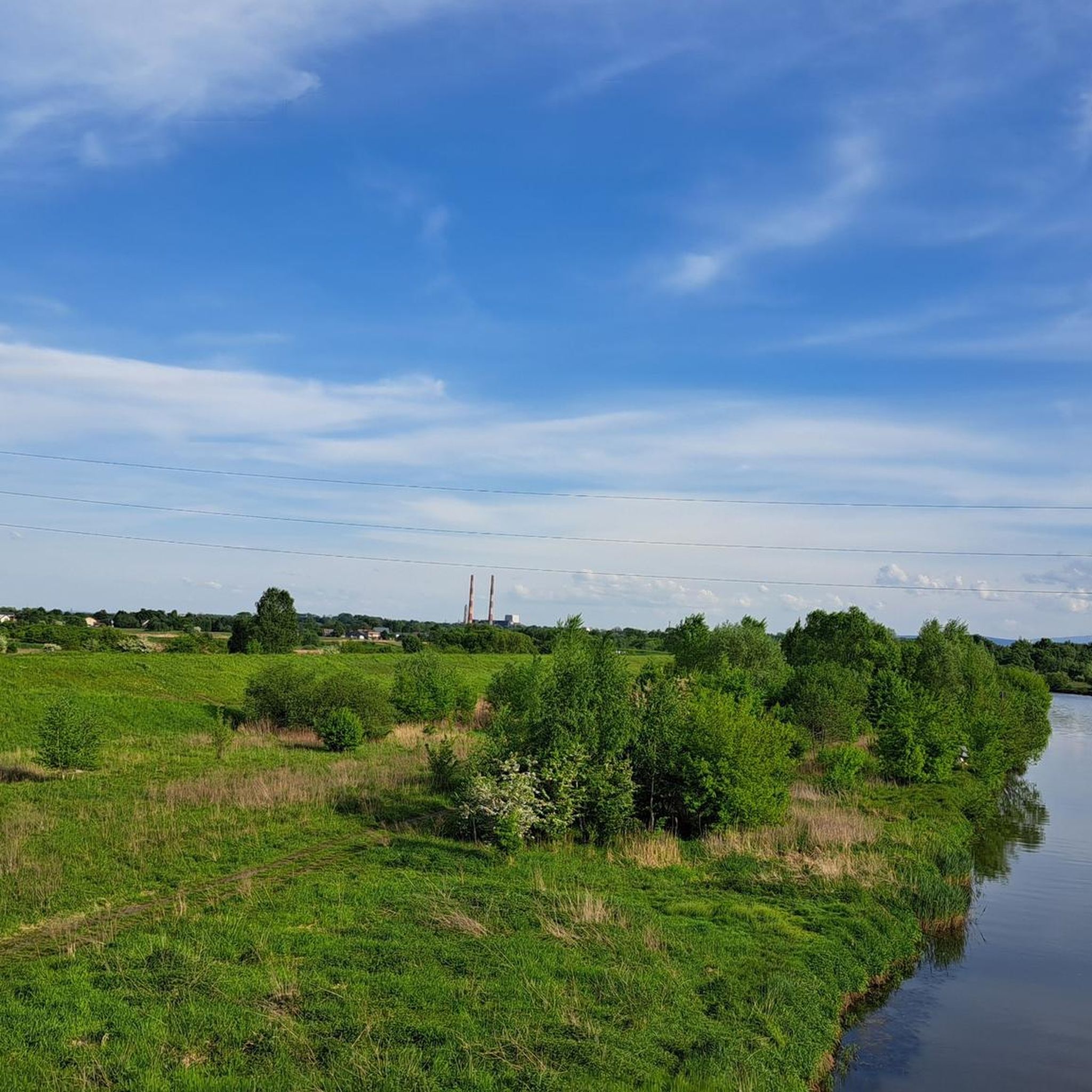
The natural areas, particularly the floodplains along the Vistula and Soła rivers, are rich in wildlife. Hikers often have opportunities to observe pheasants, hares, and deer, indicative of a thriving natural environment. The Bukowica Nature Reserve also supports a diverse bird population.
Most popular routes around gmina Oświęcim
Most popular attractions around gmina Oświęcim

Get inspired with the komoot mobile app


Explore more
Browse the best Hikes in other regions.
