The best walks and hikes around Grybów
4.5
(25)
256
hikers
20
hikes
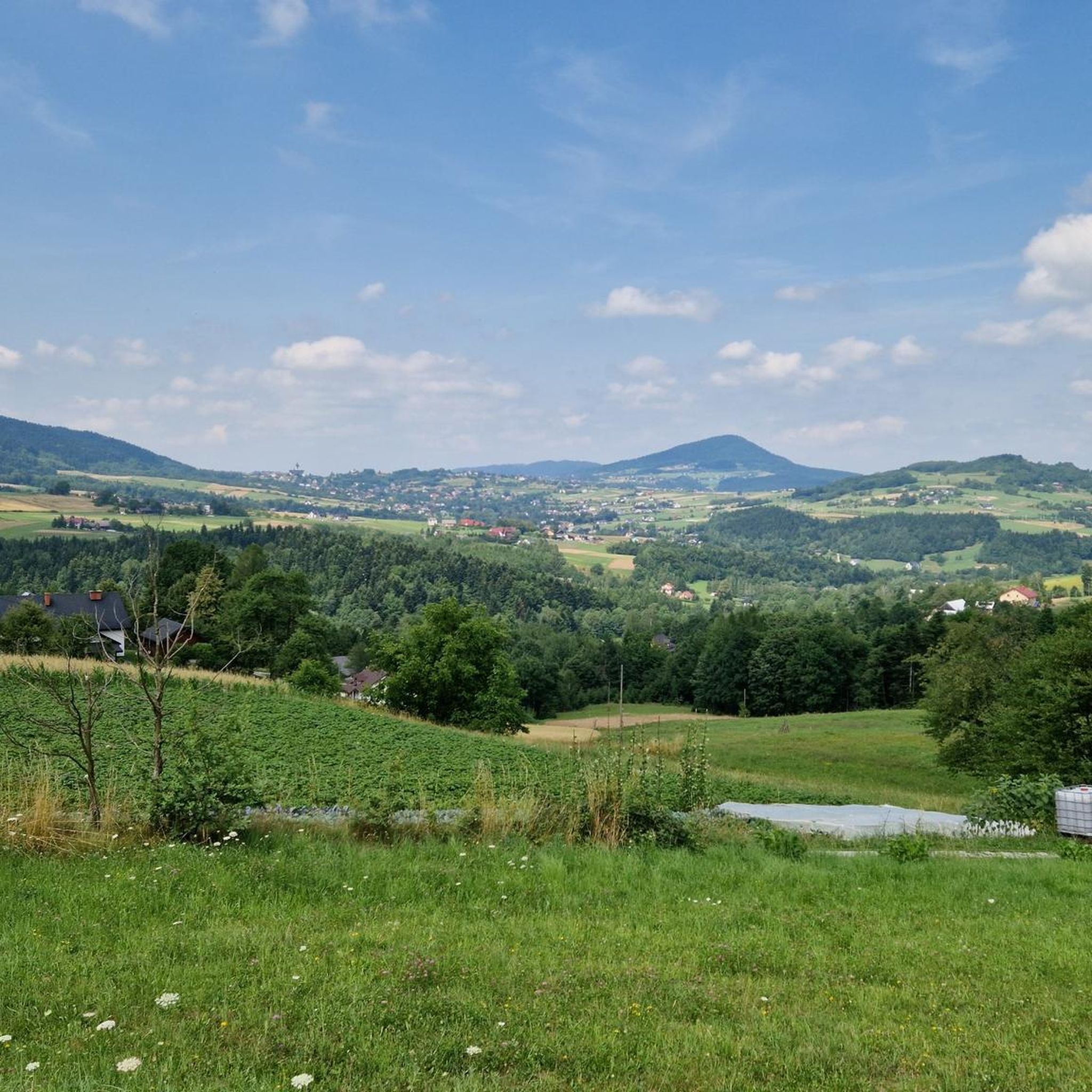
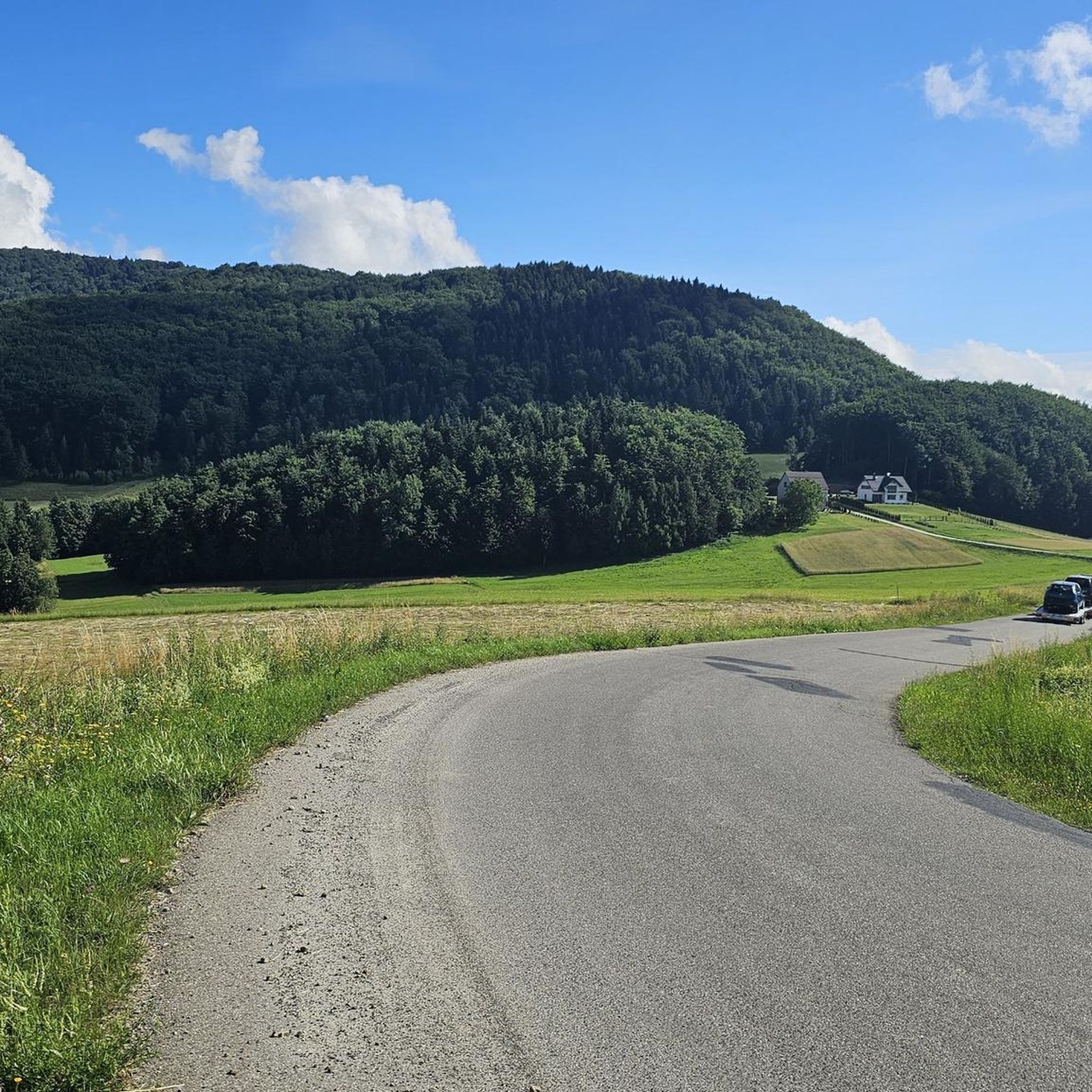
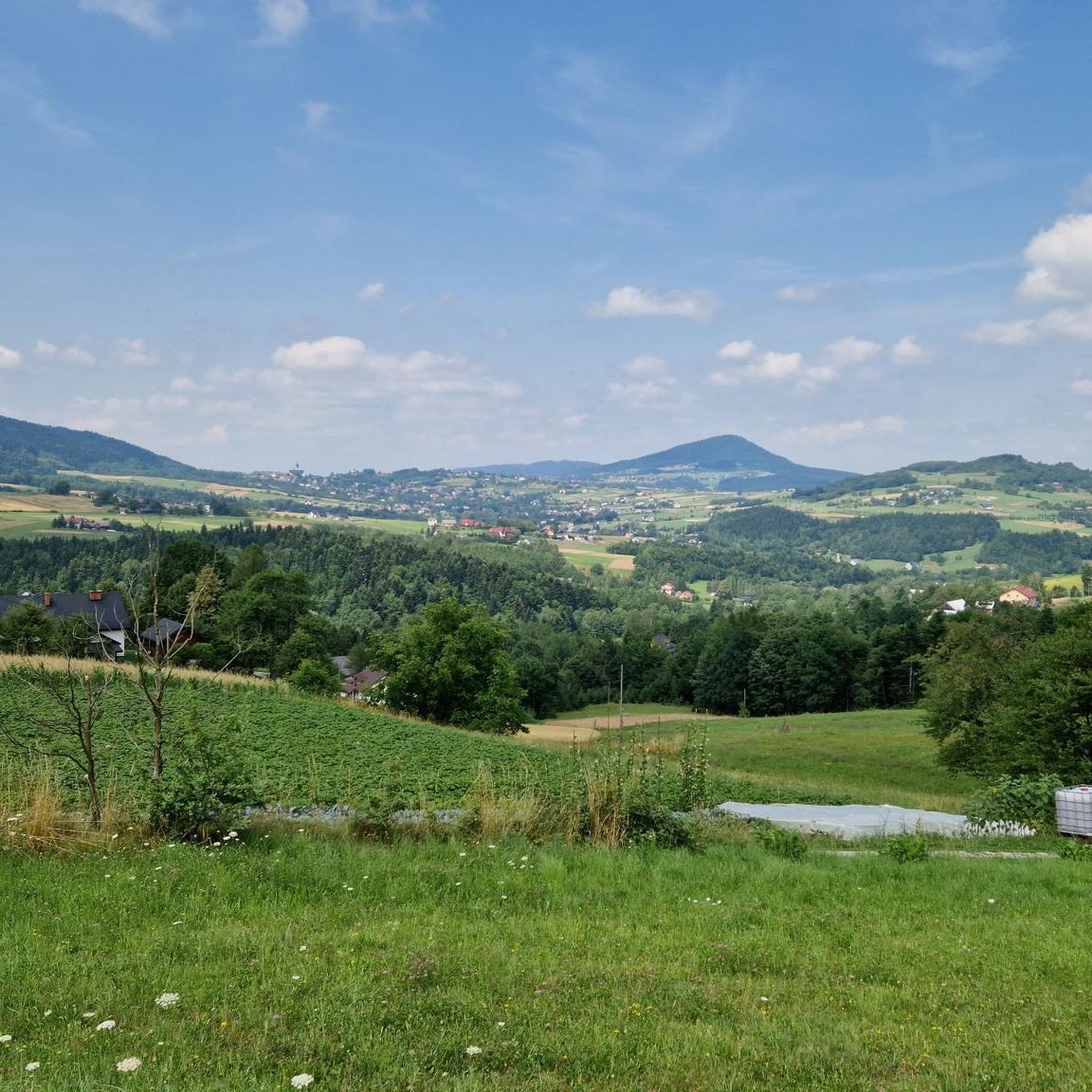
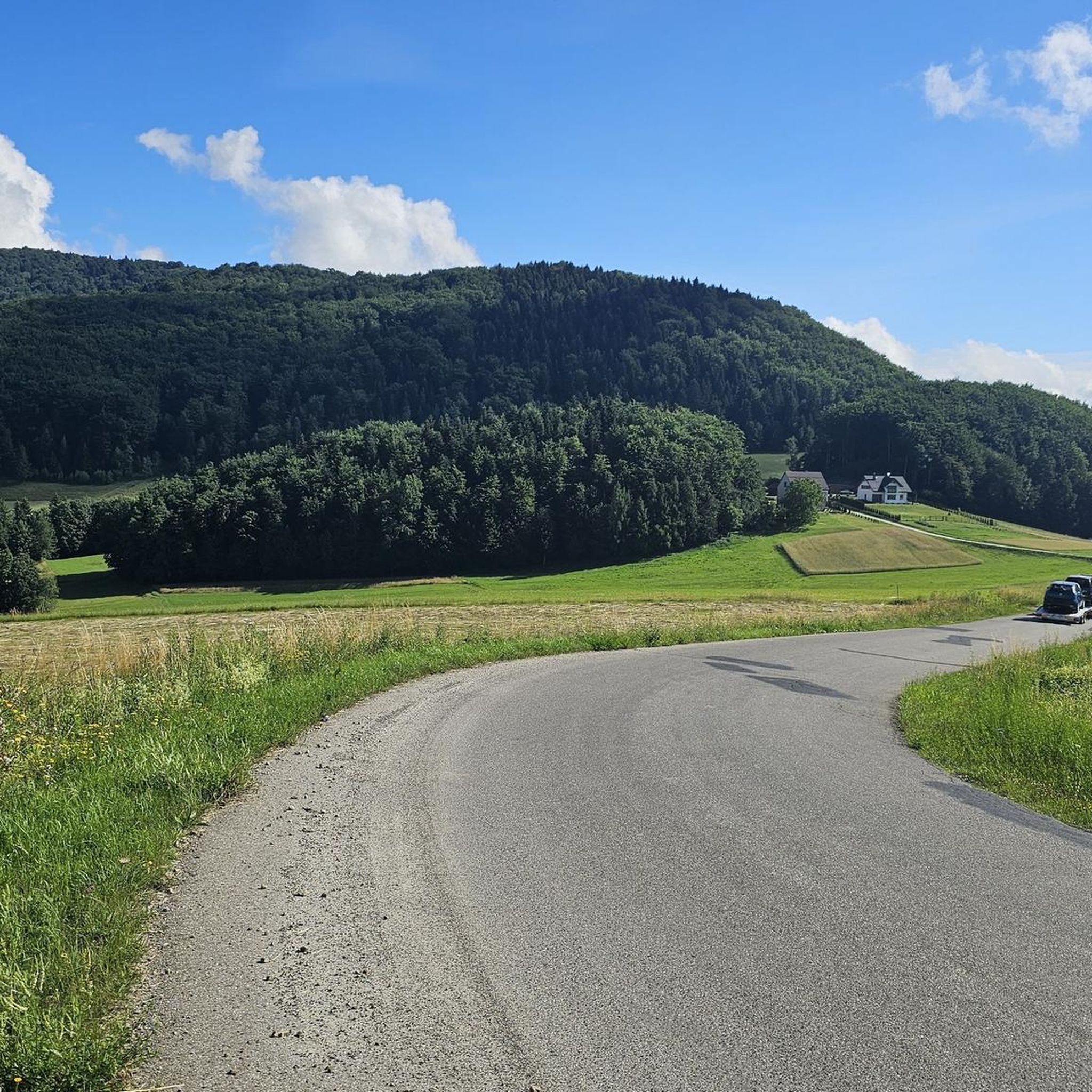
Hiking around Grybów offers access to the varied landscapes of the Low Beskids, characterized by gentle, rolling hills and extensive forested terrain. The region is situated in the Biała River valley, providing diverse natural features for outdoor exploration. Hikers can find varied terrain, including folds in the land and unique natural attractions like landslide lakes. This area provides a range of hiking experiences, from easy walks to more challenging routes.
Best hiking trails around Grybów
- The most popular hiking route…
Last updated: June 26, 2026
5.0
(2)
52
hikers
10.2km
03:12
400m
400m
Moderate hike. Good fitness required. Easily-accessible paths. Suitable for all skill levels.
5.0
(3)
40
hikers
2.84km
01:15
260m
260m
Easy hike. Great for any fitness level. Easily-accessible paths. Suitable for all skill levels.

Sign up for free
4.5
(2)
11
hikers
5.38km
01:54
300m
300m
Easy hike. Great for any fitness level. Easily-accessible paths. Suitable for all skill levels.
5.0
(3)
14
hikers
Moderate hike. Good fitness required. Easily-accessible paths. Suitable for all skill levels.
3.0
(1)
9
hikers
22.5km
06:40
620m
620m
Hard hike. Very good fitness required. Easily-accessible paths. Suitable for all skill levels.
Get access to more routes and recommendations from other explorers.
Sign up for free
Already have an account?
Our route recommendations are based on thousands of hikes, rides, and runs completed by other people on komoot.
Start today with a free account
Your next adventure awaits.
Login or Signup
Tips from the Community

The parish church of St. Catherine and St. Nicholas survived until the end of the 19th century. Then it turned out to be insufficient, and the river stone from which it was built caused its dampness. In the spring of 1908, the construction of a new church began in its place. In 1909, the foundations were laid, and the cornerstone was consecrated the following year. The construction works were carried out by Roman Olszewski, implementing the project of the Warsaw architect Józef Pius Dziekoński. Later, work on the church was carried out by the then Vice-Rector of the Warsaw University of Technology, Zdzisław Mączeński. The church was erected in the neo-gothic style of brick with the use of stone. On November 25, 1913, the bishop of Tarnów, Ignacy Maciejowski, made a temporary consecration of the still unfinished building. The outbreak of World War I prevented further construction. It was only in November 1918 that the top of the tower was finished and the church was covered with copper sheet.
0
0
In 1662, a serious fire took place, in which the parish church was heavily damaged. From the original equipment, only the statue of the Virgin Mary with the Child has survived to modern times[2]. Services were held in the church of St. St. Bernard. The people of Grybów helped in the reconstruction of the church, donating money for this purpose. The newly built church was solemnly consecrated on May 10, 1705 by the suffragan bishop of Kraków, Kazimierz Łubieński.
0
0
The first church of St. Catherine of Alexandria was funded by Kazimierz Wielki, as stated in the city's foundation document of May 15, 1340. It was a Gothic, oriented, single-nave, three-bay church with a chancel closed on three sides and a high tower adjoining the nave from the west, built of river stone and brick.
0
0
There was also a school of the famous Veit Stwosz, who created the altar in St. Mary's Basilica in Krakow. The town was also visited by Casimir Pulaski, Artur Grottger, Stanisław Wyspiański, Józef Piłsudski and Emperor Franz Joseph I.
0
0
The first mentions of Grybów date back to the Middle Ages. In 1340, King Casimir III the Great drew attention to a well-located settlement on the southern borders of the Polish state and named it Grynberg, meaning the city of green hills.
0
0

The center of Grybów is quite nicely kept. The impression is spoiled by the country road running through the center of the city.
0
0
Frequently Asked Questions
What kind of hiking trails can I expect around Grybów?
Grybów, situated on the edge of the Low Beskids, offers a variety of trails characterized by gentle, rolling hills and extensive forested terrain. You'll find diverse landscapes, including folds in the land and unique natural features like landslide lakes, suitable for various fitness levels.
Are there any easy hiking trails suitable for beginners or families in Grybów?
Yes, Grybów has several easy routes. For a pleasant walk through forested hills, consider the Jaworz Viewing Tower loop from Bogusza, which is about 3.3 miles (5.4 km) long and typically takes under two hours. The region offers 8 easy tours in total.
Where can I find panoramic views during a hike in Grybów?
Many trails in the area lead to the Jaworz Viewing Tower, which provides excellent panoramic views of the surrounding Low Beskids. A popular moderate option is the Jaworz Viewing Tower loop from Ptaszkowa, a 6.4-mile (10.2 km) route.
Are there any challenging hikes for experienced trekkers?
For those seeking a more demanding experience, Grybów offers routes with significant ascents. The Jaworz Viewing Tower loop from Grybów is a difficult 13.9-mile (22.4 km) trail with nearly 600 meters of elevation gain, providing a substantial challenge.
What unique natural attractions can I explore while hiking near Grybów?
A notable natural attraction is the Beskidzkie Morskie Oko Landslide Lake near Szymbark, one of the largest flysch landslide lakes in the Polish Carpathians. You can explore the protected natural environment around it on the Jelenia Góra Nature Reserve loop from Cmentarz wojenny nr 74 – Szymbark. The lake itself is a highlight: Morskie Oko Landslide Lake (Beskid Mountains).
Are there any historical or cultural landmarks near the hiking trails?
Yes, the region around Grybów features several interesting landmarks. You can visit historical churches like St. Catherine's Church in Grybow or the wooden churches such as St. Stanislaus Bishop Wooden Church in Binczarowa and St. Michael the Archangel Wooden Church in Szalowa. Additionally, Szymbark Castle offers a glimpse into the area's past.
What do other hikers say about the trails in Grybów?
The hiking routes in Grybów are highly rated by the komoot community, with an average score of 4.4 stars from over a dozen reviews. Hikers often praise the diverse terrain and the well-maintained paths that lead through the scenic Low Beskids.
Are there any circular hiking routes available?
Many of the trails around Grybów are designed as loops, allowing you to start and end at the same point. Examples include the Jaworz Viewing Tower loop from Kaplica pw. św. Piotra i Pawła na Podjaworzu, which is a moderate 6-mile (9.6 km) route.
When is the best time of year to go hiking in Grybów?
The Low Beskids offer pleasant hiking conditions from spring through autumn, with lush greenery in warmer months and vibrant colors in fall. While winter hiking is possible, be prepared for snow and colder temperatures, as the region experiences typical mountain weather.
Is Grybów a good base for exploring longer hiking trails?
Yes, Grybów serves as the endpoint for the Carpathian Trail (Szlak Karpacki), a significant 430 km long-distance hiking trail that traverses remote parts of the Polish Carpathian Mountains. This makes it an excellent starting or finishing point for serious trekkers.
How many hiking trails are available in the Grybów area?
There are over 15 hiking trails documented in the Grybów area, offering a wide range of options from easy strolls to more challenging ascents through the Low Beskids.
Most popular attractions around Grybów

Get inspired with the komoot mobile app


Explore more
Browse the best Hikes in other regions.
