Attractions and Places To See around gmina Gródek nad Dunajcem - Top 20
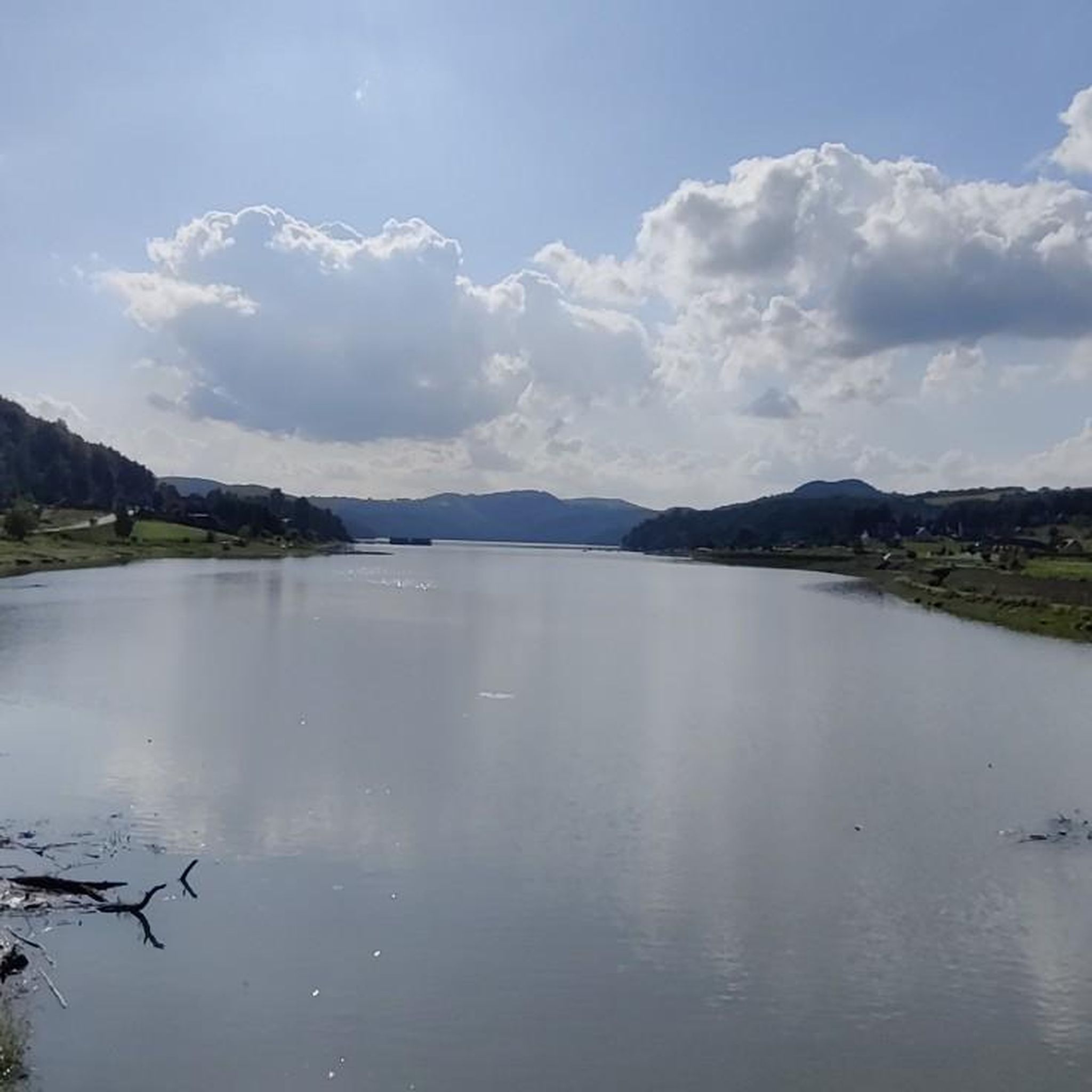
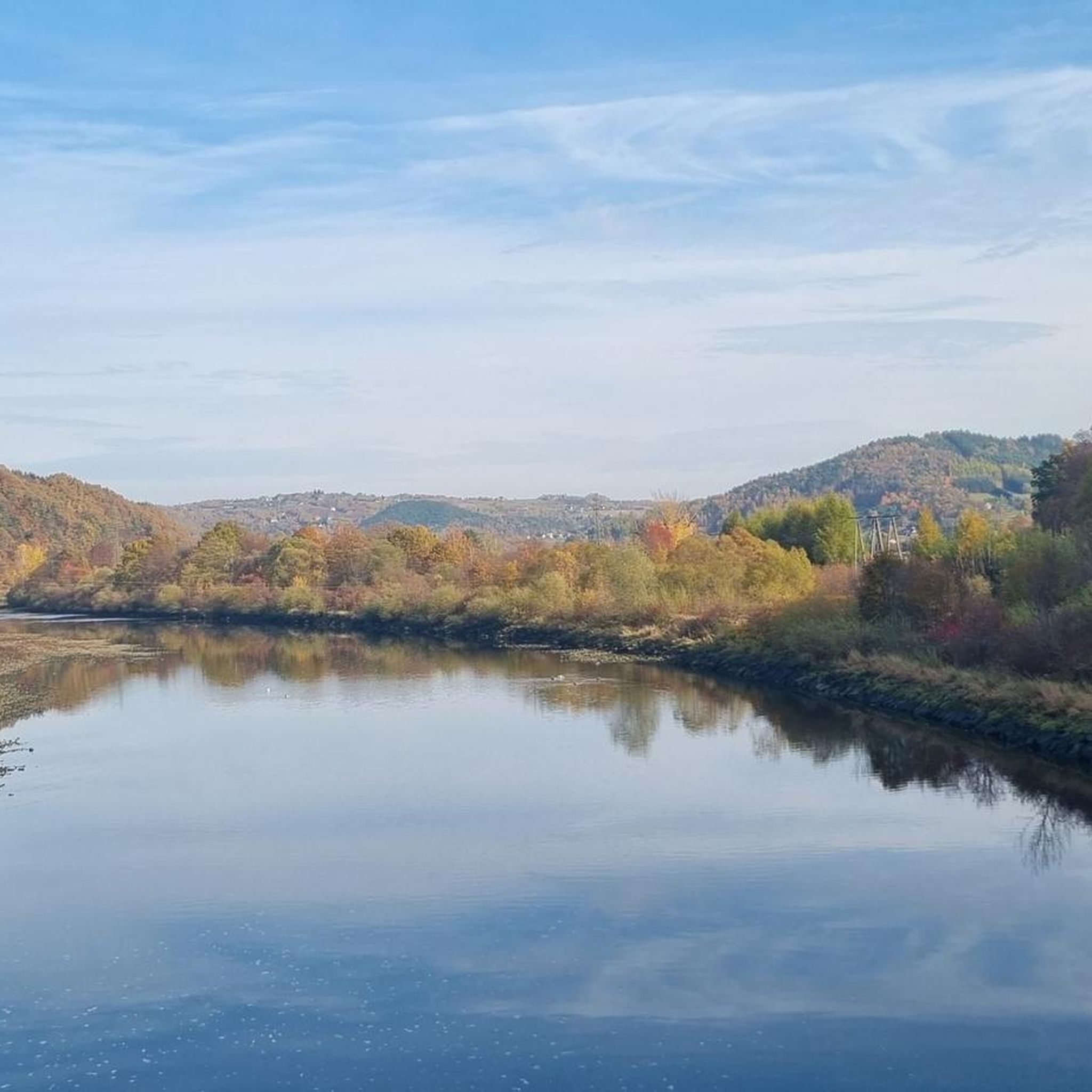
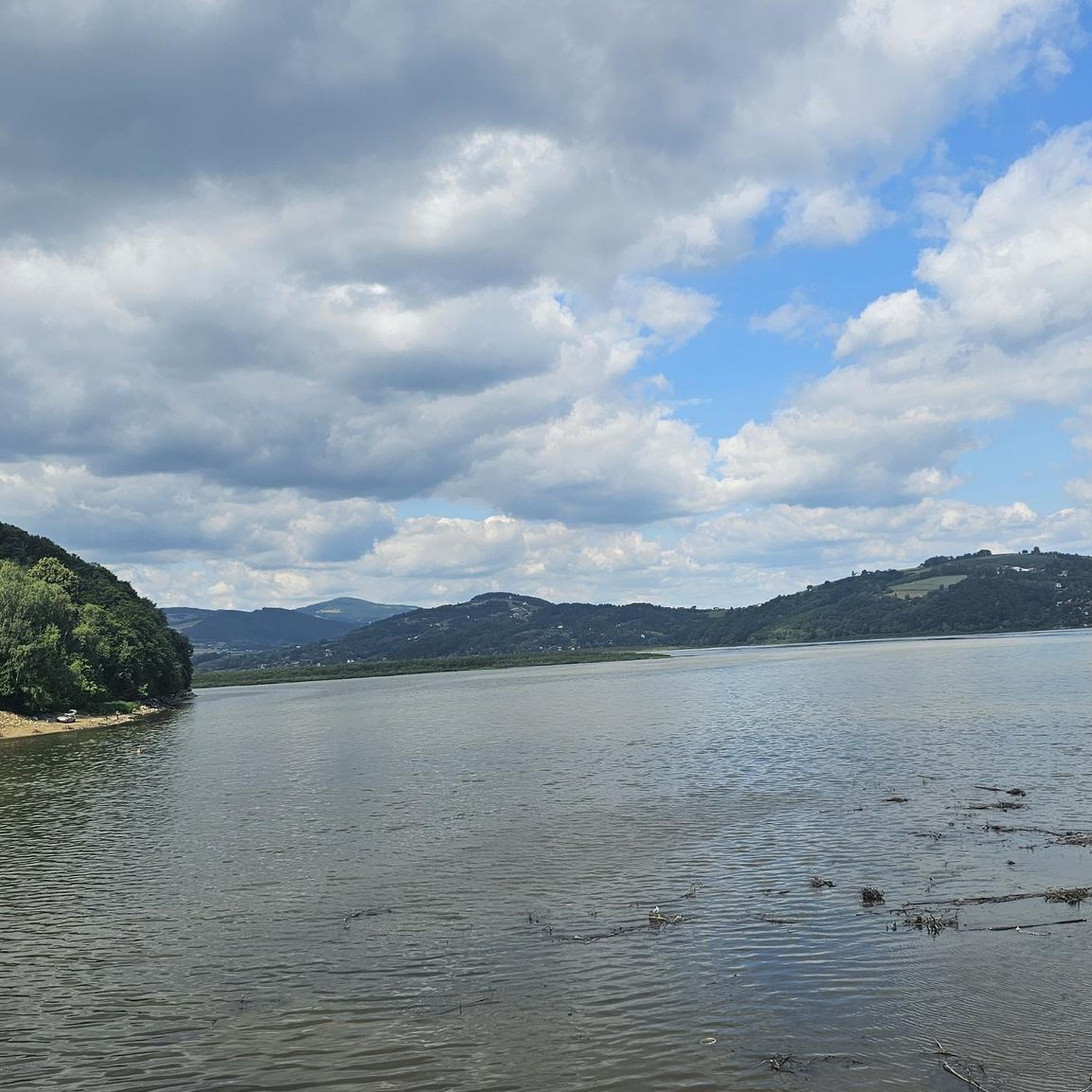
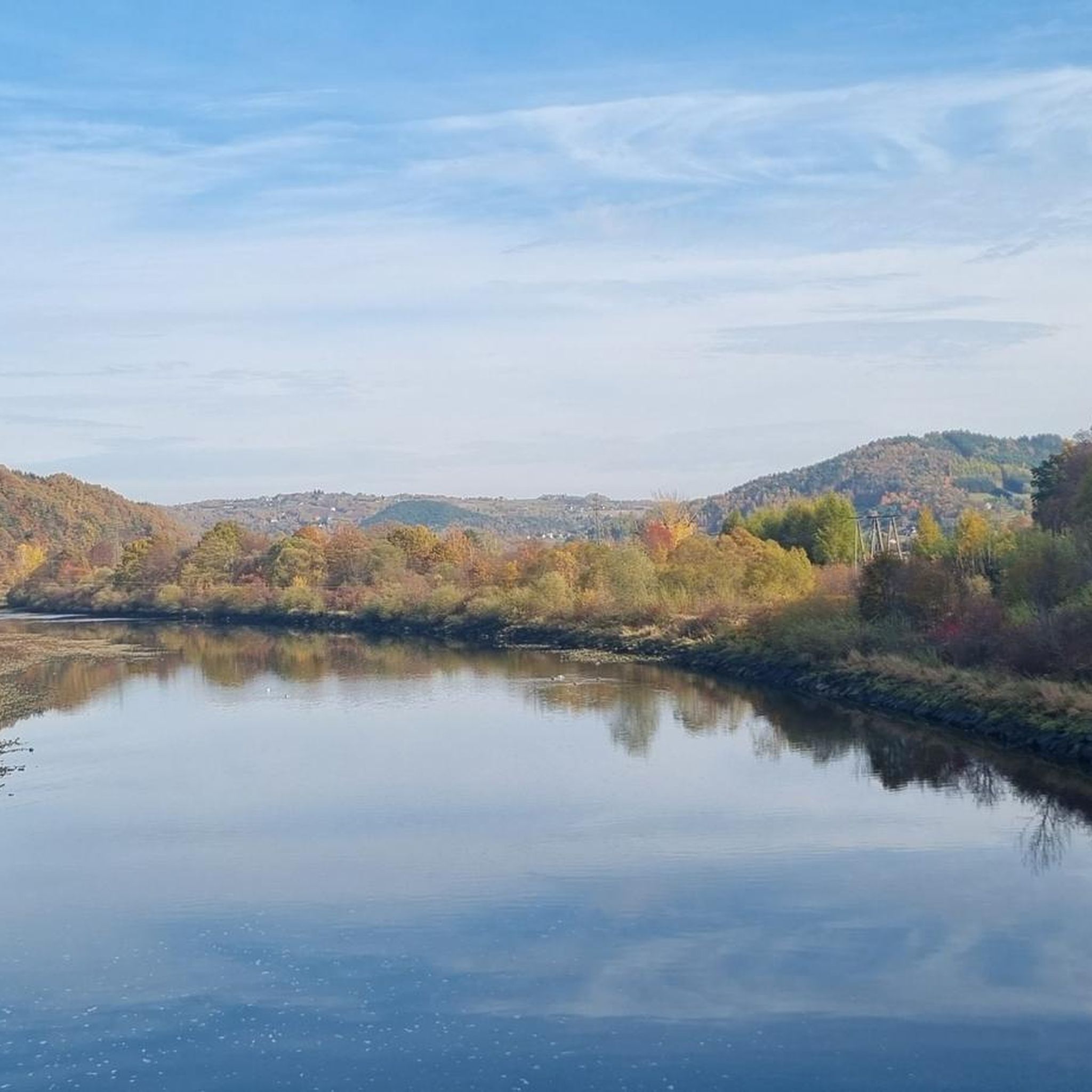
Best attractions and places to see around gmina Gródek nad Dunajcem are primarily centered around Jezioro Rożnowskie, an artificial lake created by damming the Dunajec River. This region in the Carpathian Foothills of Lesser Poland offers a diverse landscape of forested hills, numerous bays, and the picturesque Dunajec River Valley. Visitors can explore historical castles, ancient churches, and various natural features. The area provides opportunities for both cultural exploration and outdoor activities.
Best attractions and places to see around gmina Gródek nad Dunajcem
- The most popular attractions is Royal Castle in Nowy Sącz, a castle built by King Casimir the Great in the 14th century. It was once an important administrative and defensive point, with reconstructed elements and a municipal park.
- Another must-see spot is Melsztyn Castle, a historical castle that was restored in 2022 and 2023. The castle can be visited at any time, offering views and historical insights.
- Visitors also love Tropsztyn Castle, a 13th-century castle that was fully restored in 1993. This castle offers a view of the surrounding landscape and the large reservoir.
- gmina Gródek nad Dunajcem is known for its historical castles, ancient religious buildings, and natural features like Jezioro Rożnowskie. The region offers a variety of attractions to see and explore, from cultural sites to outdoor activities.
- The attractions around gmina Gródek nad Dunajcem are appreciated by the komoot community, with 28 photos and 93 upvotes across 21 highlights.
Last updated: July 15, 2026
Royal Castle in Nowy Sącz
Highlight • Castle
Translated by Google •
Tip by

Melsztyn Castle
Highlight • Castle
At the beginning of its existence, the castle functioned as a knightly residence of the powerful Melsztyński family. The stronghold was built in the 14th century. On the western edge of the hill, a high five-storey tower was erected on a rectangular plan. The third and fourth floors served as living quarters. The old and the new were themselves connected by a wall, enclosing the whole establishment with one defensive perimeter. From the west and south, a retaining wall was built to level the sweats in the courtyard and to strengthen the wall against sliding. At the bottom of the great, from the north-east side, there was a gatehouse through which the entrance to the castle led. Another extension of the defense system took place around 1461, which enabled the use of firearms. From the potnocnet side, an earth fortification was erected, which moved the first line of defense to a further distance. The main gate was also strengthened. In 1311, Melsztyn was sold and became the property of the Jordan family. In the middle of the 16th century, the oldest part of the castle was rebuilt in the Renaissance style into magnate residences. In the lower storey there were slit shooting ranges, while the upper storey had a representative and residential character.
The castle survived almost unchanged until the end of the 18th century, despite the fact that its owners changed. From 1601 they were the Tarls, and from 1744 the Lanckoronskis. Resisting even the attacks of the Swedes in the 17th century The year 1770 turned out to be tragic for the Melsztyn castle, when it was first taken over by the Bar confederates and then conquered and burned by the Russian army.
The first research work and securing the walls were undertaken in the years 1879-85 with the participation of architects and art historians. We owe it to Karol
Lanckoronski and thanks to him we can still see the remains of the zambu today
Local Action Group Dunajec-Biala
Translated by Google •
Tip by

Sign up now to discover places like this
Get recommendations on the best single tracks, peaks, & plenty of other exciting outdoor places.
Sign up for free
Tropsztyn Castle
Highlight • Castle
Attention: This castle is only open in July and August!
Attention: Please use the Dixi toilets in front of the entrance. There are no toilets inside the castle.
Attention: There are 3 parking spaces. The very small one directly in front of the castle is usually full and difficult to drive up. The large parking lot at the Dunajec is not far from the castle. You can park there without any problems.
If you visit the castle at the right time of year, you can go up the keep and have a wonderful view of the beautiful landscape and the large reservoir that dams the Dunajec.
I was pleasantly surprised when I saw the many children's play equipment located in the 3 floors of the keep.
The old structure has been distinguished from the new by a red mark. This shows how little was left of the castle before the restoration.
In the basement there are passages and secret passages that are authentic.
Please make sure to walk the hiking trail that leads around the castle rock. You will find this path immediately after the start of the driveway on the left-hand side. You can also go down in front of the entrance gate on the right side.
Translated by Google •
Tip by
Church of Saints Hermits Swierad and Benedict
Highlight • Religious Site
In the sale of the Tropstein estate of 1535 the church is mentioned as St. Gerald's, and from 1556 to 1603 it served as a Calvinist church for Protestants. At the beginning of the 17th century the church was taken over as the Church of the Polish Brethren.
In the 17th century, probably around 1634, a vestibule and "cloister" were added to the north wall of the nave, and the nave was extended to the west (Translated from Wikipedia).
Translated by Google •
Tip by

St. Adalbert Church
Highlight • Religious Site
Translated by Google •
Tip by
Sign up for free to discover even more attractions around gmina Gródek nad Dunajcem.
Sign up for free
Already have an account?
Start today with a free account
Your next adventure awaits.
Login or Signup
Tips from the Community

The Royal Castle in Nowy Sącz is now a picturesque ruin located in a place of exceptional landscape value – on a slope at the mouth of the Kamienica River into the Dunajec River. Built by Casimir the Great in the 14th century, it was once an important administrative and defensive point, visited by kings, including Jadwiga of Anjou and Władysław Jagiełło. Today, you can see the reconstructed Kowalska Tower and fragments of the old walls, and the entire area serves as a city park.
3
0

A tower and a few walls still tower over the Dunajec. The rest of the castle complex is history.
1
0

A restored wall is a ruin. The stairs at the back are closed with a gate, and there are no opening hours listed.
2
0

Quite a steep climb, but the castle and views are worth the effort.
1
0

There is parking on the back road which is then a fairly level walk to the tower. If you park by the restaurant on the main road it is a steep & muddy when wet climb up to the site.
0
0

In 1945, several soldiers of the Peasant Battalions under the command of Tadeusz Dymel blew up a German ammunition warehouse stored in the castle, as a result of which the monument was almost completely destroyed.
0
2

The St. Adalbert Church and the Exaltation of the Cross in Roznow dates from 1662 and was inaugurated in 1705. The two-part church building consists of a choir room closed off from several sides and a wider nave. The church is covered with sheet metal and has a turret. The interior of the church is covered with a mock barrel vault decorated with contemporary frescoes. Frescoes from 1688 have been preserved on the choir ceiling. In the center of the baroque main altar there is a Crucifixion group from the 17th century and in the side altars are images of St. Adalbert and the Sorrowful Mother of God. A valuable piece of equipment is the baptismal font from the turn of the 17th and 18th centuries with a wooden lid from 1663 (source: information board on site).
4
0
The church is one of the oldest in this part of Poland. It is said to have been founded around 1045 by Casimir the Restorer and consecrated around 1073 by Saint Stanislaus the Martyr. According to tradition, the building was built on the site of the hermitage of Saint Swierad, a Benedictine monk who lived at the turn of the 10th and 11th centuries. century lived. However, all that remains of the original building are the walls of the chancel, which was raised secondarily, and the remains of the north and west walls of the nave. The completion of the building dates back to the turn of the 11th and 12th centuries. In the 13th century a sacristy (today a storeroom) was added to the north wall. In the 16th century, part of the chancel walls were bricked up and vaulted with a lantern cupola, and a chapel of the Virgin Mary was added to the south wall of the nave, which now serves as the sacristy. In the sale of the Tropstein estate of 1535 the church is mentioned as St. Gerald's, and from 1556 to 1603 it served as a Calvinist church for Protestants. At the beginning of the 17th century the church was taken over as the Church of the Polish Brethren. In the 17th century, probably around 1634, a vestibule and "cloister" were added to the north wall of the nave, and the nave was extended to the west (Translated from Wikipedia).
4
0
Frequently Asked Questions
What historical sites can I visit in Gmina Gródek nad Dunajcem?
The region is rich in history, featuring several castles and ancient churches. You can explore the ruins of the Royal Castle in Nowy Sącz, built by King Casimir the Great. Don't miss Melsztyn Castle, which has seen recent restoration, or the fully restored 13th-century Tropsztyn Castle. For religious history, visit the Church of Saints Hermits Swierad and Benedict, one of Małopolska's oldest monuments, or the historic St. Adalbert Church.
What outdoor activities are available around Jezioro Rożnowskie?
Jezioro Rożnowskie (Rożnów Lake) is perfect for water sports like sailing, kayaking, and fishing. You can also enjoy motorboat trips and sightseeing cruises, or relax on the public sandy beaches in Gródek nad Dunajcem, Bartkowa-Posadowa, and Rożnów. The surrounding area offers numerous hiking and cycling trails through forests and hills.
Are there family-friendly attractions in the area?
Yes, several attractions are suitable for families. The Royal Castle in Nowy Sącz, with its park, is a great option. Tropsztyn Castle also offers children's play equipment within its keep during its opening months (July and August). Additionally, the region's beaches and boat trips on Jezioro Rożnowskie are popular with families. For nature lovers, the Skamieniałe Miasto (Stone Town) Nature Reserve, with its legendary rock formations, is a fascinating place for all ages.
Where can I find scenic viewpoints in Gmina Gródek nad Dunajcem?
The area around Jezioro Rożnowskie is renowned for its beautiful panoramas. Excellent viewing spots include Tabaszowa, Sienna, Zbyszyce, Bartkowa, Gródek nad Dunajcem, Znamirowice, and Rożnów. The tower on Szpilówka near Iwkowa also provides extensive views, even reaching the Tatra Mountains on clear days.
What natural features should I explore besides the lake?
Beyond Jezioro Rożnowskie, you can explore the picturesque Dunajec River Valley, ideal for canoeing and kayaking. Climbing enthusiasts will enjoy the Rożnowskie Skałki (Rożnów Rocks). For unique rock formations, visit the Skamieniałe Miasto (Stone Town) Nature Reserve or the Diable Skały (Devil's Rocks) Nature Reserve.
Are there hiking opportunities near the attractions?
Absolutely. The region offers a variety of hiking trails. You can find easy hikes like the John III Sobieski Wayside Shrine loop or the View of Lake Rożnowskie loop, both starting from Gródek nad Dunajcem. For more options, explore the Hiking around gmina Gródek nad Dunajcem guide, which includes routes of varying difficulty.
Can I go cycling in Gmina Gródek nad Dunajcem?
Yes, the area is very popular for cycling. There are numerous trails, including a 'wine trail' that passes by local vineyards. You can find several routes around Jezioro Rożnowskie, such as the Lake Rożnowskie loop from Cmentarz wojenny nr 354 – Sienna. For more detailed routes, check out the Cycling around gmina Gródek nad Dunajcem guide.
What is Małpia Wyspa (Monkey Island)?
Małpia Wyspa, also known as Grodzisko Island, is a unique island on Lake Rożnowskie. It serves as a nature reserve and a significant breeding ground for many bird species. While direct entry is usually restricted to protect its natural habitat, you can admire it from the shore or during a boat trip on the lake. The island also holds archaeological significance with ruins of a 14th-century stronghold.
Are there any unique cultural experiences or local products to discover?
Beyond historical sites, the region boasts several vineyards like Winnica Gródek in Zbyszyce, offering wine tasting experiences. You can also visit Osada Młyńska (Mill Settlement) in Roztoka-Brzeziny to see a historical mill, sawmill, and miller's house, showcasing the area's milling heritage. The region is also known for its 'Piękny Jaś z Doliny Dunajca' (Beautiful John from the Dunajec Valley) bean plantations.
What is the best time of year to visit Gmina Gródek nad Dunajcem?
The region is particularly appealing during the warmer months, from late spring to early autumn (May to September), when Jezioro Rożnowskie is ideal for water sports and outdoor activities. Castles like Tropsztyn Castle are typically open in July and August. The lush greenery and pleasant weather make it perfect for hiking, cycling, and enjoying the scenic viewpoints.
Are there any less crowded attractions or hidden gems?
For a quieter experience, consider exploring the smaller historic churches that are part of the Wooden Architecture Trail of the Małopolska Voivodeship, such as those in Przydonice and Zbyszyce. The various viewpoints around the lake, away from the main beaches, can also offer peaceful moments. Additionally, exploring the local vineyards provides a unique and often less crowded cultural experience.
Most popular routes around gmina Gródek nad Dunajcem
Most popular attractions around gmina Gródek nad Dunajcem

Get inspired with the komoot mobile app


Explore more
Still not found the Highlight you’re looking for? See guides of the top attractions in other regions:
