Attractions and Places To See around gmina gmina Uście Gorlickie - Top 20
Best attractions and places to see around gmina gmina Uście Gorlickie is located in the Low Beskids of Poland, characterized by mountainous terrain, forested ridges, and river valleys. The region offers a mix of natural beauty, cultural heritage, and historical sites. Notable features include the Ropa River basin, Klimkówka Lake, and numerous mineral water springs, particularly in Wysowa-Zdrój. The area is also rich in Lemko cultural sites and World War I cemeteries, providing diverse points of interest.
Best attractions and…
Last updated: October 5, 2026
Devil's Stone on Jaworzyna Krynicka
Highlight • Natural Monument
One legend has it that it was dropped here by the devil – do you believe it?
Translated by Google •
Tip by

St. Paraskevi Church
Highlight • Religious Site
Translated by Google •
Tip by

Sign up now to discover places like this
Get recommendations on the best single tracks, peaks, & plenty of other exciting outdoor places.
Hańczowa Orthodox Church
Highlight • Religious Site
Translated by Google •
Tip by
Kozie Żebro (847 m above sea level)
Highlight • Summit
Translated by Google •
Tip by
Nieznajowa Abandoned Village
Highlight • Historical Site
Translated by Google •
Tip by

Sign up for free to discover even more attractions around gmina gmina Uście Gorlickie.
Already have an account?
Start today with a free account
Your next adventure awaits.
Popular around gmina gmina Uście Gorlickie
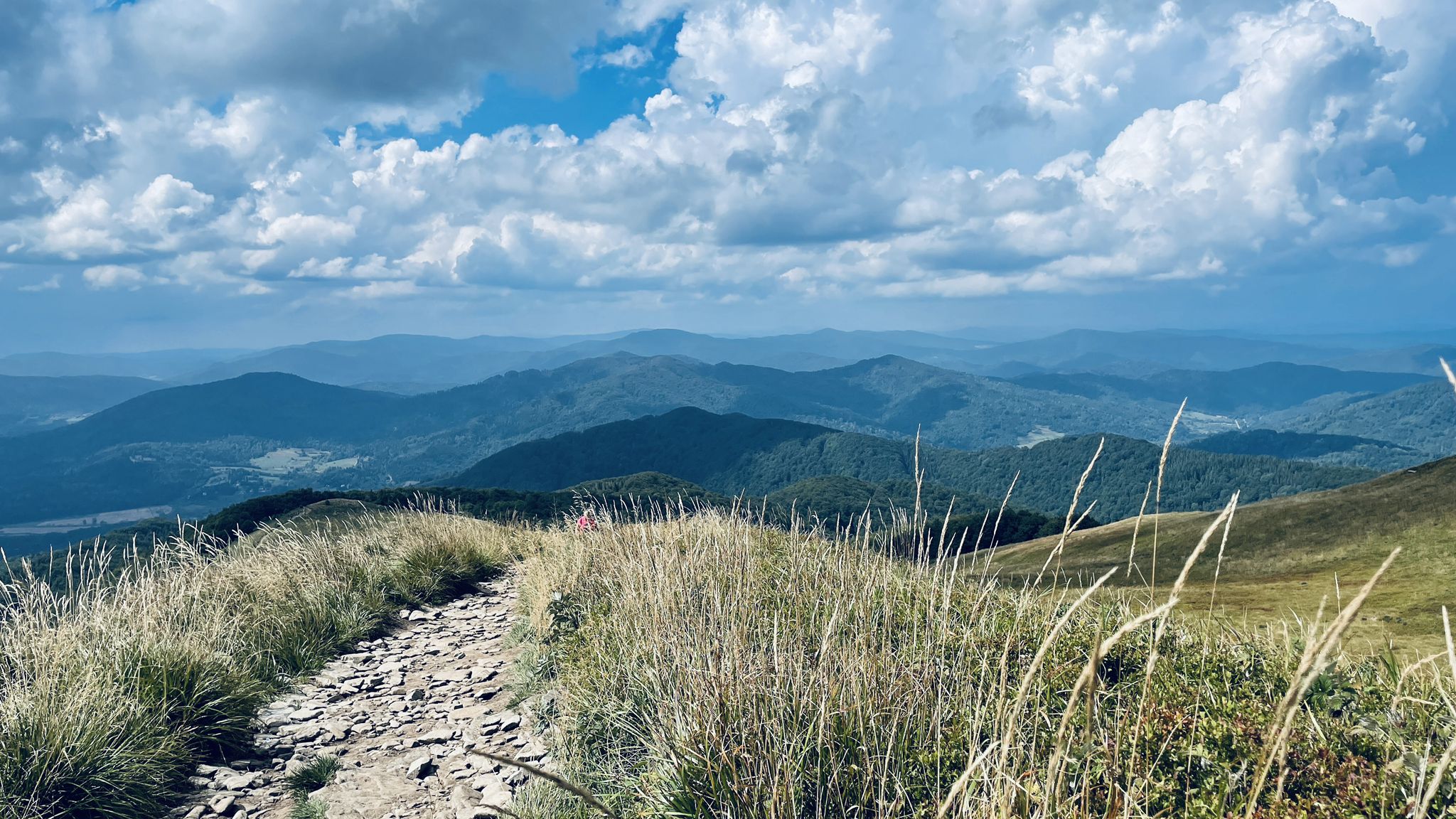
Main Beskids Trail — the longest Polish Mountain Trail
Diverse Poland — explore five regions by mountain bike
Hiking around gmina gmina Uście Gorlickie
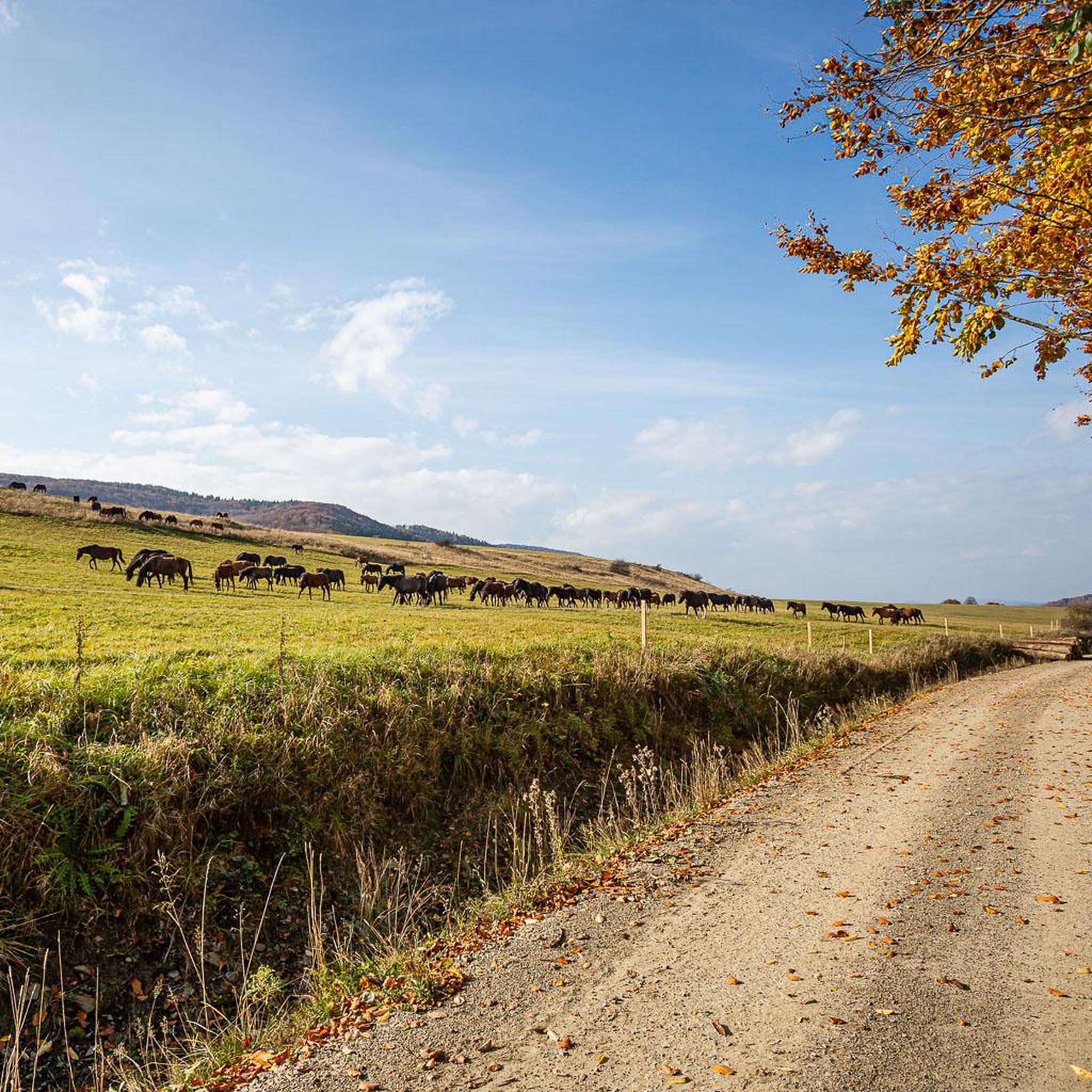
Cycling around gmina gmina Uście Gorlickie
Road Cycling Routes around gmina gmina Uście Gorlickie
MTB Trails around gmina gmina Uście Gorlickie
Running Trails around gmina gmina Uście Gorlickie

Gravel biking around gmina gmina Uście Gorlickie

Mountain Hikes around gmina gmina Uście Gorlickie
Other adventures around gmina gmina Uście Gorlickie


Tips from the Community

Very nice rocks descending the red trail from Jaworzyna towards Czarny Potok. I recommend it👍
0
0

An inanimate natural monument in Jaworzyna Krynicka. It's mushroom-shaped and made of sandstone. One legend has it that it was dropped here by the devil – do you believe it?
2
0
Wooden churches always impress me. This one—apparently a typical Lemko church (they had good taste!)—dates back to the early 19th century and is an Orthodox church. It's not on the Main Beskid Trail itself, but almost there, so it's worth the detour.
2
0
A peak at 847 meters above sea level in the Beskid Niski Mountains (not so low for me, I'm from Gdańsk!). Apparently, the name of this peak was the idea of Austrian cartographers who found the skeleton of a roe deer here, commonly known in this area as a goat.
1
0

Kozie Żebro (847 m a.s.l.) – a peak in the western part of the Beskid Niski. „The original name was allegedly given to this peak by Austrian cartographers who found a roe deer skeleton there, commonly called a goat here” (Krukar W., Kryciński S., Luboński P., Olszański T.A., Beskid Niski. Przewodnik dla prawdziwego turysty).
2
0

I suggest approaching from the Jaworzynka side, it is an easier approach
0
0

The first church was built in this place in 1629, and the current one was built in its place in the 18th century and thoroughly rebuilt in 1871. Until 1947 and the displacement of the inhabitants, it was a Greek Catholic church, and in the years 1947-1958 a Catholic church. Due to the poor condition of the building, a decision was made to demolish it, but it was saved. This was thanks to several previously displaced families who returned to Hańczowa and renovated the church for the needs of the Orthodox parish established in 1958. In later years, the church was renovated several more times. The area of the church is surrounded by a wooden fence with gates from the 19th century. A granite cross was placed in 1988 to commemorate the millennium of the baptism of Ruthenia. A bronze plaque dedicated to the Lemkos expelled in 1947 hangs on the wall of the church.
2
0
The church is considered one of the most beautiful churches in Poland due to its proportions. It is definitely worth visiting.
1
0
Frequently Asked Questions
What natural attractions can I explore in Gmina Uście Gorlickie?
The region is rich in natural beauty, nestled in the Low Beskids. You can explore the mountainous terrain with forested ridges and river valleys. Key natural features include the Ropa River basin and the scenic Klimkówka Lake, perfect for walks, fishing, kayaking, and pedal boating. Don't miss the mineral water springs in Wysowa-Zdrój, particularly the Spa Park and Mineral Water Pump Room. For geological interest, look for sandstone outcrops in the mountains and river valleys, such as on Biała Skałka and Ostry Wierch.
Are there any historical or cultural sites worth visiting in the area?
Yes, Gmina Uście Gorlickie has a rich cultural and historical heritage. A must-see is the St. Paraskevi Church in Kwiatoń, an ancient Lemko church with a tower dating back to 1743. You can also visit the Orthodox Church of St. Paraskeva in Uście Gorlickie, built in 1796, and the Hańczowa Orthodox Church. The area is also home to numerous World War I cemeteries and the Nieznajowa Abandoned Village, offering a glimpse into the region's past.
What kind of outdoor activities can I do in Gmina Uście Gorlickie?
The mountainous terrain and natural features of Gmina Uście Gorlickie are ideal for various outdoor activities. You can enjoy extensive hiking, cycling, and horseback riding trails. Klimkówka Lake offers opportunities for kayaking and pedal boating. In winter, there are ski slopes available. For specific hiking routes, consider exploring the easy hikes around Gmina Uście Gorlickie, or for cycling, check out the gravel biking or road cycling routes.
Are there any attractions suitable for families with children?
Yes, Gmina Uście Gorlickie offers family-friendly options. The Spa Park in Wysowa-Zdrój is a pleasant place for walks and relaxation. Klimkówka Lake provides recreational activities like pedal boating and bike rentals. Many of the natural trails are suitable for family hikes, and the St. Paraskevi Church is also considered family-friendly, offering a cultural experience.
Where can I experience the unique Lemko culture?
To delve into Lemko culture, visit the St. Paraskevi Church in Kwiatoń, a prime example of Lemko wooden architecture. The Nieznajowa Abandoned Village, though now only traces remain, tells the story of a once vibrant Lemko community. You can also visit the 'Dziubyniłka' Lemko Educational Farm - Museum and the Monument to Lemko People in Uście Gorlickie village, which itself maintained its Lemko character.
What are the best viewpoints or mountain peaks to visit?
For panoramic views, consider hiking to Goat Rib, a peak at 847 meters above sea level in the Beskid Niski Mountains, offering rewarding vistas. Other notable peaks in the Low Beskids include Lackowa (997 m), Ostry Wierch (930 m), and Jaworzyna Konieczniańska (891 m), known for its scenic beauty. The Devil's Stone on Jaworzyna Krynicka is also a unique natural monument with a viewpoint nearby.
Are there any unique geological formations in the area?
Yes, the region features interesting geological formations, particularly sandstone outcrops. The most numerous rock outcrops can be observed on Biała Skałka (903 m) and Ostry Wierch (930 m). On Ostry Wierch, you might also find the location of a cave known as 'zbójnicka piwnica' (robber's cellar). The Devil's Stone on Jaworzyna Krynicka is another notable inanimate natural monument, a mushroom-shaped sandstone formation.
What is Wysowa-Zdrój known for?
Wysowa-Zdrój is a renowned health resort within Gmina Uście Gorlickie, famous for its abundant underground mineral water resources. Its Spa Park features valuable medicinal alkaline carbonic acid waters used for spa treatments and the production of medicinal and mineral waters. The Mineral Water Pump Room is a unique attraction where you can sample these waters.
Can I find opportunities for horseback riding?
Yes, horseback riding is a popular activity in the region. There is a notable Horse Stud in Regietów, located about 8 km from Orlik, which specializes in Hucul ponies. This provides an excellent opportunity to experience the local landscape from a different perspective.
What kind of events or festivals take place in Gmina Uście Gorlickie?
The gmina organizes numerous summer cultural events, including festivals, rallies, and sports competitions. Popular festivals that celebrate local traditions and culture include 'Święto Rydza' (Mushroom Festival) and 'Łemkowska Watra' (Lemko Bonfire), offering a vibrant experience of the region's heritage.
Is there a specific trail for wooden architecture?
Yes, Uście Gorlickie is situated along a wooden architecture trail. This trail highlights the distinctive wooden churches and other historical wooden buildings characteristic of the region, offering a unique cultural and architectural journey.
What makes the flora and fauna of this region special?
The area is a haven for diverse plant and animal life, serving as a natural bridge connecting the fauna and flora of the Eastern and Western Carpathians. You can find protected plant species like cross gentian, orchids, and martagon lily. The large forest complexes provide habitat for various herbivores and predators, and the abundance of predatory birds is considered a European-scale attraction.
Most popular routes around gmina gmina Uście Gorlickie
Most popular attractions around gmina gmina Uście Gorlickie

Get inspired with the komoot mobile app


Explore more
Still not found the Highlight you’re looking for? See guides of the top attractions in other regions:
