Attractions and Places To See around gmina Gnojnik - Top 20
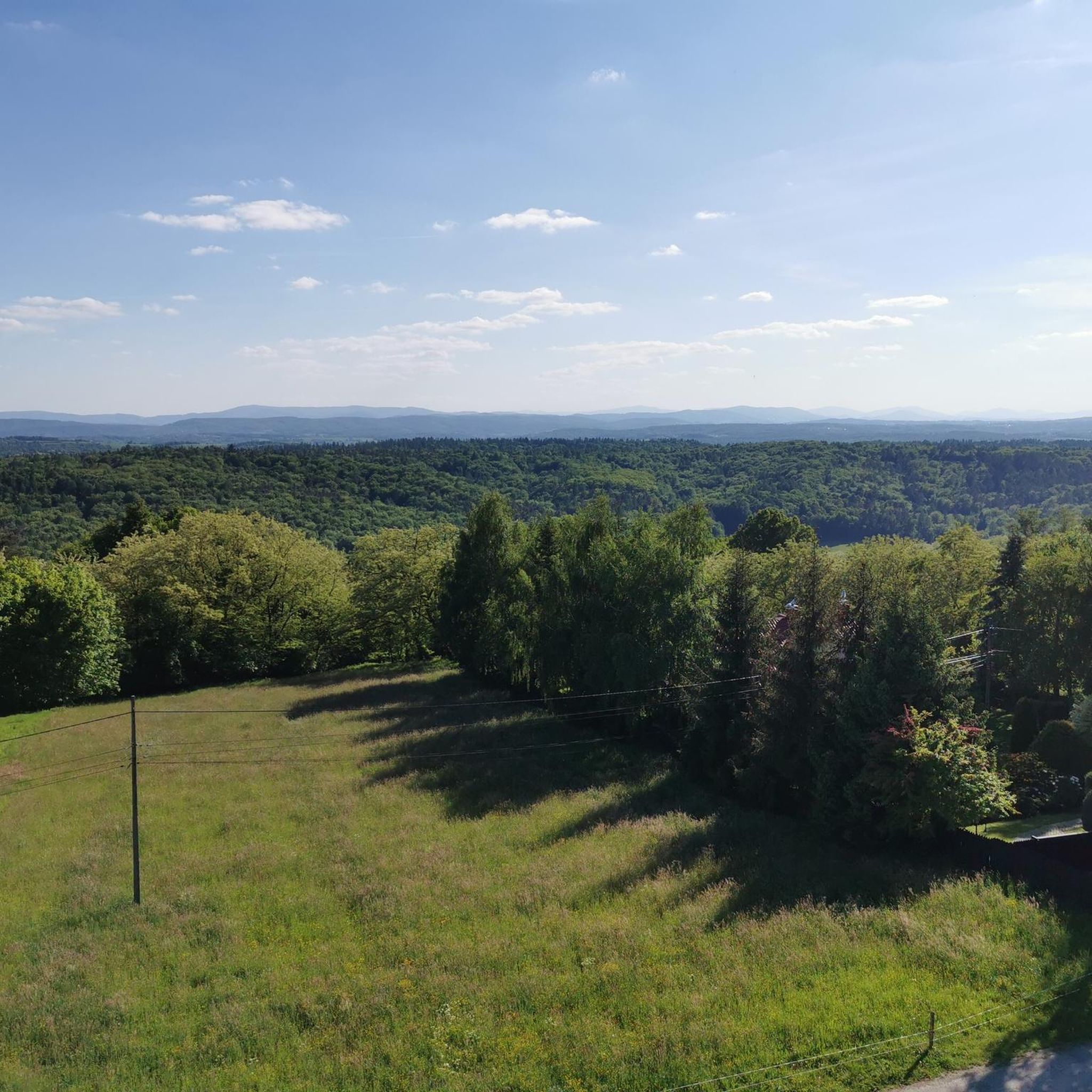
Attractions and places to see around gmina Gnojnik are found in the Małopolska Province of Poland, situated in the eastern Wiśnickie Foothills. The region features a diverse terrain, including the Uszwica river valley, numerous hills, gorges, and wooded areas. Visitors can explore historical landmarks, cultural sites, and natural landscapes. The area offers varied topography for walks and exploration.
Best attractions and places to see around gmina Gnojnik
- The most popular attractions is Dębno Castle, a castle built before 1480.…
Last updated: July 15, 2026
Dębno Castle
Highlight • Castle
Linda Luchter and Krupińska's information booklet says: "[The Dębno Castle] is one of the most interesting and valuable Polish architectural objects ... It …
Translated by Google •
Tip by

Melsztyn Castle
Highlight • Castle
Translated by Google •
Tip by
Sign up now to discover places like this
Get recommendations on the best single tracks, peaks, & plenty of other exciting outdoor places.
Sign up for free
Tropsztyn Castle
Highlight • Castle
Attention: This castle is only open in July and August!
Attention: Please use the Dixi toilets in front of the entrance. There are …
Translated by Google •
Tip by
Church of Saints Hermits Swierad and Benedict
Highlight • Religious Site
Translated by Google •
Tip by

Wiśnicz Castle
Highlight • Castle
Translated by Google •
Tip by
Sign up for free to discover even more attractions around gmina Gnojnik.
Sign up for free
Already have an account?
Start today with a free account
Your next adventure awaits.
Login or Signup
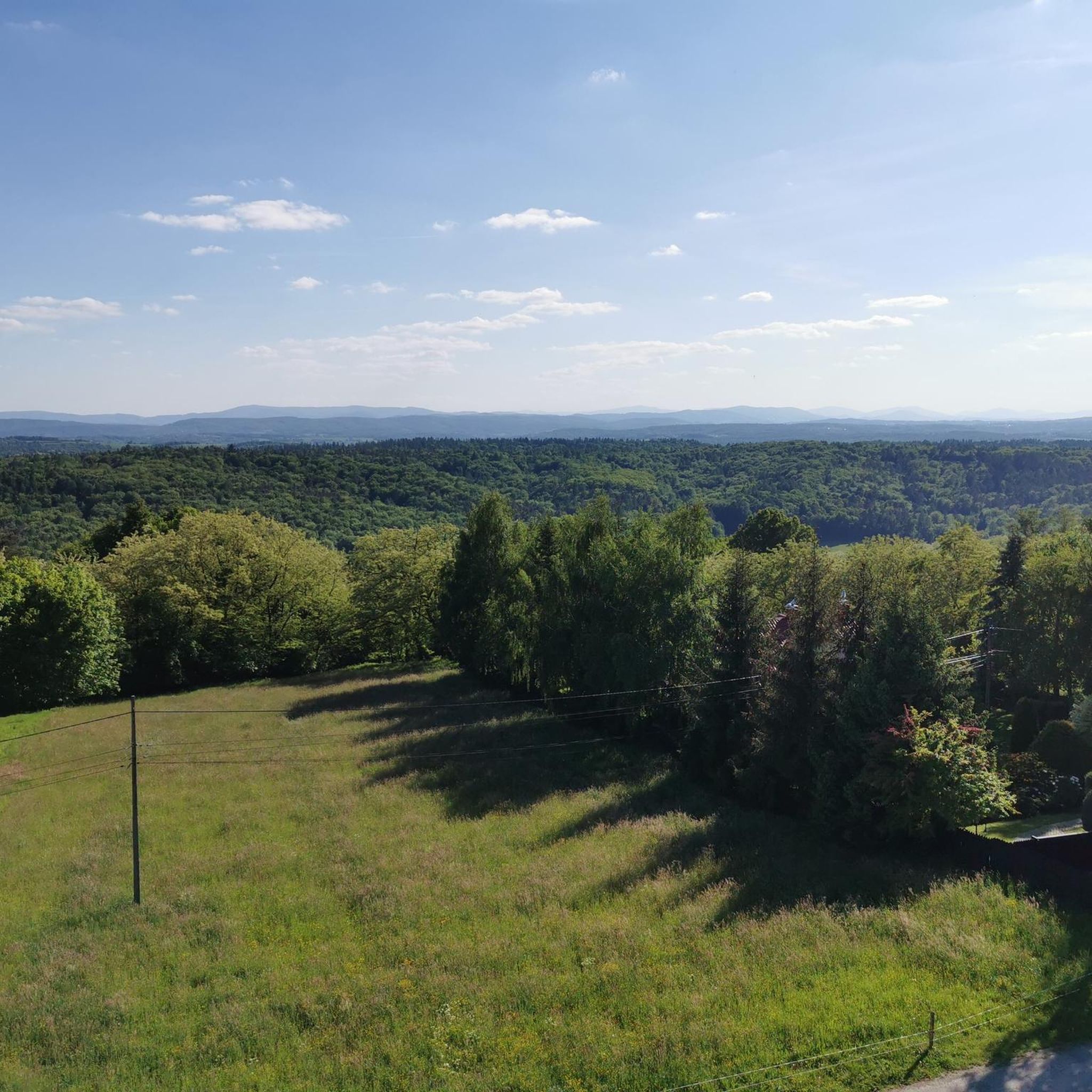
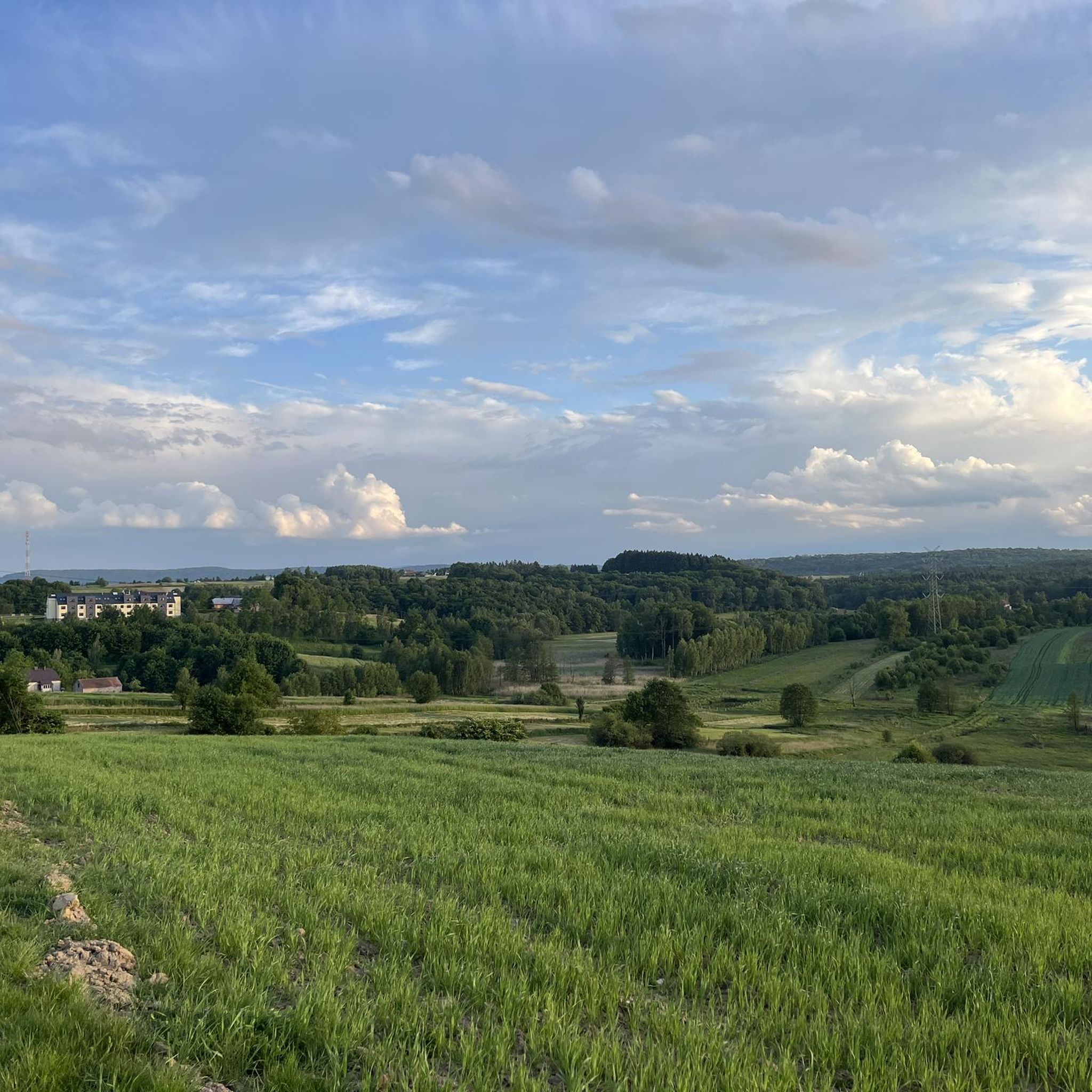
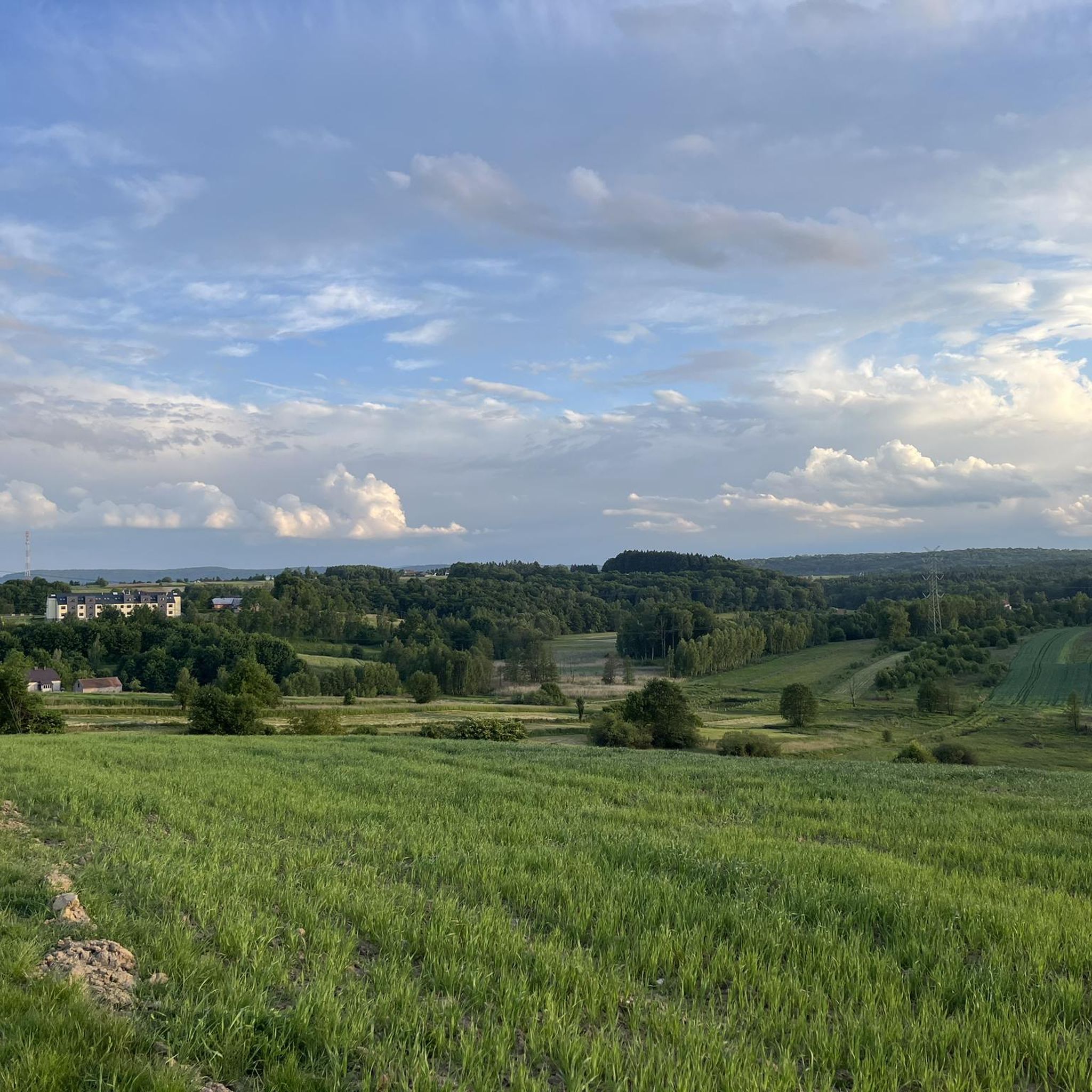
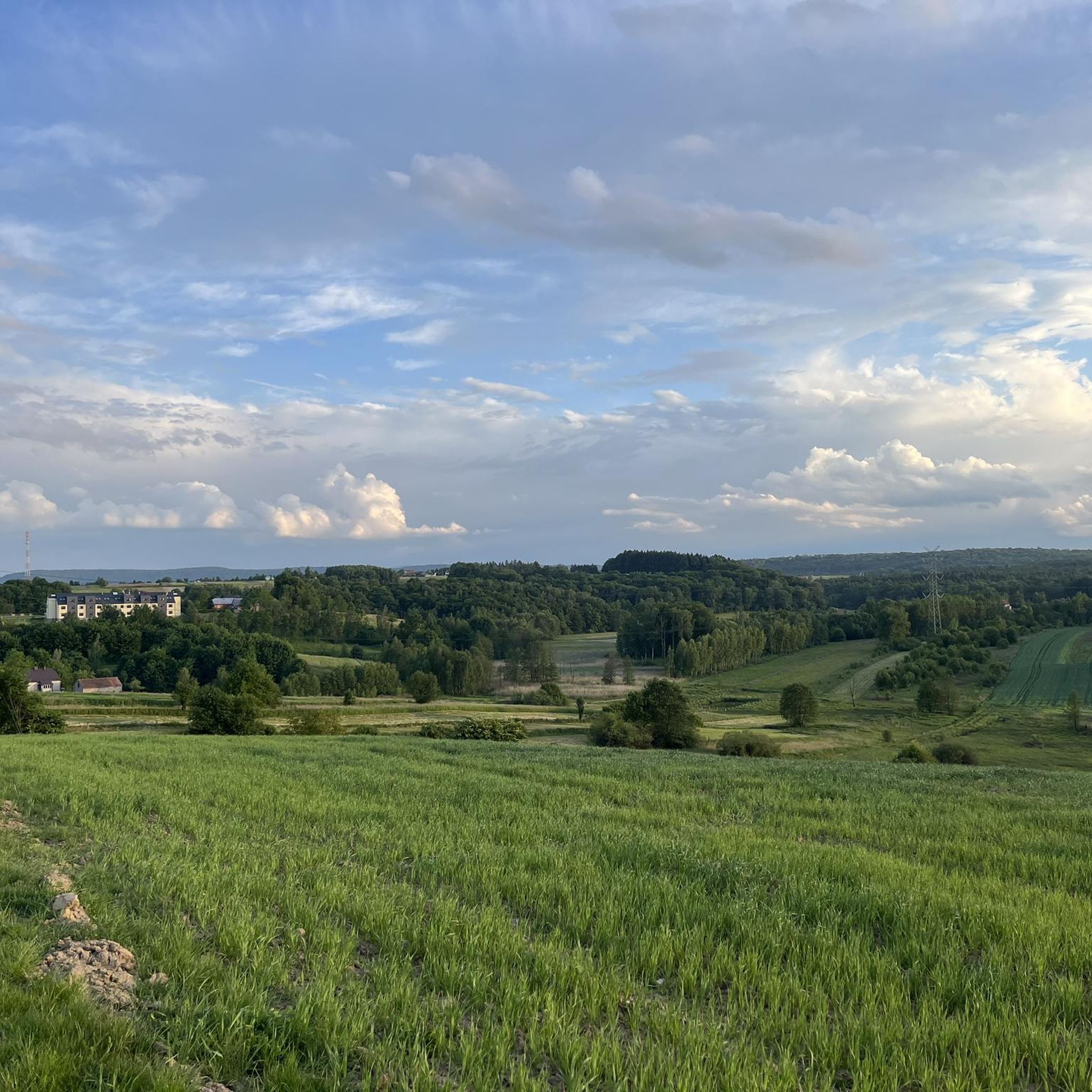
Tips from the Community


Knight's Castle, several rooms to see, attractions for children, entry at designated hours, open Tue-Fri 9-16, Sat-Sun 11-16. It will be difficult for people in wheelchairs to visit, I did not see any facilities for people with disabilities anywhere. The castle has high thresholds, and the entrance is accessed by high stairs, the toilet is also 2 steps down. A well-preserved castle from the 15th century, which can be visited. The castle has many interesting rooms. It also has a legend of the White Lady.
0
0

You can ride a bike around the castle🙂
0
0
The facility is located on a wooded hill above the Leksandrówka River, built by Jan Kmita in the second half of the 14th century.
0
0

Information on the Internet: https://zamekwisnicz.pl/?gad_source=1&gclid=Cj0KCQjwj9-zBhDyARIsAERjds1Q3c2SyJpBnymvNKIt0RE-j1QcdIgLBK1SRK2QWwAONAfVjCpaDYEaAmMoEALw_wcB
0
0

Quite a steep climb, but the castle and views are worth the effort.
1
0

There is parking on the back road which is then a fairly level walk to the tower. If you park by the restaurant on the main road it is a steep & muddy when wet climb up to the site.
0
0

The church is one of the oldest in this part of Poland. It is said to have been founded around 1045 by Casimir the Restorer and consecrated around 1073 by Saint Stanislaus the Martyr. According to tradition, the building was built on the site of the hermitage of Saint Swierad, a Benedictine monk who lived at the turn of the 10th and 11th centuries. century lived. However, all that remains of the original building are the walls of the chancel, which was raised secondarily, and the remains of the north and west walls of the nave. The completion of the building dates back to the turn of the 11th and 12th centuries. In the 13th century a sacristy (today a storeroom) was added to the north wall. In the 16th century, part of the chancel walls were bricked up and vaulted with a lantern cupola, and a chapel of the Virgin Mary was added to the south wall of the nave, which now serves as the sacristy. In the sale of the Tropstein estate of 1535 the church is mentioned as St. Gerald's, and from 1556 to 1603 it served as a Calvinist church for Protestants. At the beginning of the 17th century the church was taken over as the Church of the Polish Brethren. In the 17th century, probably around 1634, a vestibule and "cloister" were added to the north wall of the nave, and the nave was extended to the west (Translated from Wikipedia).
4
0
Frequently Asked Questions
What historical landmarks can I explore in and around gmina Gnojnik?
The region is rich in history, featuring several notable castles and sacral architecture. You can visit the Gothic defensive Dębno Castle, built before 1480, which houses a museum. Another significant site is Melsztyn Castle, a knightly residence from 1347 with a tall, five-story tower. Also, consider Wiśnicz Castle, a 14th-century fortress transformed into a Renaissance castle. Beyond castles, explore churches like St. Martin's Church in Gnojnik, a 1382 Gothic structure, or St. Matthew the Evangelist Church in Biesiadki, part of the Wooden Architecture Trail.
Are there any natural parks or scenic areas for relaxation in gmina Gnojnik?
Yes, gmina Gnojnik offers beautiful natural spaces. The Gnojnik Manor Park, established around 1845 in the English style, is considered the 'green heart' of the Gmina. It features linden-ash avenues, a clearing with a solitary oak, and various trees, some recognized as natural monuments, perfect for walks and relaxation. The Uszwica River Valley also provides picturesque scenery, and the varied topography of hills, ravines, and wooded groves offers constantly changing views for exploration.
What kind of outdoor activities can I do near the attractions in gmina Gnojnik?
The area around gmina Gnojnik is excellent for outdoor enthusiasts. You can find numerous trails for cycling and mountain biking. For cycling, explore routes like the 'EV11 / Velo Dunajec – View of the Dunajec River loop' or the 'Lipnica Murowana Market Square – Wiśnicz Castle loop'. Mountain bikers can tackle routes such as the 'Observation tower – Forest Gallery loop' or the 'View of the Tatras – Melsztyn Castle loop'. For more details on these and other routes, visit the Cycling around gmina Gnojnik or MTB Trails around gmina Gnojnik guide pages.
Are there any family-friendly attractions or activities in gmina Gnojnik?
Absolutely! Several attractions are suitable for families. Dębno Castle and Wiśnicz Castle are both listed as family-friendly, offering historical exploration. Tropsztyn Castle, when open, has children's play equipment inside its keep. Additionally, the 'Park Safari' in Gnojnik offers interaction with animals, making it a popular spot for families, especially during the summer months.
Where can I find the best panoramic views in gmina Gnojnik?
Gmina Gnojnik offers several excellent viewpoints due to its varied terrain. From the Lipka hamlet in Biesiadki, you can enjoy splendid views of the Okocim Forest, the gmina's landscape, and even the Island Beskids and Tatra Mountains on clear days. Lewniowa, situated on a ridge, provides an excellent vantage point over surrounding towns like Gosprzydowa and Żerków. The upper part of Żerków also offers panoramic views of the Wiśnickie Foothills and the Island Beskids. Additionally, Melsztyn Castle is known for its impressive views.
What is the best time of year to visit gmina Gnojnik for outdoor activities?
The region is enjoyable throughout the warmer months. Spring and autumn offer pleasant temperatures for hiking and cycling, with beautiful foliage in the fall. Summer is ideal for visiting attractions like the 'Park Safari' and enjoying longer days for outdoor exploration. The varied terrain, with its hills, ravines, and wooded groves, provides fascinating opportunities for walks and exploration in almost any season, though some castle visits might be seasonal (e.g., Tropsztyn Castle is typically open in July and August).
Are there any unique architectural features or traditional villages to see?
Yes, the character of Gmina Gnojnik is significantly shaped by its traditional wooden sacral and utilitarian architecture. You can find old rural cottages and farm buildings, particularly concentrated in Biesiadki. Beyond the wooden structures, the region is dotted with numerous roadside shrines, figures, and crosses, some dating back to the interwar period or earlier, adding to the unique architectural landscape.
What are some of the lesser-known historical sites or 'hidden gems' in the area?
Beyond the main castles, consider exploring the various historical churches. St. Florian's Church in Uszew, visible from a distance on a hill, offers rich interior decorations and is set against the extensive Okocim Forest. The Chapel of Our Lady of Częstochowa in Lewniowa, built in the 1860s, is architecturally charming with stone walls and a distinctive onion dome. The Chapel of St. Anthony of Padua in Żerków also features a modest monument to World War I victims, offering a glimpse into local history.
Where can I find parking when visiting attractions like the castles?
Parking availability varies by attraction. For Dębno Castle, there are usually parking spaces available. For Wiśnicz Castle, there are plenty of parking spaces directly in front of the castle. When visiting Tropsztyn Castle, it's recommended to use the larger parking lot at the Dunajec River, as the small one directly in front of the castle can be full and difficult to access.
What do visitors particularly enjoy about the attractions in gmina Gnojnik?
Visitors frequently appreciate the historical depth and scenic beauty of the region. For instance, Dębno Castle is praised for its beautiful renovation and the opportunity to walk through its gardens. Melsztyn Castle is valued for its restoration, free entry, and the rewarding views after a steep climb. The overall charm of the varied terrain, from hills to wooded groves, and the sense of history embedded in the architecture, are often highlighted by those who explore gmina Gnojnik.
Are there any specific hiking routes that offer unique experiences?
Yes, the gmina's diverse landscape provides unique hiking experiences. The path from the church in Uszew towards the cemetery and the Grabaliny Forest is ideal for walks and mushroom picking. Gosprzydowa invites walkers to explore its charming hamlets via paved roads, with terrain that can feel like a mountain hike. For those seeking panoramic views, the hills surrounding Zawada Uszewska offer a sweeping panorama of the entire Uszwica valley.
Can I find any religious or sacral sites of historical importance?
Gmina Gnojnik is rich in sacral architecture. The Church of Saints Hermits Swierad and Benedict is one of the oldest in the region, with parts dating back to the 11th century. Other significant sites include the Gothic St. Martin's Church in Gnojnik (1382), St. Florian's Church in Uszew, and St. Matthew the Evangelist Church in Biesiadki, which is part of the Wooden Architecture Trail in Małopolska. These sites offer a deep dive into the region's spiritual and architectural heritage.
Most popular attractions around gmina Gnojnik

Get inspired with the komoot mobile app


Explore more
Still not found the Highlight you’re looking for? See guides of the top attractions in other regions:
