The best MTB trails around Zabór
4.6
(135)
964
riders
203
rides
Mountain biking around Zabór, Poland, offers diverse natural landscapes within the Zaborski Landscape Park, characterized by expansive pine forests and numerous pristine lakes. The region features varied terrain, including sandy outwash plains and river valleys formed by the Brda River and its tributaries, providing a range of surfaces for mountain bike trails. This protected area, part of the Tuchola Forest Biosphere Reserve, ensures a preserved natural environment for outdoor enthusiasts. The landscape includes moderate elevation changes, making it suitable for…
Last updated: July 7, 2026
5.0
(2)
63
riders
39.7km
03:16
400m
400m
Moderate mountain bike ride. Good fitness required. Advanced riding skills necessary.
5.0
(2)
63
riders
32.2km
02:40
360m
360m
Moderate mountain bike ride. Good fitness required. Advanced riding skills necessary.

Sign up for free
5.0
(2)
5
riders
Moderate mountain bike ride. Great for any fitness level. Advanced riding skills necessary.
4.8
(5)
9
riders
Moderate mountain bike ride. Good fitness required. Suitable for all skill levels.
8
riders
11.3km
00:52
90m
90m
Moderate mountain bike ride. Great for any fitness level. Advanced riding skills necessary.
Get access to more routes and recommendations from other explorers.
Sign up for free
Already have an account?
Our route recommendations are based on thousands of hikes, rides, and runs completed by other people on komoot.
Start today with a free account
Your next adventure awaits.
Login or Signup
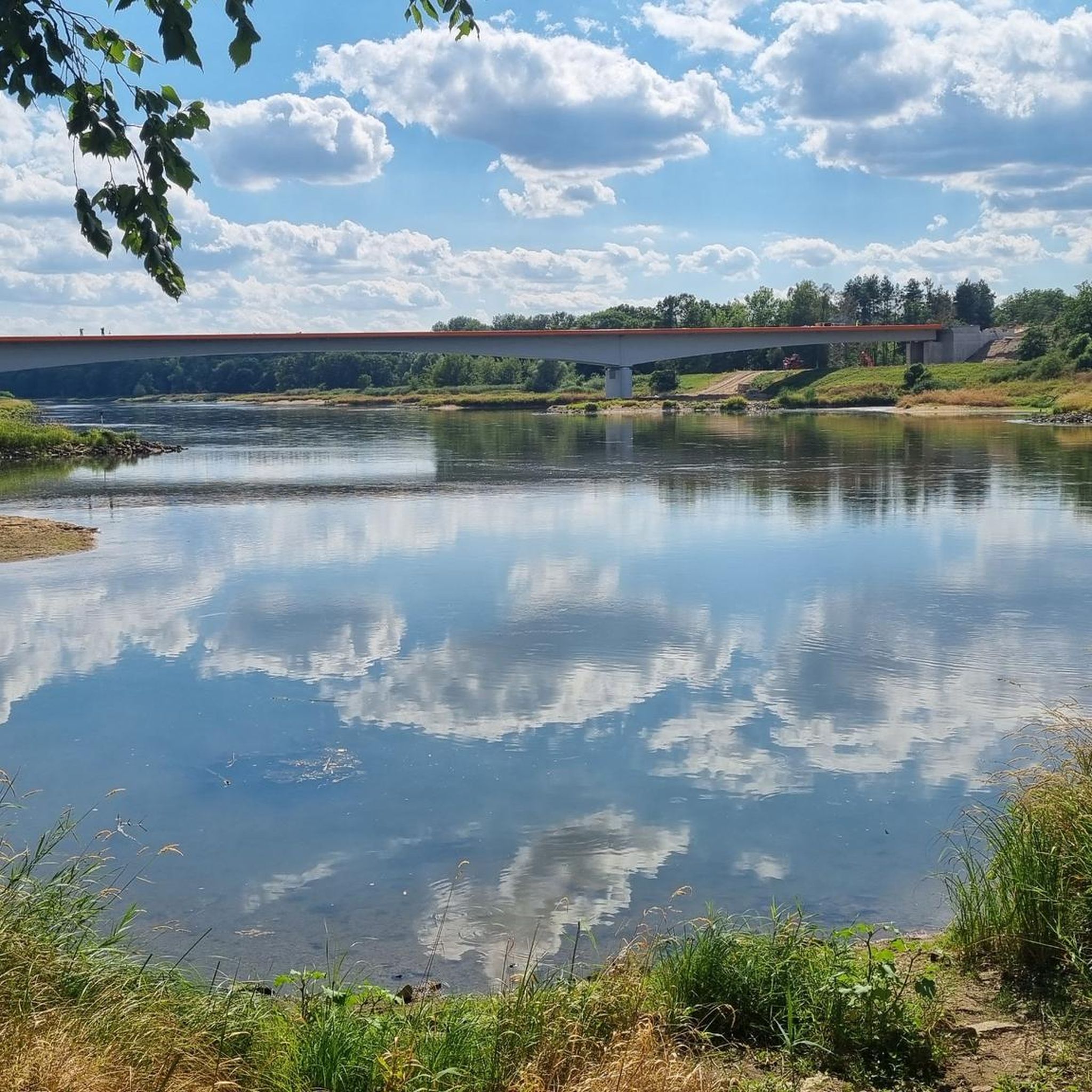

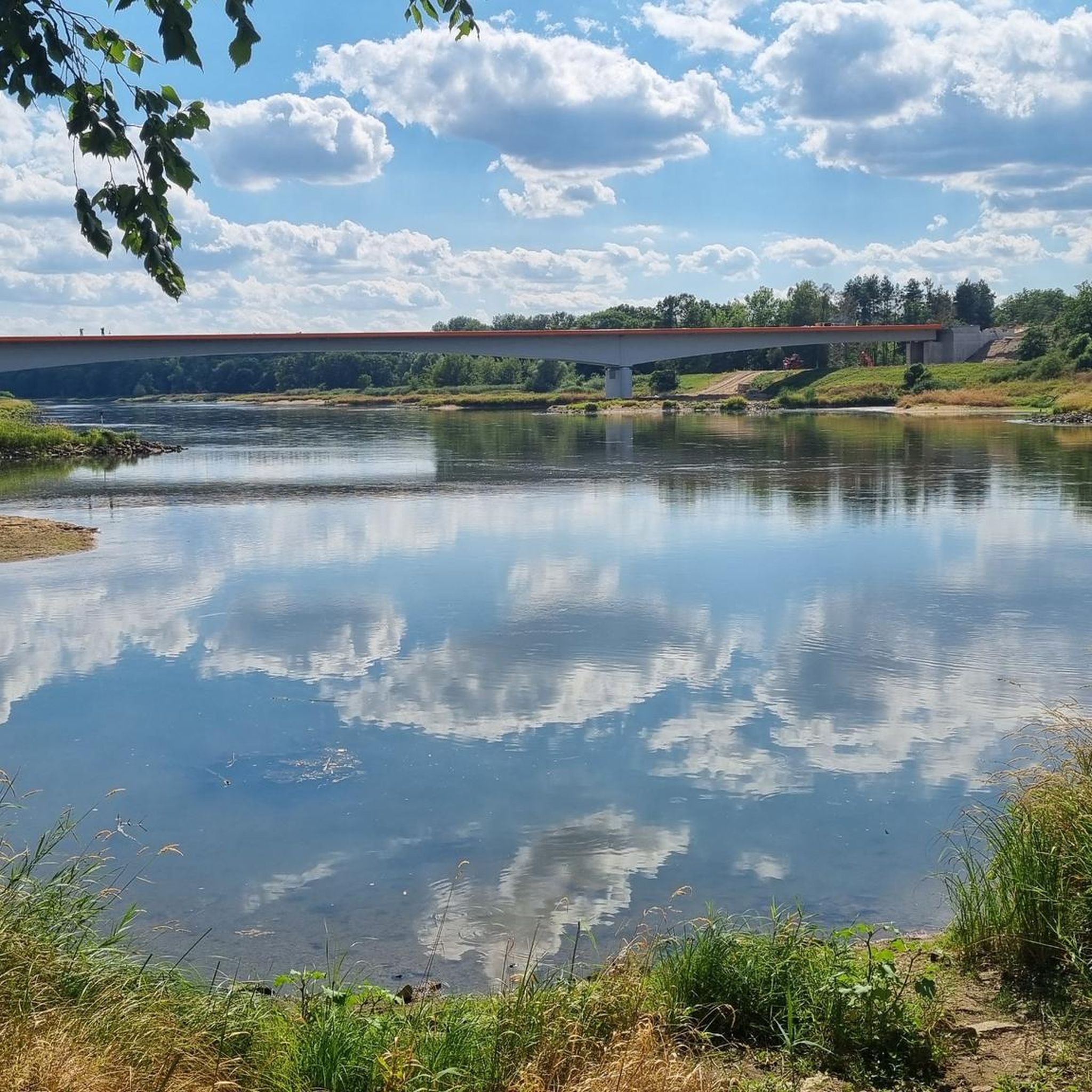
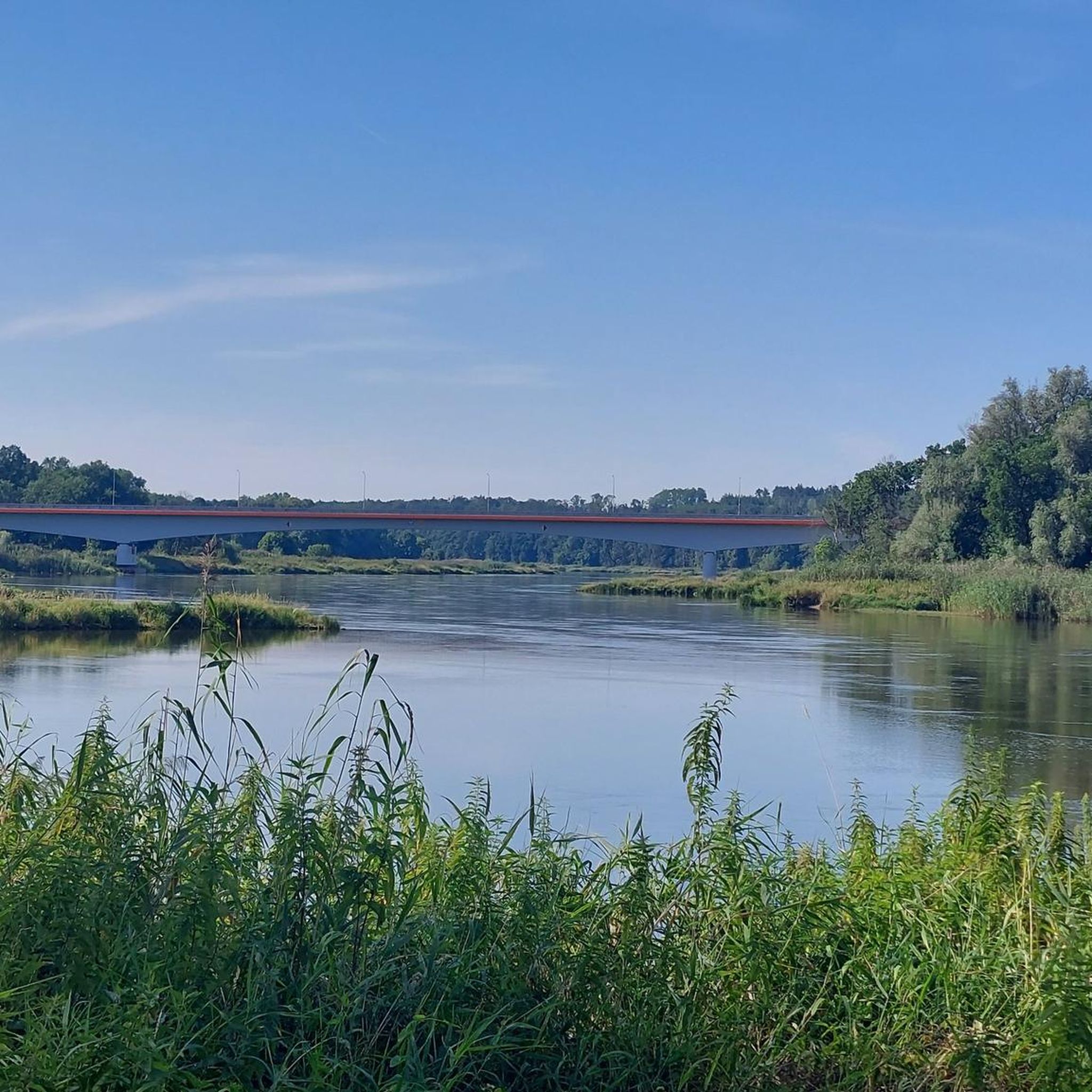
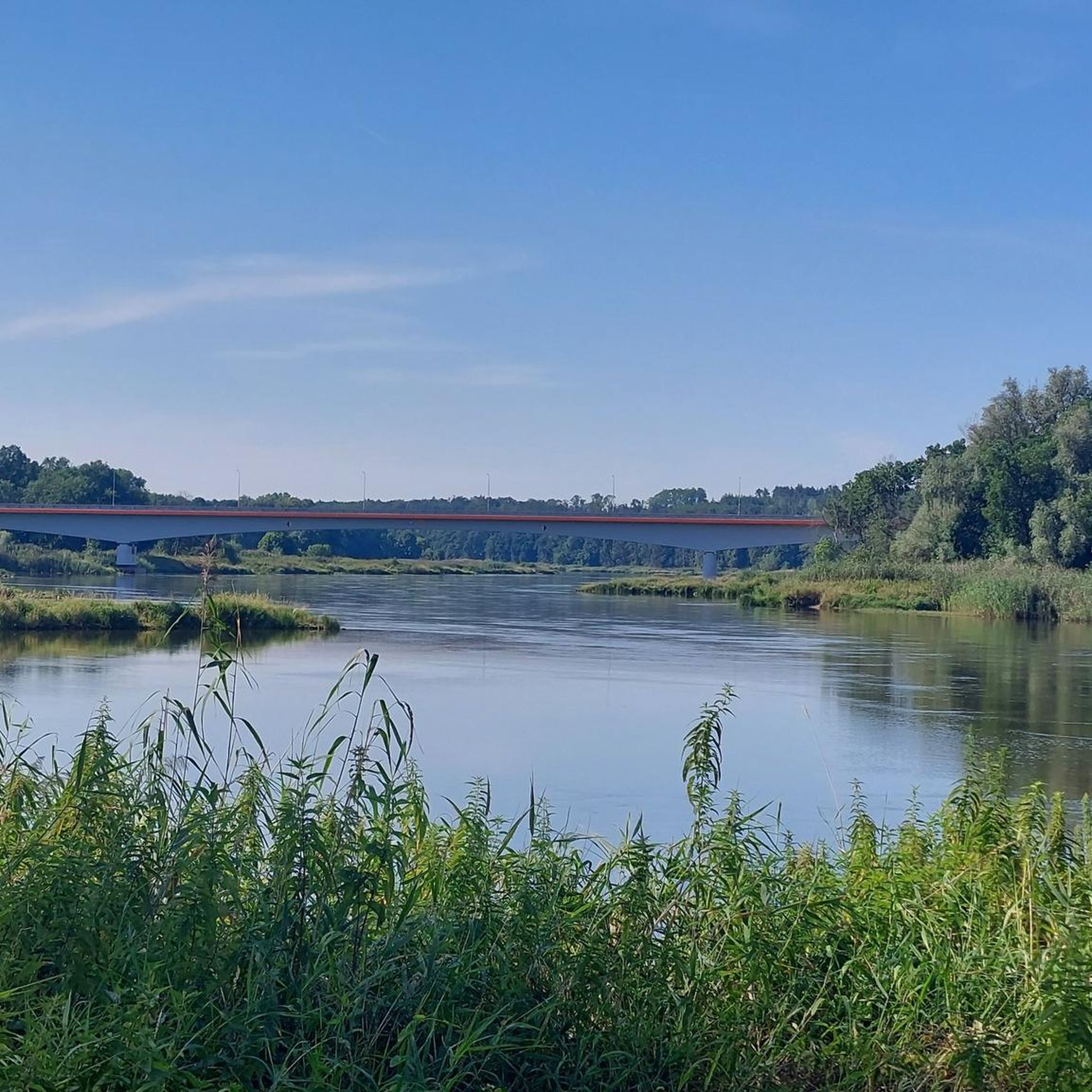
Tips from the Community

A place worth visiting, a restored palace and palace-park complex with beautiful alleys, benches, gazebos, and a floating pier, constitute a charming place for relaxation. The interior of the palace is not open to visitors.
0
0
The highest elevation of the Zielonogórski Rampart, height 221.5 m above sea level. At the top of the mountain stands a historic, 20-meter tall red brick tower built at the beginning of the 20th century. Directly next to the summit, there is a tourist shelter. From the top of the mountain, hiking trails diverge in various directions.
0
0

A cool, historic place, a crossroads of bicycle and pedestrian paths. Unfortunately, even though it's probably the highest in Zielona Góra, the view is limited due to tall trees. Unless you use a drone.
1
0

A place with great historical potential. Secured palace ruins, orangery, large park complex with rare trees and small architecture.
1
0

Originally, an older building existed on the site of today's castle in Zabór (German: Saabor), but the current shape of the palace is the work of Joannes Schönaich, who commissioned the construction of a new, late Baroque residence in the years 1677-1683. The palace was built on a square-like plan, with four corner projections and a central courtyard, which was characteristic of palace complexes of the time. In 1711, the castle was acquired by Frederick Augustus von Cosel, the illegitimate son of King Augustus II the Strong and Countess Cosel. He commissioned further expansion and modernization works, transforming the palace into an impressive Baroque residence. During this period, the interiors gained rich decoration, and a large park in the French and later English style was created around the castle, which is an integral part of it to this day. Zabór became one of the most representative estates in Silesia at that time. Over the following centuries, the castle changed owners. In the 19th century it belonged to the von Schmettau family, and then to Prince Frederick Augustus of Anhalt-Dessau. A key change in the history of the castle came in 1945. After the end of World War II and the annexation of the Partition to Poland, the castle became state property. The castle in the Partition survived the war in relatively good condition. In the post-war years, the castle was adapted to the Provincial Children's Sanatorium, and then to the Center for the Treatment of Children and Youth. This medical function was maintained for many decades, which contributed to the preservation of the historic substance of the building. The interiors of the palace were adapted to the needs of a medical facility, losing some of their original decor.
2
0

The Lubuskie Wine Centre in Zabór is a unique place for wine lovers and wine tourism. It is located in the heart of the Lubuskie wine region and offers visitors the opportunity to learn about the history and tradition of winemaking in Poland. On-site, you can tour the vineyard, participate in tastings of local wines and oenological workshops. The centre also organises thematic events and festivals that bring wine culture closer.
0
0

The Baroque castle (palace) was rebuilt in 1745 and 1957. From the 18th century, it was the property of the Counts of Cosel, then the Princes of Siedlisko: Johann Carl, Prince of Schönaich-Carolath, married to Johanna Wilhelmina, Princess of Anhalt-Köthen, and their younger son Ferdinand (born 1763)[3]. The last owner of the palace before World War II was the second wife of the last German Emperor, Wilhelm II Hohenzollern, Hermina, who lived in the palace until 1922 and after the emperor's death until April 1945. From 1956, the palace housed a tuberculosis preventorium for children, from 1976 - a Children's Sanatorium, and from 1998 - a Centre for the Treatment of Children and Youth. The castle together with the farmstead, which includes: three outbuildings, an outbuilding (currently a school), a stable (currently a hotel), a morgue, a greenhouse, two utility buildings and a park constitute the castle complex. Above the main entrance in the cartouche are the coats of arms: the Schönaich-Carolath family (on the left) and a complication of coats of arms (on the right, including: in the central field of the shield and in the upper right field the coat of arms of Saxony, Count von Schlabrendorf).
1
0
The church was built in the neo-Gothic style in the years 1905–1908 on a rectangular plan. The building was built of red brick, has one nave, the church has a gable roof. From the east there is a polygonal presbytery apse, from the west - a tower. The church has an organ (with 6 voices with 1 minuet) made in Góra Śląska in 1907 and a neo-Gothic altar and a stained glass window with an image of St. Joseph, the patron saint of the church.
1
0
Frequently Asked Questions
How many mountain bike trails are available around Zabór?
There are over 170 mountain bike routes around Zabór. The trails offer a variety of experiences, with 43 routes classified as easy, 125 as moderate, and 5 as difficult, catering to different skill levels.
What kind of terrain can I expect on mountain bike trails in Zabór?
Mountain biking in Zabór takes you through diverse natural landscapes within the Zaborski Landscape Park. You'll encounter expansive pine forests, numerous pristine lakes, and varied terrain including sandy outwash plains and river valleys formed by the Brda River and its tributaries. This protected area, part of the Tuchola Forest Biosphere Reserve, ensures a preserved natural environment.
Are there mountain bike trails suitable for beginners or families in Zabór?
Yes, Zabór offers several mountain bike trails suitable for beginners and families. There are 43 easy routes available, providing gentle terrain and shorter distances for a pleasant ride. These trails often wind through the scenic forests and along lakes, offering a relaxed outdoor experience.
What are some notable natural features or landmarks I can see while mountain biking in Zabór?
While mountain biking in Zabór, you can explore a wealth of natural features and historical landmarks. The region is rich with pine forests, numerous lakes, and the Brda River. You might also encounter historical sites such as the Zabór Palace or the Trzebiechów Palace. For nature lovers, highlights like the Bukowa Góra Nature Reserve and the ancient Napoleon Oak offer unique sights.
Are there any challenging mountain bike routes for experienced riders?
Yes, for experienced mountain bikers seeking a challenge, there are 5 difficult routes around Zabór. One such route is the Stany Railway Bridge – View of the Bridge loop from Zielona Góra Nowy Kisielin, which covers over 134 km and features significant elevation changes, providing a demanding ride.
What do other mountain bikers enjoy the most about mountain biking in Zabór?
The mountain biking experience in Zabór is highly rated by the komoot community, with an average score of 4.7 stars from over 140 reviews. Reviewers often praise the diverse natural landscapes, the extensive network of trails through pine forests and along lakes, and the variety of routes suitable for different skill levels. The preserved natural environment of the Zaborski Landscape Park is also a frequently highlighted aspect.
Are there any circular mountain bike routes in the Zabór area?
Yes, many mountain bike routes in the Zabór area are designed as loops, allowing you to start and end your ride at the same point. Examples include the popular Żelazny Vineyard – Zabór Palace loop from gmina Zabór and the Żelazny Vineyard loop from Zielona Góra Stary Kisielin, both offering scenic circular tours.
Can I bring my dog on the mountain bike trails in Zabór?
While the Zaborski Landscape Park is a protected area, specific regulations regarding dogs on mountain bike trails can vary. It's generally advisable to keep dogs on a leash, especially in nature reserves, to protect wildlife. Always check local signage or park authority guidelines for the most current information on dog-friendly access.
What is the best time of year for mountain biking in Zabór?
The best time for mountain biking in Zabór is typically during the spring, summer, and early autumn months. During these seasons, the weather is generally mild, and the trails are in good condition. Spring offers lush greenery, while summer provides warm days perfect for exploring the lakes. Autumn brings beautiful foliage, making for scenic rides before winter conditions set in.
Are there any routes that pass by historical sites or palaces?
Absolutely. Several routes incorporate historical sites into their paths. For instance, the Żelazny Vineyard – Zabór Palace loop from gmina Zabór takes you past the historic Zabór Palace. Another route, the Niedoradz–Zatonie Bike Path – Zatonie Palace Ruins loop from Droszków, leads through varied landscapes including the Zatonie Palace Ruins.
Are there places to eat or stay near the mountain bike trails in Zabór?
While specific cafes, pubs, or accommodations directly on the trails are not detailed, the region around Zabór, being a popular tourist destination due to the Zaborski Landscape Park, offers various options in nearby towns and villages. You can find local eateries and guesthouses that cater to visitors exploring the area.
Most popular attractions around Zabór

Get inspired with the komoot mobile app


Explore more
Browse the best MTB trails in other regions.
