The best MTB trails around Bojadła
4.3
(39)
232
riders
29
rides
Mountain biking around Bojadła offers diverse cycling routes through the Lubusz Voivodeship in western Poland. The region features a mix of paved and unpaved surfaces, catering to various skill levels. The landscape is characterized by the scenic Obrzyca River valley, proximity to Lake Sławskie, and a post-glacial terrain with moraine hills, forests, and meadows.
Best mountain bike trails around Bojadła
- The most popular mountain bike trail is Żelazny Vineyard – Zabór Palace loop from gmina Zabór, a 19.8 miles…
Last updated: July 7, 2026
5.0
(2)
63
riders
32.2km
02:40
360m
360m
Moderate mountain bike ride. Good fitness required. Advanced riding skills necessary.
4.0
(2)
13
riders
47.2km
02:53
110m
110m
Moderate mountain bike ride. Good fitness required. Suitable for all skill levels.

Sign up for free
5.0
(1)
11
riders
31.9km
01:40
80m
80m
Easy mountain bike ride. Great for any fitness level. Suitable for all skill levels.
5.0
(1)
6
riders
Moderate mountain bike ride. Good fitness required. Suitable for all skill levels.
8
riders
11.3km
00:52
90m
90m
Moderate mountain bike ride. Great for any fitness level. Advanced riding skills necessary.
Get access to more routes and recommendations from other explorers.
Sign up for free
Already have an account?
Our route recommendations are based on thousands of hikes, rides, and runs completed by other people on komoot.
Start today with a free account
Your next adventure awaits.
Login or Signup
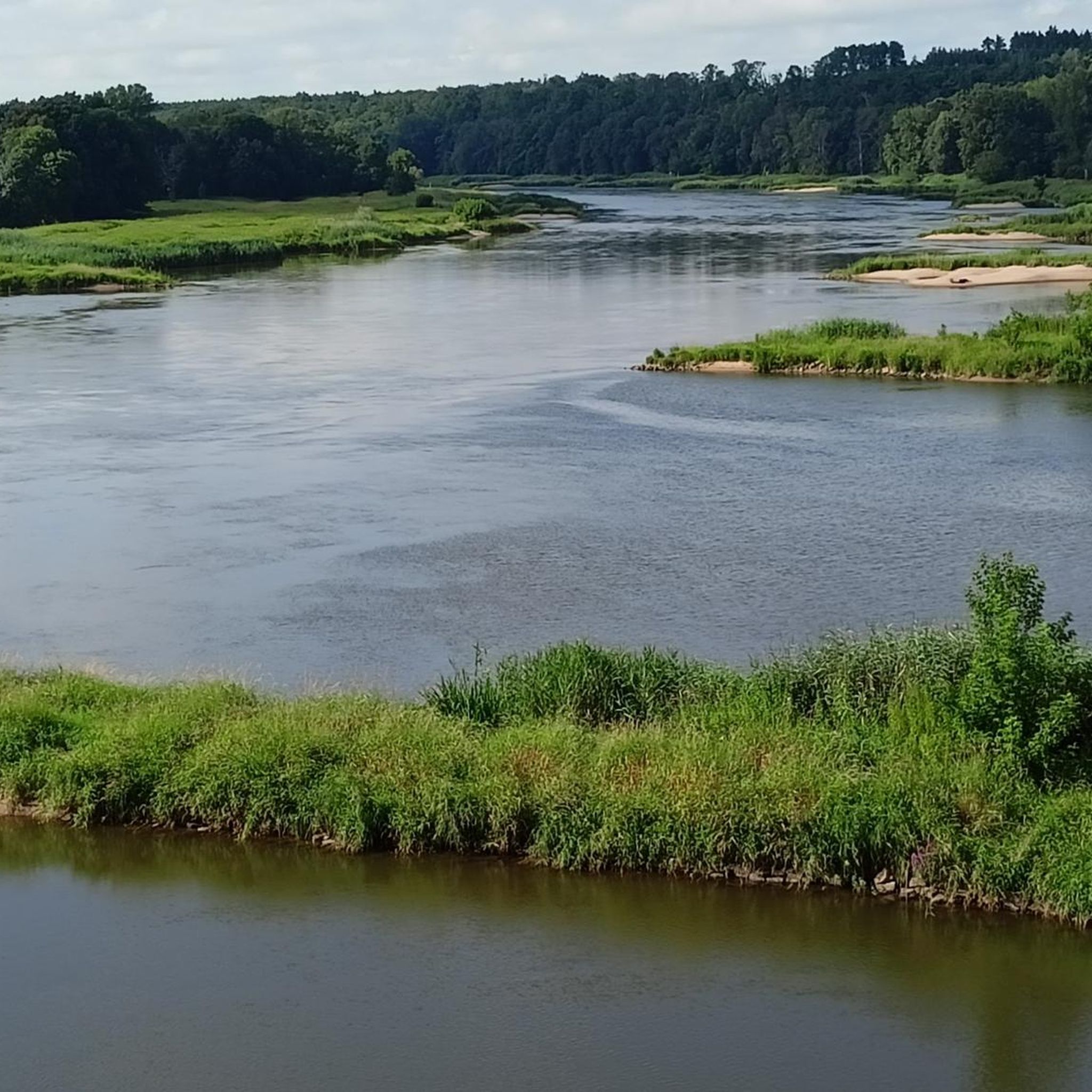

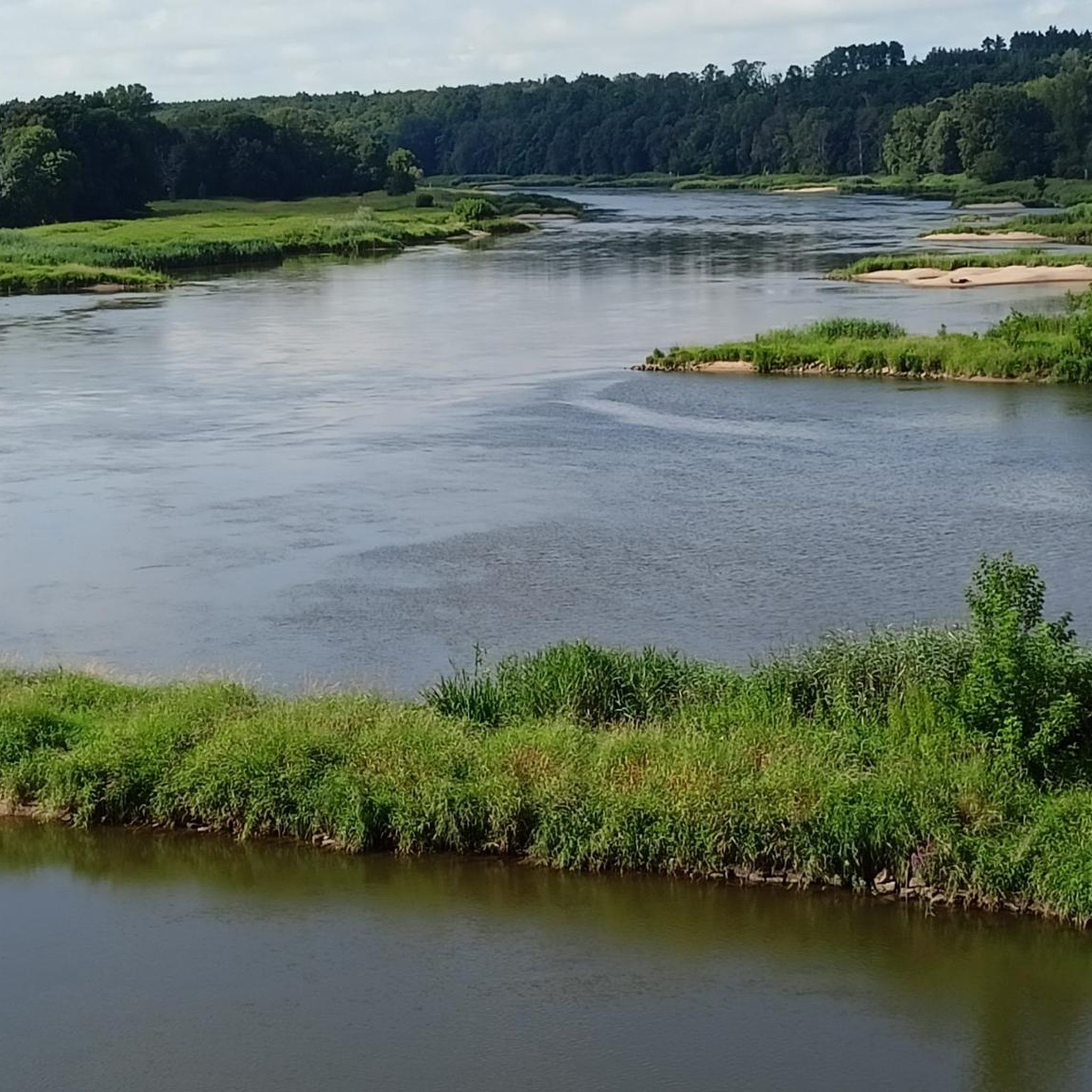
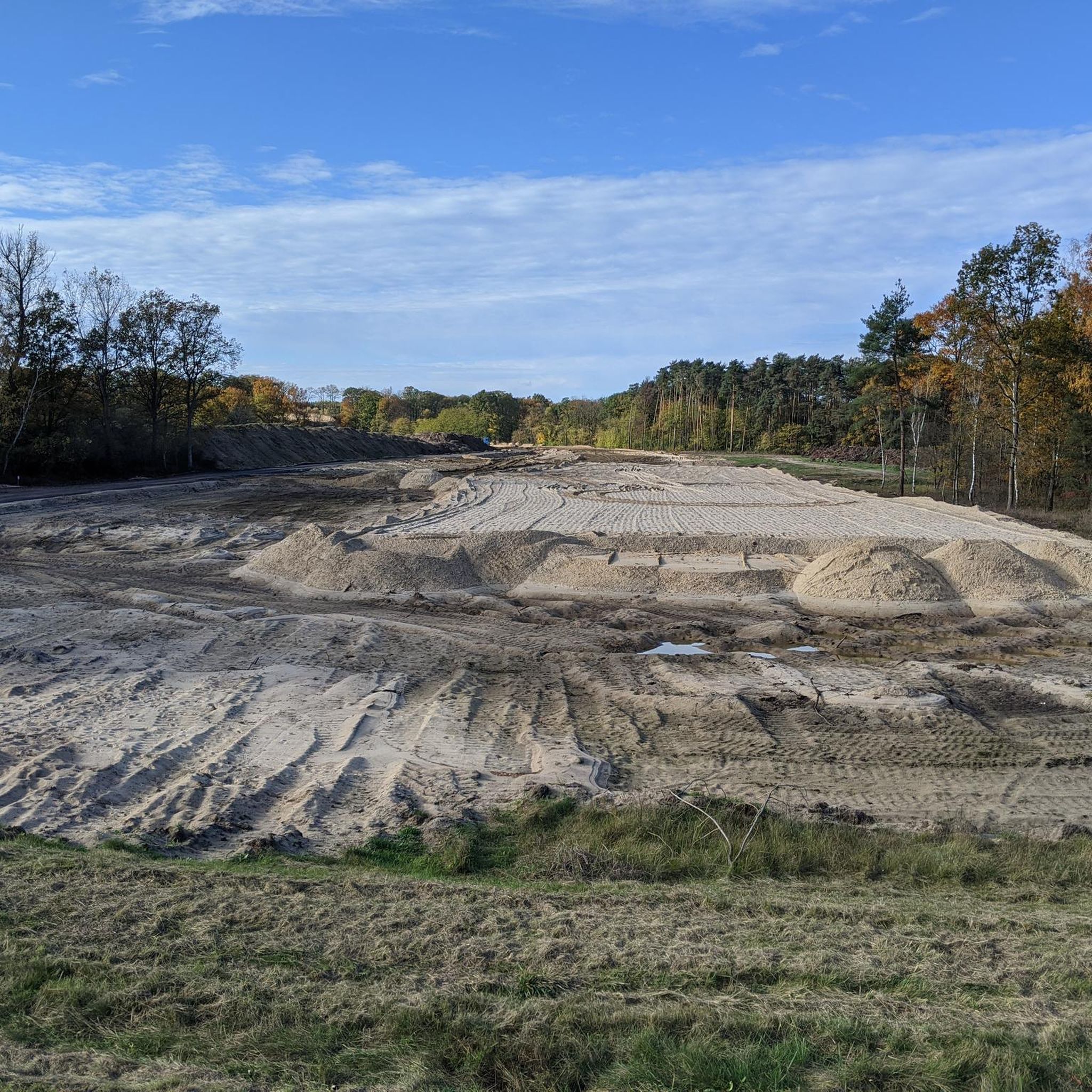
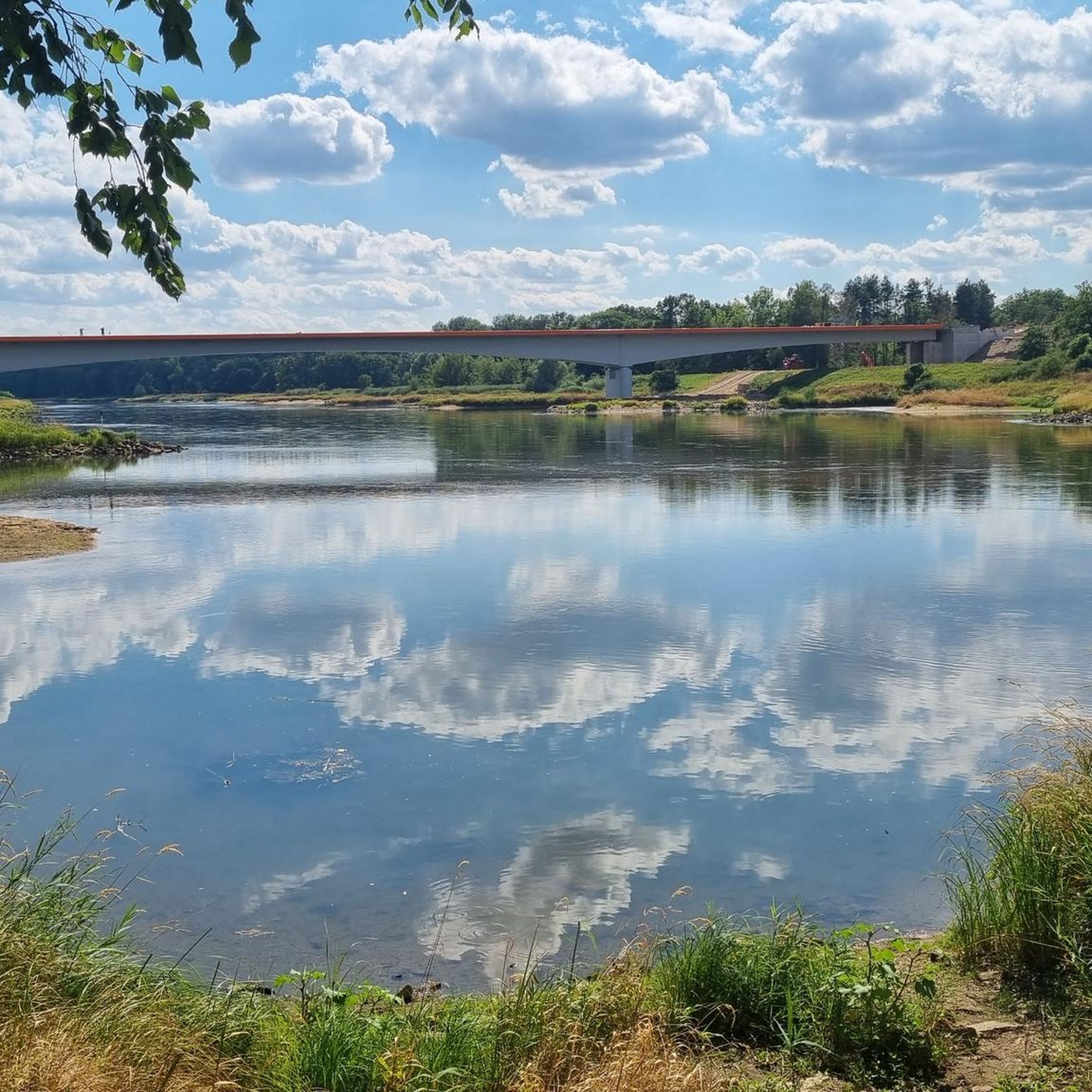
Tips from the Community

A place worth visiting, a restored palace and palace-park complex with beautiful alleys, benches, gazebos, and a floating pier, constitute a charming place for relaxation. The interior of the palace is not open to visitors.
0
0


Accommodation available on site
0
0

Former railway station on railway line no. 371 Wolsztyn - Żagań. Currently rebuilt into the Environmental Education Center,
0
0

The TKt48 series locomotive (where T stands for "Tenderlocomotive," K for railway, t for freight, and 48 for the year of introduction) is a Polish post-war steam tank locomotive (without a separate tender for water and coal) with an axle configuration of 1'D1' (one trailing axle, four driven axles, one trailing axle). It was initially designed for suburban traffic and freight trains on light-gauge lines, as well as for use as a support locomotive in the mountains. Between 199 units were produced between 1950 and 1957 at the HCP (Poznań) and Fablok (Chrzanów) plants. They were favored by crews for their smooth running (up to 80 km/h) and good boiler efficiency. They lasted the longest in service on foothill and mountain routes (DOKP Kraków and Wrocław).
1
0
The Ty43 series locomotive is directly derived from the German wartime series (Kriegslokomotive) Baureihe 42 (BR 42). In Poland, after World War II, the decision was made to continue the assembly and production of these machines, using documentation and parts left mainly by the Germans. Origin: A simplified design with low axle loads, allowing for operation on less-than-smooth tracks. It was a more powerful version of the popular Ty2 series. Production: Ty43 series locomotives were built between 1947 and 1949 at the H. Cegielski plant in Poznań (HCP), where a total of 126 units were produced.
1
0
The Ty5 series (BR 50) was originally designed in Germany as a universal freight steam locomotive with an axle configuration of 1'E h2 (one front axle and five driven axles), characterized by a relatively low axle load (15 t). This feature allowed it to operate on lines with poorer track, making it ideal for servicing a wide rail network. Production: A total of over 3,100 units of this series were built between 1938 and 1942. In Poland: After World War II, over 50 locomotives of this type remained in Poland, designated PKP Ty5.
1
0
The Ty51-223 steam locomotive belongs to the Ty51 series, built between 1953 and 1958 at the H. Cegielski works in Poznań (then known as the J. Stalin Metal Industry Plant, ZISPO). These were locomotives with a 1'E axle configuration (one front axle and five drive axles), designed to pull the heaviest freight trains weighing up to 2,500 tons. The design was based on the American Ty246 series (so-called Liberation), supplied after the war as UNRRA aid.
1
0
Frequently Asked Questions
How many mountain bike trails are available around Bojadła?
There are over 20 mountain bike trails around Bojadła, offering a diverse range of experiences for cyclists. These routes are highly rated by the komoot community, with an average score of 4.5 stars.
What is the general difficulty level of mountain biking trails around Bojadła?
The mountain bike trails around Bojadła primarily range from easy to moderate difficulty. You'll find 7 easy routes and 17 moderate routes, making the area accessible for various skill levels, though no highly technical or difficult trails are present.
Are there any easy mountain bike trails suitable for beginners in Bojadła?
Yes, Bojadła offers several easy mountain bike trails perfect for beginners or those looking for a relaxed ride. An excellent option is the Stany Railway Bridge – Gazebo with benches loop from Lubięcin, which is 19.8 miles (31.8 km) long and features minimal elevation gain.
What kind of terrain can I expect on mountain bike trails in Bojadła?
The terrain around Bojadła is quite varied, featuring a mix of paved and unpaved surfaces. You'll ride through picturesque forests, expansive meadows, and areas characterized by moraine hills and varied glacial terrain. Some routes follow the scenic Obrzyca River valley and pass by Lake Sławskie.
Are there any circular mountain bike routes in Bojadła?
Yes, many of the mountain bike trails around Bojadła are designed as loops, offering convenient circular routes. Examples include the Żelazny Vineyard – Zabór Palace loop from gmina Zabór and the View of Lake Wolsztyńskie – Promenade on Lake Wolsztyńskie loop from Rudno.
What natural features or landmarks can I see along the mountain bike trails in Bojadła?
The trails often lead through scenic landscapes including the Obrzyca River valley, forests, and meadows, with proximity to Lake Sławskie. You can also encounter historical landmarks like the repurposed Stany Railway Bridge. For natural monuments, look out for highlights like Three Oaks or the Bukowa Góra Nature Reserve.
Are there any castles or palaces to explore near the mountain bike routes?
Yes, the region around Bojadła is rich in historical architecture. You can find several castles and palaces, some of which are near or along mountain bike routes. Notable examples include Zabór Palace, Przytok Palace, and Bojadła Palace.
What do other mountain bikers enjoy most about mountain biking in Bojadła?
The area is highly rated by the komoot community, with an average score of 4.5 stars from over 30 reviews. Reviewers often praise the diverse cycling routes that cater to various skill levels, the scenic natural backdrops of forests and meadows, and the unique historical landmarks integrated into the trails, such as the Stany Railway Bridge.
Are there any trails that offer views of lakes?
Absolutely. The region benefits from its proximity to Lake Sławskie, and some routes provide beautiful waterside views. For example, the View of Lake Wolsztyńskie – Promenade on Lake Wolsztyńskie loop from Rudno offers picturesque vistas of Lake Wolsztyńskie and its promenade.
What is the best time of year to go mountain biking in Bojadła?
While specific seasonal details are not provided, the diverse landscapes of forests, meadows, and lakes suggest that spring and autumn would offer pleasant temperatures and vibrant scenery. Summer is also suitable, though it might be warmer. Winter conditions could make some unpaved trails challenging.
Are there any long-distance mountain bike routes in the area?
Yes, some routes offer longer distances for more extended rides. For instance, the Niedoradz–Zatonie Bike Path – Zatonie Palace Ruins loop from Nowa Sól County is a substantial 33.7 miles (54.3 km) trail, providing a good challenge for those looking for a longer adventure.
Most popular attractions around Bojadła

Get inspired with the komoot mobile app


Explore more
Browse the best MTB trails in other regions.
