Attractions and Places To See around gmina gmina Wschowa - Top 20
Best attractions and places to see around gmina gmina Wschowa offers a blend of historical landmarks, cultural sites, and natural features. This region in Poland is characterized by its rich past, evident in its medieval architecture and preserved ruins. Visitors can explore a landscape featuring hills, lakes, and rivers, providing diverse opportunities for outdoor activities. The area combines historical significance with natural beauty, making it a varied destination for exploration.
Best attractions and places to see around gmina gmina Wschowa
…Last updated: July 15, 2026
Ruins of St. Michael's Church in Wyszanów
Highlight • Historical Site
Translated by Google •
Tip by

Palace in Sława
Highlight • Castle
More information: de.wikipedia.org/wiki/Schloss_Schlawa
Translated by Google •
Tip by

Sign up now to discover places like this
Get recommendations on the best single tracks, peaks, & plenty of other exciting outdoor places.
Sign up for free
Church of Krzepielów
Highlight • Religious Site
Translated by Google •
Tip by

Church of St. Anne in Zbarzewo
Highlight • Religious Site
Translated by Google •
Tip by

Monument to Bull Ilon in Osowa Sień
Highlight • Monument
The author of the concrete monument is Tomasz Bończa-Ozdowski.
Translated by Google •
Tip by

Sign up for free to discover even more attractions around gmina gmina Wschowa.
Sign up for free
Already have an account?
Start today with a free account
Your next adventure awaits.
Login or Signup

Tips from the Community

Today's temple, built of brick and fieldstone, was erected in 1470 in the late Gothic style. The founders were the then owners of the village – the Rattenberg-Zbarzewski family.
1
0

Cool attraction, visible from the route
0
0
In the place of the present palace there was already a castle of the Dukes of Głogów, mentioned since 1468, passed on to the von Rechenberg family. At the end of the 16th century, Hans von Rechenberg rebuilt it in the Renaissance style. In the mid-17th century, the estate passed into the hands of the Barwitz family (von Fernemont). After a great fire in 1721, the former castle was rebuilt in the years 1732–1735 as a two-storey Baroque residence, preserving part of the older structure. The palace served as the residence and archive of the Reich Main Security Office, as well as Heinrich Himmler; a unique collection of books on Freemasonry and witch trials was gathered here. After the war, it was transformed into, among other things, a Children's Home (1957–2006); previously it housed the tax office, ZHP, OSP and a playhouse.
2
0
The first mentions of St. Michael's Church in Wyszanów date back to 1376. It was a Gothic, single-nave church, built of field stone and brick, with a square tower. During or immediately after the Thirty Years' War, the church was destroyed and never rebuilt. There are hypotheses that Swedish troops could have been responsible for the destruction.
2
0
Church of St. Martin (formerly St. Mary Magdalene): The first mention of a church in this place comes from 1399. The current temple was built at the turn of the 15th and 16th centuries, gaining a Gothic-Renaissance character. It was a Catholic church.
1
0
In 1982, at the initiative of Edmund Apolinarski, the then director of the breeding center, a decision was made to build a monument commemorating the bull Ilon. The author of the concrete monument is Tomasz Bończa-Ozdowski. The monument was erected in the place where a column commemorating the Prussian Chancellor Otto von Bismarck had previously stood, which was dismantled in the 1960s. Ilon was a bull (breeding bull) of the Holstein-Friesian breed. His mother was brought from the United States to the breeding center in Osowa Sienia in the 1970s. The bull Ilon was born in Osowa Sienia and became the first stud of this breed in Poland. Thanks to his extraordinary productivity, the cattle breeding in Osowa Sień, managed by the State Agricultural Farm, grew stronger, which was a financial success and a symbol of high production of breeding material. Ilon became a real "star of the PRL".
3
0

The first information about the local church was created at the end of the 14th century in the documents of the Głogów archdeaconry. They recorded that in Krzepielów (Czeplaw, later Tschepplau) in 1399 there was a church, in which the parish priest Petrus Steynschin officiated. Presumably it was still a wooden building, because the brick, late Gothic church of St. Martin was built in the 15th century, perhaps from the foundation of the then owners of the village from the von Kreckwitz family. In 1599, a presbytery and a chapel were added to the body. The church was built of brick and erratic stones. It was located in the middle of the village, on the area of the oval cemetery, on the northern side of the road to Wschowa.
2
0
In this palace, the Reich Security Main Office created a residence for the head of the SS and Minister of the Interior, Heinrich Himmler. Inspired by Arthurian legends, he dreamed of the SS becoming an order of the "new religion" which he considered Nazism.
0
0
Frequently Asked Questions
What historical landmarks can I explore in Gmina Wschowa?
Gmina Wschowa is rich in history. You can visit the Wschowa Town Hall, which dates back to 1435 and features a distinctive tower and a Gothic hall. Explore fragments of the medieval Wschowa City Walls, originally built in brick and stone after 1343. The Palace in Sława, rebuilt as a Baroque residence between 1732 and 1735, also offers a glimpse into the region's past.
Are there any significant religious sites to visit in the area?
Yes, several religious sites are worth exploring. The Church of St. Anne in Zbarzewo, founded in 1470, houses a late Gothic statue of St. Anna and a baroque altar. The Parish Church of St. Stanislaus Bishop and Martyr and the Assumption of the Blessed Virgin Mary in Wschowa, rebuilt between 1720-1726, boasts an impressive 68-meter tower. You can also see the Church of the Holy Trinity, an Evangelical church built between 1837 and 1839 based on a design by Karl Friedrich Schinkel.
Where can I learn more about the local history and culture of Gmina Wschowa?
To delve deeper into the region's heritage, visit the Museum of the Wschowa Land. It is located in a valuable Renaissance residential building at Plac Zamkowy 2 and also shares space with the Public Library in the revitalized Jesuit College building, which operated from 1727 until 1773.
Are there any unique historical ruins in Gmina Wschowa?
Yes, the Ruins of St. Michael's Church in Wyszanów are a notable historical ruin. Dating back to before 1376, this Gothic church was destroyed in the 17th century and never rebuilt, standing today as a secured permanent ruin.
What natural attractions can I find in Gmina Wschowa?
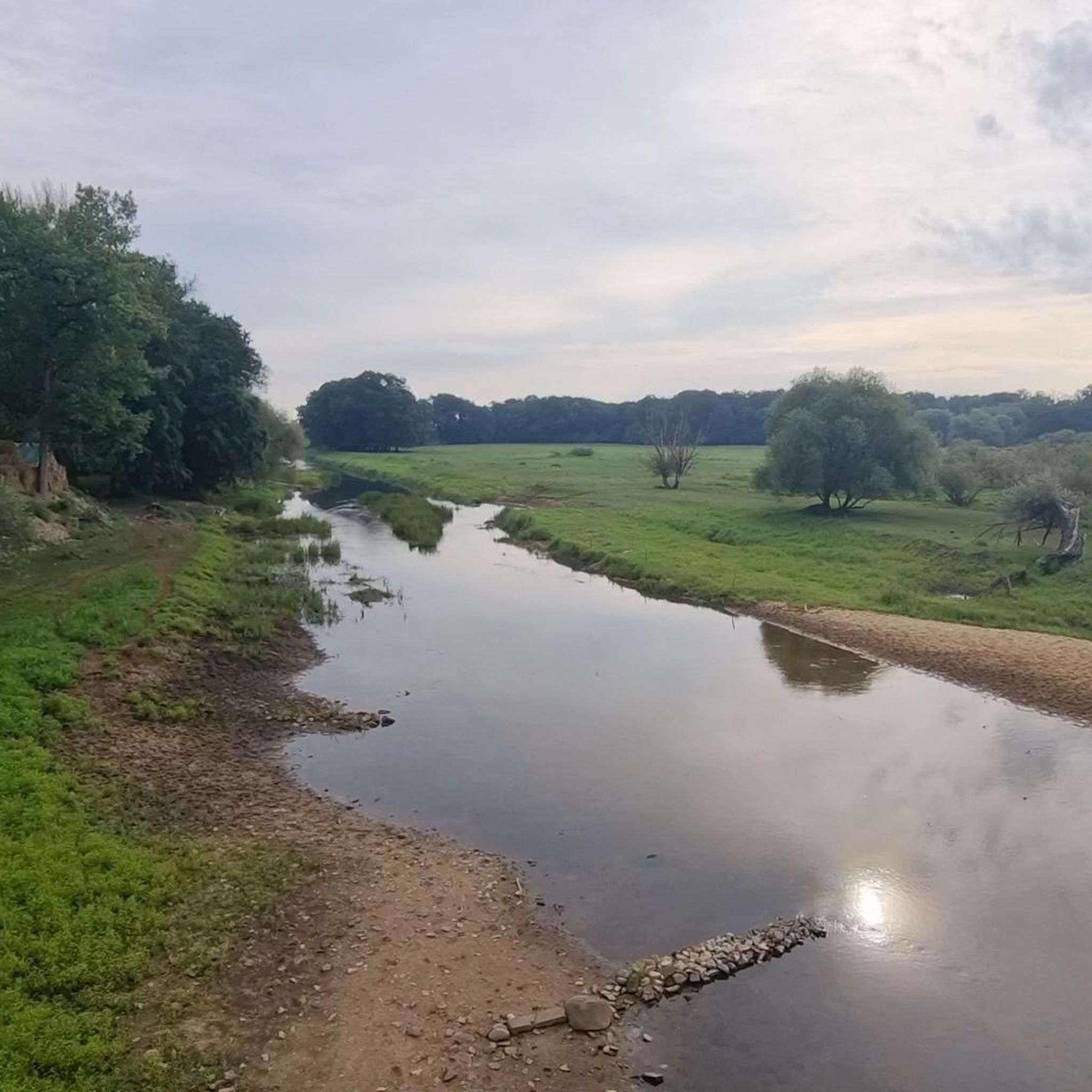
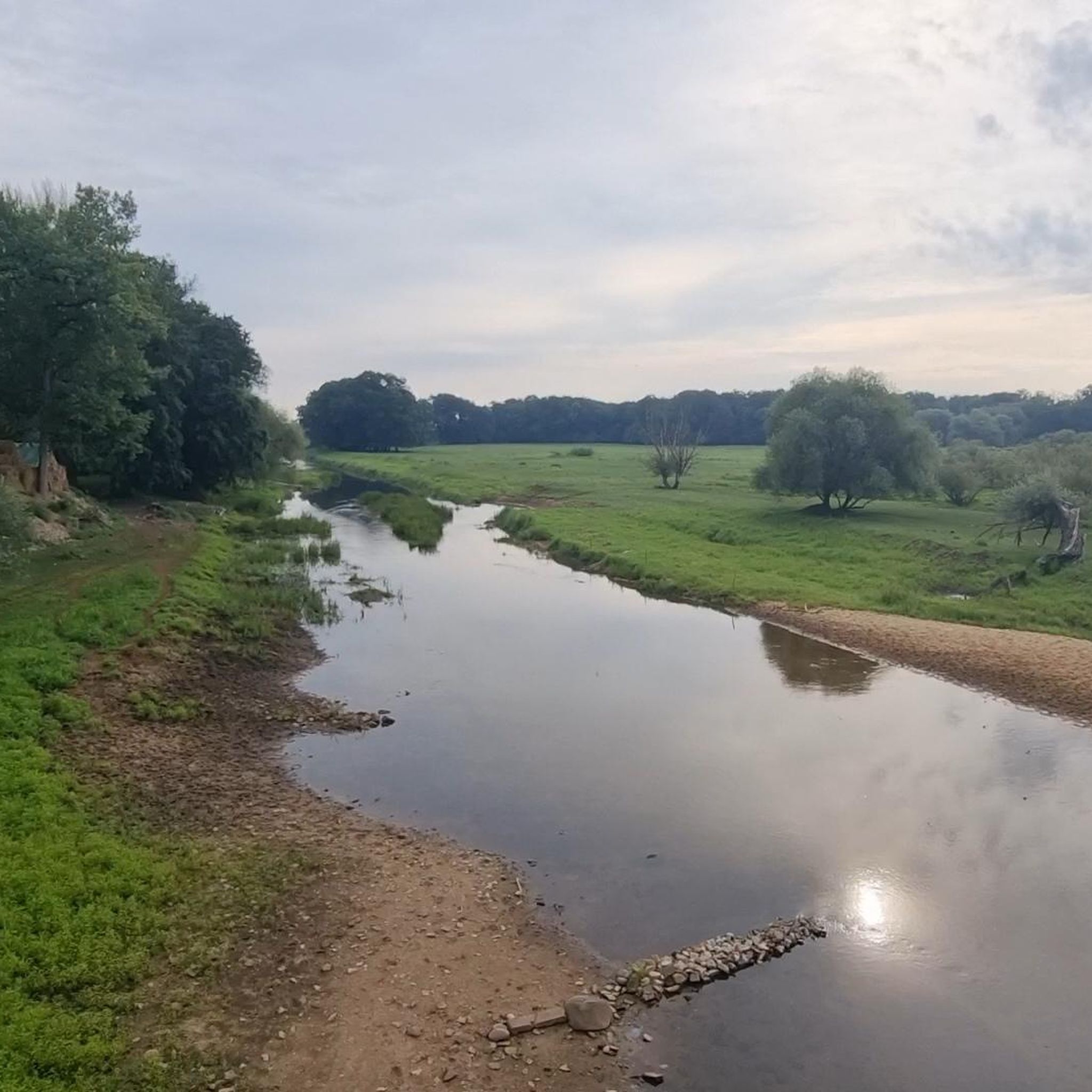
The region offers several natural features. You can explore the Wzgórza Lgińskie (Lgińskie Hills) or visit Jezioro Lgińsko and Jezioro Sławskie, which are significant lakes in the area. The Barycz River near Wyszanów meanders through picturesque fields and meadows, providing opportunities for quiet breaks and birdwatching.
Are there opportunities for cycling near the attractions?
Yes, Gmina Wschowa offers various cycling routes. You can find options like the 'Wschowa Market Square – Wschowa Town Hall loop' or the 'Kripplein Christi Church – New Bicycle Path loop'. For more details and routes, check out the Cycling around gmina gmina Wschowa guide.
Can I find hiking trails suitable for different skill levels?
Absolutely. The region provides hiking trails for various abilities. For easy walks, consider loops around Dominice or Przemęcki Park Krajobrazowy. If you're looking for moderate hikes, options like the 'Sadyba Sailing Center loop' are available. Discover more routes in the Easy hikes around gmina gmina Wschowa and Hiking around gmina gmina Wschowa guides.
Where can I enjoy scenic views in Gmina Wschowa?
For scenic views, consider visiting Punkt Widokowy Ptasi Raj, which suggests a beautiful natural vista, possibly a bird paradise. The Wzgórza Lgińskie also offer elevated perspectives of the landscape, and the areas around Jezioro Sławskie provide picturesque lakeside scenery.
Are there family-friendly attractions in Gmina Wschowa?
Yes, several attractions are suitable for families. The Wschowa Town Hall is considered family-friendly, and the Monument to Bull Ilon in Osowa Sień is a unique and interesting stop for all ages. Additionally, the various parks like Town Park in Wschowa and Park Tysiąclecia (Nad Stawami) offer green spaces for relaxation and play.
Are any attractions in Gmina Wschowa wheelchair accessible?
The Wschowa Town Hall is noted as being wheelchair accessible, making it a good option for visitors with mobility needs.
Are there any unusual or unique points of interest in Gmina Wschowa?
Beyond the historical sites, you can find the Monument to Bull Ilon in Osowa Sień, erected in 1982 to commemorate a significant breeding bull. Another unique site is the Lapidarium of Gravestone Sculpture, part of Wschowa's necropolis, which was established in 1609 as an Evangelical Cemetery and designed in the style of Italy's Campo Santo.
Are there any parks or green spaces for relaxation in Wschowa?
Yes, Wschowa offers several green spaces. You can relax in the Town Park in Wschowa or explore Park Tysiąclecia (Nad Stawami). The Przemęcki Landscape Park also provides a broader natural area for recreation and enjoying the outdoors.
Most popular routes around gmina gmina Wschowa
Most popular attractions around gmina gmina Wschowa

Get inspired with the komoot mobile app


Explore more
Still not found the Highlight you’re looking for? See guides of the top attractions in other regions:
