Attractions and Places To See around Zbąszynek - Top 20
Best attractions and places to see around Zbąszynek, a town in western Poland within the Lubusz Voivodeship, include a variety of notable landmarks, cultural sites, and natural features. The area offers diverse points of interest located both within the town and its immediate surroundings. Visitors can explore historical sites, religious buildings, and recreational areas.
Best attractions and places to see around Zbąszynek
- The most popular attractions is Zbąszyń Beach, a beach that offers ample space on both grass and…
Last updated: May 4, 2026
Ojerzyce Palace
Highlight • Historical Site
Translated by Google •
Tip by

St. Lawrence Parish Church
Highlight • Religious Site
Translated by Google •
Tip by

Sign up now to discover places like this
Get recommendations on the best single tracks, peaks, & plenty of other exciting outdoor places.
Sign up for free
St. Mary's Church, Klepsk
Highlight • Religious Site
Translated by Google •
Tip by
Zbąszyń Beach
Highlight • Beach
Translated by Google •
Tip by

Former border crossing in Trzciel
Highlight • Monument
Translated by Google •
Tip by
Sign up for free to discover even more attractions around Zbąszynek.
Sign up for free
Already have an account?
Start today with a free account
Your next adventure awaits.
Login or Signup
Tips from the Community

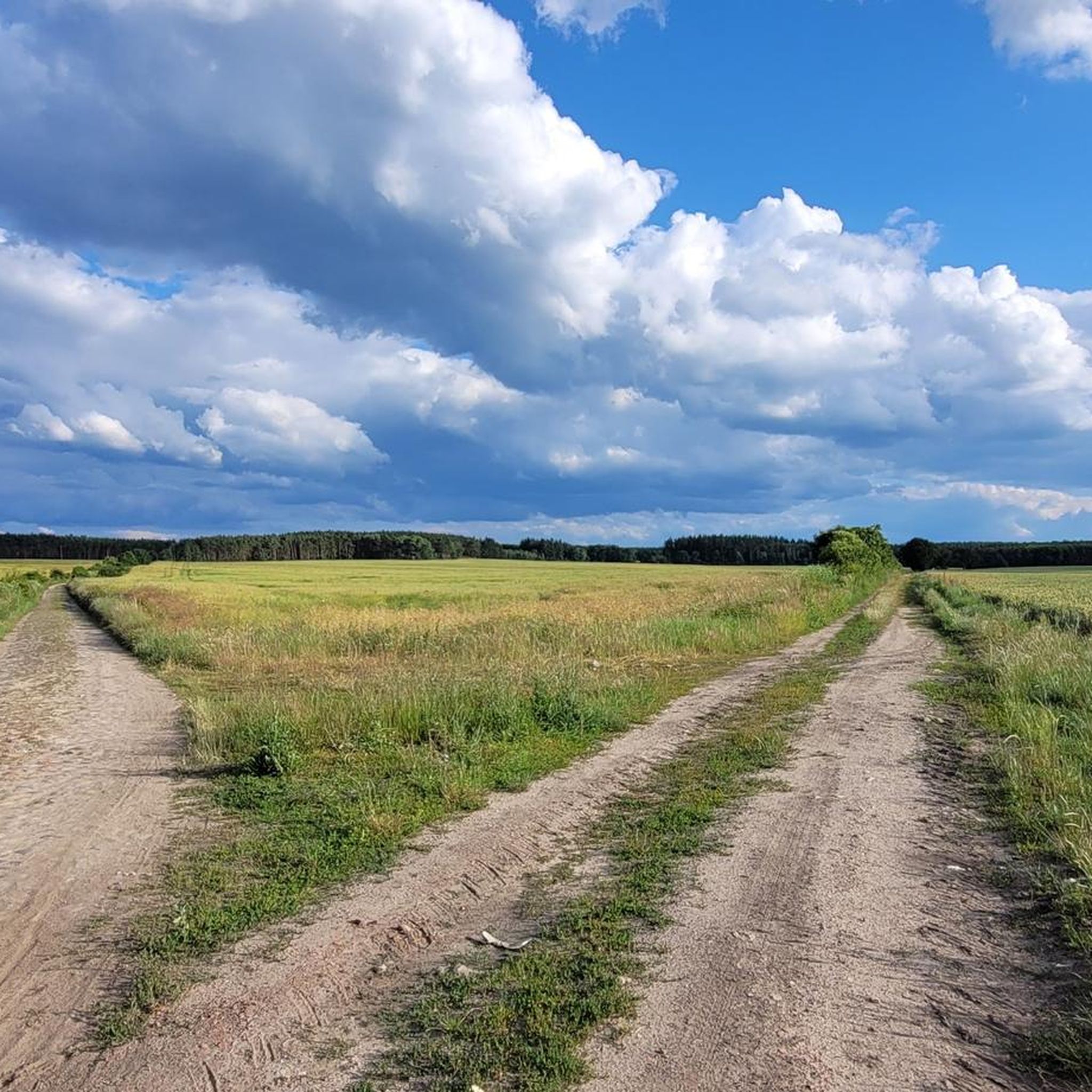
After World War I, under the Treaty of Versailles, Trzciel was divided into two parts. The eastern part belonged to Poland, while the western part, called Tirschtiegel, was already in Germany. The border divided plots and houses. An example of this artificial division is Albert Konopka's wickerworks, which had a border barrier – the residential part was in Germany, and the factory in Poland.
0
0
The wooden Church of St. Lawrence in Łomnica was built on a Latin cross plan, with a prominent octagonal central section. Four columns within it support the octagonal drum of the dome. It is decorated with Rococo polychrome from around 1770 depicting Christ, Mary, St. Lawrence, and St. Bridget. The dome also has an interesting exterior. Roofed in sheet metal, it features a tall lantern topped with a cupola and spire, on which a putto supporting a cross is placed. The church was built between 1768 and 1770, funded by Edward Garczyński, the then owner of Łomnica. The Garczyński coat of arms can be seen today on the sail of the boat, which is shaped like the local pulpit. The interior furnishings are Rococo, dating from the time of the church's construction. The main altar features a painting of St. Lawrence, the church's patron saint.
0
0

Plenty of space on both grass and sand. Water sports equipment rentals, bars, food trucks, and food stalls are available.
1
0


I've been. I've seen a nice spot. Next to a nice restaurant. I recommend asparagus cream in June.
2
0

Marienkirche was built in 1576 as a half-timbered building for the local evangelical population [5] and is one of the most important wooden churches in Poland. The three-winged main altar dates from the Gothic period. The painting of the interior from 1610 to 1613, and especially the wooden barrel vault, with biblical motifs as well as the other, extremely rich Mannerist or Renaissance furnishings, consisting of pulpit, altars, galleries and epitaphs, remained almost unchanged. It is characterized by folk carvings and 117 small paintings, which are explained by various historical inscriptions. [6] In 1657 the massive shingled front tower with a needle helmet was added, source: Wikipedia
1
0
The castle is not accessible, but can be seen from the outside. It used to be a hotel. The sign is still emblazoned above the entrance. Ojerzyce Castle (Polish: Pałac w Ojerzycach) is the manor house of a farm from the second half of the 19th century. It is located in Ojerzyce (Oggerschütz), a village that today belongs to the Gmina Szczaniec (German: Stentsch) in the powiat Świebodziński (formerly: Züllichau-Schwiebus) in the Lebus Voivodeship in Poland. In addition to the palace, which is now used as a hotel, the park and the historic and largely unused, spacious manor complex have been preserved. ... The hotel is closed. The property is for sale (as of January 2017). Source: Wikipedia
1
0
Frequently Asked Questions
What historical sites can I explore around Zbąszynek?
You can visit the 19th-century Ojerzyce Palace, a manor house that can be admired from the exterior. Another significant historical site is the Former border crossing in Trzciel, which marks where Trzciel was divided after World War I, under the Treaty of Versailles.
Are there any notable churches or religious buildings to visit?
Yes, the area features several historic religious buildings. The St. Lawrence Parish Church in Łomnica, built between 1768 and 1770, showcases Rococo polychrome and furnishings. Another significant site is St. Mary's Church, Klepsk, a half-timbered building from 1576, known for its Gothic altar and richly painted interior with biblical motifs.
Where can I find natural beaches or recreational areas for swimming?
For swimming and relaxation, head to Zbąszyń Beach, which offers ample space on both grass and sand, along with water sports equipment rentals and food options. Other popular spots include the Gmina beach on Lake Niesłysz and the beach on Lake Goszcza in Lubrza, both offering serene environments.
Are there family-friendly attractions in the Zbąszynek area?
Yes, Zbąszyń Beach is categorized as family-friendly, providing a great spot for swimming and relaxation with amenities like water sports rentals and food stalls. The natural surroundings and open spaces are generally suitable for families.
What hiking opportunities are available near Zbąszynek?
You can find several hiking trails around Zbąszynek. Options range from easy walks like the 3.2 km 'Zbąszyń Fortress loop' to more challenging routes such as the 22.4 km 'Lake Loop – Synagogue in Zbąszyń loop'. For more details and routes, visit the Hiking around Zbąszynek guide.
Can I find road cycling routes around Zbąszynek?
Yes, there are road cycling routes available. You can explore paths like the 'Zbąszyń Sign – Wooden Dock on the Lake loop' which is 32.2 km long and considered easy, or the 'Kargowa Town Square – Rest Area at Podmokle Wielkie loop' which is a moderate 60.3 km ride. Discover more routes in the Road Cycling Routes around Zbąszynek guide.
Are there good running trails in the vicinity?
For runners, Zbąszynek offers several moderate trails. Examples include the 'Koźlarskie loop from gmina Zbąszynek' at 11.3 km or the 'Running loop from Zbąszynek' covering 12.8 km. These routes provide scenic options for your run. Find more details in the Running Trails around Zbąszynek guide.
What are some unique landmarks or cultural symbols in Zbąszynek?
A prominent symbol of the town's railway history is the **Locomotive in Zbąszynek**, situated in the town center. The Former border crossing in Trzciel also stands as a unique historical landmark, illustrating the region's past divisions.
When is the best time to enjoy the beaches and water activities?
The best time to enjoy the beaches and water activities around Zbąszynek, such as at Zbąszyń Beach and the lakes, is typically during the warmer months, from late spring through summer (June to August), when temperatures are ideal for swimming and outdoor recreation.
What cultural centers are available in Zbąszynek?
The **Zbąszynecki Cultural Center** serves as a central hub for various cultural activities and events within the town, offering a glimpse into the local arts and community life.
Are there any notable attractions slightly further afield but still within the broader region?
Yes, within the broader Lubusz Voivodeship, you can find the impressive **Statue of Christ the King** in Świebodzin. Another unique attraction is **The World's Biggest Wicker Basket** located in Nowy Tomyśl, offering a distinctive local highlight.

Get inspired with the komoot mobile app


Explore more
Still not found the Highlight you’re looking for? See guides of the top attractions in other regions:
