Attractions and Places To See around gmina Nowa Sól - Top 20
Best attractions and places to see around gmina Nowa Sól, located in western Poland's Lubusz Voivodeship, offer a diverse range of experiences. The region features historical landmarks, extensive natural landscapes, and cultural sites. Over half of its area is covered by forests, and it is home to five lakes and the scenic Oder River. Visitors can explore a blend of historical grandeur and natural beauty.
Best attractions and places to see around gmina Nowa Sól
- The most popular attractions is…
Last updated: July 15, 2026
Stany Railway Bridge over the Oder River
Highlight • Bridge
Translated by Google •
Tip by

Zatonie Palace Ruins
Highlight • Historical Site
Translated by Google •
Tip by
Sign up now to discover places like this
Get recommendations on the best single tracks, peaks, & plenty of other exciting outdoor places.
Sign up for free
Lipiny Odrzańskie Railway Station
Highlight • Monument
Translated by Google •
Tip by

Rose Temple
Highlight • Monument
Translated by Google •
Tip by

Broniszów Castle
Highlight • Castle
Translated by Google •
Tip by

Sign up for free to discover even more attractions around gmina Nowa Sól.
Sign up for free
Already have an account?
Start today with a free account
Your next adventure awaits.
Login or Signup

Tips from the Community

Former railway station on railway line no. 371 Wolsztyn - Żagań. Currently rebuilt into the Environmental Education Center,
0
0

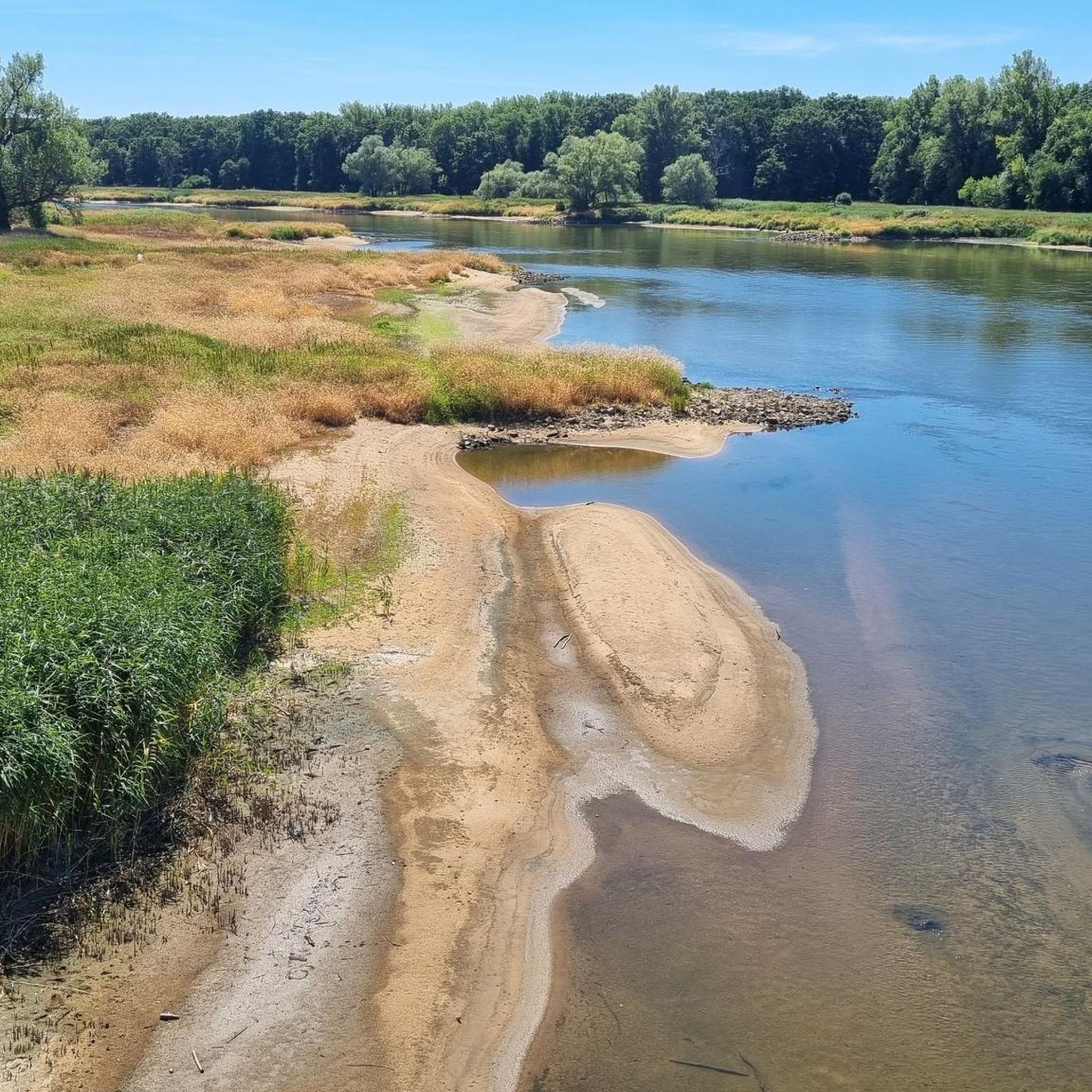
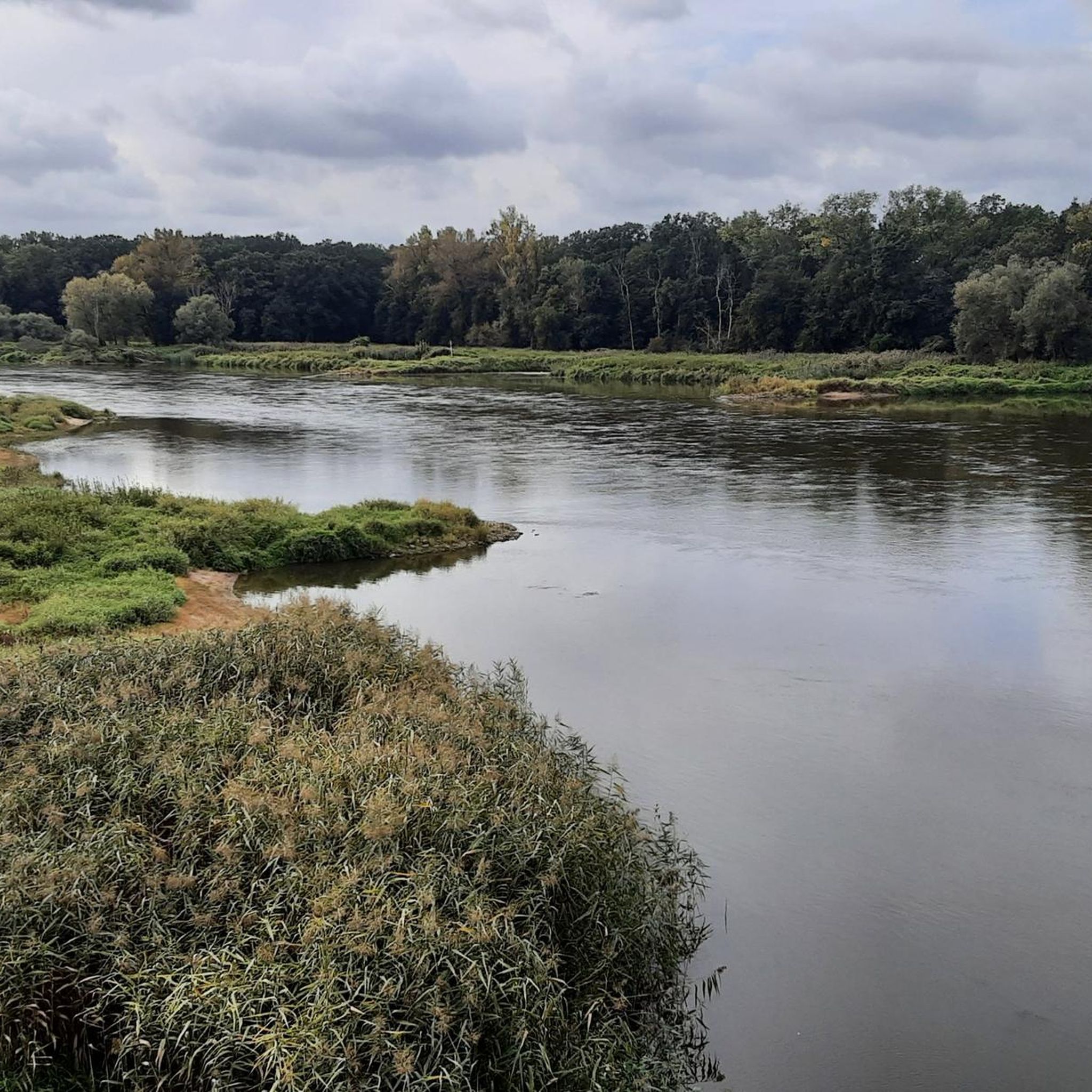
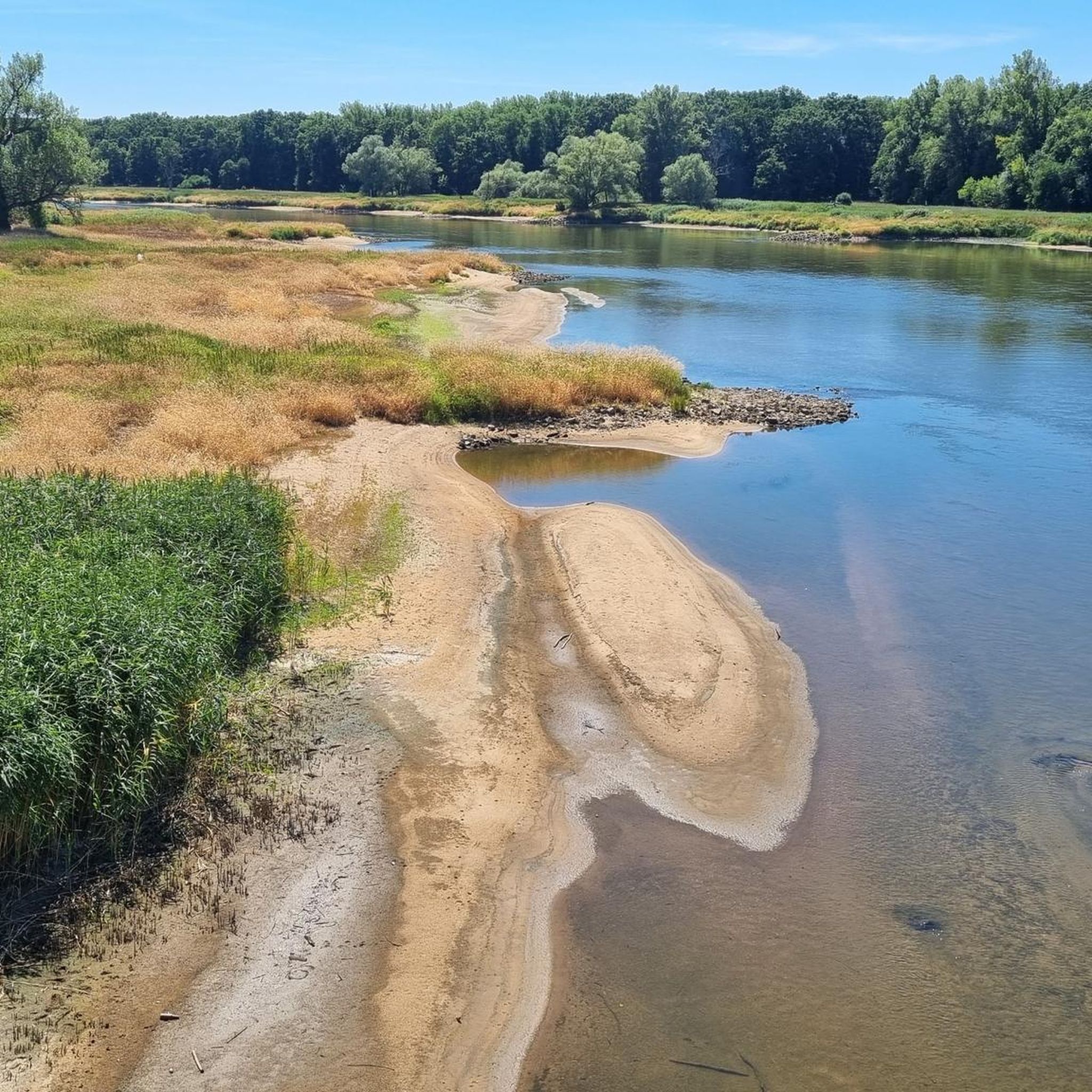
The railway bridge in the States, located on the Oder near Nowa Sól, is one of the longest and most impressive railway bridges in Poland. Its history, spanning over 120 years, is inextricably linked to the development of rail transport in the region and turbulent historical events. The construction of the bridge began in 1905 and was completed in 1908. It was a gigantic engineering undertaking. The bridge was designed as a steel truss structure, consisting of several spans supported by stone pillars. Its length was approximately 640 meters, making it one of the longest structures of this type in Germany at that time. With the opening of the bridge, transport in the entire region was significantly improved, and Nowa Sól gained a new, important rail connection. During World War I, the bridge did not suffer any major damage, although its strategic importance increased. The real test for the structure came with World War II. At the end of the war, in 1945
2
0

A place with great historical potential. Secured palace ruins, orangery, large park complex with rare trees and small architecture.
1
0
The Lipiny Odrzańskie railway station was established together with the construction of railway line no. 275, connecting Wrocław with Gubin. This line was crucial for the region, enabling passenger and freight transport. The section through Lipiny Odrzańskie was launched at the end of the 19th century, or more precisely in 1876, when the section from Rudna Gwizdanów to Nowa Sól was opened. For years, Lipiny Odrzańskie station played an important role for the local community. It was a point from which residents commuted to work, school or markets, as well as a place where agricultural and industrial goods were loaded and unloaded. The station building usually housed a ticket office, waiting room and apartments for railway employees. After World War II, railway line no. 275 came under the management of the Polish State Railways (PKP). For many years, passenger and freight traffic was maintained. However, over time, in the face of the development of road transport and a decrease in the number of passengers, the importance of local rail connections began to decrease. Finally, at the beginning of the 21st century, passenger traffic on the section through Lipiny Odrzańskie was suspended. The last passenger trains ran on this line until 2004, after which it was withdrawn from regular traffic.
4
0

An impressive building, it's impossible not to notice it when driving along the road!
1
0

The castle in Broniszów was built as a knight's building in the late Middle Ages. The first owner was supposedly Bronisław, Count of Bytom Odrzański. At the beginning of the 17th century, the von Kottwitz family expanded the castle into a Renaissance residence on the plan of the letter L. In the elevated, three-storey building, two representative halls were maintained on the ground floor: one of them is covered with a beamed ceiling with an impressive Renaissance stucco decoration from the end of the 16th century, the other is covered with a Renaissance vault with a fitting ornament. The main entrance to the castle is located in the northern façade. It is decorated with a stone late Renaissance portal with the inscription ANNO MISSERIMA FORTUNA QUAE INIMICIS CARET 1608. The Baroque reconstruction from the end of the 17th century brought a change in the order of the windows, a Baroque dome of the northern tower and Baroque plasters at the expense of Renaissance sgraffito plasters. In the 19th century, the castle was rebuilt again. A brick wall and a neo-Gothic observation tower were added to the Renaissance manor house, creating an internal courtyard. The manor house was surrounded by a moat with a pond. The 20th century was not easy for Broniszow Castle. After 1945, the castle gradually fell into ruin. The renovation of this architectural monument began in 2010 and continues to this day. Thanks to our work, you can stay in one of the rooms available to guests and visit the interior of the castle. (zamekbroniszow.pl)
2
0

The castle can be visited, the interior is paid, but for free we have a beautiful courtyard and a pleasant trip around. Nicely restored.
1
0

The station building in Lipiny Odrzańskie. It was opened in 1908 and closed in 1996. Before the war, a huge network of narrow-gauge forest railways began next to the station, which wrapped the surrounding trees in a spiderweb of tracks. Today, there is no trace of them. In 2023, the station building was nicely renovated. Now it looks beautiful and encourages rest with its numerous benches.
2
0
Frequently Asked Questions
What historical landmarks can I explore around gmina Nowa Sól?
The region is rich in history. You can visit the impressive Zatonie Palace Ruins, a former Baroque manor house with a revitalized park and orangery. Another significant site is the Stany Railway Bridge over the Oder River, an architectural marvel from 1905 with neo-Gothic watchtowers, now part of a cycling trail. Don't miss Broniszów Castle, a well-restored knight's building with an inviting courtyard, or the beautifully renovated Lipiny Odrzańskie Railway Station, which now serves as a resting spot for cyclists.
Are there family-friendly attractions in gmina Nowa Sól?
Yes, gmina Nowa Sól offers several family-friendly attractions. The Nadodrzański Park Rekreacyjny (Oder Recreational Park) is a vast complex featuring the Park Krasnala (Dwarf Park) with the world's largest dwarf, 'Soluś,' and a mini zoo. Within this park, you'll also find the interactive Park Fizyki (Physics Park), a Rope Park with various difficulty levels, a Wake Park, BMX track, climbing walls, and mini golf. Many historical sites like the Zatonie Palace Ruins and Stany Railway Bridge are also suitable for families.
What natural features and landscapes can I discover in the area?
Over half of gmina Nowa Sól is covered by forests, offering a haven for nature enthusiasts. The region is home to five lakes: Kochanowskie Duże, Kochanowskie Małe, Jeziorna, Sławskie, and Tarnowskie Duże, with Lake Sławskie and Tarnowskie Duże being specially protected areas. The scenic Oder River flows through the gmina, and the Nadodrzańskie forests are known for rare bird species and diverse flora, including protected water lilies in old riverbeds.
What outdoor activities are available near these attractions?
The area around gmina Nowa Sól is excellent for outdoor activities. You can enjoy hiking on trails like the easy 'Former Szczeciniarnia Factory loop from Nowa Sól' or the 'Joanna Observation Tower loop from Lubiatów'. For cyclists, the 'Kolej na Rower' (Railway for Bicycle) path utilizes former railway lines, offering over 50 km of picturesque routes. Mountain biking is also popular, with routes such as the 'Kolej na Rower Cycle Path – Stany Railway Bridge loop from Nowa Sól'. You can find more details on these activities in the hiking guide and MTB trails guide.
Are there any good viewpoints in gmina Nowa Sól?
Yes, for scenic views, consider visiting the Rose Temple. This openwork gazebo is built on an artificial mound within the Zatonie park, offering a beautiful perspective along the main axis of the park towards the palace. The Stany Railway Bridge over the Oder River also provides excellent views of the Oder from its pedestrian and cycling path.
What cultural insights can I gain from visiting gmina Nowa Sól?
Beyond its natural beauty, gmina Nowa Sól offers cultural depth. The Zatonie Palace Ruins, for instance, tell a story of 19th-century aristocratic life, having hosted figures like Duchess Dorota de Talleyrand-Périgord and even King Frederick William IV of Prussia. The Municipal Museum in Nowa Sól (though not a highlight in this guide) provides further insights into the region's history and heritage. The renovated Lipiny Odrzańskie Railway Station also reflects the area's industrial and transport history.
Can I find places to eat or rest near the attractions?
Absolutely. The revitalized orangery at the Zatonie Palace Ruins now houses a restaurant, perfect for a meal or a good cake. The Lipiny Odrzańskie Railway Station, now an Education Center, is a great resting spot for cyclists with benches and tables. Additionally, the Stany Railway Bridge has a stopping point with a shelter and a self-service point at its entrance from the United States side.
What do visitors enjoy most about gmina Nowa Sól?
Visitors frequently praise the blend of historical sites and natural beauty. The Zatonie Palace Ruins are loved for their beautiful park, cafe, and evening illuminations. The Stany Railway Bridge is highlighted as an amazing structure with an interesting history and great views. Many appreciate the well-restored historical buildings like Broniszów Castle and the Lipiny Odrzańskie Railway Station, especially as pleasant resting spots for active travelers.
Are there cycling routes suitable for families or beginners?
Yes, the region is very cycling-friendly. The 'Kolej na Rower' (Railway for Bicycle) path, which incorporates the Stany Railway Bridge, offers over 50 km of routes along former railway lines. These paths are generally flat and well-maintained, making them suitable for families and beginners. Many routes also feature amenities like repair stations and resting spots, such as the renovated Lipiny Odrzańskie Railway Station.
What are some unique recreational facilities in gmina Nowa Sól?
Gmina Nowa Sól offers unique recreational facilities, particularly within the Nadodrzański Park Rekreacyjny. You can find a Wake Park for water sports enthusiasts, a BMX track for bikers, and climbing walls for those seeking a challenge. There's also a skate park and mini golf. For a more relaxed experience, enjoy a cruise on the Laguna ship along the Oder River or stroll along the riverside boulevards.
Can I visit the interior of Broniszów Castle?
Yes, the interior of Broniszów Castle can be visited, though there is an entrance fee. Even if you choose not to enter, the beautiful courtyard is accessible for free, and the castle itself is an impressive building to admire from the outside.
Are there any protected natural areas or rare species to look out for?
Yes, the gmina is committed to protecting its natural heritage. Lake Sławskie and Tarnowskie Duże, along with their coastal areas and a fragment of the 'Mesze' nature reserve, are specially protected areas. The Nadodrzańskie forests are home to rare and endangered bird species such as red and black kites, honey buzzards, and black storks. You can also find rare elm-ash riparian forests, hornbeam forests, and protected plants like water lilies in old riverbeds.
Most popular routes around gmina Nowa Sól
Most popular attractions around gmina Nowa Sól

Get inspired with the komoot mobile app


Explore more
Still not found the Highlight you’re looking for? See guides of the top attractions in other regions:
