Attractions and Places To See around Dęblin - Top 20
Attractions and places to see around Dęblin include historical landmarks, cultural sites, and natural features. The city is strategically located at the confluence of the Vistula and Wieprz rivers. It offers insights into military history, aviation, and local heritage. The area provides a diverse range of points of interest for visitors.
Best attractions and places to see around Dęblin
- The most popular attractions is Fort II Mierzwiączka, a historical site that was part of the Dęblin Fortress. This fort…
Last updated: August 25, 2026
Museum of Unusual Bicycles
Highlight • Monument
Translated by Google •
Tip by

Avenue of Dęblin Families Who Helped Jews During the Holocaust
Highlight • Monument
Translated by Google •
Tip by

Sign up now to discover places like this
Get recommendations on the best single tracks, peaks, & plenty of other exciting outdoor places.
Sign up for free
Fort II Mierzwiączka
Highlight • Historical Site
Documentation about the monument at the link:
zabytek.pl/pl/obiekty/g-279272
Translated by Google •
Tip by

Dęblin Railway Station Complex
Highlight • Historical Site
A lot of information about the complex at the link:
zabytek.pl/pl/obiekty/deblin-zespol-budynkow-kolejowych
Translated by Google •
Tip by
Rest Area at Piskory Nature Reserve
Highlight • Rest Area
Translated by Google •
Tip by
Sign up for free to discover even more attractions around Dęblin.
Sign up for free
Already have an account?
Start today with a free account
Your next adventure awaits.
Login or Signup
Tips from the Community

The avenue-memorial was unveiled in March 2022. The Jewish population first appeared here in 1837, in the village of Modrzyce—hence the "Modrzyce Jews." During the Holocaust, the century-old community was exterminated. During the German occupation, Poles also rescued persecuted Jews in Dęblin, which was particularly challenging. Tadeusz Opieka, with the support of several members of the Friends of Dęblin Society, initiated the creation of the monument and avenue, which commemorates over 20 Dęblin families. The path leads to the war cemetery. Fifty-one linden trees were planted along the avenue.
0
0

Renovation works are currently underway at the fort.
0
0

Private property so we won't see the inside
0
0
https://www.muzeumrowerow.pl/ The museum is located in the town of Gołąb, on route No. 801 Warsaw - Dęblin - Puławy - Kazimierz Dolny. Visitors can see and even try out recumbent bikes, circus bikes and other unusual bikes. Children and teenagers have the most fun riding galloping bikes. Caring parents can personally transport their children in rickshaws and other vehicles.
0
0

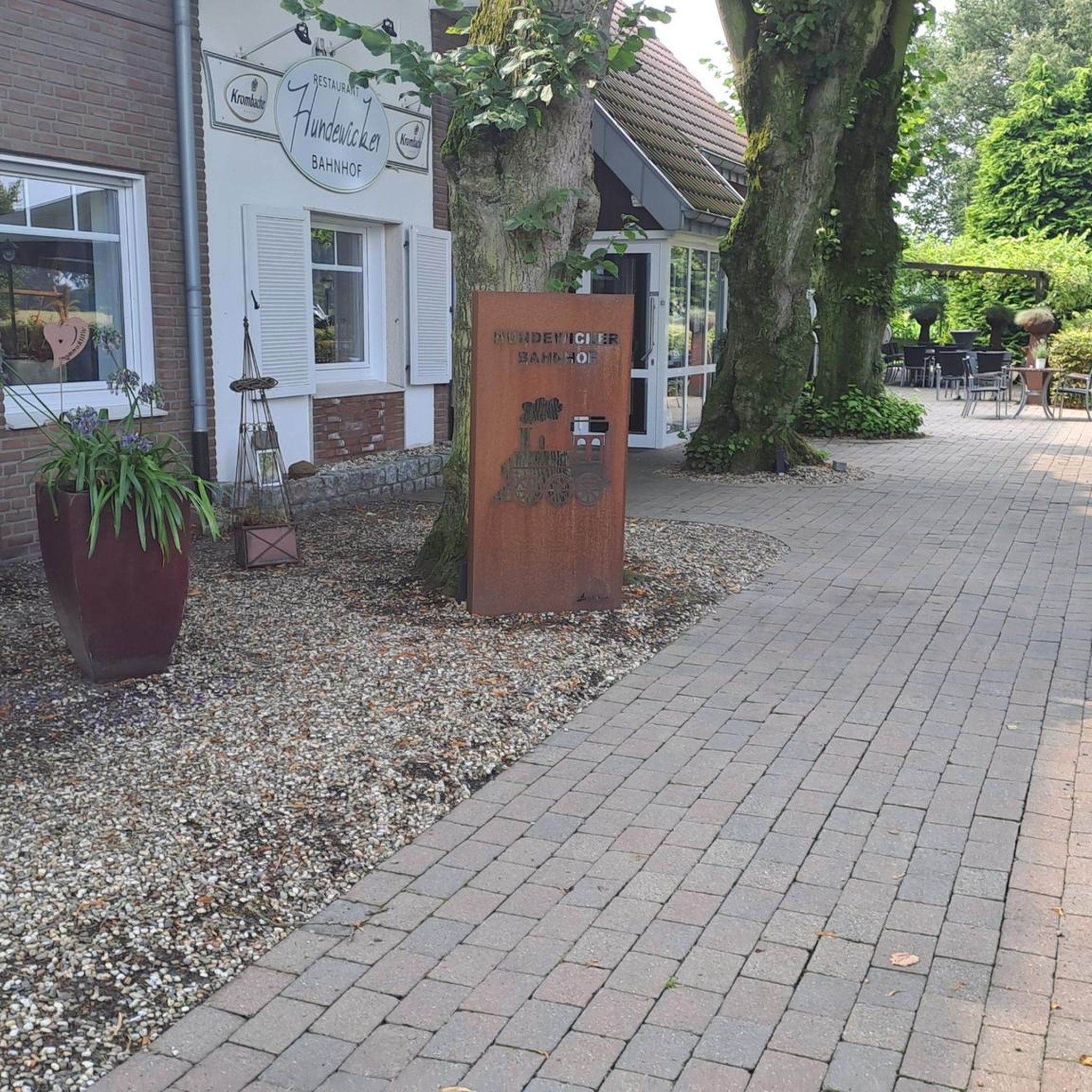
Nice wooden train station. Nearby, there is a bar under Semafor.
0
0

A historic complex of a train station, administrative, residential and technical buildings erected from the end of the 19th century to the 1920s. A lot of information about the complex at the link: https://zabytek.pl/pl/obiekty/deblin-zespol-budynkow-kolejowych
0
0
The fort was built in the years 1879 - 1882. It was part of the Dęblin Fortress (https://pl.wikipedia.org/wiki/Twierdza_D%C4%99blin) Documentation about the monument at the link: https://zabytek.pl/pl/obiekty/g-279272
0
0
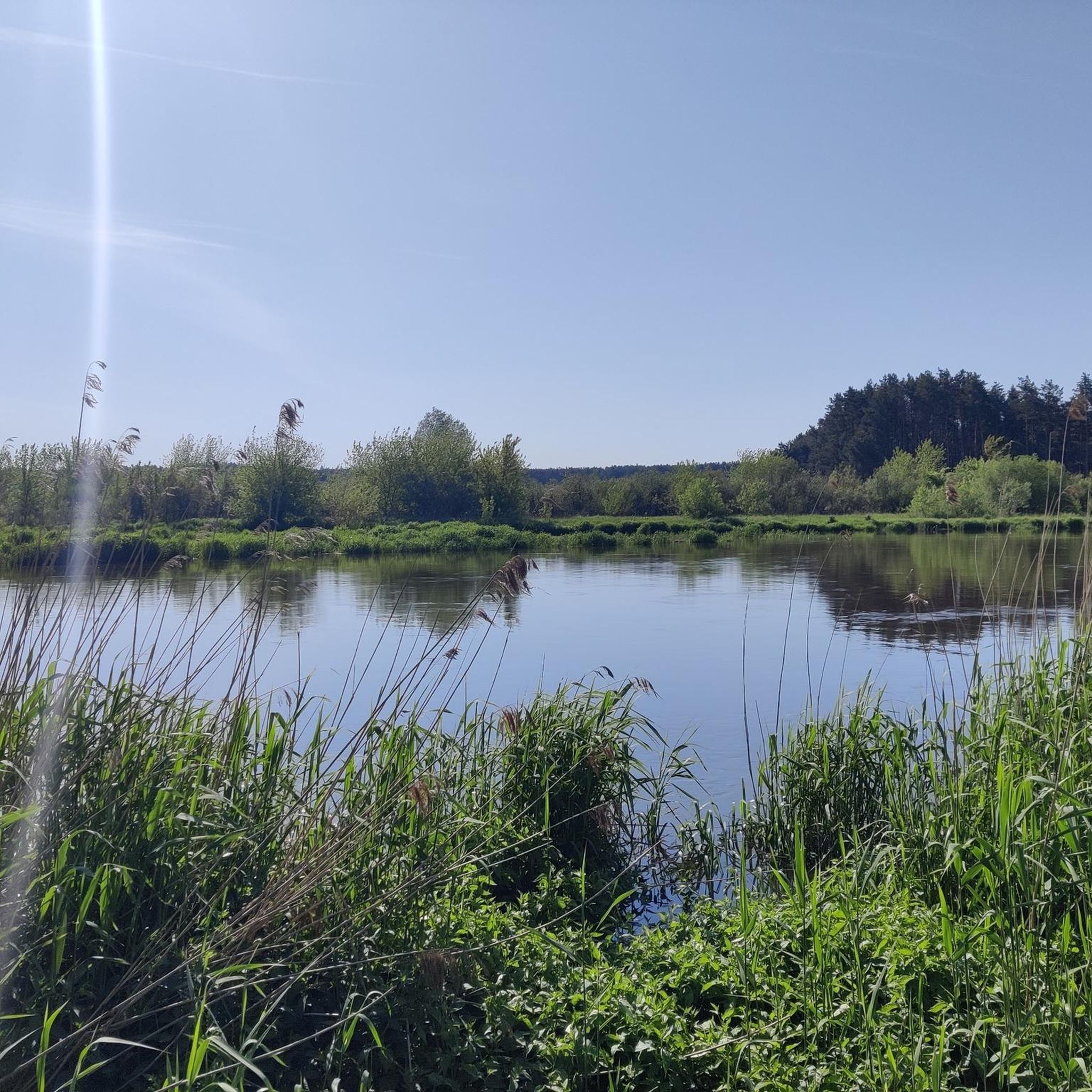
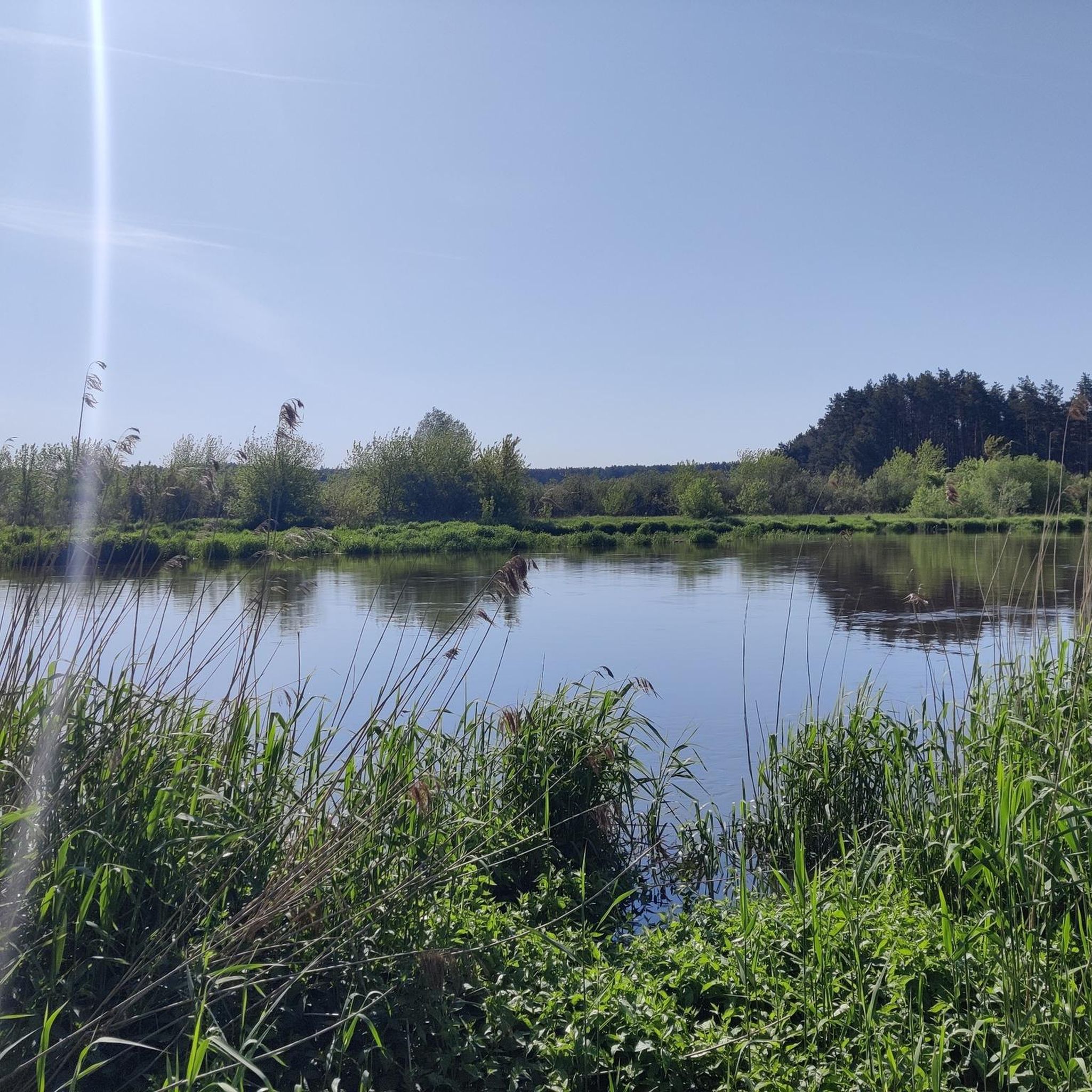
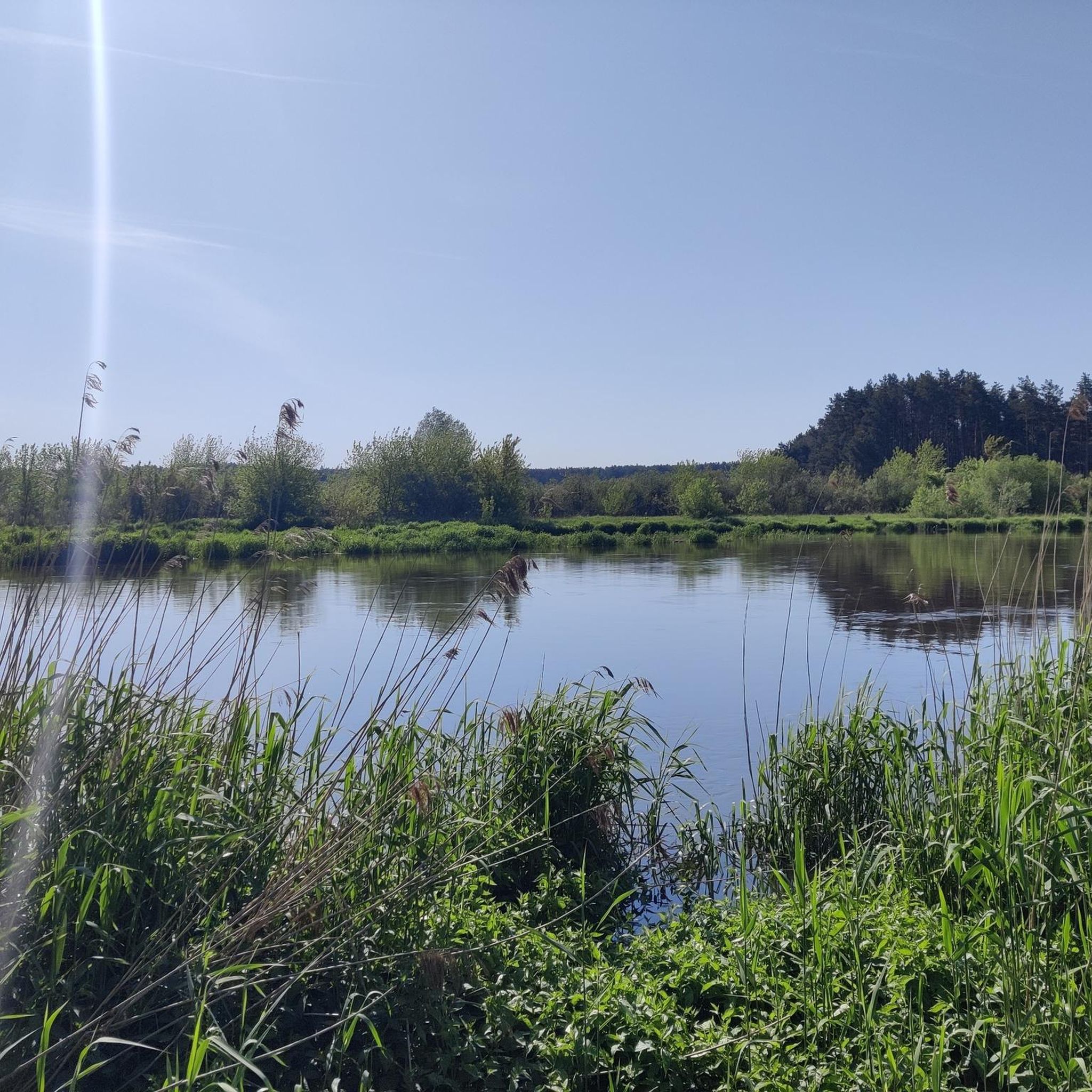
The reserve is a valuable refuge for water and marsh birds. bittern, white-tailed eagle, lesser spotted eagle, green fox, white-winged tern, crane, greylag goose, and in the nearby alders - eagle owl. The population of the grebe is one of the largest in Poland (Wikipedia). There are a couple of tables with benches. At the end of May, countless mosquitoes attacked me. In fact, I stopped for a moment and flew on.
0
0
Frequently Asked Questions
What historical sites can I explore in Dęblin?
Dęblin offers several significant historical sites. You can visit Fort II Mierzwiączka, a part of the historic Dęblin Fortress complex. The Dęblin Railway Station Complex showcases historic administrative and residential buildings from the late 19th and early 20th centuries. Additionally, the Avenue of Dęblin Families Who Helped Jews During the Holocaust is a poignant memorial, and the Church of the Assumption of the Blessed Virgin Mary, St. Florian and St. Catherine and Loreto House in Gołąb offers a glimpse into 17th-century religious architecture.
Can I visit the Dęblin Fortress?
While the main Dęblin Fortress complex may have restricted access due to ongoing military use, you can explore parts of it. Specifically, Fort II Mierzwiączka, constructed between 1879 and 1882, is open for visitors and provides insight into the fortress's history.
Are there any family-friendly attractions in Dęblin?
Yes, Dęblin has attractions suitable for families. The Museum of Unusual Bicycles in Gołąb is a unique and interactive experience where visitors can see and even try out various unconventional bicycles. The Avenue of Dęblin Families Who Helped Jews During the Holocaust is also considered family-friendly for a reflective visit.
What unique museums can I find in Dęblin?
Dęblin is home to the Museum of Unusual Bicycles in Gołąb, which offers a truly unique experience. Here, you can explore and even try out a variety of unconventional bicycles, from recumbent to circus bikes, making it a fun stop for cycling enthusiasts and curious visitors alike. Additionally, the Polish Air Force Museum showcases the history of Polish aviation.
Where can I experience nature in Dęblin?
Dęblin is strategically located at the confluence of the Vistula and Wieprz rivers, offering scenic views and opportunities for water-based activities like kayaking and fishing. The city lies within the picturesque Middle Vistula Valley, known for its natural beauty. You can also seek out the over 200-year-old Oak Grot Tree, considered a symbol of Dęblin.
Are there cycling routes near Dęblin's attractions?
Yes, Dęblin is a great starting point for cycling. You can find various routes, including road cycling and touring bicycle options. For example, there are routes like the 'Lublin Gate, Dęblin Fortress – Museum of Unusual Bicycles loop' or the 'Dirt Road Along the Railway – Path Along the Vistula River loop'. You can explore more options on the Road Cycling Routes around Dęblin and Cycling around Dęblin guide pages.
Can I go running near the attractions in Dęblin?
Absolutely. Dęblin offers several running trails that allow you to combine exercise with sightseeing. Popular routes include loops around Pałac Mniszchów and Fort II Mierzwiączka. You can find more detailed running routes on the Running Trails around Dęblin guide page.
What do visitors enjoy the most about Dęblin's attractions?
Visitors particularly enjoy the unique experiences offered, such as trying out unusual bicycles at the Museum of Unusual Bicycles, where many describe having great fun. The historical significance of sites like Fort II Mierzwiączka and the Dęblin Railway Station Complex also captivates those interested in history and architecture.
What other towns or regions can I visit near Dęblin?
Dęblin serves as a good base for exploring other attractive regions of Lubelszczyzna. Nearby towns and sites within a reasonable distance include Kazimierz Dolny, Puławy, Czarnolas, and Kozłówka, each offering their own unique historical and cultural attractions.
When is the best time to visit Dęblin?
The best time to visit Dęblin generally depends on your interests. For outdoor activities like cycling, running, or enjoying the river confluence, the warmer months from late spring to early autumn (May to September) are ideal. If you're primarily interested in historical sites and museums, Dęblin can be visited year-round, though some outdoor fort sections might be more pleasant in milder weather.
What is the significance of the Vistula and Wieprz rivers in Dęblin?
Dęblin's strategic location at the confluence of the Vistula and Wieprz rivers has played a crucial role in its history and geography. The Vistula, Poland's longest river, and the Wieprz offer picturesque landscapes, opportunities for water-based recreation, and have historically been important for trade and defense. The Vistula River Valley is known for its natural beauty and recreational potential.
Are there any religious historical sites in the Dęblin area?
Yes, a notable religious historical site is the Church of the Assumption of the Blessed Virgin Mary, St. Florian and St. Catherine and Loreto House in Gołąb. This church was constructed between 1626 and 1634, with the Loreto House added shortly after, from 1634-1638, making it a significant example of 17th-century architecture and religious heritage.
What is the 'Avenue of Dęblin Families Helping Jews During the Holocaust'?
The Avenue of Dęblin Families Helping Jews During the Holocaust is a memorial featuring fifty-one linden trees planted to commemorate families from Dęblin who aided Jews during the Holocaust. Unveiled in March 2022, it serves as a poignant reminder of local heroism and the tragic history of the Jewish community in the region.

Get inspired with the komoot mobile app


Explore more
Still not found the Highlight you’re looking for? See guides of the top attractions in other regions:
