Attractions and Places To See around gmina Komarówka Podlaska - Top 12
Best attractions and places to see around gmina Komarówka Podlaska include a mix of historical religious sites, natural landscapes, and cultural points of interest. Located in eastern Poland within the Lublin Voivodeship, the region features unique wooden architecture and significant historical landmarks. Visitors can explore ancient churches, nature trails, and sites with archaeological significance. The area offers diverse experiences for those interested in history and nature.
Best attractions and places to see around gmina Komarówka Podlaska
- The most popular attractions…
Last updated: July 15, 2026
Czarny Las Nature Trail
Highlight (Segment) • Trail
Translated by Google •
Tip by

St. Michael the Archangel Wooden Church
Highlight • Religious Site
Translated by Google •
Tip by

Sign up now to discover places like this
Get recommendations on the best single tracks, peaks, & plenty of other exciting outdoor places.
Sign up for free
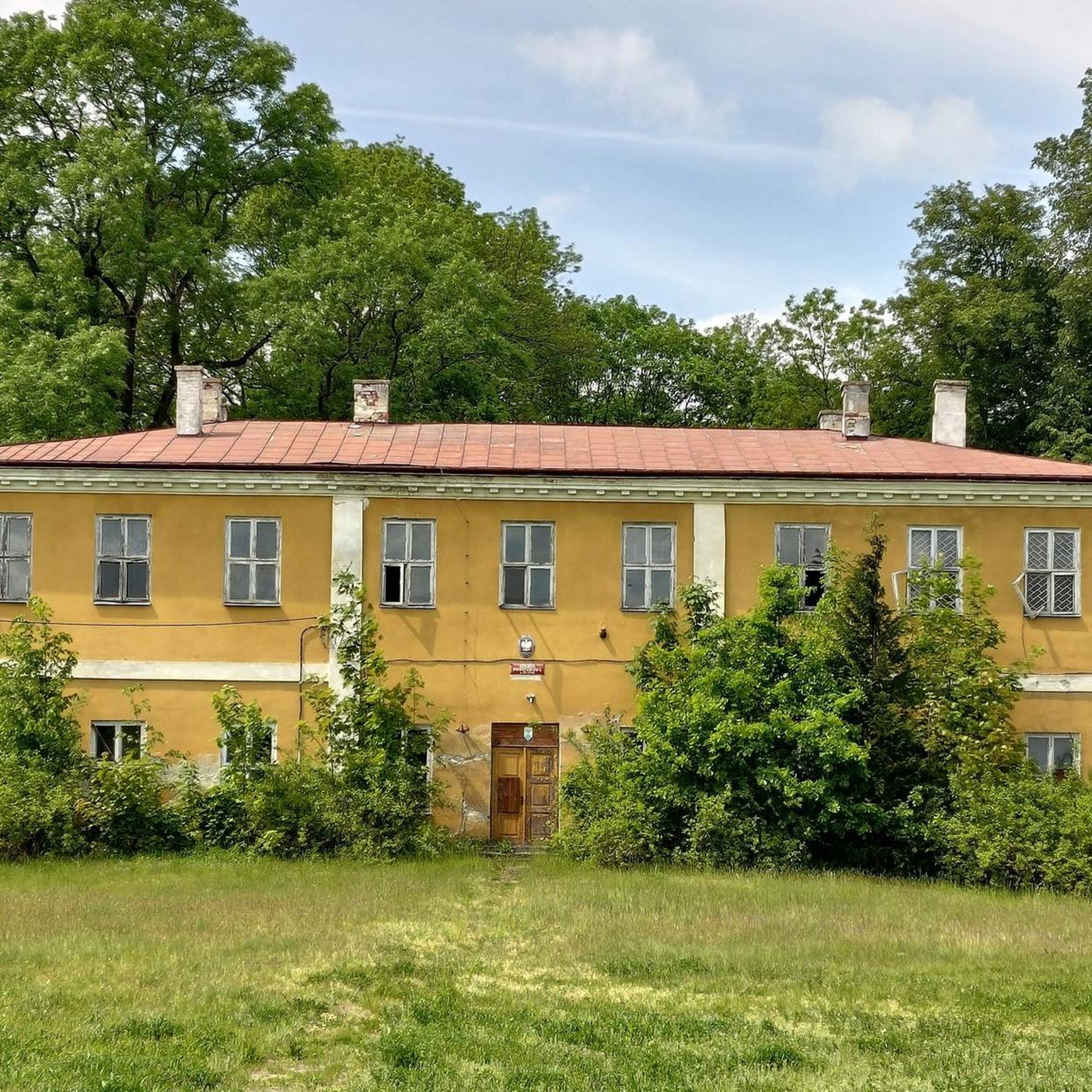
Władysław Szaniawski Palace
Highlight • Historical Site
Nearby, W. Szaniawski, …
Translated by Google •
Tip by

Municipal Regional Chamber Popówka
Highlight • Historical Site
Translated by Google •
Tip by
Church of the Visitation of the Blessed Virgin Mary
Highlight • Religious Site
Translated by Google •
Tip by
Sign up for free to discover even more attractions around gmina Komarówka Podlaska.
Sign up for free
Already have an account?
Start today with a free account
Your next adventure awaits.
Login or Signup
Popular around gmina Komarówka Podlaska
Tips from the Community

The path in the Radzyń Podlaski forest district, created in 2005, partially flooded during floods in 2011-2012. After the flooding, a lake with dead trees growing out of it was created in a forest area of approximately 30 ha. After the water level dropped, the path was renovated, so we can enjoy a walk along the wooden footbridges and the observation tower in this beautiful setting. Please note that the path is not very well marked, you should rely on the map or intuition.
2
0

The church is built of larch wood. A classic of sacral wooden architecture in Podlasie. Entrance to the church grounds through a wooden belfry.
0
0

In front of the main entrance, in a neglected yard, there is a small gazebo.
0
0
Burnt down by the Soviets in 1943 and rebuilt in 1959, without any decorative elements. It now stands abandoned after the school moved into a new building. Nearby, W. Szaniawski, an engineer by education, built one of the most modern astronomical observatories in 1909. More about it at the link. https://kochamradzyn.pl/poznajcie/5271-obserwatorium-astronomiczne-wladyslawa-szaniawskiego-w-przegalinach-duzych.html
0
0
The center opened in the early 2000s. It is located in an old school building from the 19th century called Popówka. The area around is well-kept. At the back of the building there is a small gazebo with a table.
0
0
Temple from 1935, built in place of the previous one in poor technical condition. A sanctuary with a Byzantine icon, according to legend, donated by King John III Sobieski.
0
0
Frequently Asked Questions
What are the most popular attractions in gmina Komarówka Podlaska?
Visitors frequently enjoy the unique St. Michael the Archangel Wooden Church, a classic example of sacral wooden architecture. Another popular spot is the Czarny Las Nature Trail, known for its wooden footbridges and observation tower amidst a forest lake.
Are there any historical religious sites to visit in the region?
Yes, gmina Komarówka Podlaska is rich in historical religious sites. Besides the St. Michael the Archangel Wooden Church, you can visit the Church of the Visitation of the Blessed Virgin Mary in Kolembrody, which houses a miraculous Byzantine icon. The region also features the Neo-Gothic Church of the Sacred Heart of Jesus in Komarówka Podlaska and several historic wooden chapels, including those in Walinna and Żulinki.
What natural features can I explore in gmina Komarówka Podlaska?
The region offers several natural highlights, most notably the Czarny Las Nature Trail. This trail winds through a forest where a lake with dead trees has formed, offering a unique landscape. The gmina also contains various protected natural areas, ecological utility areas, and scenic meadows and fields bordered by forests, particularly around the Żelizna water reservoir.
Are there any family-friendly attractions or activities?
Yes, the Church of the Visitation of the Blessed Virgin Mary is noted as family-friendly, offering a glimpse into local history and spirituality. Additionally, the Municipal Regional Chamber Popówka, located in an old school building, provides an educational and engaging experience for families, with a well-kept area and a small gazebo.
What kind of outdoor activities, like cycling, can I do near these attractions?
You can enjoy cycling on various routes around gmina Komarówka Podlaska. Options include easy loops like the "Bike loop from Derewiczna" (16.7 km) or the "Asphalt Road in the Forest loop from Żerocin" (15.4 km). For a longer, moderate ride, consider the "View of the Krzna River – Skatepark and Playground loop from Komarówka Podlaska" (62.6 km). You can find more details on these and other cycling routes on the Cycling around gmina Komarówka Podlaska guide page.
Are there any historical landmarks beyond churches?
Beyond the religious sites, you can explore the Władysław Szaniawski Palace, an abandoned historical site with a fascinating past, including a nearby astronomical observatory built in 1909. The gmina also features two residential complexes in Przegaliny Duże and Żelizna, and a wooden post mill from 1945 in Brzozowy Kąt.
Where can I learn about the local culture and traditions?
The Gminne Centrum Kultury (Communal Cultural Center) in Komarówka Podlaska is a hub for local culture. It organizes various events such as sculptural plein-airs, the Supra-District Review of Marian Songs, and regional folk art fairs, which are excellent opportunities to experience local traditions and artistic expressions.
Are there any archaeological sites in the area?
Yes, gmina Komarówka Podlaska has a rich archaeological history. Discoveries from the Stone, Bronze, and Iron Ages have been made. The oldest findings, dating back to the late Paleolithic, were found in Komarówka Podlaska itself. Mesolithic sites are recorded in Komarówka Podlaska and Brzozowy Kąt, and Neolithic settlement traces were found in Przegaliny Duże.
What is the significance of the Sanctuary of Our Lady of Kolembrody?
The Sanctuary of Our Lady of Kolembrody is home to a miraculous Byzantine icon of the Mother of God with Child. Its cult dates back to the 17th century, with a legend linking King Jan III Sobieski to its founding. The current church, dedicated to the Visitation of the Blessed Virgin Mary, was built in the 1930s, and religious ceremonies are still held annually in the "Sumierz" forest to commemorate persecuted Uniates.
Can I visit any sites related to the Jewish heritage in Komarówka Podlaska?
Yes, in the southern part of Komarówka Podlaska, on Ulica Krótka, you can find the Jewish Cemetery. While much of it was destroyed during World War II, approximately 11 to 20 gravestones remain, some with Hebrew inscriptions. The municipality maintains a small, fenced part of the original cemetery.
What is unique about the former Uniate Church in Przegaliny Duże?
The Roman Catholic Church of the Protection of the Blessed Virgin Mary in Przegaliny Duże was originally erected in the early 19th century as a Uniate church. It is a notable example of the "Radzyń type" of sacred architecture, characterized by a common roof for the chancel, nave, and narthex, all sharing the same log wall height.
What is the best time to visit gmina Komarówka Podlaska for outdoor activities?
The best time to visit for outdoor activities like exploring nature trails and cycling is typically during the warmer months, from late spring to early autumn (May to September), when the weather is most favorable for walking, cycling, and enjoying the natural landscapes. This period also aligns with many regional cultural events.
Most popular routes around gmina Komarówka Podlaska

Get inspired with the komoot mobile app


Explore more
Still not found the Highlight you’re looking for? See guides of the top attractions in other regions:
