Attractions and Places To See around gmina Józefów nad Wisłą - Top 13
Best attractions and places to see around gmina Józefów nad Wisłą are found in the Lublin Voivodeship, situated on the high, right bank of the Vistula River. This region features a harmonious agricultural landscape, known for its extensive orchards, and the western part forms part of the Vistula Gorge landscape. The area also boasts a rich past with numerous preserved historical objects, including 120 identified archaeological sites and a historic urban layout in Józefów. Visitors can explore a blend of…
Last updated: May 4, 2026
Watermill on the Urzędowianka in Bęczyn
Highlight • Monument
A place like from a movie
"In Bęczyn, in 1912, Paweł Chęciński built a watermill. In 1922, the mill was taken over by …
Translated by Google •
Tip by

Ruins of the Castle in Solec nad Wisłą
Highlight • Castle
The castle was built in the 14th century by Casimir the Great.
In 1656, the castle was captured and destroyed by Swedish …
Showing Translation
Tip by

Sign up now to discover places like this
Get recommendations on the best single tracks, peaks, & plenty of other exciting outdoor places.
Sign up for free
Saint Margaret and Saint Nicholas in Swieciechow
Highlight • Religious Site
Translated by Google •
Tip by

Sanctuary of St. Stanislaus the Martyr in Piotrawin
Highlight • Religious Site
Translated by Google •
Tip by
Kleniewski Palace
Highlight • Historical Site
Translated by Google •
Tip by

Sign up for free to discover even more attractions around gmina Józefów nad Wisłą.
Sign up for free
Already have an account?
Start today with a free account
Your next adventure awaits.
Login or Signup
Tips from the Community

Remains of the castle in Solec nad Wisłą. The castle was built in the 14th century by Casimir the Great. In 1656, the castle was captured and destroyed by Swedish troops. Around 1780, the object was partially rebuilt. In the 19th century, the demolition of the ruins began.
0
0

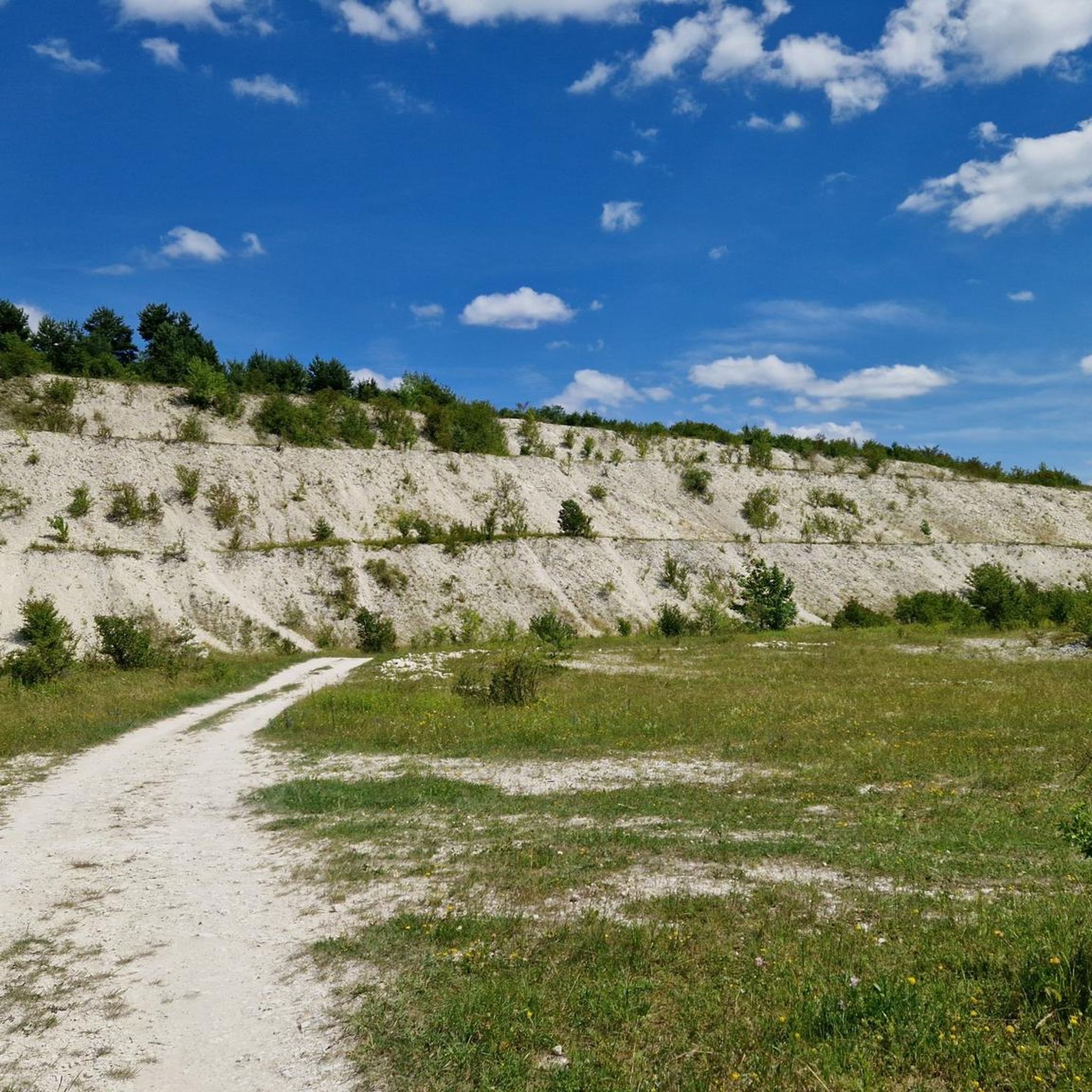
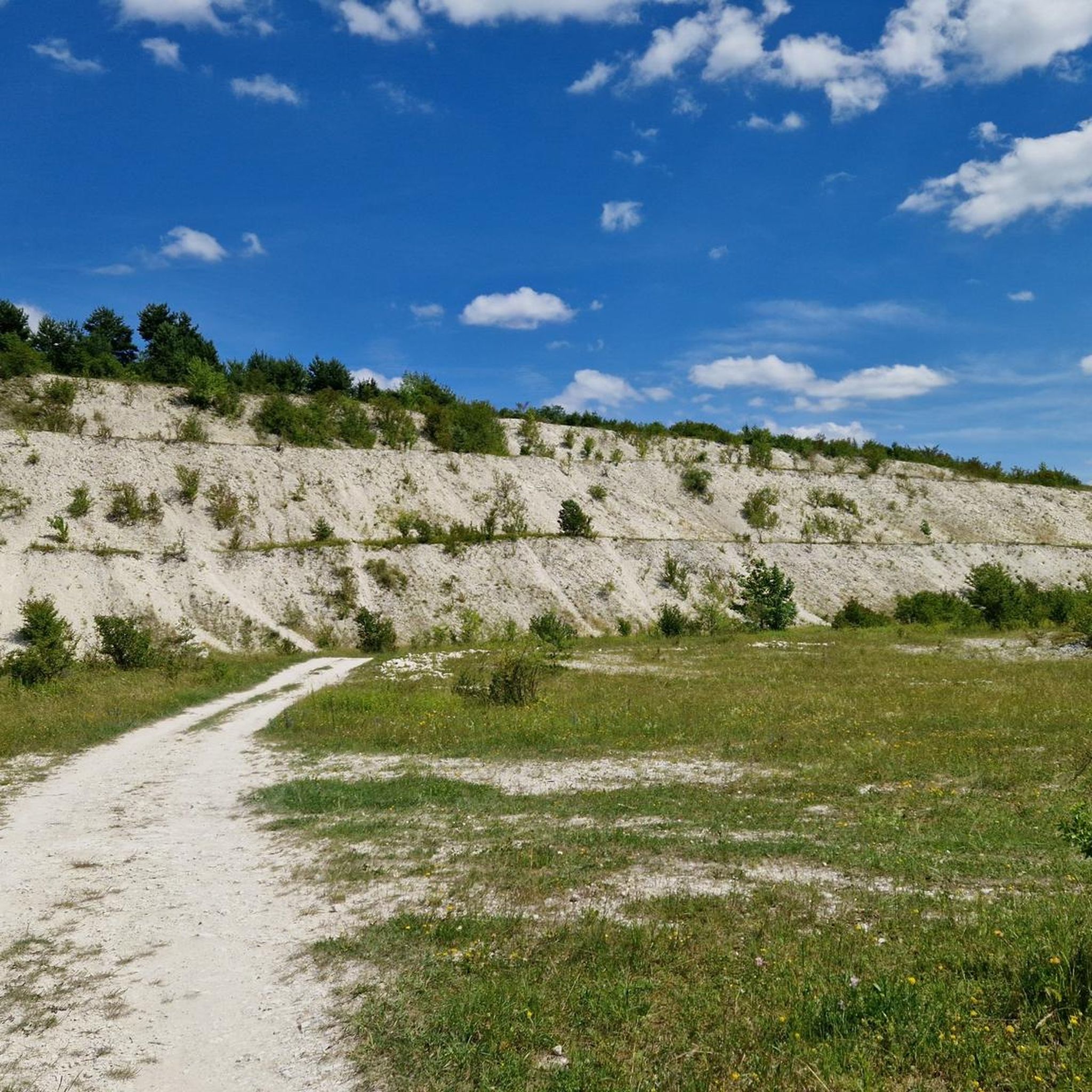
Entrance to the area is only through the main gate, gates everywhere are closed and it is not possible to drive through.
0
0
Watermill on Urzędowianka in Bęczyn (Urzetów commune) A place like from a movie "In Bęczyn, in 1912, Paweł Chęciński built a watermill. In 1922, the mill was taken over by Zygmunt Chęciński, Paweł's son, who in 1925 installed a turbine instead of the inefficient water wheel. In order to increase the processing power, in 1943 electricity was brought from Urzędów and an electric motor was used. The mill was well equipped, it had: a whole wheat flour mill, two pairs of rollers, a żuber, a perlak, a millet mill and a groats mill for making buckwheat. There was a flat for the miller next to the mill. The millers included Ignacy Krzykacz, Jan Płachta, Pikuła. In 1956, the mill was nationalized and transferred to the District Enterprise of Economic Mills in Kraśnik, which transferred it to the Commune National Council in Urzędów. The operation of the mill for the GRN was troublesome, so the mill was transferred to the Commune Cooperative of the Peasant Self-Help Union in Urzędów. When the demand for milling services decreased and the operation of the mill was unprofitable, GS leased the facility to Aleksander Kaspruś from Dzierzkowice, who after a few years of use gave up running the business due to the low demand for services. Over the last 50 years, the millers were employees of the commune and then GS, at various times the following worked in the mill: Łukasz Pac, Tadeusz Tarkowski, Ludwik Matysiak, Stanisław Matysiak, Jacek Jurak, Aleksander Kaspruś. Currently, the owner of the inactive mill is the Commune Office in Urzędów, the facility is cared for by the family of the former owner.” Source: Zdzisław Latos "Pottery and other types of crafts and trade in Urzędów from the 16th to the 20th century"
1
0
A nice, picturesque place, but bicycle entry is only through 1 gate, the rest is closed.
0
0

The Kleniewski Palace in Kluczkowice is currently the seat of the Regional Museum. The museum is open from Monday to Friday from 8 a.m. to 3 p.m., on Sunday from 1 p.m. to 8 p.m. (only in July and August). Please confirm by phone whether it is open on a given day, as it is located in a very small town. The palace was built in the 19th century and in 1871 it was purchased by Franciszek Kleniewski and his sons Władysław and Jan. It is worth visiting both the palace and the surrounding park with ponds.
3
0

Currently a regional museum and school
0
0

One of the oldest parishes in the diocese. Its origins go back to the 12th century. In 1221 Duke Leszek the White donated the village to the monastery in Sulejów. In the 15th century the bishop of Kraków had his estate here and he had the right to found the parish. By the end of the 19th century, the commune included the territory of the commune of Annopol and a village beyond the Vistula. In addition, it was equipped with farmland and meadows. In addition to the pastor, there were 1 or 2 vicars in the parish and in the 18th century there was also a bailiff. A hospital is mentioned in the 18th century and the library held several works. In religious life there were brotherhoods that prayed the rosary, among other things. The archive contains, among other things, records of baptisms, marriages and deaths since 1811 (translated from Wikipedia).
2
0
The project "Kazimierz Dolny and Selected Historical Complexes of the Powisle Lubelskie Region - Renovation and Monument Protection" includes the renovation of valuable sacral buildings of national importance concentrated around Kazimierz Dolny.
2
0
Frequently Asked Questions
What historical sites can I explore in gmina Józefów nad Wisłą?
The region is rich in history. You can visit the significant Former Bernardine Monastery Complex in Józefów nad Wisłą, the Church Complex in Rybitwy, and the Bojarski Family Grave Chapel in Prawno, all under strict conservation. Don't miss the Kleniewski Palace, which now houses the Regional Museum, offering insights into the area's past. The historic urban layout of Józefów itself, with its chessboard market square, also provides a glimpse into earlier times.
Are there any natural attractions or scenic areas to visit?
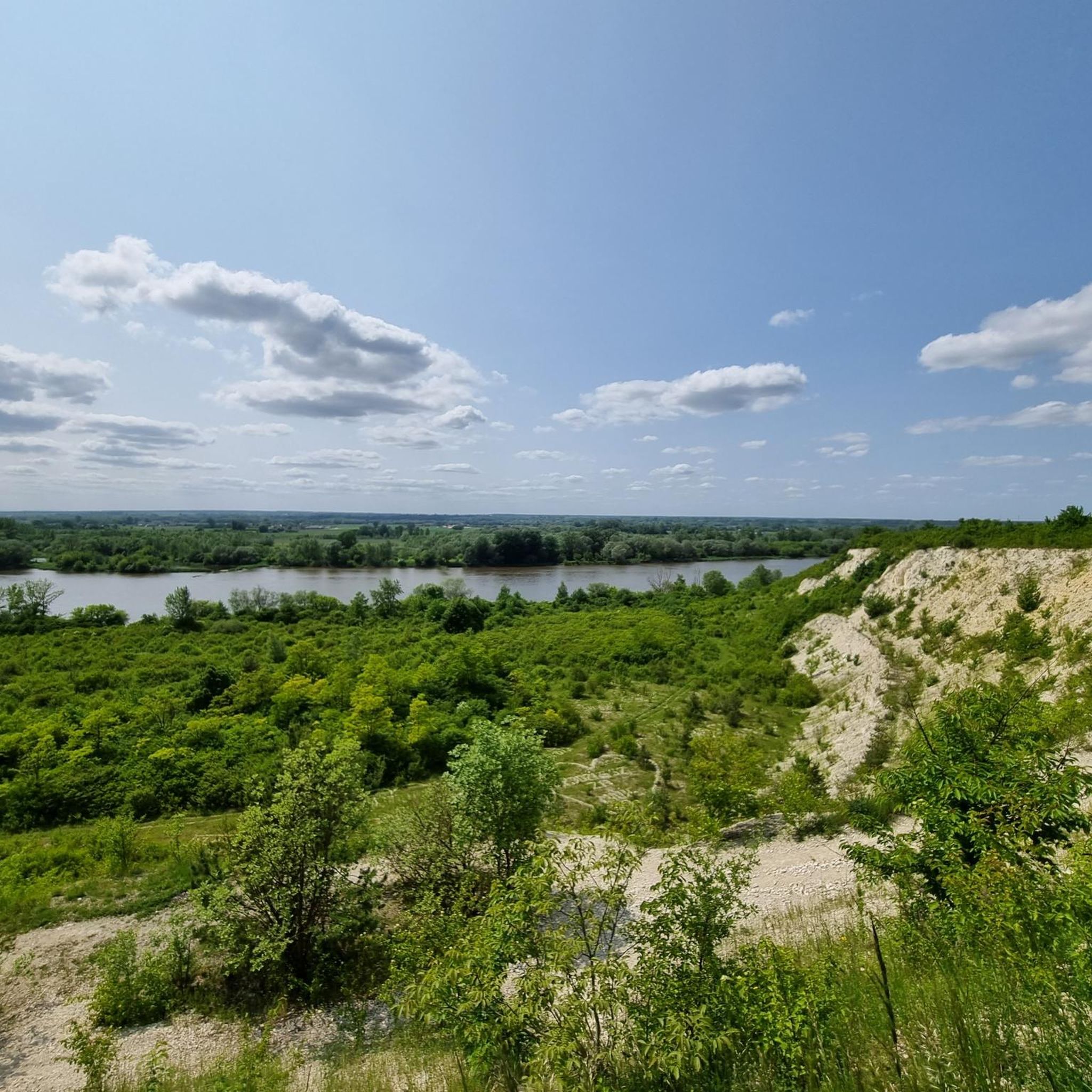
Absolutely. The western part of gmina Józefów nad Wisłą borders the Vistula River, forming part of the picturesque Vistula Gorge landscape, ideal for scenic views and outdoor activities. You can also explore the "Złota Góra" Nature Trail in Chruślina, a 4 km red-marked circular route winding through unique loess gorges on the slope of the Podlipie River valley. The harmonious agricultural landscape, characterized by extensive orchards, also offers beautiful vistas.
What kind of outdoor activities are available in the region?
The Vistula Gorge landscape provides excellent opportunities for hiking, cycling, and even kayaking. For cyclists, there are numerous routes, including easy to moderate road cycling loops like the "Roadbike loop from Wyżnianka-Kolonia" or the "Chapel of St. Dorothy – Vistula Artistic Trail loop from Kamień". Mountain biking enthusiasts can explore trails such as the "Mountainbike loop from Wyżnianka-Kolonia" or the "Wooden Bridge Over Ravine Path loop from Wyżnianka-Kolonia". You can find more details on these routes in the road cycling, MTB, and general cycling guides for the area.
Are there specific hiking trails I can explore?
Yes, a notable option is the "Złota Góra" Nature Trail in Chruślina. This red-marked circular trail, approximately 4 km long, takes you through distinctive loess gorges. The Vistula Gorge area also offers various paths suitable for hiking, allowing you to enjoy the natural beauty of the river landscape.
What religious sites of historical importance can I visit?
The gmina features several significant religious buildings. The Saint Margaret and Saint Nicholas Church in Swieciechow has origins dating back to the 12th century, making it one of the oldest parishes in the diocese. Another important site is the Sanctuary of St. Stanislaus the Martyr in Piotrawin. Additionally, dozens of roadside chapels and crosses throughout the gmina commemorate historical events.
Can I find family-friendly attractions in gmina Józefów nad Wisłą?
Yes, the region offers attractions suitable for families. The World War I Cemetery in Wyznica is considered family-friendly and provides an educational stop with information boards. Exploring the natural landscapes, such as the Vistula River banks or the "Złota Góra" Nature Trail, can also be a rewarding family activity, offering gentle walks and opportunities to connect with nature.
What is the historical significance of Józefów nad Wisłą itself?
The town of Józefów nad Wisłą boasts a well-preserved historic urban layout. Its market square retains a chessboard pattern with back streets and exit roads that were once ancient routes. You can still observe masonry buildings from the interwar period in the market square and along main streets, reflecting its rich past as a former town.
Are there any unique historical monuments or structures?
Beyond the main historical complexes, you can find unique structures like the Watermill on the Urzędowianka in Bęczyn, originally built in 1912 and later adapted with a turbine and electric motor. Although in a ruined state, a Dutch-type windmill from the second half of the 18th century also exists in Józefów, offering a glimpse into the region's industrial heritage.
What is the best time of year to visit gmina Józefów nad Wisłą for outdoor activities?
The region's natural beauty, especially the Vistula River landscape and orchards, is particularly appealing during spring and summer when the foliage is lush and the weather is pleasant for hiking, cycling, and kayaking. Autumn also offers beautiful scenery with changing leaf colors. While specific visitor tips are not available, generally, the warmer months are best for enjoying outdoor pursuits.
Where can I learn more about the local history and heritage?
The Kleniewski Palace, now home to the Regional Museum, is an excellent place to delve deeper into the local history. It houses collections and exhibits that tell the story of the region and its notable families. The museum is typically open Monday to Friday, with limited Sunday hours in July and August, so it's advisable to confirm opening times by phone.
Are there any archaeological sites in the gmina?
Yes, gmina Józefów nad Wisłą is home to a significant number of archaeological sites. There are 120 identified sites, with 65 registered, providing evidence of prehistoric and early medieval settlements. Early medieval settlements (up to the 13th century) are concentrated in areas such as Chruślina, Niesiołowice, Rybitwy, Kaliszany, Kaliszany Kolonia, Basonia, and Spławy, indicating a long history of human habitation in the area.
What makes the agricultural landscape of gmina Józefów nad Wisłą unique?
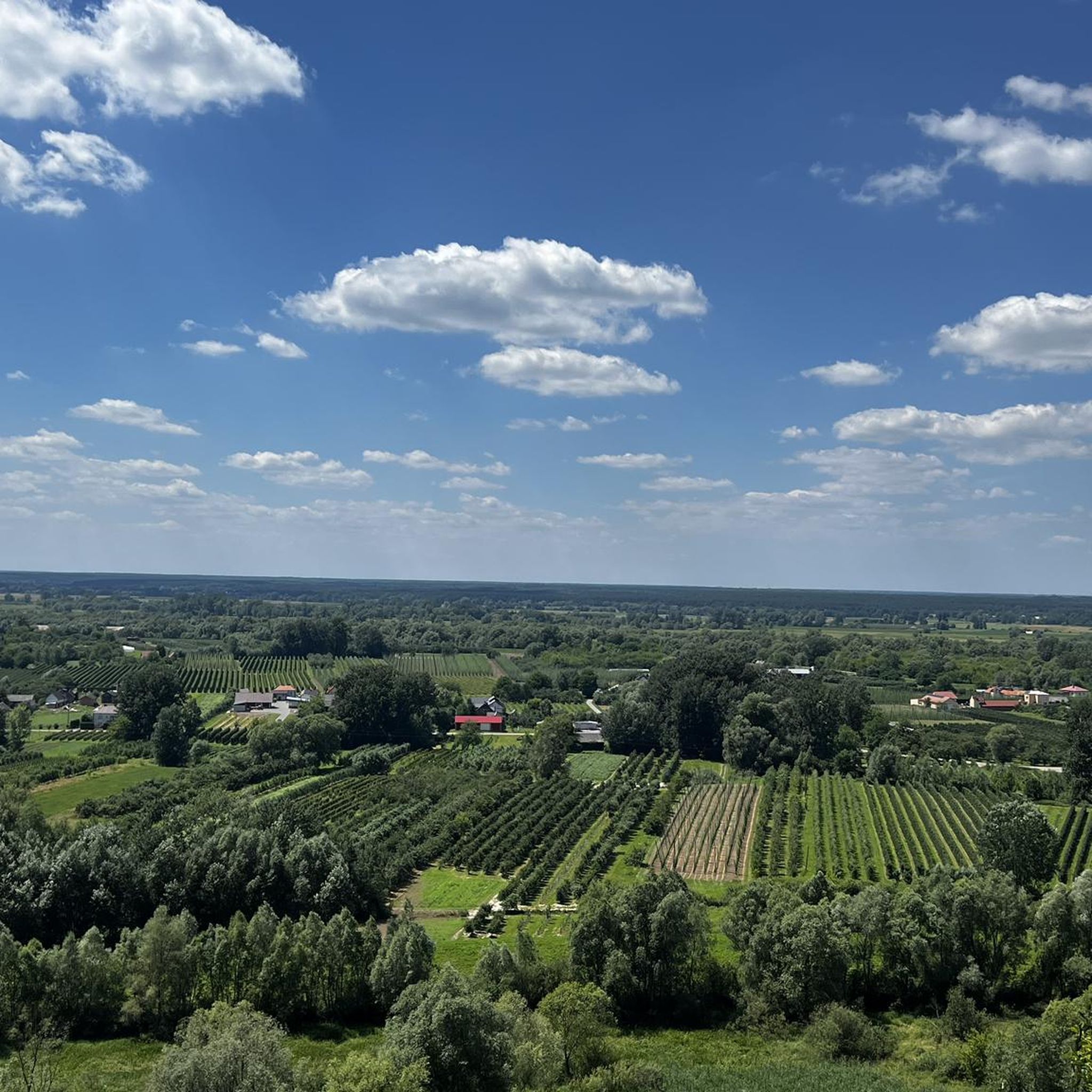
The gmina is characterized by a harmonious agricultural landscape, predominantly featuring field and garden crops that cover hilltops, slopes, and valley sides. It is particularly known for its extensive orchards, which contribute significantly to the region's scenic beauty and local economy. This blend of cultivated land and natural features creates a distinctive and picturesque environment.

Get inspired with the komoot mobile app


Explore more
Still not found the Highlight you’re looking for? See guides of the top attractions in other regions:
