Attractions and Places To See around Krasnystaw - Top 18
Best attractions and places to see around Krasnystaw include a variety of historical sites, cultural venues, and natural features. Located in Poland's Lublin Voivodeship, the town offers landmarks that blend historical significance with natural beauty. Visitors can explore notable sites and immerse themselves in the region's diverse landscape. The area provides opportunities to discover both man-made monuments and protected natural areas.
Best attractions and places to see around Krasnystaw
- The most popular attractions is St. Francis Xavier Church in Krasnystaw…
Last updated: July 15, 2026
St. Francis Xavier Church in Krasnystaw
Highlight • Religious Site
Translated by Google •
Tip by

Wodny Dół Nature Reserve
Highlight • Gorge
Translated by Google •
Tip by

Sign up now to discover places like this
Get recommendations on the best single tracks, peaks, & plenty of other exciting outdoor places.
Sign up for free
Gravel Path Along the Wieprz and Żółkiewka Rivers
Highlight (Segment) • Trail
Translated by Google •
Tip by
Stanisław Bojarczuk Monument
Highlight • Monument
Translated by Google •
Tip by
Regional Museum in Krasnystaw
Highlight • Historical Site
muzeumkrasnystaw.pl/o-muzeum/awodiba-muzeum.html
Translated by Google •
Tip by

Sign up for free to discover even more attractions around Krasnystaw.
Sign up for free
Already have an account?
Start today with a free account
Your next adventure awaits.
Login or Signup


Tips from the Community

The gravel road running along the Wieprz and Żółkiewka rivers in Krasnystaw is a picturesque 2-kilometer route, ideal for cyclists looking for peaceful routes close to nature. The route leads through charming riverside areas, where you can admire meadows and oxbow lakes, and with a bit of luck, water birds. The gravel surface is suitable for bikes with slightly wider tires due to loose stones in places. About halfway along the route, you will see the place where the Żółkiewka flows into the Wieprz.
3
0

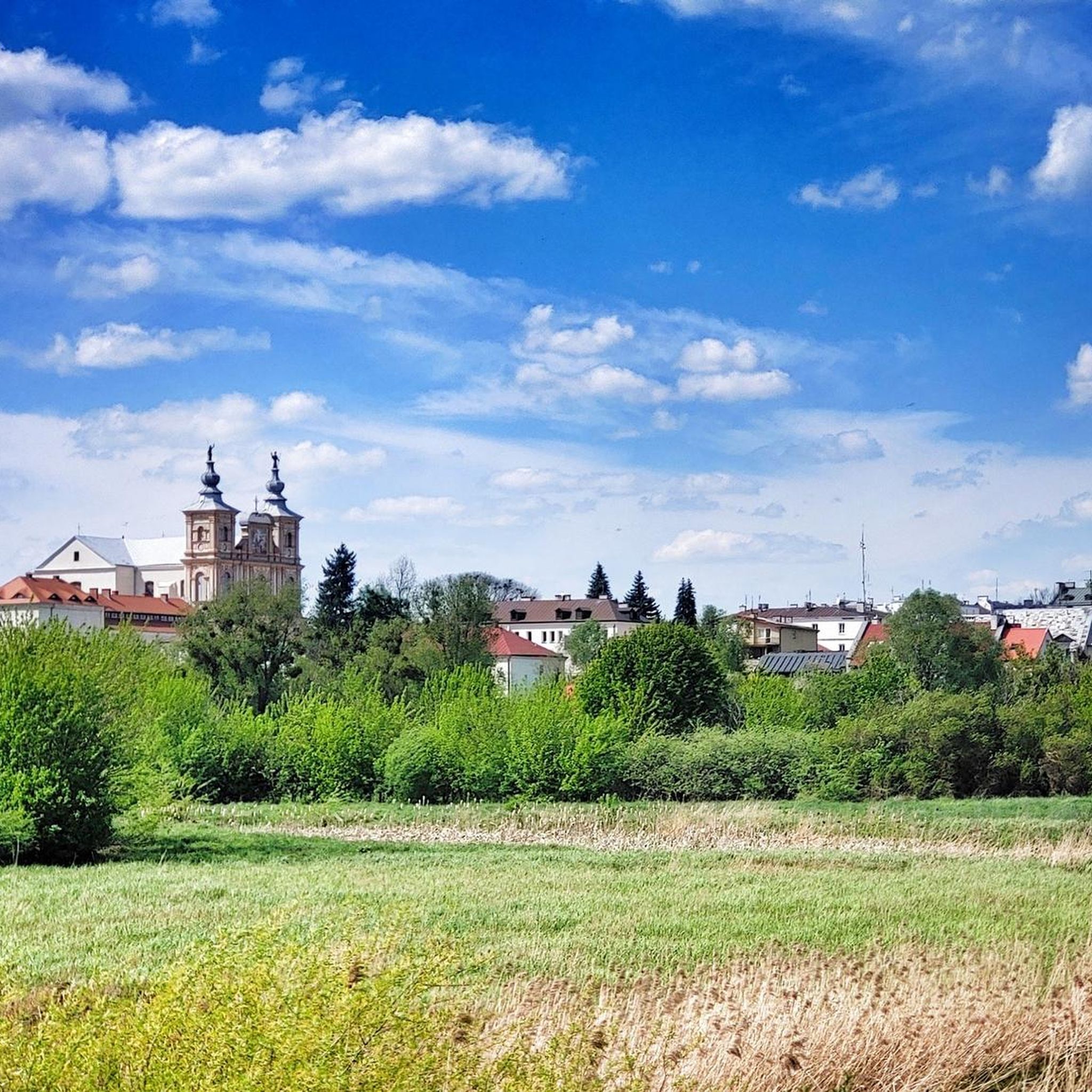
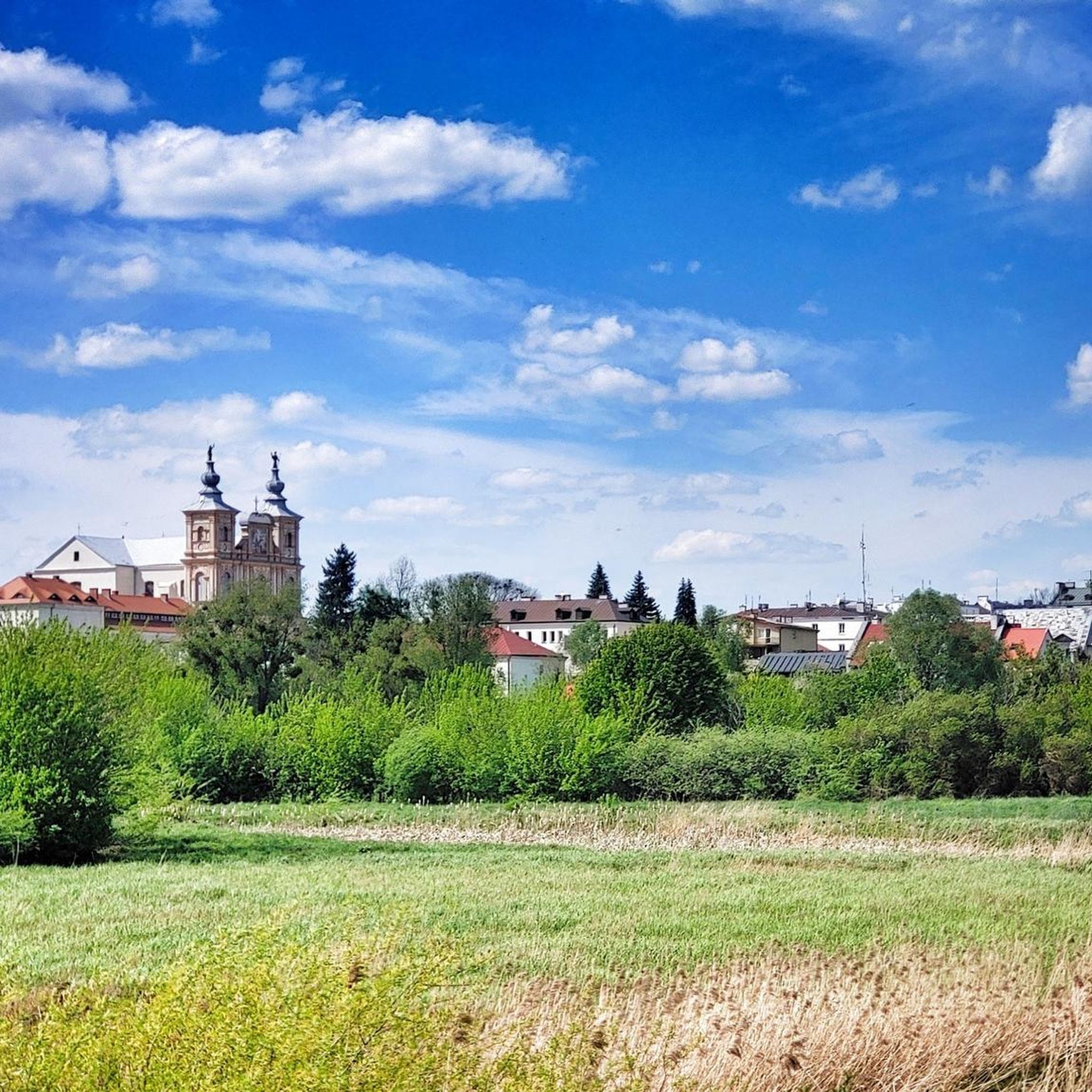
Church of St. Francis Xavier in Krasnystaw.
0
0
A route with a nice surface, a nice view of the river from the embankment over the Wieprz.
0
0
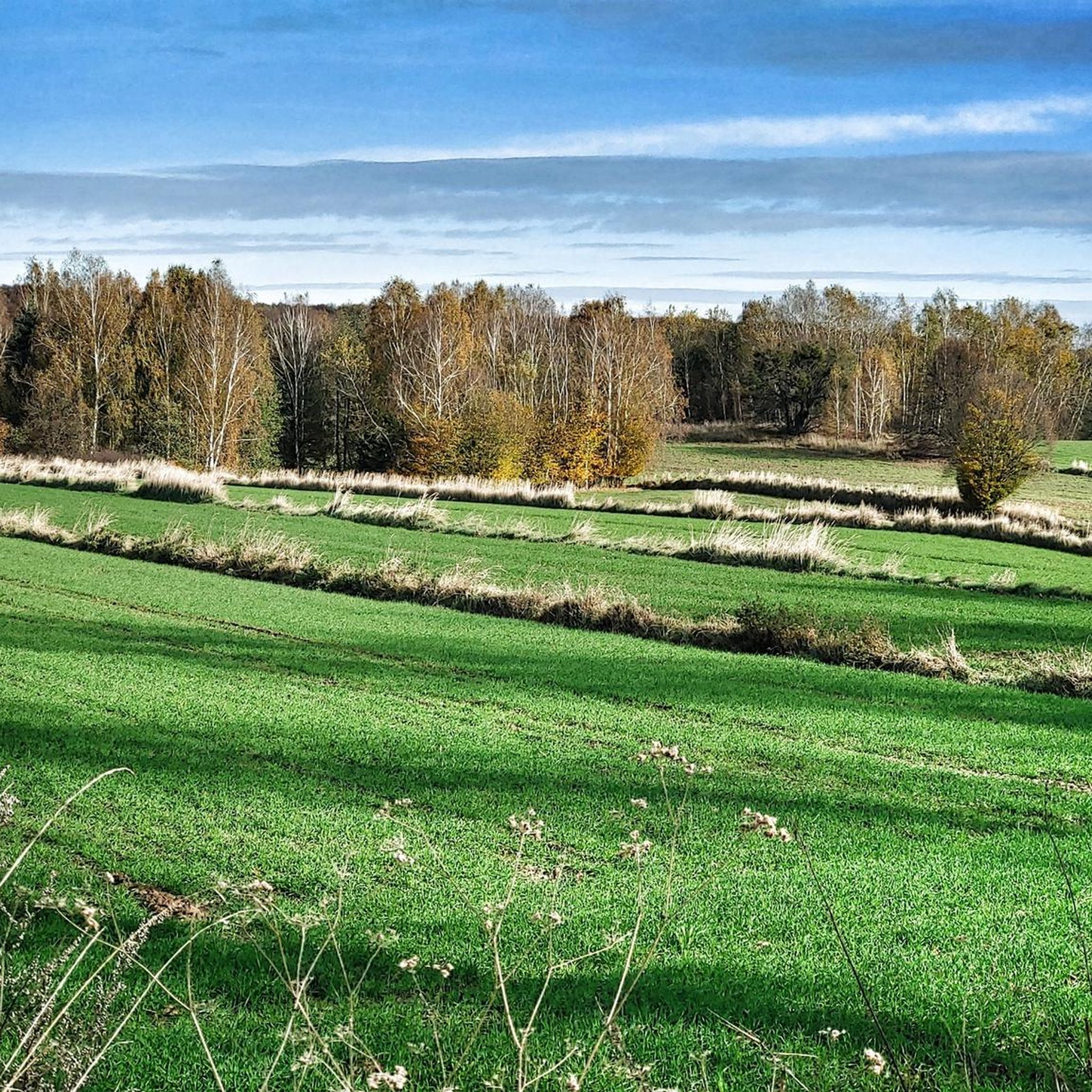
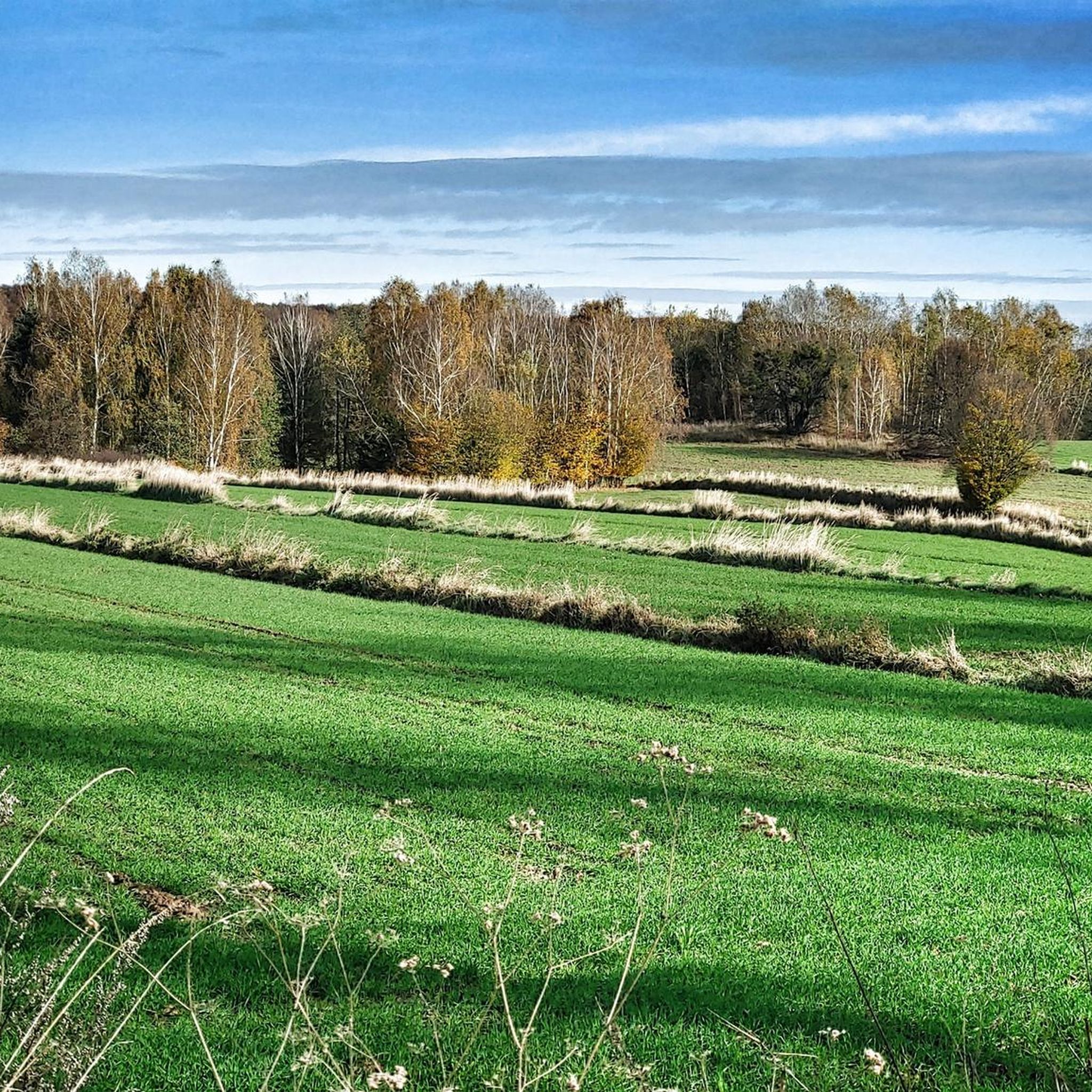
The Wodny Dół nature reserve is located in the Krasnystaw commune, in the Lublin Voivodeship. It was established in 1995 to protect the special landscape of the Giełczewska Heights, including picturesque erosion cuts covered with forest with rare and protected plants. In addition to the beautiful, dense forest, we will also see deep gorges that cannot be envied by those in Kazimierz. In addition, they are less known, so you won't encounter crowds here. A place really worth recommending. At the tourist shelter on the Jaślikowo side there is a map with designated routes and information boards.
3
0

Krasnystaw. Church of St. Francis Ksawery designed by Jan Delamars, built at the turn of the 17th and 18th centuries. Recently, during renovation works, rich decorations on the front façade were discovered. The polychromes were uncovered and restored.
0
0

Monument to the poet Stanisław Bojarczuk in Krasnystaw (the author of about a thousand sonnets, called the Polish Petrarch, was born in the village of Krakowskie Przedmieście - today it is one of the streets of Krasnystaw).
0
0
Church of St. Franciszek Ksawery in Krasnystaw, It was built in the years 1695-1717 as a temple of the Jesuit order (the founder was Krystyna Potocka née Lubomirska)
1
0

The building stands out from the low-rise buildings in the city.
0
1
Frequently Asked Questions
What natural attractions can I explore around Krasnystaw?
You can discover several natural features, including the Wodny Dół Nature Reserve, which protects the unique landscape of the Giełczewska Heights with picturesque erosion cuts and deep gorges. Another option is the Gravel Path Along the Wieprz and Żółkiewka Rivers, a scenic 2-kilometer route ideal for enjoying riverside views, meadows, and oxbow lakes. The unique natural attraction known as the 'Kneeling Tree' (Klęczące Drzewo) is also listed among the points of interest in the region.
Are there historical sites to visit in Krasnystaw?
Yes, Krasnystaw is rich in history. You can visit the majestic Baroque St. Francis Xavier Church, built between 1695 and 1717, known for its restored decorations and polychromes. The Old Town of Krasnystaw retains its medieval layout, and you can explore the Stanisław Bojarczuk Monument. Other significant historical sites include the Former Augustinian Ensemble with its Gothic defensive style church, and the Ruins of the 19th-Century Palace in Skierbieszowski Landscape Park.
What cultural experiences does Krasnystaw offer?
Krasnystaw provides several cultural attractions. The Regional Museum, housed in the former Jesuit college, showcases the region's history and culture, including renovated underground areas and rococo frescoes. The Krasnystaw Community Centre (KDK) offers a modern auditorium for films, theater, and concerts, and organizes events like the 'Chmielaki Krasnostawskie' hop and beer festival. You can also visit the Biblical Garden of St. John Paul II.
Are there family-friendly activities or attractions in Krasnystaw?
Many attractions in Krasnystaw can be enjoyed by families. The St. Francis Xavier Church and the Stanisław Bojarczuk Monument are accessible and offer educational value. For outdoor fun, the Gravel Path Along the Wieprz and Żółkiewka Rivers is suitable for family cycling. The Regional Museum and the Krasnystaw Community Centre also offer engaging experiences for various age groups.
What cycling routes are available near Krasnystaw's attractions?
For cyclists, the Gravel Path Along the Wieprz and Żółkiewka Rivers is a picturesque 2-kilometer route. Beyond this, you can find numerous routes for different cycling styles. For gravel biking, explore options like the 'Stanisław Bojarczuk Monument – Krasnystaw Town Hall loop' or the 'Springs in Kryniczki loop'. If you prefer general cycling, consider routes such as the 'View of Krasnystaw – Stanisław Bojarczuk Monument loop'. More details on these routes can be found in the Cycling around Krasnystaw guide and the Gravel biking around Krasnystaw guide.
Can I go hiking or running near Krasnystaw's points of interest?
Yes, the area around Krasnystaw offers opportunities for hiking and running. The Wodny Dół Nature Reserve features deep gorges and forests, perfect for exploring on foot. For dedicated running, you can find various trails, including loops from Krasnystaw such as the '3 Maja Square loop' or shorter options like the 'Running loop from Osiedle Cukrowni'. For more detailed running routes, refer to the Running Trails around Krasnystaw guide.
What is the best time of year to visit Krasnystaw for sightseeing?
Krasnystaw offers attractions year-round, but the best time for sightseeing and outdoor activities is generally from spring to early autumn (April to October). During these months, the weather is more favorable for exploring historical sites, enjoying nature reserves, and participating in cycling or running routes. The 'Chmielaki Krasnostawskie' hop and beer festival typically takes place in late summer, offering a unique cultural experience.
Are there any ruins or ancient structures to explore?
Yes, you can explore the Ruins of the 19th-Century Palace in Skierbieszowski Landscape Park, which was once a Neo-Gothic palace. Additionally, the impressive Ruins of Krupe Castle, considered one of the largest castles in Poland east of the Vistula, has been in ruins since the 18th century and offers a glimpse into the region's past.
What do visitors enjoy most about the attractions around Krasnystaw?
Visitors appreciate the blend of historical significance and natural beauty. The St. Francis Xavier Church is admired for its beautiful 18th-century architecture and restored decorations. The Wodny Dół Nature Reserve is praised for its beautiful, dense forests and deep gorges, offering a less crowded natural escape. The Gravel Path Along the Wieprz and Żółkiewka Rivers is popular for its peaceful riverside views and suitability for cyclists.
Where can I find information about the history of Krasnystaw?
The Regional Museum in Krasnystaw is an excellent resource for local history. Housed in the former Jesuit college, its exhibition halls delve into the region's past and culture. You can also learn about the Old Town's establishment under Magdeburg law in 1394 and the history of significant buildings like the Krasnystaw Town Hall and the Former Augustinian Ensemble.
Are there any viewpoints or scenic spots in the area?
The Gravel Path Along the Wieprz and Żółkiewka Rivers offers charming views of riverside areas, meadows, and oxbow lakes. The Wodny Dół Nature Reserve, with its unique landscape of the Giełczewska Heights and deep gorges, provides picturesque scenery. Additionally, the Market Square and Plac 3 Maja in the town center are noted for their preserved trees and pleasant atmosphere.
Is Krasnystaw accessible by public transport to its main attractions?
While specific public transport routes to every single attraction may vary, Krasnystaw itself has a town center that is walkable, allowing access to sites like the Town Hall, Market Square, and the St. Francis Xavier Church. For natural reserves or more remote historical ruins, personal transport or local taxi services might be more convenient. It's advisable to check local transport schedules upon arrival for the most up-to-date information.
Most popular routes around Krasnystaw

Get inspired with the komoot mobile app


Explore more
Still not found the Highlight you’re looking for? See guides of the top attractions in other regions:
