Attractions and Places To See around Piszczac - Top 18
Best attractions and places to see around Piszczac include a variety of historical, cultural, and natural sites. This historic settlement in eastern Poland features notable religious sites, historical landmarks, and a museum. The area also offers natural landscapes such as the Krzna River and surrounding forests, providing diverse points of interest for visitors.
Best attractions and places to see around Piszczac
- The most popular attractions is Church of St. Nikita the Martyr in Kostomłoty, a religious building that serves…
Last updated: July 16, 2026
Church of St. Nikita the Martyr in Kostomłoty
Highlight • Religious Site
Translated by Google •
Tip by

Cafeteria at the Oblates
Highlight • Restaurant
Translated by Google •
Tip by

Sign up now to discover places like this
Get recommendations on the best single tracks, peaks, & plenty of other exciting outdoor places.
Sign up for free
St. Anne's Basilica in Kodeń
Highlight • Religious Site
Considered one of the most beautiful churches in Poland.
The first church st. …
Translated by Google •
Tip by

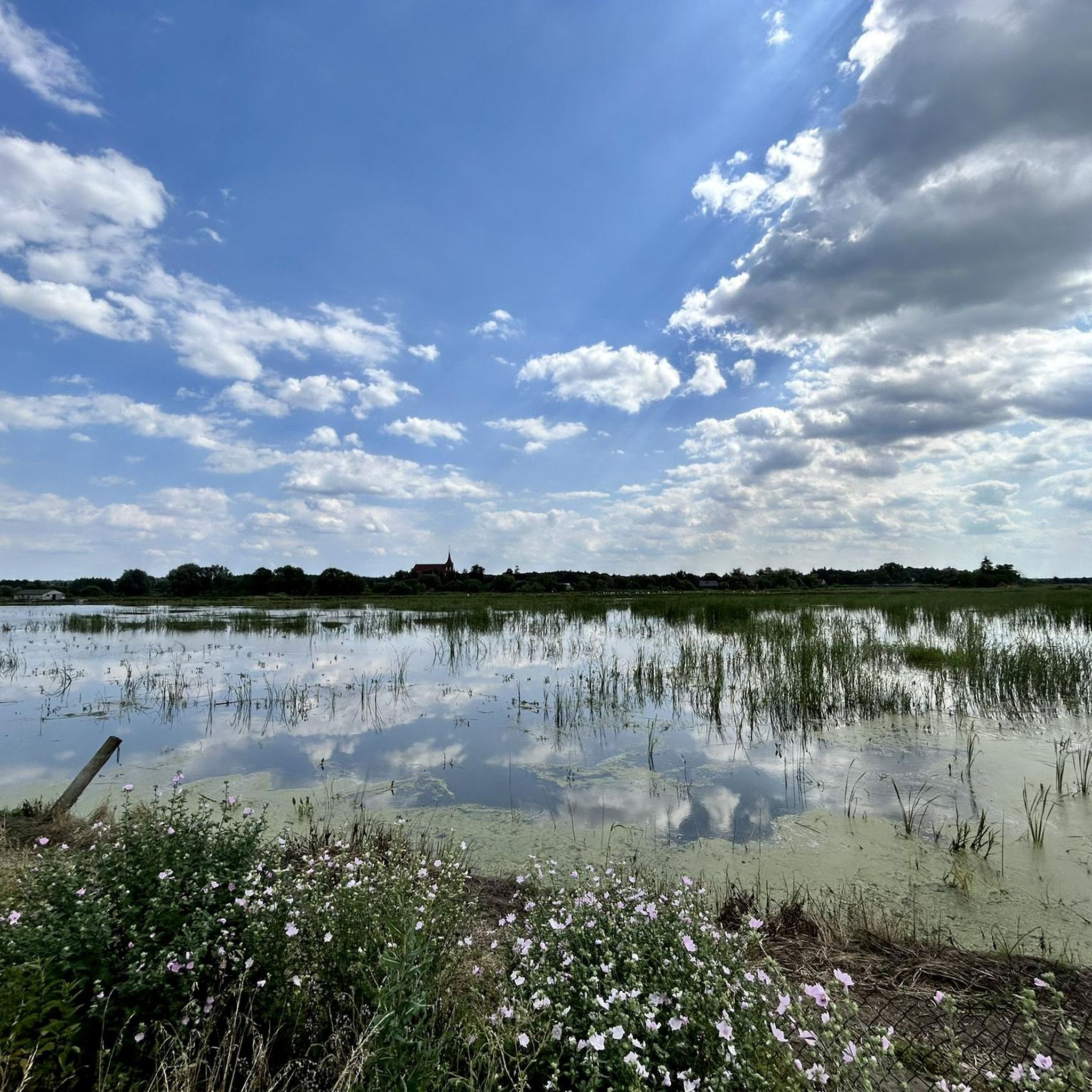
Krzna River
Highlight • River
Translated by Google •
Tip by
Sanctuary of Our Lady of Kodeńska
Highlight • Religious Site
Translated by Google •
Tip by
Sign up for free to discover even more attractions around Piszczac.
Sign up for free
Already have an account?
Start today with a free account
Your next adventure awaits.
Login or Signup
Popular around Piszczac

Tips from the Community

If anyone would like to hear about the history of the miraculous painting that came to Kodeń from Rome, stolen by its healed owner, Kodeń, at 10:00 a.m. from May 1st to October 31st in the basilica one of the clergy will talk about the history of the Sanctuary.
0
0
We visited Jadłodajnia on Sunday around noon. Mass had just ended at the church, and a group of people from the church went straight to the Jadłodajnia. It's best to avoid such moments, as they make the checkout line longer. I ordered tripe and pork tenderloin in chanterelle sauce with buckwheat groats and salad, asking for a larger portion. The price depends on the weight of the dish; it cost a little over 40 złoty, which, in my opinion, wasn't much considering the portion size. Very tasty, I recommend it. See the photo.
2
0

the Eucharist was celebrated as before. I felt at home. I recommend this place because during the prayer I felt like time had gone back.
1
0

The Krzna River, a sub-tributary of the Vistula, is 120 kilometers long. It joins the Belarusian border, not far from Brest.
0
0
This shrine is a pilgrimage for a significant number of members of the religious community of Catholics of the Byzantine-Slavic rite. It was in 1631 that this Uniate temple housing the historic icon of the patron saint Nikita was erected. Near the sanctuary, an ecumenical center conducts retreats dedicated to the faithful from different fractions of Christianity.
2
0

The eatery operates in a self-service system, serving excellent dumplings. The portions are very large.
2
0
At the sanctuary in Kodeń, there is a "Eater at the Oblates". It offers a full range of restaurants as well as the possibility of catering. It is possible to plan and organize special events (menu determined individually). The property has several rooms.
2
0
The Roman Catholic parish was established in 1518. Construction of the wooden parish church of the Holy Spirit of the Latin Rite was begun by Jan Sapieha in 1519 and completed by his son Paweł. This church served as a hospital church from 1628. The wooden church of St. Anne was built in the market square in Kodeń by Mikołaj I Sapieha before 1595. This church burned down in 1680. Between 1629 and 1635, thanks to the efforts of Mikołaj Sapieha, known as the Pious, the current basilica was built. As a result of a fire at the wooden church of St. Anne in 1680, the basilica suffered serious damage – a burnt roof and other damage. Thanks to the efforts of Kazimierz Sapieha, the basilica was renovated and consecrated in 1686, and a cemetery chapel dedicated to St. Anne was built. Lawrence between 1683 and 1685. The church's unique character is given by its Baroque, screen-like façade, begun by Kazimierz Sapieha and completed by Jan Fryderyk Sapieha. Sapieha contributed to the establishment of an infusion in Kodeń in 1709, and thanks to his efforts, the coronation with papal crowns took place in 1723. Following the January Uprising in 1863, the tsarist government confiscated the property of the Kodeń parish in 1865. It removed the priests working there, with the exception of the mitrated priest, Tytus Zegarek. Ten years later, he was arrested and imprisoned in the Brest Fortress, and then deported deep into Russia. The Churches of St. Anne, the Holy Spirit, and St. Lawrence were transferred to the Orthodox Church on April 6, 1875. That same year, the Orthodox deprived the Church of St. Lawrence of its original adornment. Anna's furnishings were removed, and the shape of the church's towers was changed to Orthodox domes. It's worth noting that Kodeń lost its town privileges in 1869. https://www.komoot.com/tour/1250883913/annotate/highlights/create
2
0
Frequently Asked Questions
What historical and cultural sites can I visit in Piszczac?
Piszczac and its surroundings offer several notable historical and cultural sites. You can explore the Church of the Exaltation of the Holy Cross in Piszczac, a 19th-century neo-Gothic church, and the adjacent Historic Parish Cemetery. The town also retains its traditional urban layout with a market square. Further afield, visit the significant pilgrimage site of Church of St. Nikita the Martyr in Kostomłoty, or the beautiful St. Anne's Basilica in Kodeń, home to the revered image of Our Lady of Kodeń.
Are there any significant religious sites around Piszczac?
Yes, the region is rich in religious heritage. The Church of St. Nikita the Martyr in Kostomłoty is a key pilgrimage site for Catholics of the Byzantine-Slavic rite, housing a historic icon and featuring an ecumenical center. Another must-see is St. Anne's Basilica in Kodeń, built between 1620 and 1636, known for its architectural beauty and the miraculous image of Our Lady of Kodeń.
What natural attractions can I explore near Piszczac?
For nature lovers, the Krzna River is a prominent feature. This 120-kilometer long sub-tributary of the Vistula flows near the Belarusian border and offers opportunities for relaxation and walks along its banks and through the surrounding forests.
Are there family-friendly attractions in the Piszczac area?
Many attractions around Piszczac are suitable for families. Historical sites like the Church of St. Nikita the Martyr in Kostomłoty and St. Anne's Basilica in Kodeń offer cultural insights. The Prochownia Terespol Museum provides engaging exhibitions on history and ethnography. Additionally, the Krzna River and its forests are great for family walks and enjoying nature.
What outdoor activities, like hiking or cycling, are available near Piszczac?
The Piszczac area offers various outdoor activities. You can find numerous routes for running and cycling. For running, explore options like the 'Running loop from Kolonia Biała' or 'Fontanna "Dry Plaza" loop from Piszczac'. Cyclists can enjoy routes such as the 'Graffiti Underpass loop from Kosmet-Hurt' or 'Forest Singletrack – Mural of a Historical Figure loop from Sidorska 8'. You can find detailed guides for these activities at Running Trails around Piszczac and Cycling around Piszczac.
Where can I find a museum near Piszczac?
The Prochownia Terespol Museum is located in a former powder magazine built in 1913 as part of the Brest Fortress. It features diverse exhibitions covering topics such as the Polish Legions, the May 3rd Constitution, railway history, ethnography, military history, aviation, and craftsmanship.
What is the best time of year to visit Piszczac for outdoor activities?
While specific seasonal data isn't provided, the Krzna River and surrounding forests suggest that spring, summer, and early autumn would be ideal for walks, cycling, and enjoying the natural landscapes. These seasons typically offer pleasant weather for outdoor exploration.
Are there places to eat or relax near the attractions?
Yes, for dining and relaxation, consider visiting the Cafeteria at the Oblates near the sanctuary in Kodeń. It operates as a self-service restaurant offering a variety of dishes, including excellent dumplings, and can also cater for special events.
What makes the Church of St. Nikita the Martyr in Kostomłoty unique?
The Church of St. Nikita the Martyr in Kostomłoty is unique as it is a significant pilgrimage site for Catholics of the Byzantine-Slavic rite, and for a long time, it was the only parish in Poland for the Neo-Uniate Church. Built in 1631, it houses a historic icon of its patron saint and hosts an ecumenical center for various Christian denominations.
What kind of exhibitions does the Prochownia Terespol Museum offer?
The Prochownia Terespol Museum offers a range of exhibitions including displays on the Polish Legions, the May 3rd Constitution, the history of the Warsaw-Terespol Railway, ethnography, military history, aviation, and craftsmanship. It also features unique items like a replica of a Nordenfelt 57mm caponier fortress cannon.
Are there any easy walking routes suitable for families around Piszczac?
Yes, the area around Piszczac offers easy walking opportunities, particularly along the Krzna River and through its surrounding forests. These natural settings provide gentle paths suitable for family strolls. For more structured routes, you can explore the 'Running Trails around Piszczac' guide, which includes routes of varying difficulties, some of which are suitable for walking.
Can I bring my dog to outdoor areas and trails near Piszczac?
While specific regulations for dogs at individual attractions are not detailed, generally, natural areas like the Krzna River and its surrounding forests are often dog-friendly for walks, provided dogs are kept under control. When visiting religious sites or museums, it's advisable to check their specific policies regarding pets.
Most popular routes around Piszczac

Get inspired with the komoot mobile app


Explore more
Still not found the Highlight you’re looking for? See guides of the top attractions in other regions:
