Attractions and Places To See around Piotrków Trybunalski - Top 20
Best attractions and places to see around Piotrków Trybunalski include a variety of historical landmarks, cultural sites, and natural areas. This historic city in central Poland showcases its rich heritage through well-preserved architecture and significant monuments. The surrounding region features reservoirs and parks, providing opportunities for outdoor activities. Visitors can explore sites reflecting the city's past as a trading and political center.
Best attractions and places to see around Piotrków Trybunalski
- The most popular attractions is Cistercian Abbey Complex in Sulejów, a religious building that is one of the best-preserved Cistercian complexes in Poland. This monument of Romanesque architecture was entered on the list of Historic Monuments in 2012.
- Another must-see spot is Sulejów Reservoir, an artificially created water reservoir with an area of 27 km². Visitors can find sandy beaches and facilities for water equipment rentals, making it a popular recreational spot.
- Visitors also love Church of the Assumption of the Blessed Virgin Mary in Milejów, a historical religious building. This church has a long history, with its current brick structure consecrated in 1902, and features many epitaphs decorating its walls.
- Piotrków Trybunalski is known for its historical sites, religious architecture, and natural parks. The area offers a variety of attractions to see and explore, from ancient castles and churches to expansive reservoirs and green spaces.
- The attractions around Piotrków Trybunalski are appreciated by the komoot community, with 80 upvotes and 53 photos shared across 19 highlights.
Last updated: July 15, 2026
Cistercian Abbey Complex in Sulejów
Highlight • Religious Site
Translated by Google •
Tip by

Church of the Assumption of the Blessed Virgin Mary in Milejów
Highlight • Religious Site
Translated by Google •
Tip by

Sign up now to discover places like this
Get recommendations on the best single tracks, peaks, & plenty of other exciting outdoor places.
Sign up for free
Sulejów Reservoir
Highlight • Lake
Translated by Google •
Tip by

Słoneczko Beach
Highlight • Beach
The swimming area is marked and guarded by a team of lifeguards. It is also under the supervision of the sanitary inspection. A parking lot has also been prepared.
cit.piotrkow.pl/informacje-turystyczne-t43/sport-i-rekreacja-a59/kapielisko-sloneczko-r264
Translated by Google •
Tip by

St. Anne Cemetery Chapel and Cemetery in Wolbórz
Highlight • Religious Site
The main initiator and benefactor of the construction of the new brick church of St. Anne was Filip Łaski. In 1906, a new zinc roof was put on the chapel, and the interior was painted. In 1948, a resolution was passed recognizing the "Chapel of St. Anne in Wolbórz" as a historic monument.
The Social Committee for the Construction of Alleys at the parish cemetery in Wolbórz collects money for the renovation of the chapel, its sound system and the revitalization of the alleys. In recent years, it has led to the renovation of part of the collapsed cemetery wall.
The oldest tombstones in the cemetery date from the 19th century.
Translated by Google •
Tip by
Sign up for free to discover even more attractions around Piotrków Trybunalski.
Sign up for free
Already have an account?
Start today with a free account
Your next adventure awaits.
Login or Signup

Tips from the Community

It may not be the French Riviera or even a substitute for Polish Masuria. But as a park with a beach in the city. Quite an interesting development of the place.
0
0

Neo-Gothic, brick chapel, built in 1886–1887 on the site of an older wooden church. The parish priest at the time was Fr. Alojzy Gerlach, who obtained permission from the authorities to rebuild it – when he died in 1893, he was buried in St. Anne's Church. The main initiator and benefactor of the construction of the new brick church of St. Anne was Filip Łaski. In 1906, a new zinc roof was put on the chapel, and the interior was painted. In 1948, a resolution was passed recognizing the "Chapel of St. Anne in Wolbórz" as a historic monument. The Social Committee for the Construction of Alleys at the parish cemetery in Wolbórz collects money for the renovation of the chapel, its sound system and the revitalization of the alleys. In recent years, it has led to the renovation of part of the collapsed cemetery wall. The oldest tombstones in the cemetery date from the 19th century.
0
0
The Cistercian Abbey Monastery Complex in Sulejów – located in Podklasztorze (currently a district of Sulejów), one of the best-preserved Cistercian complexes in Poland, a monument of Romanesque architecture. On 22 October 2012, the building was entered on the list of Historic Monuments.
2
0
The distance of Milejów from Sulejów influenced the monks to decide to build a wooden church in Milejów, which was dedicated to Saint Joseph. Probably as a result of invasions and wars, this temple burned down. In 1468, another wooden church was built, dedicated to Saint Mary Magdalene, which by the decision of Pope Sixtus IV was transferred in 1482 to the pastoral care of the Norbertine Order from Witów. In 1743, the Witów abbey built a third church in Milejów, which it dedicated to the Holy Guardian Angels. This state of affairs lasted until 1819, when Tsar Alexander I abolished the Norbertine Order, taking over the landed estates for the state and entrusting the parish to the care of diocesan priests. Among the many epitaphs decorating the walls of the Milejów church, we find the one dedicated to Fr. Piotr Jankowski, who served as parish priest in the years 1890-1926. It was this priest who contributed to the establishment of the People's House, the Volunteer Fire Department and the current brick church in Milejów, which was consecrated in 1902 by Bishop Stanisław Zdzitowiecki - the ordinary of the Włocławek diocese. In 1920, with the establishment of the diocese and the subsequent expansion of its borders, Milejów was incorporated into the community of the Łódź Church. It should be noted that Bishop Jan Wawrzyniec Kulik came from Milejów - the third auxiliary bishop of the Łódź diocese since its establishment. A painful chapter in the history of the Milejów parish is the period of World War II. After all, after the "Battle for Piotrków Road", which was an expression of commitment to the fight against the occupier, the Germans murdered many residents of Milejów and villages belonging to the parish. Two priests: Fr. Jan Mikołajczyk and Father Stefan Trzaska were taken to the Dachau concentration camp, where they died.
0
0

The swimming area at Lake Bugaj has been serving the residents of Piotrków since 2006. "Słoneczko" has an eighty-meter sandy beach. Fans of water attractions can use the rental of water equipment (kayaks, water bikes). For those who prefer to spend more time on the beach, there is a beach volleyball and football pitch. After an active holiday, it is worth visiting the gastronomic garden. A running path has been created around "Słoneczko", which is ideal for practicing, for example, Nordic Walking. The swimming area is marked and guarded by a team of lifeguards. It is also under the supervision of the sanitary inspection. A parking lot has also been prepared. https://cit.piotrkow.pl/informacje-turystyczne-t43/sport-i-rekreacja-a59/kapielisko-sloneczko-r264
3
0

I stayed there overnight. Great rooms, unleavened surroundings.
0
0
The monastery complex of the Cistercian abbey in Sulejów - located in Podklasztorze (now a district of Sulejów), one of the best-preserved Cistercian complexes in Poland, a monument of Romanesque architecture. On October 22, 2012, the facility was included on the list of Historical Monuments. from Wikipedia
0
0
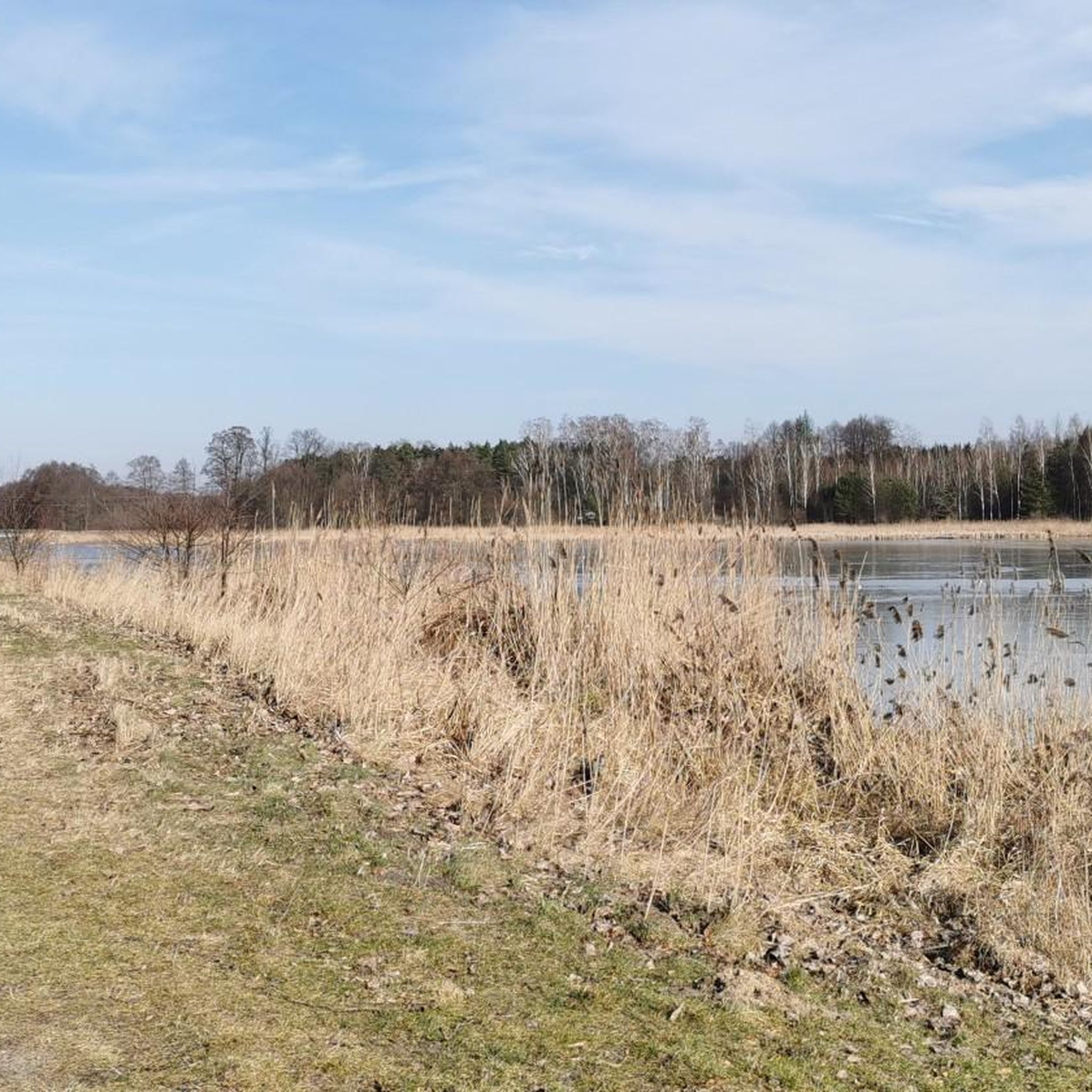
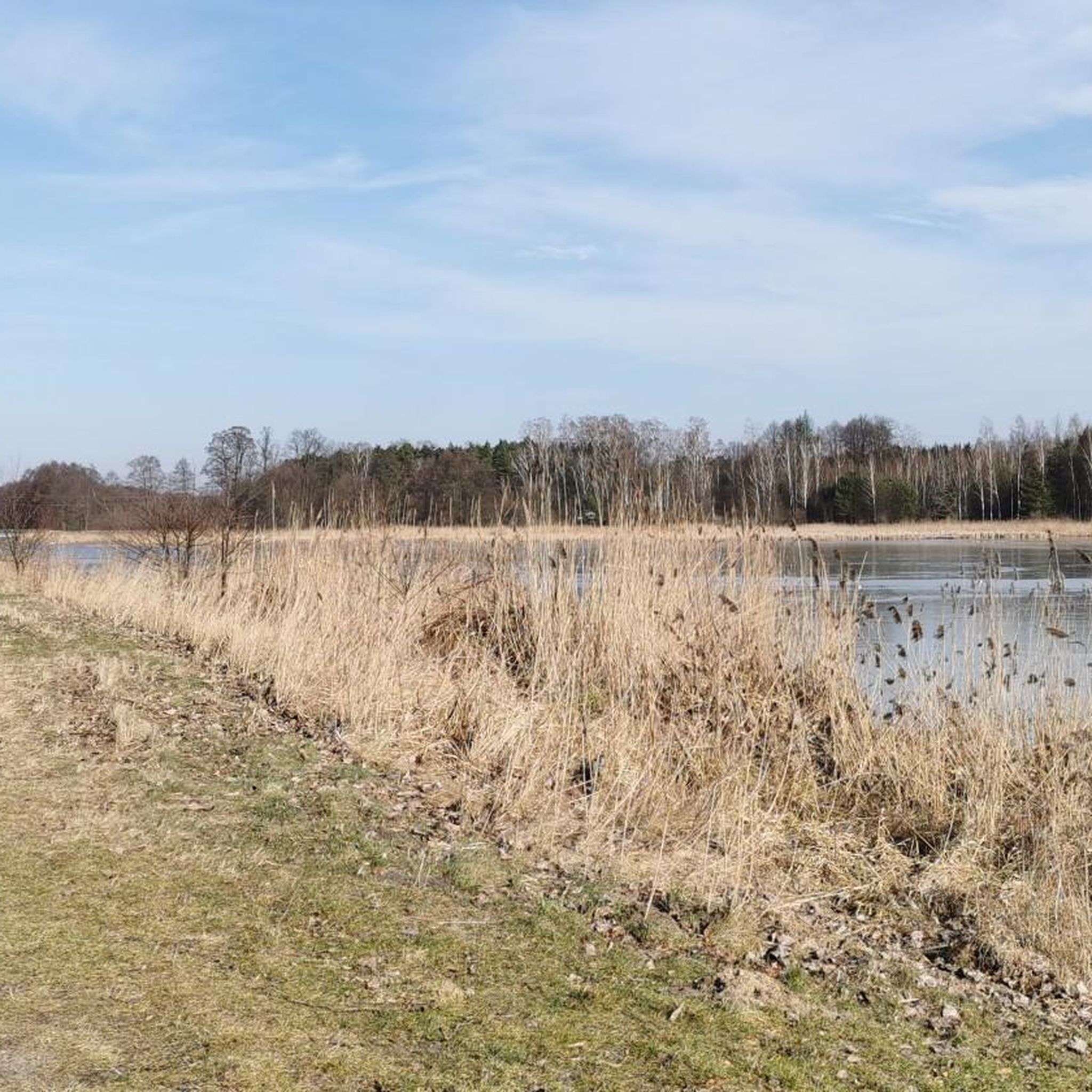
an artificially created water reservoir with an area of 27 km² located in the Łódź Voivodeship. After Jeziorsko, the second largest water reservoir in the voivodeship. The lake was created in the years 1969–1974 as a result of dividing the Pilica River in the village of Smardzewice, at the 139th kilometer of the Pilica from its mouth, on the border of the then Łódź and Kielce voivodeships. A concrete and earth dam was built there, 1,200 m long and 16 m high, which contributed to the creation of a reservoir with an area of 2,700 ha. The shoreline of the reservoir is 58 km, of which 11 km is located in the Wolbórz commune. It is fed by two rivers: Pilica and Luciąża.
0
0
Frequently Asked Questions
What historical landmarks can I explore in Piotrków Trybunalski?
Piotrków Trybunalski boasts a rich history. You can wander through the charming Old Town, which features well-preserved architecture and a 14th-century market square. Don't miss the Royal Castle, originally built in the 14th century and later serving as a royal residence. Remnants of the 14th and 15th-century City Walls are also visible. For a deeper dive into the city's past, consider visiting the Cistercian Abbey Complex in Sulejów, one of Poland's best-preserved Romanesque complexes.
Are there significant religious sites to visit in the area?
Yes, Piotrków Trybunalski and its surroundings are home to several notable religious sites. The 13th-century Gothic St. James Church (Kościół św. Jakuba) and the Church of the Visitation of the Blessed Virgin Mary are prominent. The Bernardine Church and Monastery, dating back to 1643, is considered a valuable historical object. Further afield, the Church of the Assumption of the Blessed Virgin Mary in Milejów offers a long history and unique epitaphs, while the Cistercian Abbey Complex in Sulejów is a significant monument of Romanesque architecture.
Where can I find green spaces or parks for relaxation in Piotrków Trybunalski?
For leisurely strolls and enjoying nature, Park Fr. Jozef Poniatowski is an excellent choice, featuring diverse flora like linden, chestnut, and oak trees. Another peaceful spot is Park Belzacki, which contains protected natural monuments, including silver maples and common ash trees.
Are there any beaches or water recreation areas nearby?
Absolutely! The Słoneczko Beach at Lake Bugaj is a popular recreational spot with an eighty-meter sandy beach, water equipment rentals, and facilities for beach volleyball and football. Additionally, the Sulejów Reservoir, an artificially created water body, offers sandy beaches and water equipment rentals, making it ideal for a day out by the water.
What are some family-friendly outdoor activities in the Piotrków Trybunalski area?
Families can enjoy a day at Słoneczko Beach at Lake Bugaj, which offers a sandy beach, water equipment rentals, and sports facilities. The Sulejów Reservoir is also family-friendly, providing opportunities for swimming and water sports. The city's parks, such as Park Fr. Jozef Poniatowski, are perfect for picnics and gentle walks with children.
What is the best time of year to visit Piotrków Trybunalski attractions?
The best time to visit Piotrków Trybunalski generally depends on your preferred activities. Spring (April-May) and autumn (September-October) offer pleasant temperatures for exploring historical sites and parks. Summer (June-August) is ideal for water-based activities at Słoneczko Beach and Sulejów Reservoir, though it can be warmer. Winter offers a different charm, especially for those interested in quieter visits to indoor attractions.
Are there cycling routes available around Piotrków Trybunalski?
Yes, there are several cycling routes for various skill levels around Piotrków Trybunalski. You can find easy road cycling loops like the "Willa Wanda – Royal Castle loop" or the "Royal Castle – View of Wind Turbines loop." For those seeking more challenging rides, there are moderate and difficult gravel biking routes, such as the "Wierzeje Reservoir – Barkowice Mokre Marina loop." Explore more options on the Road Cycling Routes around Piotrków Trybunalski and Gravel biking around Piotrków Trybunalski guide pages.
Can I go running or jogging near the attractions?
Absolutely! Piotrków Trybunalski offers several running trails. You can find easy to moderate loops, including the "Słoneczko loop from Piotrków Trybunalski," which takes you near the popular beach. Other options include running loops from Rokszyce or Wierzeje. For detailed routes and distances, check out the Running Trails around Piotrków Trybunalski guide.
What do visitors enjoy most about the attractions around Piotrków Trybunalski?
Visitors particularly appreciate the blend of historical significance and natural beauty. The Cistercian Abbey Complex in Sulejów is highly regarded for its well-preserved Romanesque architecture. The Sulejów Reservoir is loved for its 'seaside' feel and peaceful atmosphere, while Słoneczko Beach is praised for its clean sandy area and recreational facilities. Many also enjoy the beautiful palace building of the District Court for its nice atmosphere.
Are there any unique cultural trails or themes to explore in Piotrków Trybunalski?
Yes, Piotrków Trybunalski offers various themed trails that allow visitors to delve into its multicultural past. These include a historical monuments trail, a film trail, and a Jewish trail, providing unique perspectives on the city's heritage and its role as an important political and trading center throughout history.
What is the significance of the Royal Castle in Piotrków Trybunalski?
The Royal Castle holds significant historical importance for Poland. Originally built in the early 14th century, it was rebuilt in 1520 by King Sigismund I the Old and served as a residence for the last Jagiellonian kings. Notably, the first bicameral Polish parliament (Sejm) was held here in 1493, marking it as a crucial site in Polish parliamentary history. Today, it functions as a museum.
Are there any natural monuments or protected areas in the parks?
Yes, Park Belzacki is home to protected natural monuments. Specifically, you can find two silver maples and two common ash trees within this park, highlighting its ecological value and offering a chance to appreciate local flora.
Most popular routes around Piotrków Trybunalski
Most popular attractions around Piotrków Trybunalski

Get inspired with the komoot mobile app


