Attractions and Places To See around gmina Piątek - Top 20
Attractions and places to see around gmina Piątek include historical sites, religious buildings, and unique geographical features. Located in central Poland, the region is known for being the geometric center of the country. Its landscape features river valleys and remnants of ancient glacial formations, offering a diverse environment for exploration. The area provides insights into early medieval history and architectural heritage.
Best attractions and places to see around gmina Piątek
- The most popular attractions is Walewice Palace, a historical…
Last updated: July 15, 2026
The castle in Tuma
Highlight • Historical Site
Translated by Google •
Tip by

Church of All Saints and St. James
Highlight • Religious Site
Translated by Google •
Tip by
Sign up now to discover places like this
Get recommendations on the best single tracks, peaks, & plenty of other exciting outdoor places.
Sign up for free
Leśmierz Sugar Factory
Highlight • Monument
Translated by Google •
Tip by
Church of the Nativity of the Blessed Virgin Mary
Highlight • Religious Site
Translated by Google •
Tip by

Walewice Palace
Highlight • Historical Site
Translated by Google •
Tip by

Sign up for free to discover even more attractions around gmina Piątek.
Sign up for free
Already have an account?
Start today with a free account
Your next adventure awaits.
Login or Signup
Tips from the Community

It's worth stopping by, I especially suggest going behind the palace.
0
0

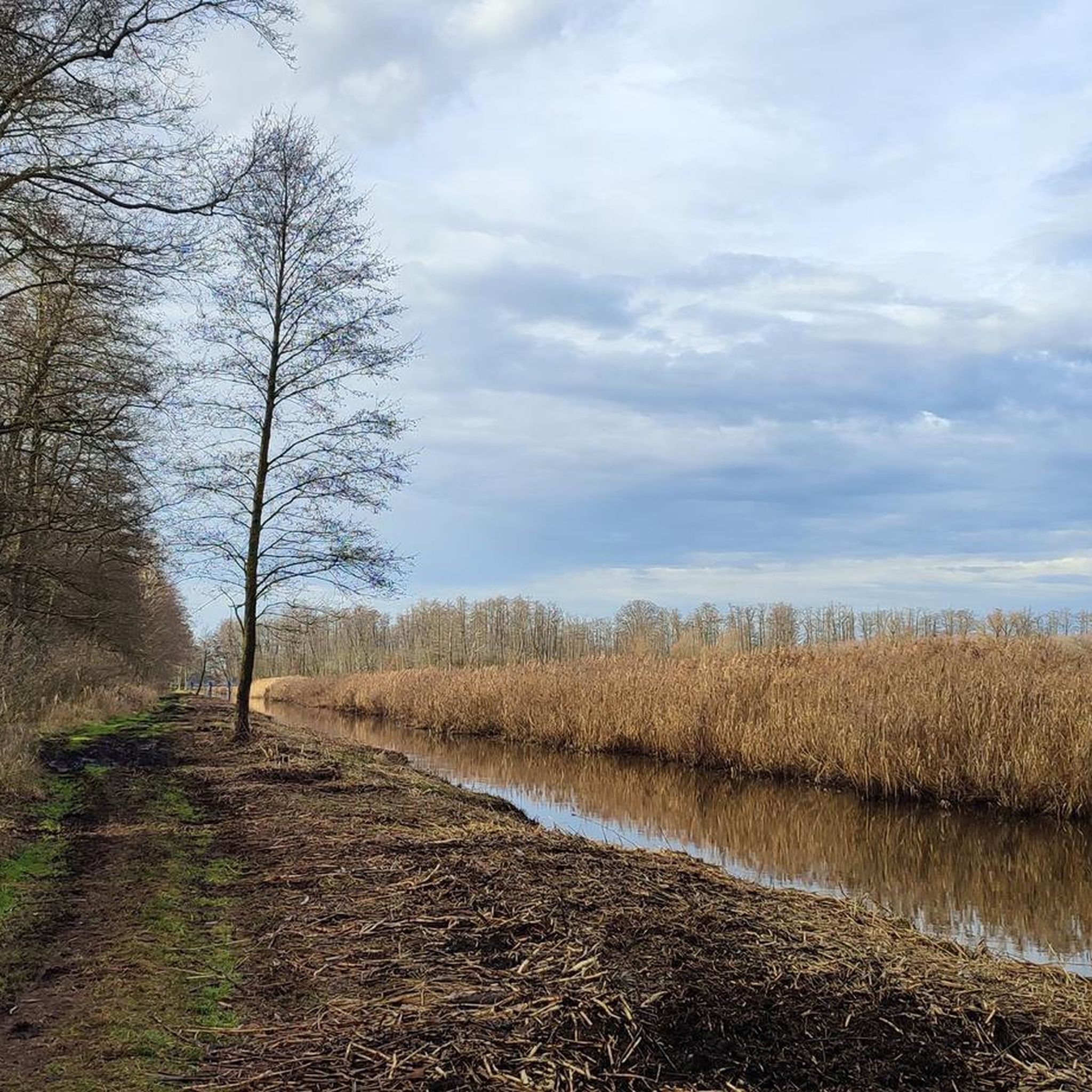
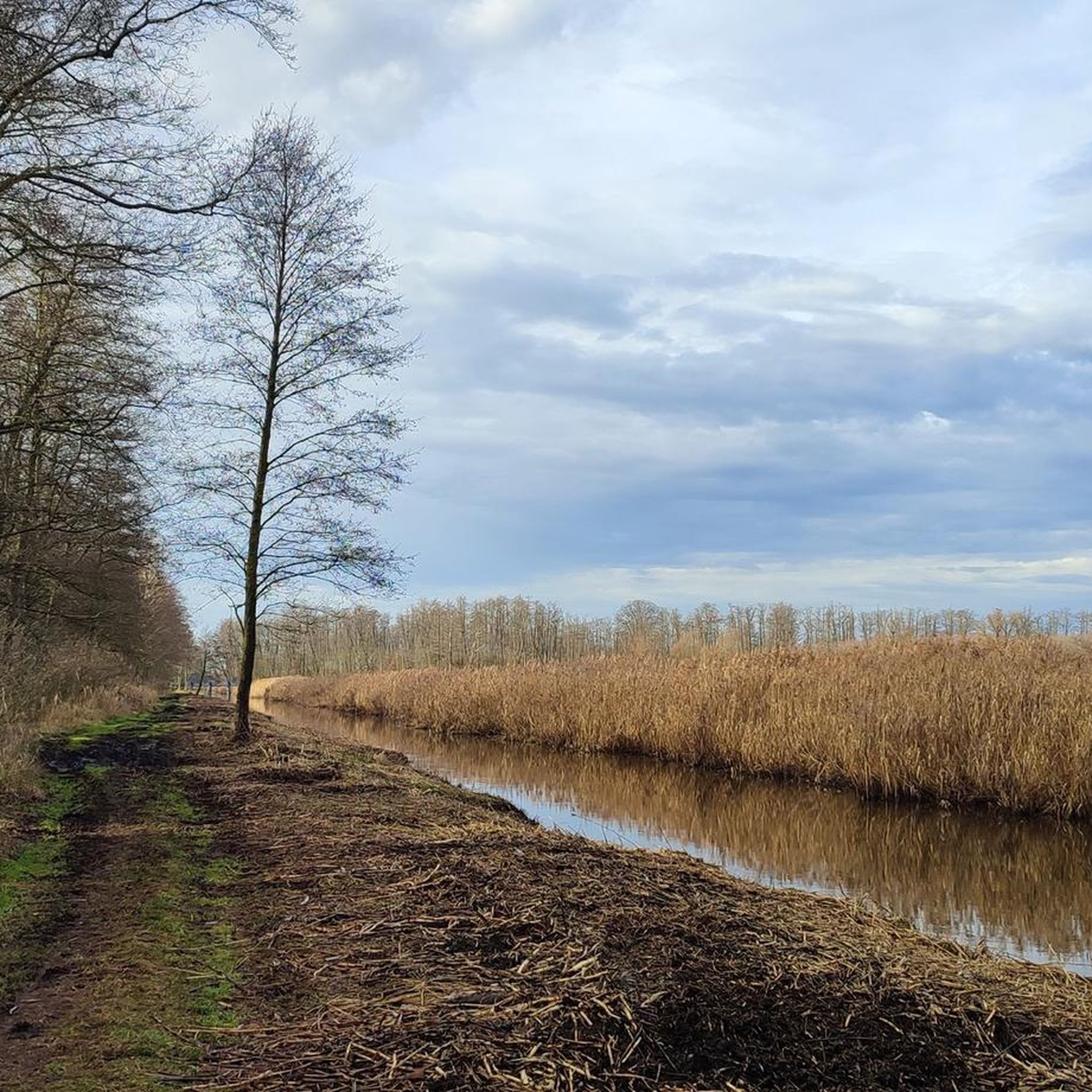
Located on a small elevation among marshy meadows in the Bzura River valley, the hillfort in Tum is the oldest element of medieval Łęczyca. It is a remnant of an early medieval stronghold, a defensive site and a local administrative centre during the Piast dynasty. Hillforts are characteristic strongholds of the early Middle Ages, prototypes of castles, in which instead of brick or stone walls, wooden and earth fortifications were built. Special structures were used for this purpose, in the form of earth mounds on a wooden frame, the so-called gridiron, as well as boxes filled with earth. Inside there were residential and farm buildings, wells, and sometimes the square was intentionally left empty, as in the case of Tum, which also had its significance.
1
0
The Leśmierz sugar factory was one of the first in the Kingdom of Poland. Despite the changing vicissitudes of fate, it operated for 170 years. Its presence had a huge impact on Leśmierz, previously a small farm. In just a few decades, the agricultural estate was transformed into a factory estate with a typically urban character. The idea of establishing a sugar factory was probably born in Wilhelm Werner's head in the 1830s. Busy running a dyeworks in Zgierz and Ozorków, Wilhelm sent his younger brother Bogusław to France and financed his studies in the field of sugar production. Knowledge of sugar production techniques was highly valued at the time. In 1838, Bogusław came into possession of the agricultural estate of Leśmierz and in the same year, with the help of his brother and a technician brought from Aachen, Ludwik Teison, he began building a sugar factory.
0
0
The church was built in the years 1717–1721. It was founded by Jan Pokrzywnicki – a canon of Gniezno, parish priest of Kraków and Łaków. It is a wooden building with a log construction, boarded. Its body was built on a rectangular plan and consists of three naves of the same height separated by four pairs of columns. The presbytery is narrower, closed polygonally. Next to it on the eastern side there is a rectangular brick sacristy, next to the body on the southern side there is a square porch. The interior is covered with flat ceilings, the choir is supported by two columns. The doorframes have a wavy lintel cutout. The church is covered with gable, shingle roofs, above the nave there is a turret with a bell tower. The building was consecrated on November 18, 1721 by Father Sebastian Kasprowicz, canon of Łęczyca and parish priest of Piątkowo, with the consent of the Archbishop of Gniezno, Stanisław Szembek.
1
0
A classicist building designed by Hilary Szpilowski or Stanisław Zawadzki, built in the years 1773–1783 by Anastazy Walewski (chamberlain of King Stanisław August Poniatowski); it is located on the Mroga River.
0
0
The current parish church, made of larch wood, of log construction, on a cross plan, was founded in 1765 by the Sochaczew steward Adam Lasocki from Gosławice, together with his son Wawrzyniec. The church was rebuilt in 1845. In the 1920s, it was reinforced and placed on the foundation. The Wieliszew temple has a Baroque-Rococo interior from the 18th century. The main altar contains a painting of the Mother of God with the Child in her right hand. The side altars are dedicated to St. Anne and the Crucified Christ. The Gothic stone baptismal font from 1538 and the Rococo pulpit from the 18th century are worthy of attention.
0
0

One of the most interesting objects inside the temple are two stone tombstones located in its porch. One of them depicts a knight, the Łęczyca standard-bearer Feliks Waliszewski, and the other an unknown clergyman from the 16th century.
1
0

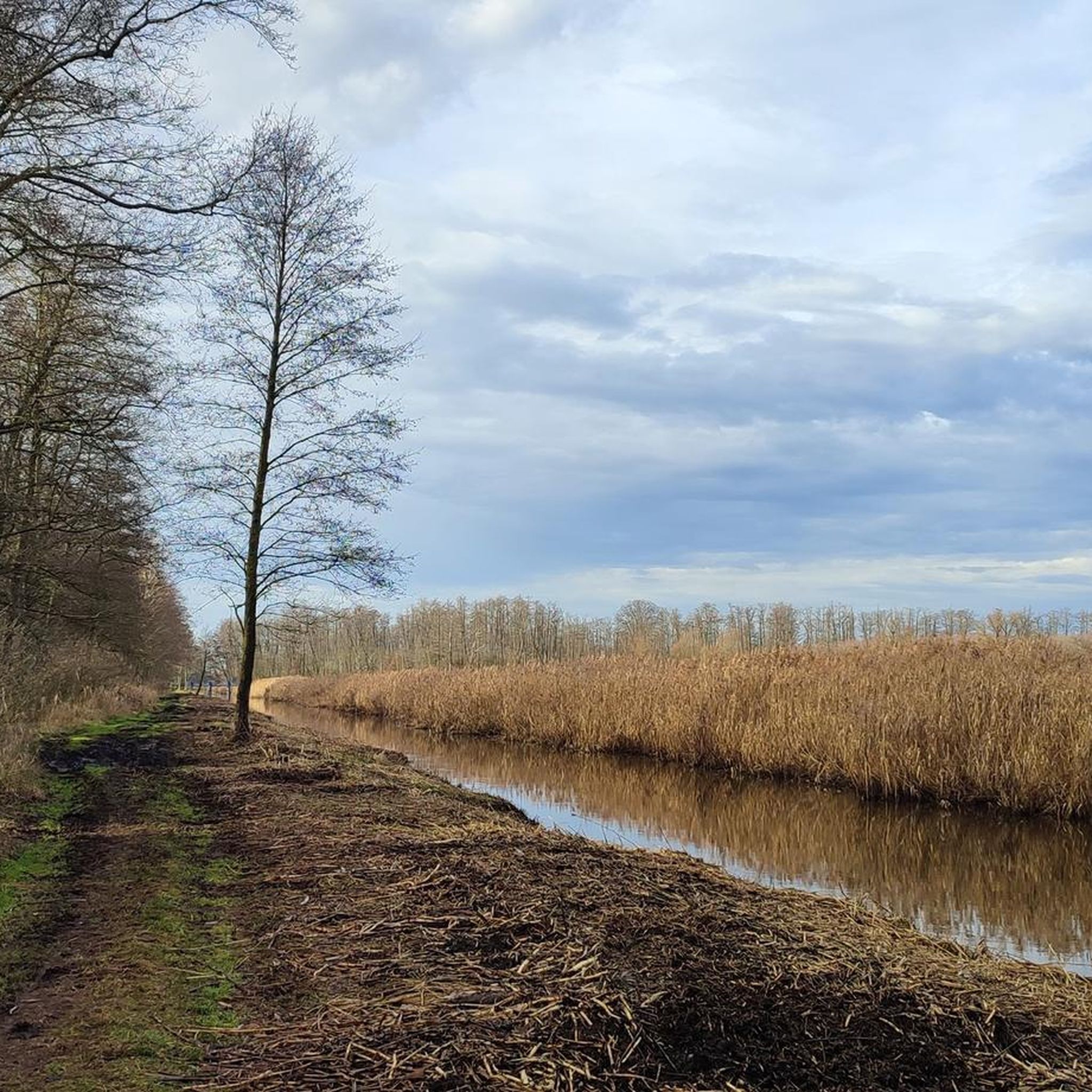
The first part is interesting for observation, the half part is more about hard pedaling. Think twice if you're strong enough.
0
0
Frequently Asked Questions
What historical sites can I explore in gmina Piątek?
Gmina Piątek is rich in history. You can visit The castle in Tuma, an early medieval fortified settlement considered the oldest element of medieval Łęczyca. Another significant historical site is Walewice Palace, an 18th-century palace with ties to Maria Walewska, which also houses Poland's largest Anglo-Arabian horse stud farm. Additionally, the region features other historic manors like Orenice Manor, Janowice Manor, and Goślub Palace.
Are there any unique geographical features to see in gmina Piątek?
Yes, gmina Piątek is famously known as the geometrical center of Poland. A monument in the town center, the Geometric Center of Poland Monument, marks this unique spot. The northern part of the gmina also lies on the ancient Warsaw-Berlin Urstromtal, a glacial valley, and is characterized by the confluence of the Moszczenica, Malina, and Struga rivers.
What religious buildings are notable in the area?
The region features several historic religious structures. You can visit the Church of All Saints and St. James, a wooden building constructed between 1717 and 1721. Another notable site is the Church of the Nativity of the Blessed Virgin Mary, which features two stone tombstones from the 16th century within its porch. The Gothic-Baroque Church of the Holy Trinity in Piątek, dating back to the 15th century, is also a significant landmark.
What kind of outdoor activities can I do near these attractions?
Gmina Piątek offers various outdoor activities. For cycling enthusiasts, there are several routes available, such as the 'Beautiful Gravel – Bay on the Linda loop' or the 'Bzura Lake – Stryków Reservoir loop'. If you prefer hiking, you can explore easy trails like the 'Intake and Lake loop from Wola Błędowa'. Mountain biking options include routes like the 'Bay on the Linda – Pond loop from Ozorków Nowe Miasto'. You can find more details on these activities in the Cycling around gmina Piątek, Easy hikes around gmina Piątek, and MTB Trails around gmina Piątek guides.
Are there family-friendly attractions in gmina Piątek?
Yes, several attractions are suitable for families. Walewice Palace, with its historic estate and horse stud farm, offers an engaging experience for all ages. The Church of All Saints and St. James is also listed as family-friendly. Exploring the Geometric Center of Poland Monument can be a fun and educational stop for children.
What natural areas or features are worth visiting?
Beyond the geometric center, gmina Piątek features natural areas like Silne Błota (Strong Marshes) and Witowski Forest, which offer opportunities for nature observation. The region's landscape is shaped by the Moszczenica, Malina, and Struga rivers, and the northern part lies within the Warsaw-Berlin Urstromtal, an ancient glacial valley.
Can I find any unique cultural experiences related to horses?
Absolutely. The Walewice Palace estate is home to Poland's largest Anglo-Arabian half-breed horse stud farm. This stud farm has a 200-year tradition of ecological breeding, making it a significant cultural institution for horse enthusiasts.
What do visitors enjoy most about the attractions in gmina Piątek?
Visitors appreciate the diverse range of historical and cultural sites. The early medieval fortifications of The castle in Tuma offer a glimpse into the region's past, while the unique geographical significance of the Geometric Center of Poland Monument is a popular curiosity. The historical depth and architectural beauty of sites like Walewice Palace are also highly valued.
Are there any wheelchair-accessible attractions?
Yes, the Geometric Center of Poland Monument is noted as being wheelchair accessible, making it an inclusive stop for visitors.
Are there any specific architectural styles or periods represented in the buildings?
The region showcases a blend of architectural styles. The Gothic-Baroque Church of the Holy Trinity in Piątek, for instance, combines elements from the 15th century with 18th-century reconstruction. Walewice Palace is a classicist building from the late 18th century, while the Church of All Saints and St. James is a wooden building from the early 18th century with a log construction.
What is the significance of the earthwork in Tum?
The earthwork in Tum, known as The castle in Tuma, is an early medieval fortified settlement. It is considered the oldest element of medieval Łęczyca and served as a defensive and administrative center during the Piast dynasty, featuring earth and timber fortifications rather than stone walls.

Get inspired with the komoot mobile app


Explore more
Still not found the Highlight you’re looking for? See guides of the top attractions in other regions:
