Attractions and Places To See around gmina Strzelce - Top 20
Attractions and places to see around gmina Strzelce, located in Powiat Kutnowski, Łódź Voivodeship, offer a selection of historical and cultural sites. The area is characterized by its agricultural landscape, with a focus on preserving its heritage. Visitors can explore various historical buildings, religious landmarks, and manor parks that reflect the region's past. These sites provide insight into the local history and architecture.
Best attractions and places to see around gmina Strzelce
- The most popular attraction is Oporów Castle and…
Last updated: July 1, 2026
Oporów Castle and Park
Highlight • Castle
Translated by Google •
Tip by

St. Martin's Church and Pauline Monastery in Oporów
Highlight • Religious Site
Translated by Google •
Tip by
Sign up now to discover places like this
Get recommendations on the best single tracks, peaks, & plenty of other exciting outdoor places.
Sign up for free
Castle Hill and Gostynin Castle
Highlight • Castle
The building, built on the site of a former castle, houses, among other things, a hotel. Within its grounds is a former neo-Gothic church. It's not …
Translated by Google •
Tip by

Gostynin Water Tower
Highlight • Monument
Translated by Google •
Tip by

Forest Road Between Szczawin Kościelny and Skoki
Highlight • Trail
Translated by Google •
Tip by

Sign up for free to discover even more attractions around gmina Strzelce.
Sign up for free
Already have an account?
Start today with a free account
Your next adventure awaits.
Login or Signup
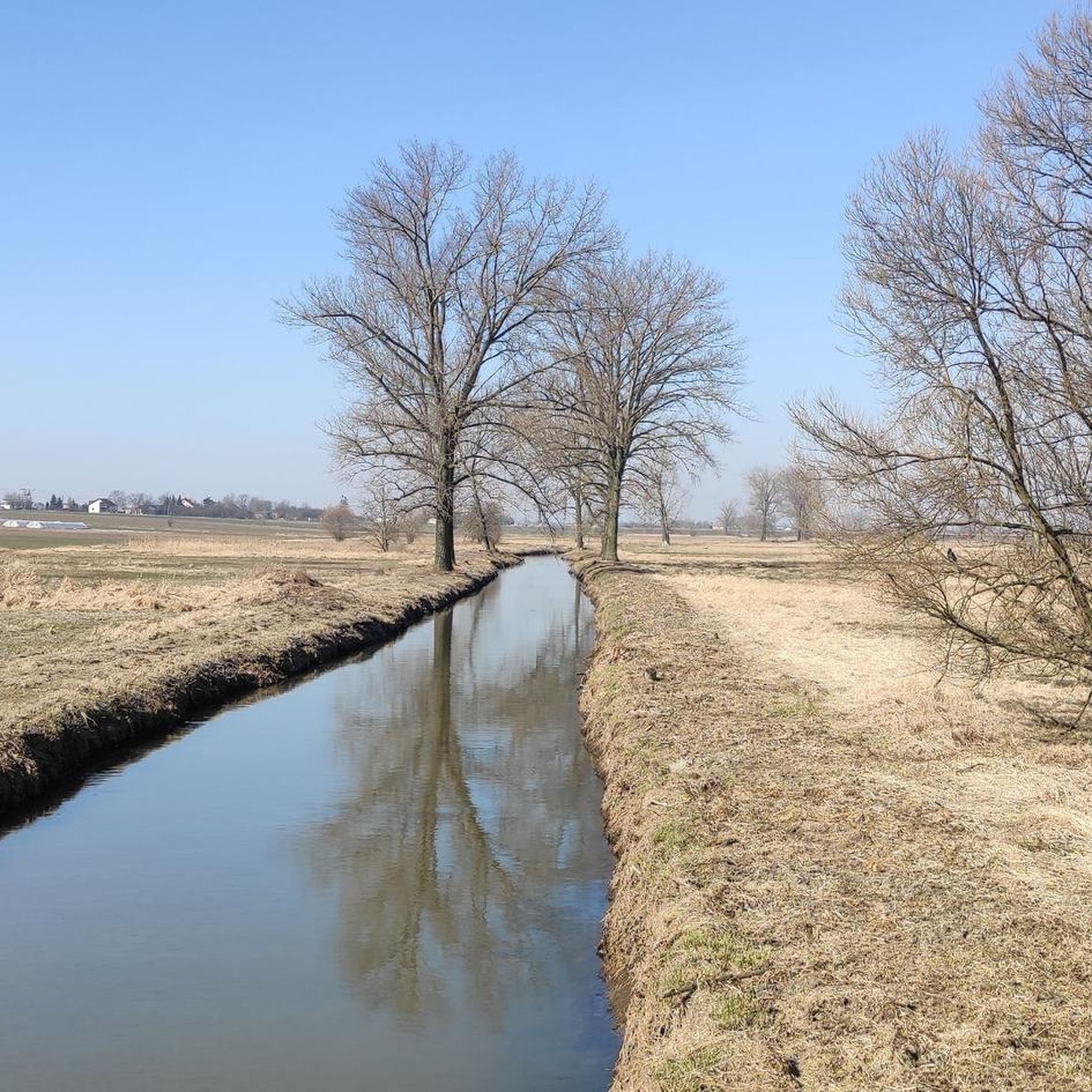
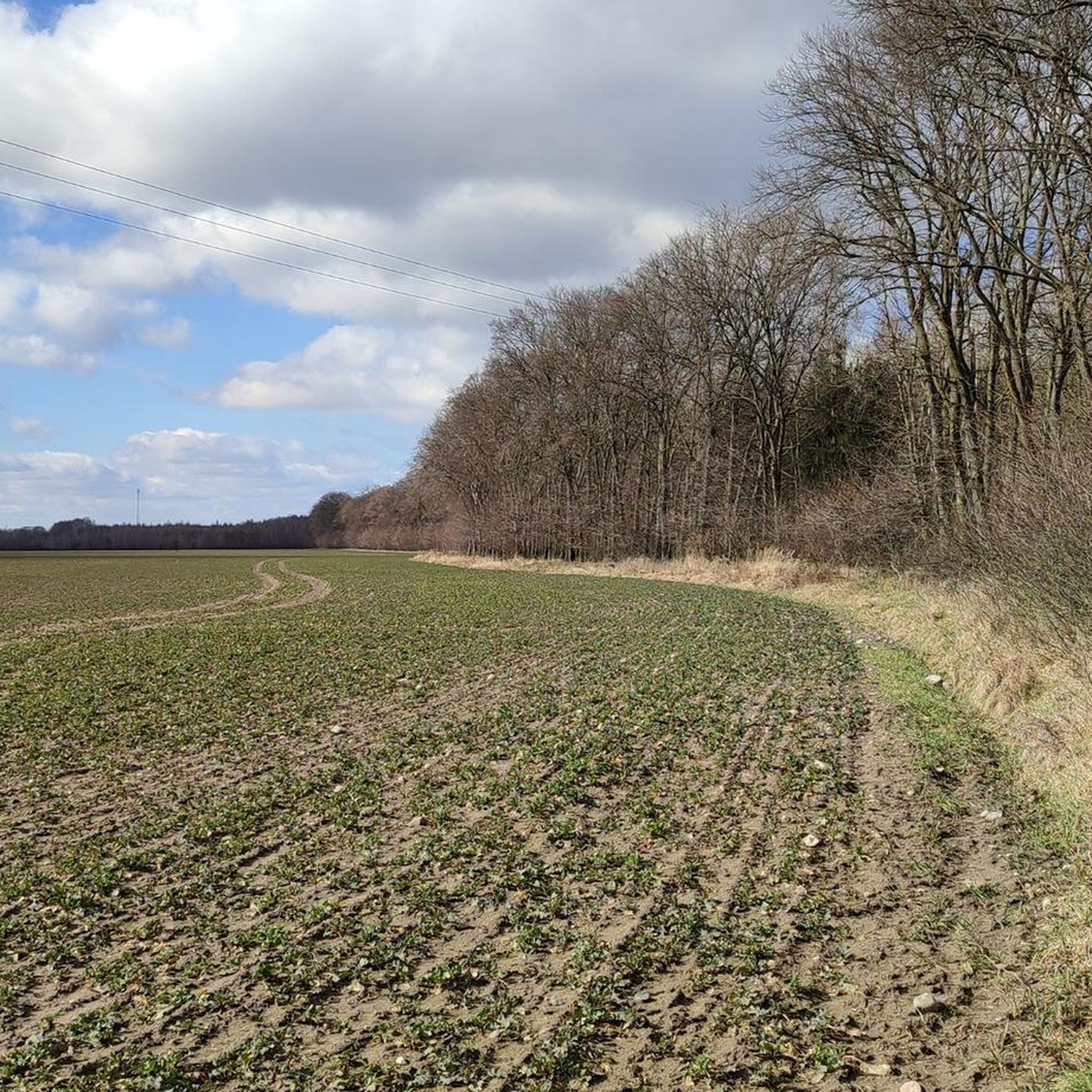
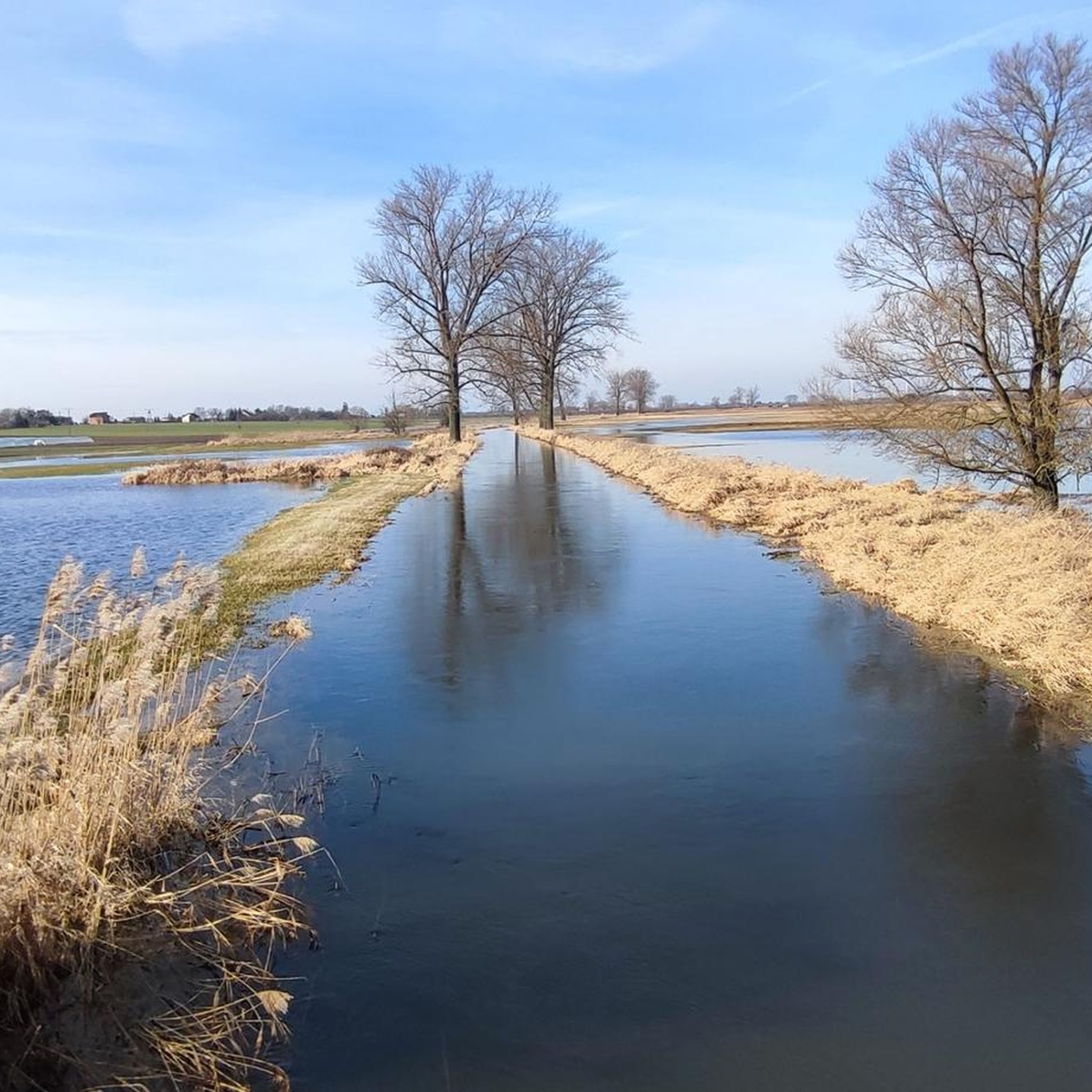
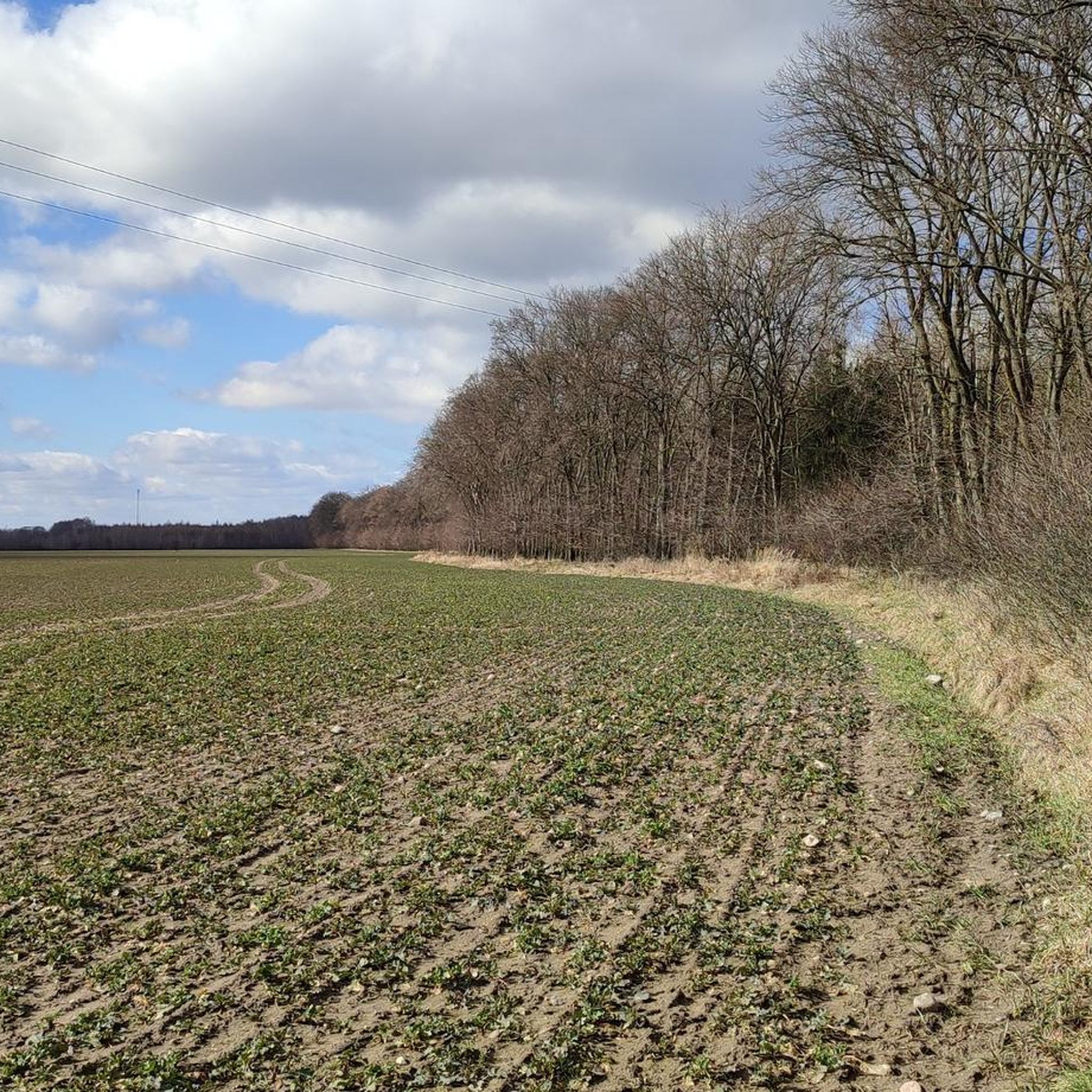


Tips from the Community

the castle from 1453 is basically a castle
0
0

The castle, or rather, a small castle. Tickets cost 23 złoty. I recommend stopping by, even if only for a moment. It's worth seeing.
0
0

The original parish church of St. Martin mentioned in 1399 was made of wood. The brick church in the Gothic style was built in the first half of the 15th century, and its construction was started before 1425 by Mikołaj Oporowski, the voivode of Łęczyca. The construction was completed by his sons Władysław Oporowski, after taking over the family estate in 1428, Władysław was the bishop of Włocławek from 1434, later the archbishop of Gniezno and primate of Poland, and Piotr Oporowski - the voivode of Łęczyca. The single-nave church with an unseparated presbytery and a burial crypt was built on the plan of an elongated rectangle, with a porch on the southern side. The interior was covered with a wooden ceiling. The modest decoration of the external elevations consisted of white plastered pointed arch panels, a brick frieze made of squared timber crowning the walls of the nave and rhombuses made of zendrówka bricks. The western elevation was most likely crowned with a decorative gable, as evidenced by two half-peaks preserved under the roof by the tower. In 1453, the Oporowskis - Władysław and Piotr donated the church to the Order of St. Paul the First Hermit, the rule of St. Augustine. The motive was the desire to honor the memory of Krystyna and Mikołaj Oporowski's parents, buried in the church's basement. The church building is connected to the monastery building.
0
0
A brick castle in the Gothic style built in the years 1434–1449 by the bishop of Kujawy, Władysław Oporowski. Formerly, it was the centre of the extensive landed estates of the Oporowski family of the Sulima coat of arms. In 2007, it was entered into the State Register of Museums. The beginning of the castle complex was a knight's residential tower, built at the beginning of the 15th century on an artificial island, built in the middle of one of the branches of the Słudwia River. Later, residential buildings were built surrounding a small cobblestone courtyard, defensive walls and a semicircular tower with a chapel on the first floor. The castle is dominated by the north-west corner tower decorated with a Gothic dagger. Despite many reconstructions made in the 17th, 18th and 19th centuries, only minor changes were made. They left behind Renaissance ceilings, Baroque window openings on the first floor, and Classicist stucco. The annex in the courtyard, the so-called "cupboard", as well as the neo-Gothic portal of the entrance gate and the terrace in front of the bridge, date from around 1840. The castle is surrounded by a landscape park established in the first half of the 19th century.
0
0
A brick castle in the Gothic style built in the years 1434–1449 by the Bishop of Kujawy, Władysław Oporowski. Formerly, it was the centre of the extensive landed estates of the Oporowski family of the Sulima coat of arms. In 2007, it was entered into the State Register of Museums. The beginning of the castle complex was a knight's residential tower, built at the beginning of the 15th century on an artificial island, built in the middle of one of the branches of the Słudwia River. Later, residential buildings were built surrounding a small cobblestone courtyard, defensive walls and a semicircular tower with a chapel on the first floor. The castle is dominated by the north-west corner tower decorated with a Gothic dagger. Despite many reconstructions made in the 17th, 18th and 19th centuries, only minor changes were made. They left behind Renaissance ceilings, Baroque window openings on the first floor, and Classicist stucco. The annex in the courtyard, the so-called "cupboard", as well as the neo-Gothic portal of the entrance gate and the terrace in front of the bridge, date from around 1840. The castle is surrounded by a landscape park established in the first half of the 19th century.
0
0

The tower is worth seeing while it still stands. The roof has already collapsed and further decline into ruin will probably be avalanche-like, unfortunately.
0
0

Nice views from the hill, the "castle" itself is not particularly attractive
0
0

Access from ul. Słowackiego is easier, but access from the north is more pleasant. An object worth the attention of ornithologists and photographers: look at the peak.
0
0
Frequently Asked Questions
What historical sites can I explore in Gmina Strzelce?
Gmina Strzelce is rich in historical and cultural sites. You can visit the well-preserved Gothic structure of Oporów Castle and Park, built between 1434 and 1449. Another significant religious landmark is the St. Martin's Church and Pauline Monastery in Oporów, a brick Gothic church from the 15th century. Additionally, the Parish Church of St. Trinity in Strzelce, built in 1917, and the 19th-century Palace Complex in Strzelce offer further insights into the region's past.
Are there any manor parks or historical gardens in Gmina Strzelce?
Yes, Gmina Strzelce features several historical manor parks. You can explore the eclectic-style Manor Park in Oporów, which surrounds the castle. Other notable examples include the Manor Park in Siemianów and the landscape-style Manor Park in Sójki, both dating back to the second half of the 19th century.
What kind of outdoor activities can I do near these attractions?
The area around Gmina Strzelce offers various outdoor activities, particularly hiking and cycling. You can find easy hiking routes like the 'Zalew Kutno – Pałac Saski loop' or 'St. Lawrence Church loop from Kutno'. For cyclists, there are gravel biking options such as the 'New Asphalt Forest Trail – Gorge in the Skrwa Valley loop' and road cycling routes like the 'Skrzyneckie Lake – New road in Goreen loop'. You can find more details on these routes in the easy hikes, gravel biking, and road cycling guides for the region.
Are there any family-friendly attractions in Gmina Strzelce?
Absolutely! Oporów Castle and Park is considered family-friendly, offering a fascinating historical experience within a beautiful park setting. Another option is the Forester's lodge in the Perna Reserve, which provides a pleasant spot for families to rest and enjoy nature, with facilities for a bonfire.
Where can I find scenic views or viewpoints in the area?
For scenic views, head to Castle Hill and Gostynin Castle. While the castle building itself might not be the main draw, the hill offers pleasant views overlooking Gostynin and is a good place to relax.
What natural features or forest areas can I visit?
Gmina Strzelce features approximately 8% forest land. You can explore the Forest Road Between Szczawin Kościelny and Skoki, which is a fire-protection road offering a pleasant ride or walk through the woods. The Forester's lodge in the Perna Reserve is also situated near a water reservoir within a forest, providing a tranquil natural setting.
What do visitors enjoy most about the attractions in Gmina Strzelce?
Visitors particularly appreciate the historical depth and preservation of sites like Oporów Castle, noting its well-preserved structure, moat, and interesting interior exhibitions. The peaceful atmosphere of the surrounding parks and the historical significance of the religious buildings, such as St. Martin's Church, are also highly valued. Many enjoy the opportunity to explore the region's heritage and natural beauty.
Are there any specific trails for hiking or walking?
Yes, there are trails suitable for hiking and walking. The Forest Road Between Szczawin Kościelny and Skoki is a good option for a walk through the forest. For more structured routes, you can find easy hikes like the 'Zalew Piechota loop from Osada' or the 'Hiking loop from Gostynin' in the easy hikes guide for the area.
Is there parking available at the main attractions?
Yes, parking is generally available at key attractions. For instance, Oporów Castle and Park offers parking facilities for visitors.
What is the best way to experience the agricultural landscape of Gmina Strzelce?
Given that 85% of Gmina Strzelce is agricultural land, the best way to experience its landscape is by exploring the local roads and trails. Cycling routes, such as those found in the gravel biking guide, often pass through these scenic agricultural areas, offering a close-up view of the region's primary character.
Can I find any unique or lesser-known spots in Gmina Strzelce?
Beyond the main highlights, the region's charm lies in its numerous cultural heritage sites, including various manors (dwory) in villages like Niedrzew and Wola Raciborowska. While not always publicly accessible in the same way as major attractions, these sites contribute to the unique historical tapestry of Gmina Strzelce and can be appreciated from the outside.
Are there any facilities for resting or picnicking in natural areas?
Yes, the Forester's lodge in the Perna Reserve is a great spot for resting. It features benches and a designated area for a fire, making it suitable for a picnic or a break during your exploration of the forest.

Get inspired with the komoot mobile app


Explore more
Still not found the Highlight you’re looking for? See guides of the top attractions in other regions:
