The best cycling routes around Oporów
4.6
(75)
447
riders
100
rides
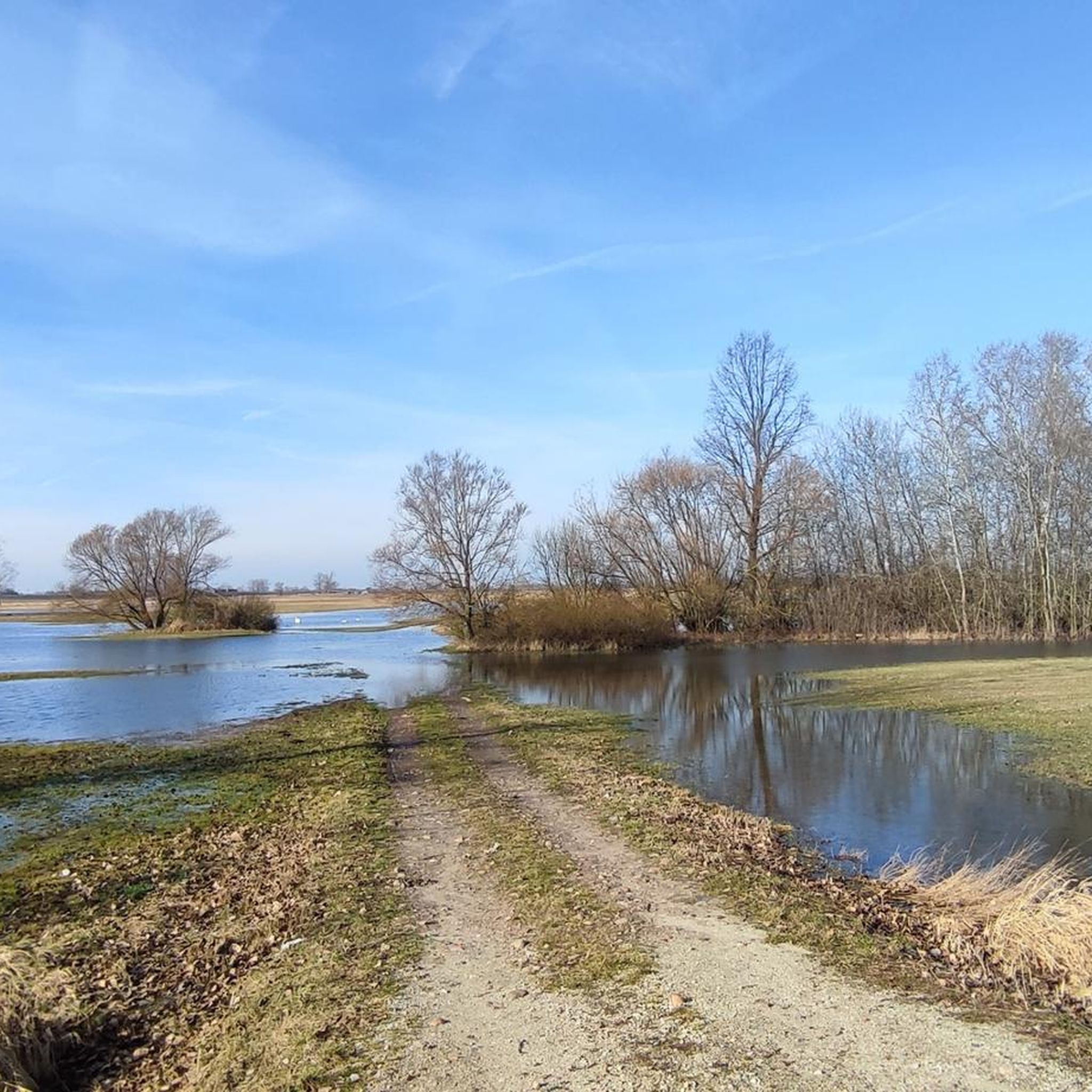
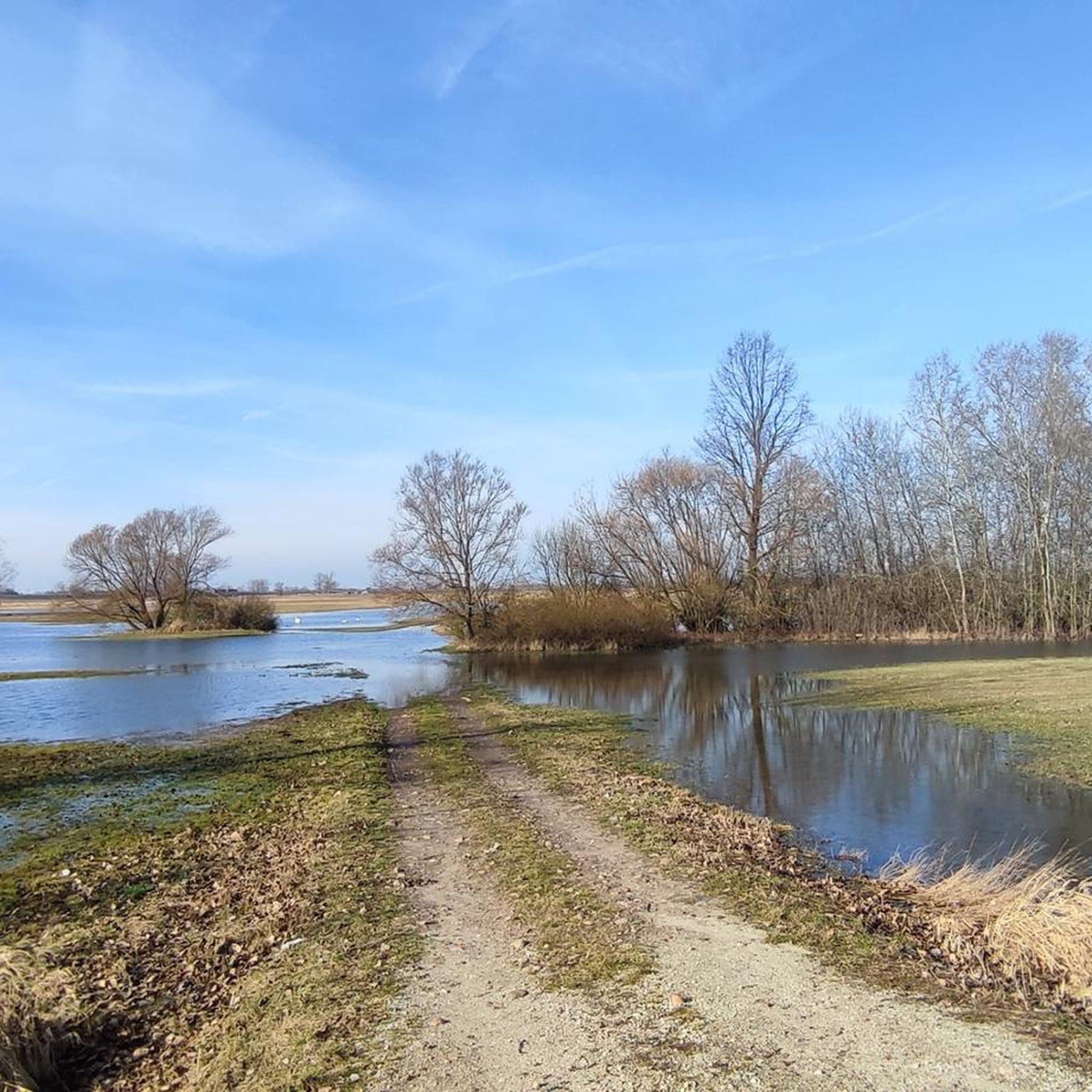
Touring cycling around Oporów, Poland, is characterized by lowland plains, offering generally gentle terrain. The region features the picturesque valleys of the Słudwia and Przysowa Rivers, which are part of protected natural areas. Cyclists can also find forest roads, providing shaded paths through diverse ecosystems. The landscape is predominantly flat to gently rolling, making it conducive to comfortable long-distance cycling.
Best touring cycling routes around Oporów
- The most popular touring cycling route is Fountain in Oporów – Oporów Castle and…
Last updated: July 4, 2026
4.8
(4)
46
riders
16.1km
01:03
40m
40m
Easy bike ride. Great for any fitness level. Mostly paved surfaces. Suitable for all skill levels.
4.8
(5)
22
riders
30.5km
01:45
60m
60m
Easy bike ride. Great for any fitness level. Mostly paved surfaces. Suitable for all skill levels.

Sign up for free
5.0
(2)
21
riders
34.6km
02:14
100m
100m
Moderate bike ride. Good fitness required. Mostly paved surfaces. Suitable for all skill levels.
5.0
(2)
8
riders
25.1km
01:33
70m
70m
Hard bike ride. Great for any fitness level. You may need to push your bike for some segments of this route.
5.0
(4)
13
riders
23.6km
01:23
50m
50m
Easy bike ride. Great for any fitness level. Mostly paved surfaces. Suitable for all skill levels.
Get access to more routes and recommendations from other explorers.
Sign up for free
Already have an account?
Our route recommendations are based on thousands of hikes, rides, and runs completed by other people on komoot.
Start today with a free account
Your next adventure awaits.
Login or Signup


Tips from the Community

the castle from 1453 is basically a castle
0
0

The castle, or rather, a small castle. Tickets cost 23 złoty. I recommend stopping by, even if only for a moment. It's worth seeing.
0
0

Unfortunately, the point itself is inaccessible. Private property.
0
0

In the background the building of Nowa Oberża or Hotel Polski, a building erected in 1843 by F. Mniewski. In the interwar period the Polonia cinema.
0
0
Restored palace, which houses a museum. Built in 1750 on the orders of King Augustus III.
0
0
currently the Civil Registry Office
0
0

The original parish church of St. Martin mentioned in 1399 was made of wood. The brick church in the Gothic style was built in the first half of the 15th century, and its construction was started before 1425 by Mikołaj Oporowski, the voivode of Łęczyca. The construction was completed by his sons Władysław Oporowski, after taking over the family estate in 1428, Władysław was the bishop of Włocławek from 1434, later the archbishop of Gniezno and primate of Poland, and Piotr Oporowski - the voivode of Łęczyca. The single-nave church with an unseparated presbytery and a burial crypt was built on the plan of an elongated rectangle, with a porch on the southern side. The interior was covered with a wooden ceiling. The modest decoration of the external elevations consisted of white plastered pointed arch panels, a brick frieze made of squared timber crowning the walls of the nave and rhombuses made of zendrówka bricks. The western elevation was most likely crowned with a decorative gable, as evidenced by two half-peaks preserved under the roof by the tower. In 1453, the Oporowskis - Władysław and Piotr donated the church to the Order of St. Paul the First Hermit, the rule of St. Augustine. The motive was the desire to honor the memory of Krystyna and Mikołaj Oporowski's parents, buried in the church's basement. The church building is connected to the monastery building.
0
0
A brick castle in the Gothic style built in the years 1434–1449 by the bishop of Kujawy, Władysław Oporowski. Formerly, it was the centre of the extensive landed estates of the Oporowski family of the Sulima coat of arms. In 2007, it was entered into the State Register of Museums. The beginning of the castle complex was a knight's residential tower, built at the beginning of the 15th century on an artificial island, built in the middle of one of the branches of the Słudwia River. Later, residential buildings were built surrounding a small cobblestone courtyard, defensive walls and a semicircular tower with a chapel on the first floor. The castle is dominated by the north-west corner tower decorated with a Gothic dagger. Despite many reconstructions made in the 17th, 18th and 19th centuries, only minor changes were made. They left behind Renaissance ceilings, Baroque window openings on the first floor, and Classicist stucco. The annex in the courtyard, the so-called "cupboard", as well as the neo-Gothic portal of the entrance gate and the terrace in front of the bridge, date from around 1840. The castle is surrounded by a landscape park established in the first half of the 19th century.
0
0
Frequently Asked Questions
What kind of terrain can I expect when touring cycling around Oporów?
The region around Oporów is characterized by lowland plains, offering predominantly flat to gently rolling terrain. This makes it highly suitable for touring cyclists of all fitness levels, allowing for comfortable long-distance rides with minimal elevation gain. You'll find many routes are on paved surfaces, ideal for a relaxed cycling experience.
How many touring cycling routes are available in Oporów?
There are over 80 touring cycling routes available around Oporów, catering to various skill levels. This includes 56 easy routes, 14 moderate routes, and 10 more difficult options, ensuring there's a path for every cyclist.
Are there any family-friendly touring cycling routes in Oporów?
Yes, Oporów's predominantly flat and gentle terrain makes it an excellent choice for family cycling trips. Many of the routes are described as easy rides with minimal elevation gain, perfect for cyclists of all ages. An example is the The geodetic center of Poland – TAT Rock loop from Sklęczki, which is an easy route suitable for a relaxed family outing.
What natural features can I explore on a touring bike around Oporów?
Oporów offers serene routes through diverse ecosystems, particularly along the picturesque valleys of the Słudwia and Przysowa Rivers. These areas are part of the Natura 2000 Special Protection Area for Birds and the Przysowa Valley Protected Landscape Area, offering rich birdlife and tranquil water vistas. You can explore these natural wonders, for example, along the Słudwia and Przysowa Valley.
Are there any forest roads suitable for touring cycling in the Oporów area?
Yes, the countryside around Oporów features forest roads that are ideal for exploration by bike. These routes provide shaded paths, particularly enjoyable during warmer months, and offer a chance to connect with nature away from heavy traffic. A notable example is the Forest Road Between Szczawin Kościelny and Skoki.
What historical attractions can I visit while cycling in Oporów?
The most prominent historical attraction is Oporów Castle and Park. The well-preserved castle and its 19th-century landscape park offer a beautiful setting for a leisurely ride or a relaxing break. You can cycle directly to this landmark on the Oporów Castle – Oporów Castle and Park loop from Sklęczki.
Are there any circular touring cycling routes in Oporów?
Yes, many of the touring cycling routes around Oporów are designed as loops, allowing you to start and end at the same point. For instance, the popular Saski Palace – Józef Piłsudski Monument loop from Sklęczki is a moderate 35.3 km trail that takes you through the wider countryside.
What do other touring cyclists enjoy most about cycling in Oporów?
The touring cycling routes in Oporów are highly rated by the komoot community, with an average score of 4.7 stars from over 60 reviews. Cyclists often praise the tranquil river valleys, accessible forest roads, and the flat to gently rolling terrain that makes for comfortable and enjoyable rides.
Are there any religious landmarks along the cycling routes in Oporów?
Yes, the region features several notable religious buildings. You can find St. Martin's Church and Pauline Monastery in Oporów, as well as the Church of the Annunciation of the Blessed Virgin Mary and St. Barbara. These offer interesting stops for those interested in local history and architecture.
What is a good easy route for touring cycling near Kutno?
For an easy ride near Kutno, consider the Zielona Oś, Kutno – St. Lawrence Church in Kutno loop from Sklęczki. This 17.6 km path offers a pleasant ride through the Kutno area, known for its flat and accessible terrain, making it suitable for a relaxed outing.
Is the Oporów area suitable for long-distance touring cycling?
Absolutely. The predominantly flat to gently rolling terrain around Oporów is ideal for comfortable long-distance cycling. The minimal elevation gain allows cyclists to cover significant distances without excessive strain, making it perfect for multi-day tours or extended day trips.
Most popular routes around Oporów
Most popular attractions around Oporów

Get inspired with the komoot mobile app


Explore more
Browse the best Cycling routes in other regions.
