Attractions and Places To See around gmina Izbica Kujawska - Top 9
Best attractions and places to see around gmina Izbica Kujawska include historical and cultural sites alongside natural features. This region in the Kuyavian-Pomeranian Voivodeship of Poland features ancient burial sites, historic religious buildings, and medieval castle remnants. Visitors can explore a blend of history and natural landscapes, including several lakes and designated natural monuments. The area offers opportunities to discover significant landmarks and serene natural settings.
Best attractions and places to see around gmina Izbica Kujawska
- The most popular attractions is St. Adalbert's Church in Brdów, a religious building that features original Gothic architecture, later expanded in the 17th and 18th centuries in a Baroque style. It is situated on the high shore of Lake Brdowskie.
- Another must-see spot is Holy Family Church in Przedecz, a neo-Gothic religious building. Built between 1905 and 1909, its design was inspired by the Church of St. Anna in Vilnius and it features richly carved wooden altars.
- Visitors also love Monument to the Battle of Brdów 1863, a man-made monument commemorating the Battle of Brdów during the January Uprising. It consists of a cross, commemorative plaques, and a symbolic grave, honoring the insurgents.
- gmina Izbica Kujawska is known for its historic churches, ancient megalithic tombs, and medieval castle ruins. The region offers a variety of attractions, from significant historical sites to natural features like lakes and ancient trees.
- The attractions around gmina Izbica Kujawska are appreciated by the komoot community, with 15 upvotes and 8 photos shared by visitors.
Last updated: May 4, 2026
St. Adalbert's Church in Brdów
Highlight • Religious Site
pl.wikipedia.org/wiki/Brd%C3%B3w#Ko%C5%9Bci%C3%B3%C5%82_i_klasztor_oo._paulin%C3%B3w
Translated by Google •
Tip by

Holy Family Church in Przedecz
Highlight • Religious Site
Next to the temple, there is a historic brick belfry from 1834.
pl.wikipedia.org/wiki/Ko%C5%9Bci%C3%B3%C5%82_%C5%9Bw._Rodzin_w_Przedczu
Translated by Google •
Tip by
Sign up now to discover places like this
Get recommendations on the best single tracks, peaks, & plenty of other exciting outdoor places.
Sign up for free
Przedecz Castle
Highlight • Castle
pl.wikipedia.org/wiki/Zamek_w_Przedczu
Translated by Google •
Tip by
Monument to the Battle of Brdów 1863
Highlight • Monument
This modest yet significant monument commemorates the Battle of Brdów, fought on April 29, 1863, during the January Uprising against the Russian invaders. Many insurgents died in the battle, including their commander, Léon Young de Blankenheim, a French officer fighting on the Polish side.
The monument is located on the outskirts of Brdów, in a peaceful, rural setting. It consists of a cross, commemorative plaques, and a symbolic grave. It is a place of reflection and contemplation on Poland's fight for independence in the 19th century.
🚴 Tip for hikers and cyclists
The monument lies along the route from Brdów to Lubotyń – an ideal stopover point during a bike trip through the Greater Poland region. It is worth stopping for a moment to soak up the atmosphere of this place.
Translated by Google •
Tip by

Przedecz Town Hall and Memorial Monument
Highlight • Monument
pl.wikipedia.org/wiki/Ratusz_w_Przedczu
Translated by Google •
Tip by
Sign up for free to discover even more attractions around gmina Izbica Kujawska.
Sign up for free
Already have an account?
Start today with a free account
Your next adventure awaits.
Login or Signup
Popular around gmina Izbica Kujawska
Tips from the Community

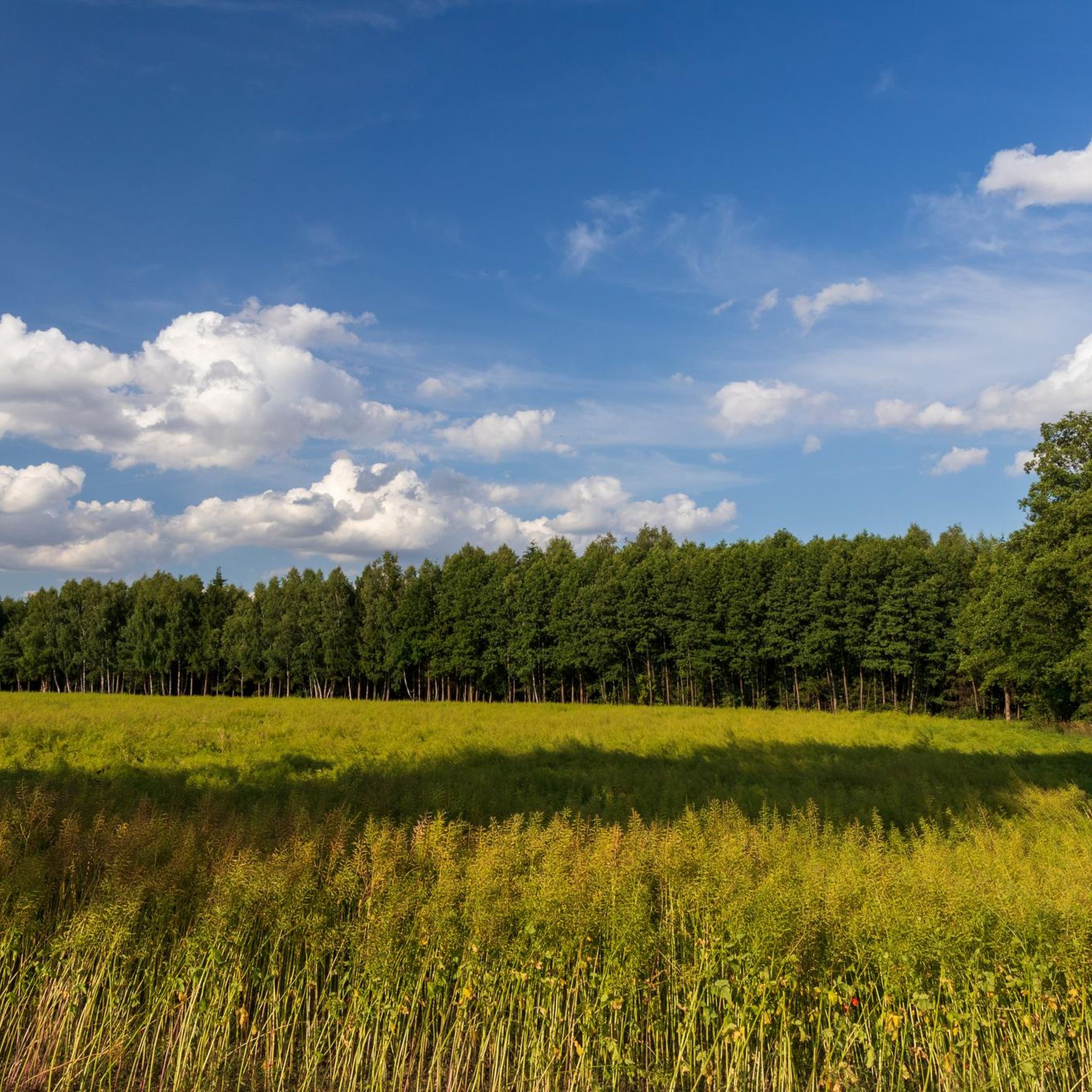
Historic Site | Brdów, Poland This modest yet significant monument commemorates the Battle of Brdów, fought on April 29, 1863, during the January Uprising against the Russian invaders. Many insurgents died in the battle, including their commander, Léon Young de Blankenheim, a French officer fighting on the Polish side. The monument is located on the outskirts of Brdów, in a peaceful, rural setting. It consists of a cross, commemorative plaques, and a symbolic grave. It is a place of reflection and contemplation on Poland's fight for independence in the 19th century. 🚴 Tip for hikers and cyclists The monument lies along the route from Brdów to Lubotyń – an ideal stopover point during a bike trip through the Greater Poland region. It is worth stopping for a moment to soak up the atmosphere of this place.
1
0

St. Wojciech, located on the high shore of Lake Brdowskie, is an oriented church, originally Gothic, baroque and expanded in the 17th and 18th centuries. https://pl.wikipedia.org/wiki/Brd%C3%B3w#Ko%C5%9Bci%C3%B3%C5%82_i_klasztor_oo._paulin%C3%B3w
0
0
The neo-Gothic church of the Holy Family was built in 1905–1909 on the site of the church of St. Nicholas from 1572. The design of the church was made by the architect Józef Pius Dziekoński, following the example of the church of St. Anna in Vilnius. The main altar, side altars and the pulpit are made of richly carved wood. Next to the temple, there is a historic brick belfry from 1834. https://pl.wikipedia.org/wiki/Ko%C5%9Bci%C3%B3%C5%82_%C5%9Bw._Rodzin_w_Przedczu
0
0
In the center of the Market Square there is a monument to those who died and were murdered for free Poland. The Town Hall is located at the Market Square. https://pl.wikipedia.org/wiki/Ratusz_w_Przedczu
0
0
The medieval castle was erected during the reign of Casimir the Great, probably before 1360. The castle was surrounded by brick defensive walls on a rectangular plan with a round tower in the corner. It was a defensive tower (bergfried) where, in the event of the castle being captured, the crew could take refuge and continue their defense. The entrance to the castle was possible through a rectangular gatehouse and a drawbridge. The stronghold was surrounded by a moat that was connected to the lake. In the middle of the 16th century, the castle was rebuilt and the tower was decorated with an attic. From the 18th century, the castle was not renovated and fell into ruin. In the 19th century, the remains of the castle were rebuilt into an evangelical church in the neo-Gothic style, and the tower was converted into a belfry. In 1977, the Municipal Cultural Center and the District Museum began operating in the castle. https://pl.wikipedia.org/wiki/Zamek_w_Przedczu
0
0
Frequently Asked Questions
What types of historical sites can I explore in Gmina Izbica Kujawska?
Gmina Izbica Kujawska is rich in history, offering a variety of sites. You can visit ancient Przedecz Castle, a medieval structure from the reign of Casimir the Great. The region is also home to unique Megalithic Tombs (Grobowce Kujawskie) in villages like Sarnowo, Wietrzychowice, and Gaj, which are prehistoric burial mounds dating back 5,500 years. Additionally, there are several historic churches and monuments commemorating significant events.
Are there any notable religious buildings to visit in the area?
Yes, the region features several significant religious buildings. Don't miss St. Adalbert's Church in Brdów, known for its original Gothic architecture and Baroque expansions, beautifully situated on the high shore of Lake Brdowskie. Another highlight is the neo-Gothic Holy Family Church in Przedecz, inspired by the Church of St. Anna in Vilnius. The Parish Church of the Assumption of the Blessed Virgin Mary in Izbica Kujawska, a 15th-century Gothic church, also holds historical and cultural importance.
What natural features can I discover around Gmina Izbica Kujawska?
The Gmina Izbica Kujawska area boasts several natural attractions. You can explore various lakes such as Lake Brdowskie, Głuszyńskie Lake, Jezioro Modzerowskie, and Jezioro Długie, which offer scenic views. The region also has designated natural monuments, primarily ancient trees like pedunculate oaks and Scots pines, found in villages like Śmieły and Wietrzychowice, along with the 'Widły' erratic boulder in Długie.
Are there any family-friendly attractions in Gmina Izbica Kujawska?
Families can find engaging historical sites like the Monument to the Battle of Brdów 1863, which offers a reflective stop to learn about local history. Exploring the Megalithic Tombs can also be an educational and intriguing experience for older children. The natural landscapes, including the lakes and ancient trees, provide opportunities for outdoor family walks and exploration.
What outdoor activities are available near the attractions?
For those looking to be active, there are several cycling routes around Gmina Izbica Kujawska. You can find easy bike loops starting from locations like Orle or Niwki, offering distances from 12 km to nearly 30 km. These routes often pass by scenic countryside and local points of interest. For more details on cycling opportunities, visit the Cycling around gmina Izbica Kujawska guide.
Can I visit the historic Synagogue in Izbica Kujawska?
The Synagogue in Izbica Kujawska, dating from the mid-19th century, is a significant historical building. While it has undergone renovation to restore some of its pre-war exterior features, it currently houses a clothing store. Visitors can appreciate its historical architecture from the outside.
What is the significance of the Monument to the Battle of Brdów 1863?
The Monument to the Battle of Brdów 1863 commemorates a pivotal event during the January Uprising against Russian invaders. It honors the insurgents, including their French commander, Léon Young de Blankenheim, who fell in the battle. The monument, consisting of a cross and commemorative plaques, serves as a place for reflection on Poland's fight for independence.
Is there a central town square or market area in Izbica Kujawska?
Yes, the central point of Izbica Kujawska is its Rynek, or Market Square, which features Plac Wolności (Freedom Square). This is where the main streets of the town intersect, offering a glimpse into local life and serving as a hub for the community.
What do visitors enjoy most about the attractions in Gmina Izbica Kujawska?
Visitors appreciate the blend of rich history and natural beauty. The historic churches, ancient Megalithic Tombs, and medieval castle remnants offer deep cultural insights. The serene lakes and designated natural monuments provide peaceful settings for exploration. The komoot community has shown appreciation for these sites, sharing photos and upvoting their experiences.
Are there any accessible historical sites in the region?
The Przedecz Town Hall and Memorial Monument is noted as wheelchair accessible, making it an option for visitors seeking easier access to historical points of interest in the area.
Where can I see ancient burial sites in Gmina Izbica Kujawska?
You can find the impressive Megalithic Tombs (Grobowce Kujawskie) in several villages surrounding Izbica Kujawska, including Sarnowo, Wietrzychowice, and Gaj. These elongated mound structures are ancient burial sites for tribal elders, some reaching over 100 meters in length and featuring stones weighing up to 10 tons. The Cultural Park Wietrzychowice also encompasses some of these historic structures.
What is the history behind Przedecz Castle?
Przedecz Castle was constructed around 1360 during the reign of Casimir the Great. It was a formidable medieval fortress with brick defensive walls, a round defensive tower, a gatehouse, and a drawbridge, all surrounded by a moat connected to a lake. Although it fell into ruin by the 18th century, parts of it were later rebuilt and repurposed, with the Municipal Cultural Center and District Museum operating there since 1977.
Most popular routes around gmina Izbica Kujawska

Get inspired with the komoot mobile app


Explore more
Still not found the Highlight you’re looking for? See guides of the top attractions in other regions:
