Attractions and Places To See around gmina Dąbrowa Chełmińska - Top 20
Best attractions and places to see around gmina Dąbrowa Chełmińska include a variety of historical landmarks, natural reserves, and recreational opportunities. The region is characterized by its location along the Vistula River, offering diverse landscapes from river valleys to forested areas. Archaeological sites and historic buildings provide insight into the area's past. Gmina Dąbrowa Chełmińska features several nature reserves and water bodies, making it suitable for outdoor activities.
Best attractions and places to see around gmina Dąbrowa Chełmińska
- The most…
Last updated: May 4, 2026
Ostromecko Palace and Park Complex
Highlight • Historical Site
Translated by Google •
Tip by

Borówno Observation Tower
Highlight • Viewpoint
Translated by Google •
Tip by

Sign up now to discover places like this
Get recommendations on the best single tracks, peaks, & plenty of other exciting outdoor places.
Sign up for free
Głęboka Droga in Starogród
Highlight • Trail
Translated by Google •
Tip by
Mill Island (Wyspa Młyńska)
Highlight • Settlement
Translated by Google •
Tip by

Opera Nova
Highlight • Monument
Translated by Google •
Tip by
Sign up for free to discover even more attractions around gmina Dąbrowa Chełmińska.
Sign up for free
Already have an account?
Start today with a free account
Your next adventure awaits.
Login or Signup
Popular around gmina Dąbrowa Chełmińska

Tips from the Community

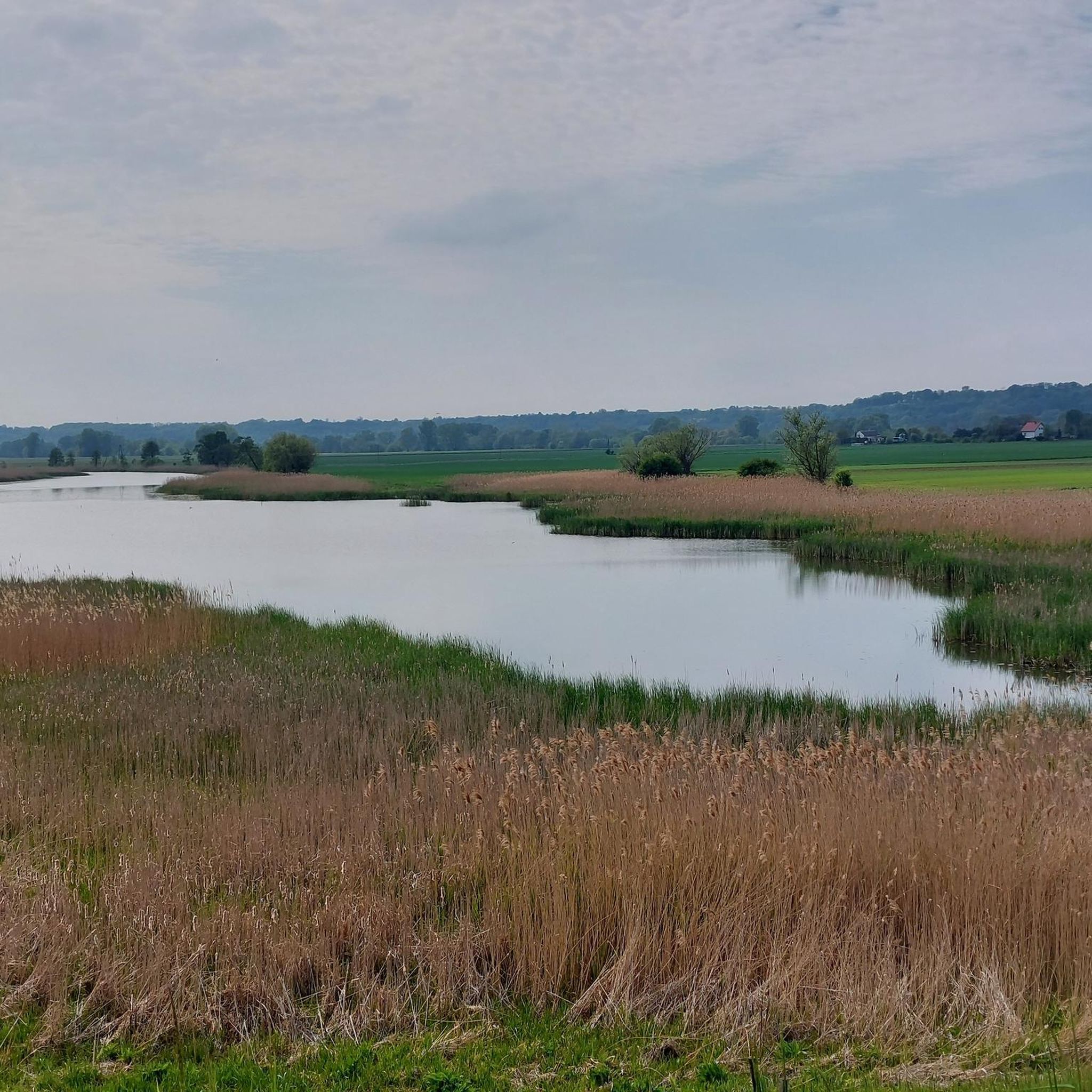
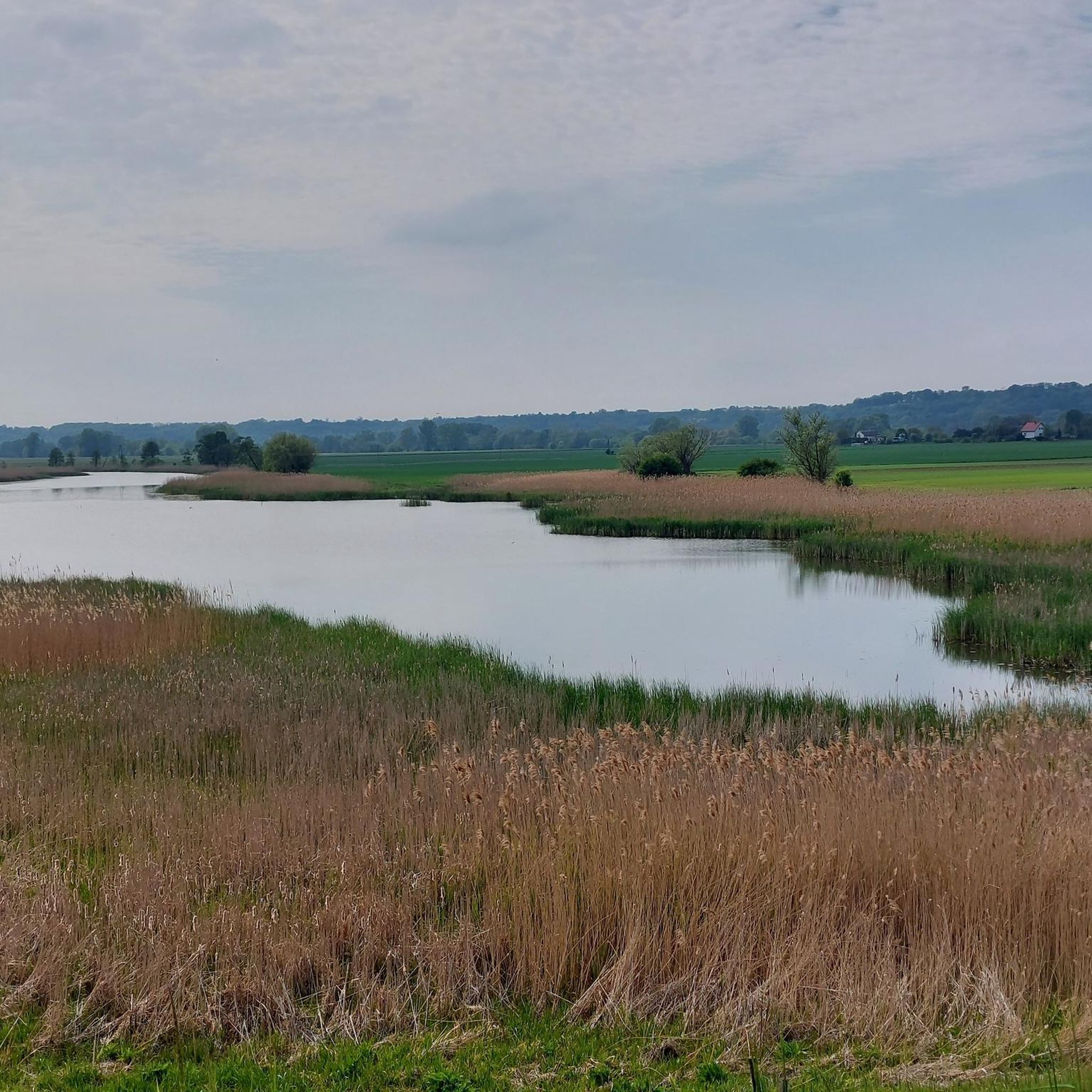
A quiet place, with a view of the sunset over the Vistula River.
0
0

It is a residential complex consisting of two palaces (the Old Palace and the New Palace) and a beautiful park. It is also a cultural and recreational center. There is even a museum of old, historic pianos!
0
0

A solid, large structure with great views. Unfortunately, there are no benches to rest. However, the parking lot is huge - there will be room for a lot of campers.
0
0

Restored place. Impressive walls, terraces as a place to relax, and an accessible viewing terrace from which you can look at the entire center.
0
0


The history of this place in a nutshell: Ostromecko Old Palace - already in the 13th century it was the site of a former knight's manor, and later in the 16th century a noble manor. In the 1750s, in place of the modest noble residence in Ostromecko, Paweł Michał Mostowski of the Dołęga coat of arms (1721–1781), Pomeranian voivode in the years 1758–1763, built a palace in the Dresden Baroque style, now called the Old Palace. After the first partition of Poland in 1772, Ostromecko was incorporated into the Kingdom of Prussia. From 1804, the owners became the wealthy merchant family Schönborn from Grudziądz. In 1832, Jakub Martin Schönborn commissioned the construction of a new residence, the so-called New Palace. At the same time, he began to arrange a landscape park in the English style, designed by the Prussian royal gardener. In 1873, the Schonborn and Alvensleben families were united in Ostromecko (Marta Matylda Maria Schönborn + Albrecht von Alvensleben) At the end of the 19th century, the Ostromecko estate was one of the largest in the Chełmno district. It covered an area of 3,000. hectares, where seven farms, a sawmill, a distillery, a brickyard and a mineral water plant operated. In 1920, under the Treaty of Versailles, Ostromecko was incorporated into the Polish state. The Ostromecko estate was then managed by Count Joachim von Alvensleben - a Polish citizen, of German nationality, of the Evangelical denomination, with a favorable attitude towards the Polish authorities. He employed Poles and parceled out land for them, and in 1930 he financed the monument of freedom in Ostromecko in honor of the 10th anniversary of regaining independence. In 1945, the Avensleben palaces, park and mausoleum were plundered by Soviet Army soldiers and the local population. After World War II, as part of the agricultural reform, the estates of the Alvensleben-Schonborn family were taken over by the State Treasury. In 1985, the Old Palace was taken over by the Pomeranian Philharmonic as its branch. Ignacy Paderewski in Bydgoszcz. The palace and park complex in Ostromecko was called "Bydgoszcz Wilanów" and it was planned to transform it into a cultural center radiating to the entire region. The Old Palace houses a collection (125 items) of contemporary Polish paintings and graphics, as well as a collection of 50 antique pianos and grand pianos. Additionally, valuable books and reprints of old works, mainly related to the Enlightenment era, have been collected here. Currently, all palace buildings are owned by the City of Bydgoszcz. source[https://pl.wikipedia.org/wiki/Zesp%C3%B3%C5%82_pa%C5%82acowo-parkowy_w_Ostromecku]
0
0
The Park and Palace Complex in Ostromecko is also a place of interesting cultural events, including publicly available ones, often organized outdoors near the palace, which can be combined with a bicycle trip. I still remember Sunday bicycle trips from Toruń to Ostromecko combined with an open-air concert of excellent opera performers as part of the publicly available Sunday "Music Terraces" under the new palace. https://www.komoot.com/pl-pl/tour/1676977928
0
0

Frequently Asked Questions
What are some notable historical and cultural sites in Gmina Dąbrowa Chełmińska?
The region offers several historical and cultural attractions. You can explore the Palaces and Park Complex in Ostromecko, which houses the Andrzej Szwalbe Collection of historic pianos. The Historic Church in Dąbrowa Chełmińska, originally from the turn of the 19th and 20th centuries, is also significant. Additionally, archaeological sites like Grodzisko in Gzin and Pień reveal ancient fortified settlements, and the 17th-century cemetery in Dąbrowa Chełmińska provides insight into historical burial practices. Don't miss the Jan Paweł Windmill, the last preserved windmill in the area, dating back to 1867.
Where can I experience nature and scenic views in the region?
For scenic views, visit the Borówno Observation Tower, a popular viewpoint offering excellent panoramic vistas, especially of the Vistula River. The Święty Roch Spring in Topolno, emerging from the base of a high hill, is another natural highlight. The Vistula River itself is a prominent natural feature, and its escarpment offers picturesque views along various trails.
Are there any unique natural reserves worth visiting in Gmina Dąbrowa Chełmińska?
Yes, the gmina is home to several nature reserves. The Wielka Kępa Ostromecka Nature Reserve protects an elm-ash riparian forest on the Vistula River valley. The Linie Nature Reserve is notable for its transitional bog featuring dwarf birch, a relic from the post-glacial period. The Reptowo Nature Reserve was established to protect a grey heron colony, and the Zbocza Płutowskie Reserve also contributes to the region's biodiversity.
What kind of outdoor activities can I do in Gmina Dąbrowa Chełmińska?
Gmina Dąbrowa Chełmińska is excellent for outdoor activities. You can enjoy cycling and hiking on numerous scenic routes, including the yellow "Rezerwatów Chełmińskich" trail and the black "Orlich Gniazd" trail along the Vistula escarpment. The region's lakes and rivers are popular for fishing. Agrotourism farms also offer activities like horseback riding, bonfires, and mushroom picking. For specific routes, you can explore easy hikes, MTB trails, and gravel biking routes in the area.
Are there family-friendly attractions or activities available?
Families can find several engaging options. The Palaces and Park Complex in Ostromecko offers open spaces for exploration. Many agrotourism farms in the gmina provide family-friendly activities such as mini-zoos and horseback riding. Nearby, JuraPark Solec is a dinosaur theme park that offers an engaging experience for children, and the Zoobotanical Garden in Toruń is another popular natural attraction suitable for families.
What are the best places for cycling in Gmina Dąbrowa Chełmińska?
The gmina offers numerous cycling routes. The black "Orlich Gniazd" trail, running from Ostromecko to Kamieniec, is popular for its forested areas and picturesque Vistula escarpment. The yellow "Rezerwatów Chełmińskich" trail also provides a longer cycling option. You can find various MTB trails and gravel biking routes suitable for different skill levels, often featuring views of the Vistula River and surrounding nature.
Can I find historical trails or paths with interesting stories?
Absolutely. The Głęboka Droga in Starogród is a historical trail that was once a main communication route connecting lowland areas with the castle and church. It even served as a filming location for a Polish TV series in 1968. This path offers a glimpse into the region's past transportation and community life.
What is the Ostromecko-Zdrój Mineral Water Bottling Plant?
The Ostromecko-Zdrój Mineral Water Bottling Plant is a historic industrial site in Ostromecko. It consists of three listed buildings, including a former water mill, and was where water from "Maria's Spring" (Źródło Marii) was bottled since 1894. It represents a significant piece of the region's industrial heritage.
Are there any attractions related to water or rivers?
The Vistula River is a central natural feature of the gmina, offering scenic views and recreational opportunities. The Wielka Kępa Ostromecka Nature Reserve is situated on a frequently flooded terrace of the Vistula River valley. The Borówno Observation Tower provides excellent views of the Vistula. Additionally, the region's numerous lakes and water reservoirs are rich in various fish species, making them attractive for fishing.
What are some popular attractions in nearby cities like Bydgoszcz?
While exploring Gmina Dąbrowa Chełmińska, you can also visit nearby Bydgoszcz. Highlights there include the beautiful Mill Island (Wyspa Młyńska), a popular spot with museums and recreational areas, and the impressive Opera Nova, an opera house known for its unique architecture and performances.
What do visitors enjoy most about the attractions in Gmina Dąbrowa Chełmińska?
Visitors frequently appreciate the excellent panoramic views from the Borówno Observation Tower, especially during bike trips. The historical significance of sites like Głęboka Droga in Starogród and the preserved Jan Paweł Windmill are also highly valued for their unique stories and heritage. The combination of natural beauty and historical depth makes the region appealing for exploration.
Are there any unique archaeological discoveries in the area?
Yes, the region has significant archaeological findings. The Grodzisko in Gzin and Pień are ancient fortified settlements with evidence of Lusatian culture dating back to 650-400 BCE. Additionally, an archaeological investigation in Dąbrowa Chełmińska uncovered a 17th-century cemetery, described as a "necropolis of the marginalized," with unusual burial practices reflecting societal fears of the time.
Most popular routes around gmina Dąbrowa Chełmińska
Most popular attractions around gmina Dąbrowa Chełmińska

Get inspired with the komoot mobile app


Explore more
Still not found the Highlight you’re looking for? See guides of the top attractions in other regions:
