The best MTB trails around Węgliniec
4.4
(25)
143
riders
39
rides
Mountain biking around Węgliniec offers access to the expansive Lower Silesian Forests, providing a network of routes through heavily wooded areas. The region features diverse natural elements, including scenic ponds and sections of former railway lines converted into cycling paths. Terrain varies from unpaved forest trails to asphalt sections, catering to different riding preferences. The landscape is characterized by dense woodlands and gentle elevation changes, making it suitable for various mountain biking experiences.
Best mountain bike trails around Węgliniec
- The…
Last updated: July 7, 2026
4.7
(3)
15
riders
21.9km
01:42
110m
110m
Easy mountain bike ride. Great for any fitness level. Suitable for all skill levels.
4.7
(3)
14
riders
68.1km
03:47
330m
330m
Moderate mountain bike ride. Good fitness required. Suitable for all skill levels.

Sign up for free
6
riders
Moderate mountain bike ride. Good fitness required. Suitable for all skill levels.
8
riders
38.7km
02:53
120m
120m
Moderate mountain bike ride. Good fitness required. Advanced riding skills necessary.
5.0
(3)
6
riders
Moderate mountain bike ride. Great for any fitness level. Advanced riding skills necessary.
Get access to more routes and recommendations from other explorers.
Sign up for free
Already have an account?
Our route recommendations are based on thousands of hikes, rides, and runs completed by other people on komoot.
Start today with a free account
Your next adventure awaits.
Login or Signup

Tips from the Community

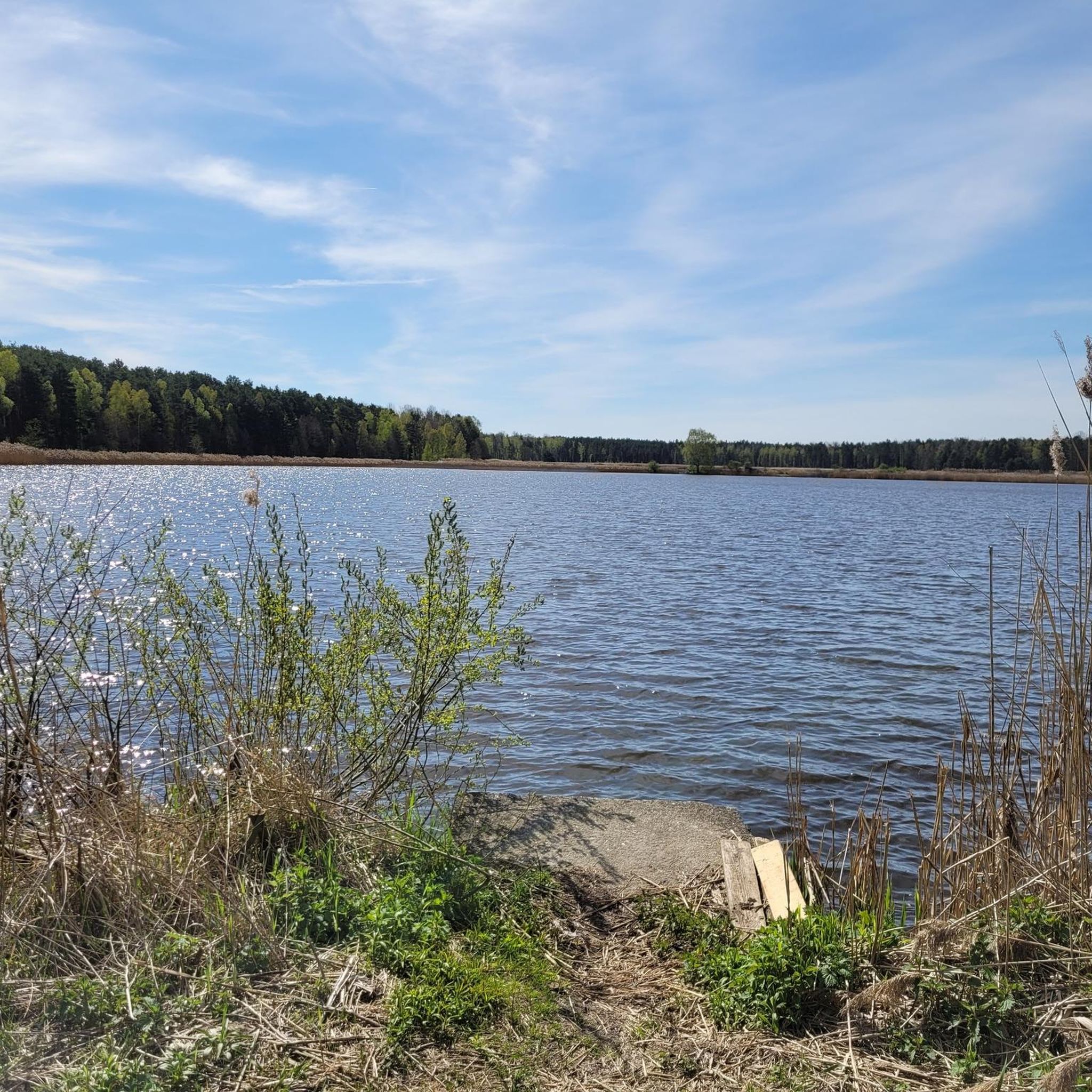
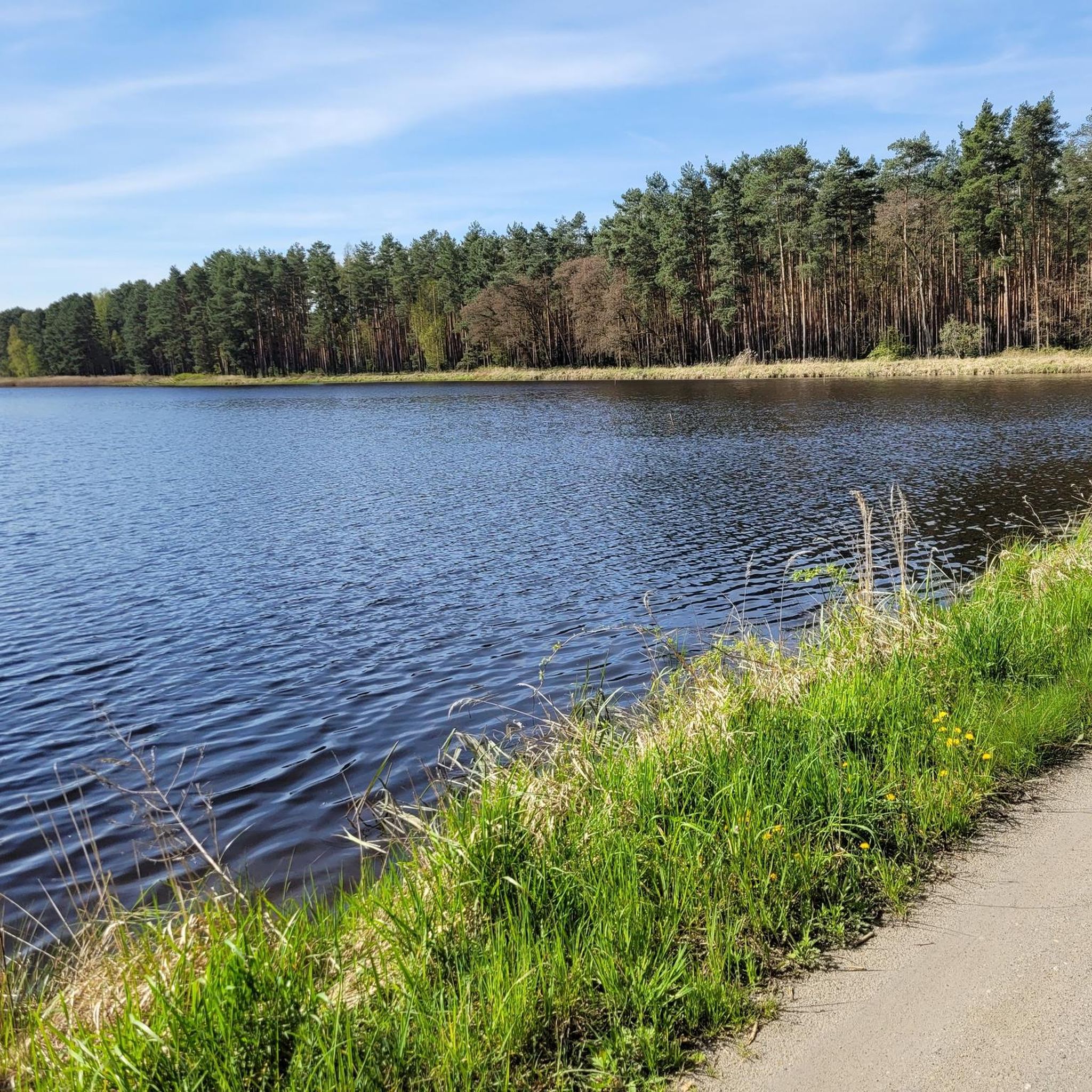
Roman Ponds (Staw Rzymski). View of the Roman Ponds near Jagodzin.
0
0

On September 1, 1847, the first trains of the Lower Silesian-Marcher Railway crossed the newly completed Neisse Viaduct, a 475-meter-long and 35-meter-high structure, from Kohlfurt. Spanning the Neisse Valley with 30 arches, the viaduct also marked the completion of the Dresden-Görlitz line of the Saxon-Silesian Railway, thus establishing a rail connection to Saxony. Its size is unparalleled in Lower Silesia. The total amount of stone required and delivered for the construction of the Görlitz Viaduct was 1,322,255 cubic feet – equivalent to 37,442 cubic meters. The viaduct's architect was Gustav Kießler. Görlitz owes Kießler not only the Neisse Viaduct but also his involvement in the construction of the city's first train station and theater. About the person: Gustav Kießler, architect and politician, born May 12, 1807, in Görlitz; died 1883; full name: Gustav Julius Gotthelf Kießler https://de.wikipedia.org/wiki/Nei%C3%9Fevia
0
0
Lake Berzdorf near Görlitz is a popular destination for locals and tourists alike. The north beach is one of the quietest sections of the lake. Here you can swim and relax, while the beach is monitored by the observation tower and lifeguards from the German Red Cross (DRK). Two campsites offer space for caravans and motorhomes. https://www.kuladig.de/Objektansicht/BKM-31000273
0
0

Beautiful sandy beach with snack bar
0
0

It's always interesting to see how life manifests itself in prefabricated housing. It's still somewhat different in Poland than in Germany.
0
0

Definitely go there with kids. It's great fun for the whole family.
0
0

The Old Town Bridge was the first fortified Neisse crossing in the city of Görlitz. Until 1945, it connected Görlitz's Old Town with the eastern suburbs in various forms. After the demolition of the 1907 half-timbered arch bridge shortly before the end of World War II and the subsequent division of the city into German and Polish parts, only the stone abutments on both banks remained as a reminder of the bridge. In 2004, a new pedestrian bridge was opened over the Lusatian Neisse between Görlitz on the German side and Zgorzelec on the Polish side. The arch bridge has a span of approximately 80 meters and is intended to be a symbol of a Europe growing together and the reunification of urban districts. (from Wikipedia)
4
0

The viaduct is 475 m long and was put into operation in 1847 with the railway line from Görlitz to Kohlfurt. More about the history at: https://de.m.wikipedia.org/wiki/Nei%C3%9Feviadukt_(G%C3%B6rlitz)
1
0
Frequently Asked Questions
How many mountain bike trails are available around Węgliniec?
There are over 35 mountain bike trails around Węgliniec, offering a variety of experiences through the Lower Silesian Forests. These routes cater to different skill levels, with options for both easy and moderate rides.
What kind of terrain can I expect on mountain bike trails near Węgliniec?
The terrain around Węgliniec is primarily characterized by dense woodlands and gentle elevation changes within the Lower Silesian Forests. You'll find a mix of unpaved forest trails and asphalt sections, including routes that utilize former railway lines, offering varied surfaces for mountain biking.
Are there any easy mountain bike trails suitable for beginners or families in Węgliniec?
Yes, Węgliniec offers several easy mountain bike trails. A notable family-friendly option is a newly completed route following a former railway line from Węgliniec to Czerwona Woda, which is separated from road traffic and features both dirt and asphalt sections. Another easy route is the Mountainbike loop from Iłowa, spanning 22.1 km.
Are there any circular mountain bike routes around Węgliniec?
Yes, many of the mountain bike routes around Węgliniec are circular. For example, the Staw Sarni Nowy loop from Węgliniec is a moderate 38.7 km circular trail that takes you through varied landscapes.
What natural features or viewpoints can I see along the mountain bike trails?
The trails often wind through the picturesque Lower Silesian Forests, offering views of scenic ponds like those in Czerwona Woda and the viewpoint at Staw Wolno-Stary. The region is also known for its rich fungi, sometimes called the 'mushroom capital,' especially around the Zgorzelec Forest.
What do other mountain bikers enjoy most about Węgliniec?
The mountain biking experience in Węgliniec is highly rated by the komoot community, with an average score of 4.1 stars from over 15 reviews. Riders often praise the expansive, heavily wooded areas of the Lower Silesian Forests and the tranquil ponds, which provide a peaceful and scenic environment for cycling.
Are there any interesting landmarks or attractions near the mountain bike routes?
Yes, beyond the trails, you can explore several attractions. The Market Square, Rothenburg (Oberlausitz) is a charming spot, and the Oder–Neisse Cycle Path – Bad Muskau offers a scenic cycling experience. You might also encounter the Easternmost Point of Germany.
Are there any lakes or water bodies accessible from the mountain bike trails?
Yes, the region features several scenic lakes and ponds. You can find tranquil spots like the ponds in Czerwona Woda and Staw Wolno-Stary. Nearby, you can also explore lakes such as Biehain Forest Lake and Großteich, which are part of the Biehainer Lakes Recreation Area.
What is the best time of year to go mountain biking in Węgliniec?
Węgliniec is suitable for mountain biking through much of the year, with the forested areas providing shade in warmer months and picturesque scenery in autumn. The region is known for its fungi, suggesting a vibrant natural environment during late summer and early autumn. Winter mountain biking is possible, but conditions may vary.
Are there any facilities like cafes or accommodation for cyclists in Węgliniec?
Węgliniec is described as an 'ideal stop for nature and bicycle lovers,' with growing agritourism in the area. While specific cafes or pubs directly on trails are not detailed, the town and surrounding villages offer amenities and accommodation options, making it a convenient base for exploring the region.
What is the typical difficulty level of mountain bike trails in Węgliniec?
The mountain bike trails around Węgliniec are predominantly easy to moderate in difficulty. There are no trails listed as difficult, making the area accessible for a wide range of riders, from beginners to those seeking a more relaxed but engaging ride.
Can I find parking at the trailheads for mountain biking in Węgliniec?
While specific parking locations for every trailhead are not detailed, Węgliniec and its surrounding areas are generally accommodating for outdoor activities. Given the region's focus on cycling, you can typically find parking in or near the towns and villages that serve as starting points for the routes.
Most popular attractions around Węgliniec

Get inspired with the komoot mobile app


Explore more
Browse the best MTB trails in other regions.
