The best walks and hikes around gmina Sobótka
4.8
(985)
20,450
hikers
197
hikes
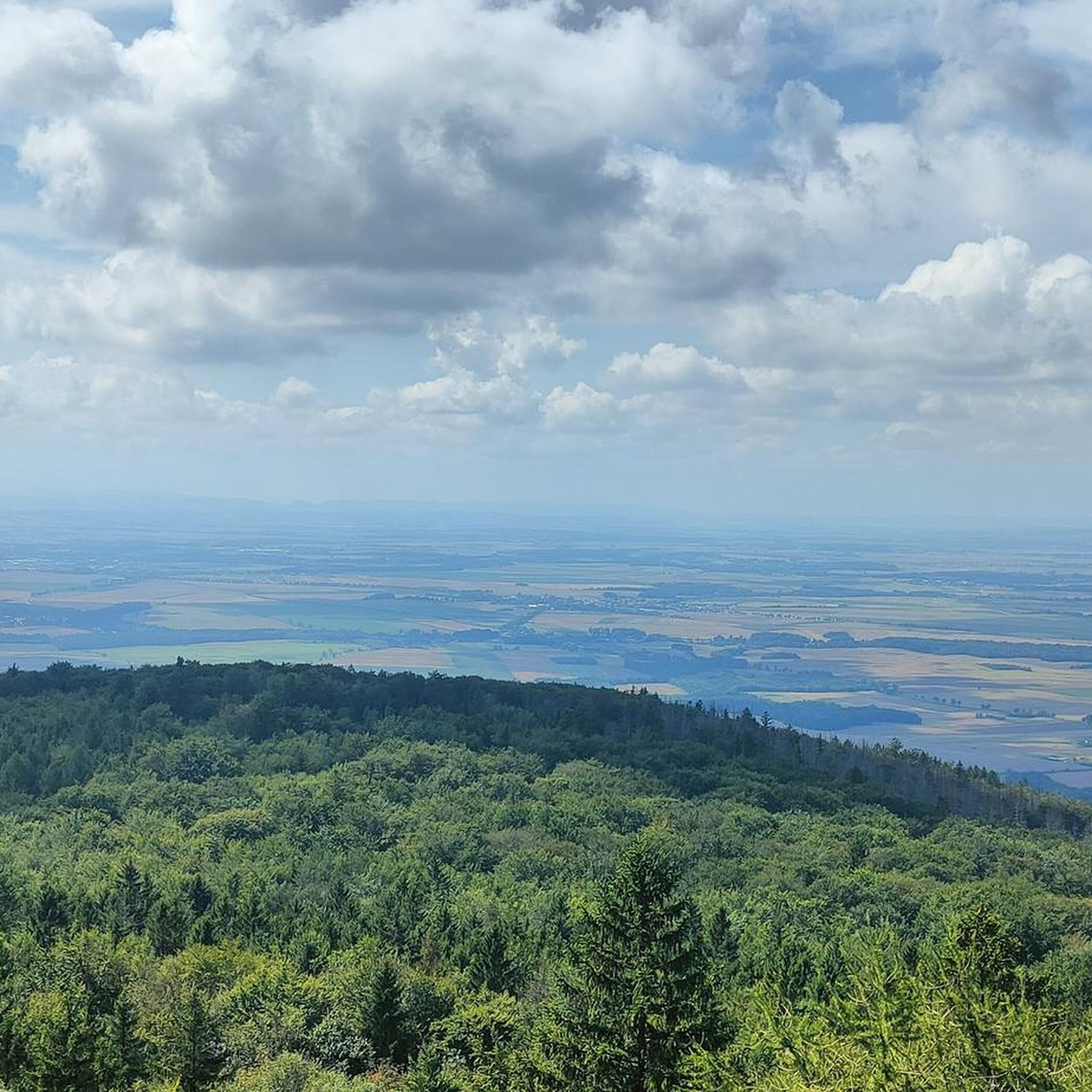
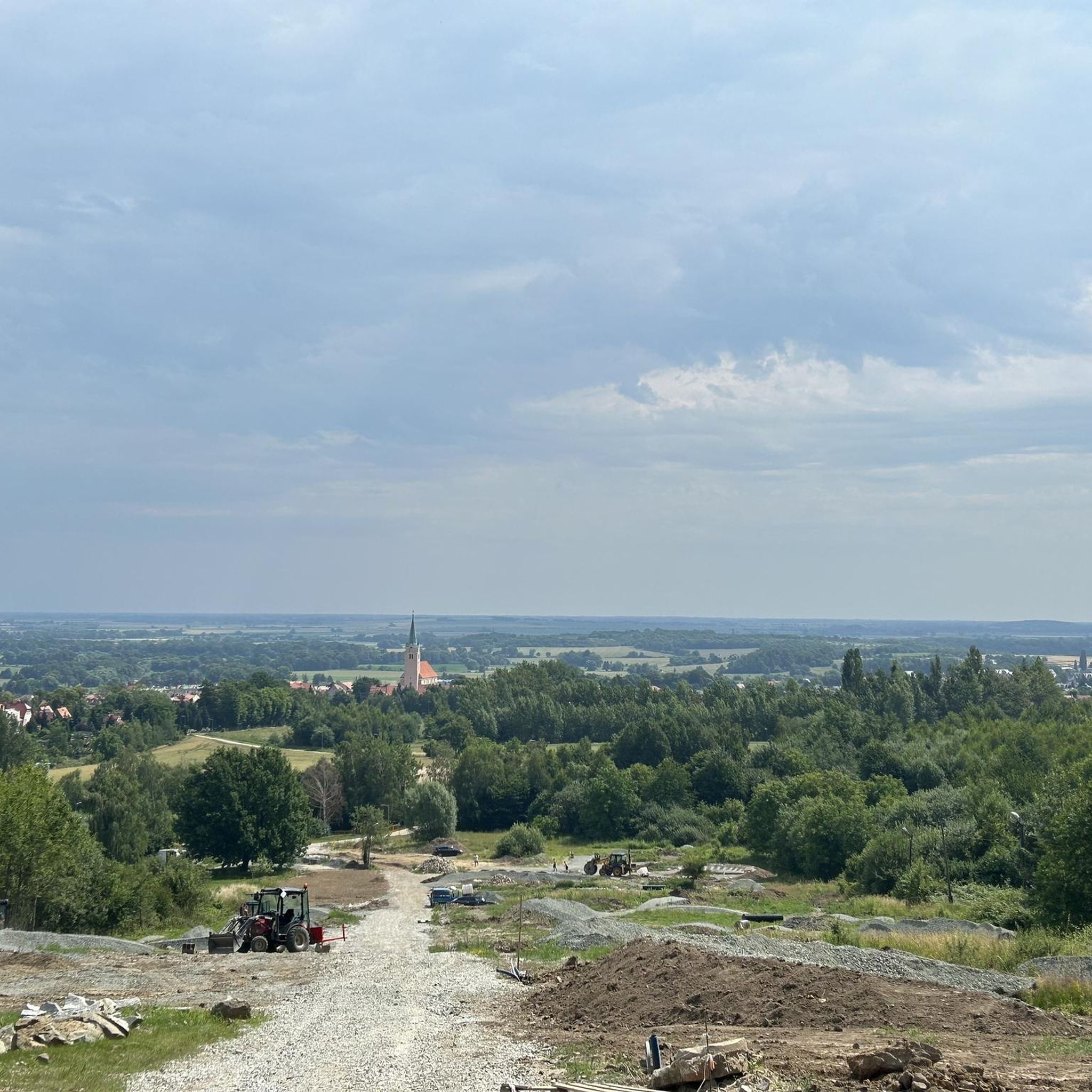
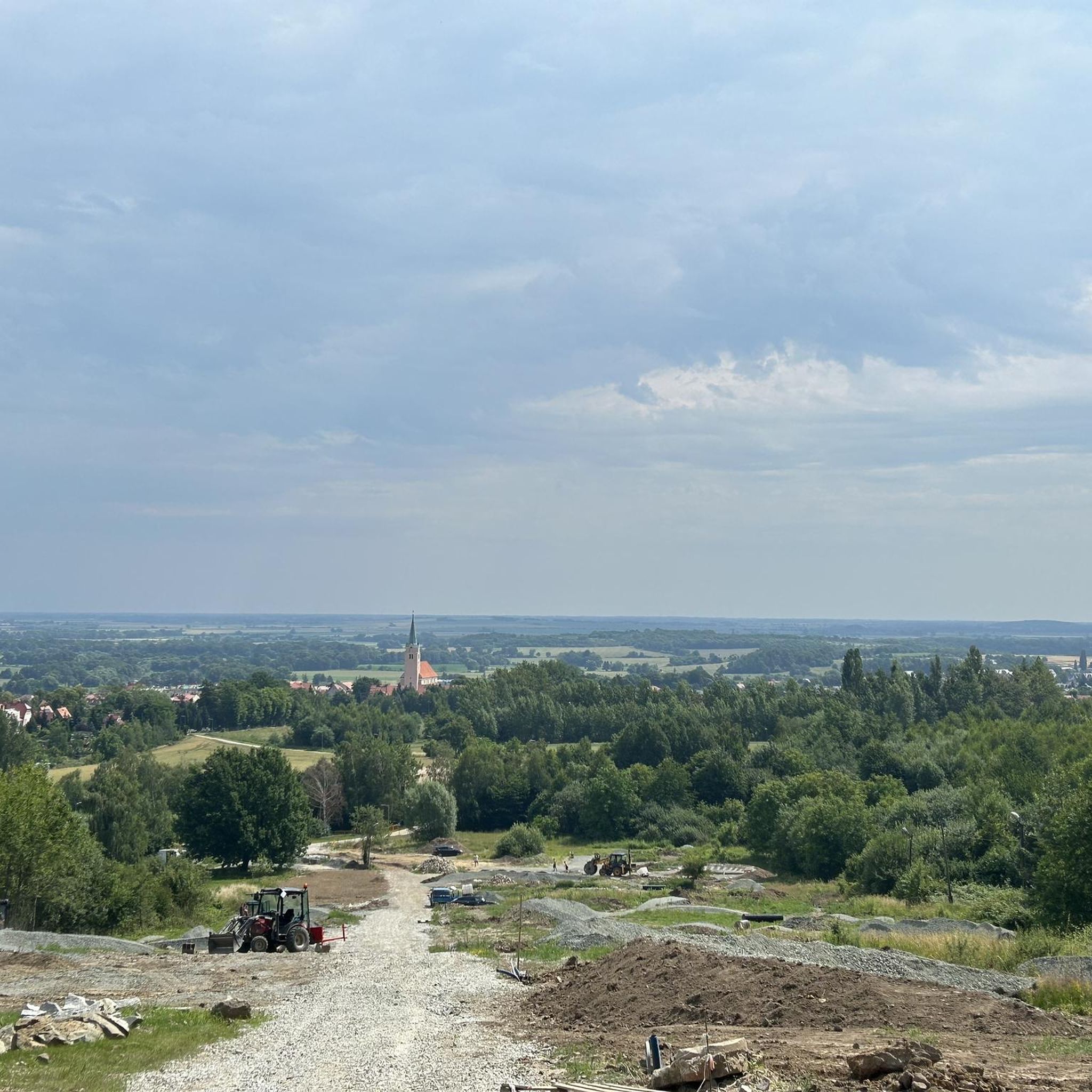
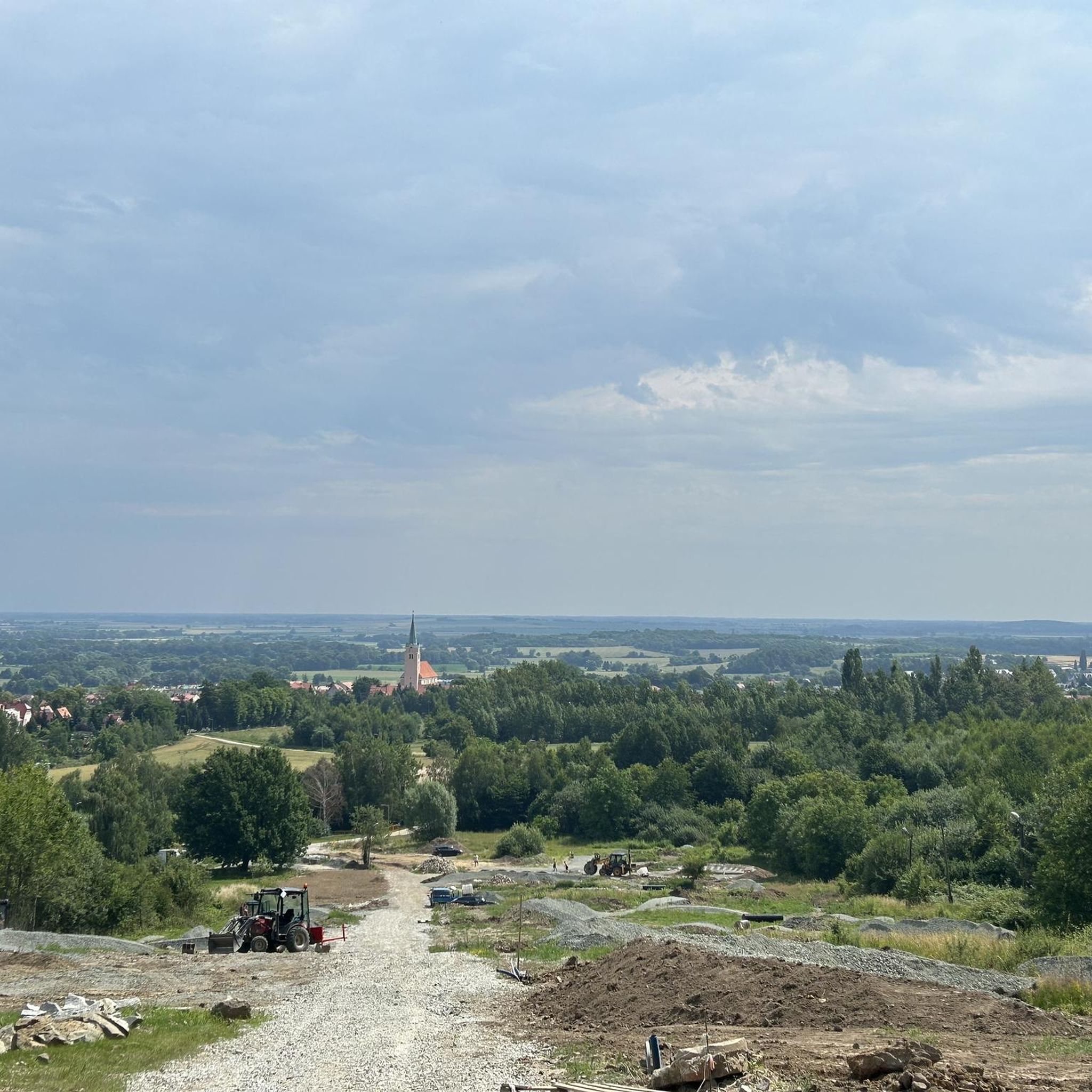
Hiking around gmina Sobótka is centered around the distinctive Ślęża Massif, often referred to as the "Silesian Olympus." This region features a solitary, forested cone rising dramatically from surrounding flat plains, offering panoramic views. The terrain is characterized by dense forests, varied elevations, and numerous rock formations within the Ślężański Landscape Park. The area provides a diverse network of trails suitable for various fitness levels, from gentle walks to more demanding ascents.
Best hiking trails around gmina Sobótka
- The most popular hiking route is Archaeological Trail through Ślęża, a 5.8 miles (9.4 km) trail that takes 2 hours 59 minutes to complete. This route explores ancient sites and varied forest terrain on the Ślęża Massif.
- Another top favourite among local hikers is Radunia Loop Trail from Tąpadła Pass, an easy 3.4 miles (5.5 km) path. This path offers views from Tąpadła Pass and winds through the Ślężański Landscape Park.
- Local hikers also love the Mount Ślęża – Ślęża Observation Tower loop from Rezerwat Góra Radunia, a 4.1 miles (6.6 km) trail leading through the Ślęża Massif, often completed in about 2 hours 11 minutes.
- Hiking around gmina Sobótka is defined by forested mountains, dramatic rock formations, and panoramic viewpoints. The network offers options for different ability levels, from easy walks to moderate ascents.
- The routes in gmina Sobótka are highly rated by the komoot community with an average score of 4.7 stars from over 660 reviews. More than 14,000 hikers have used komoot to explore gmina Sobótka's varied terrain.
Last updated: August 31, 2026
4.8
(65)
1,505
hikers
9.39km
03:00
360m
360m
Hike the moderate 5.8-mile Yellow trail from Tąpadła Pass to Ślęża, gaining 1190 feet to reach the summit and observation tower.
4.6
(28)
266
hikers
5.55km
01:39
170m
170m
Explore the easy 3.4-mile hiking trail around Radunia's summit in Ślężański Landscape Park, featuring forests and viewpoints.

Sign up for free
4.8
(137)
2,194
hikers
Moderate hike. Good fitness required. Easily-accessible paths. Suitable for all skill levels.
5.0
(2)
95
hikers
16.3km
04:29
280m
280m
Hike the Black trail: Around Ślęza: Ślężański Landscape Park, a moderate 10.1-mile loop through ancient forests and diverse terrain.
4.8
(80)
1,606
hikers
Moderate hike. Good fitness required. Easily-accessible paths. Suitable for all skill levels.
Get access to more routes and recommendations from other explorers.
Sign up for free
Already have an account?
Our route recommendations are based on thousands of hikes, rides, and runs completed by other people on komoot.
Start today with a free account
Your next adventure awaits.
Login or Signup

Tips from the Community

Follow the little trail at the bear statue for 100 m to a viewing tower
0
0

Golden autumn in mid-October!
0
0

The yellow trail, for everyone :)
0
0

The Lustig Spring is named after Gustav/Georg Lustig, a Wrocław physician and member of the Silesian Society who conducted archaeological research in the Ślęża Massif. In the 20th century, members of the Zobten Gebirgs Verein built a characteristic stone enclosure around the spring, which is known for its periodic water flow.
2
0
A historic tourist facility located at the summit of Mount Ślęża at 718 meters above sea level, named after Roman Zmorski and listed as a historical monument since 1988. The current stone building was constructed in 1907-1908 under the patronage of the Zobten Mountain Society, replacing earlier wooden structures that had served hikers since 1837. Originally featuring a richly decorated "Zobten Hermitage" hall where mountain society members gathered among hunting trophies, the building now operates as a tourist house providing only catering services due to water supply issues that prevent overnight accommodation!!!
1
0
built on the ruins of a medieval Piast castle whose fragments can still be seen in the church's underground crypt. Originally founded in the 12th century by Palatine Piotr Włostowic who brought Augustinian canons from Flanders, the current neo-Romanesque structure dates from 1852 after the previous chapel was destroyed by lightning in 1834.
1
0
The mountain has two archaeological trails marked with the symbol of the Ślęża bear, allowing visitors to discover the ancient stone sculptures while trekking. Despite its relatively modest elevation, Ślęża offers impressive views due to its prominent rise of over 500 meters above the surrounding lowlands.
1
0
Frequently Asked Questions
How many hiking trails are available in gmina Sobótka?
Gmina Sobótka offers a wide selection of hiking opportunities, with over 160 trails recorded. These routes cater to various skill levels, including 73 easy, 81 moderate, and 12 difficult options, ensuring there's a suitable path for everyone.
What kind of terrain can I expect when hiking in gmina Sobótka?
The terrain in gmina Sobótka is primarily defined by the distinctive Ślęża Massif, often called the 'Silesian Olympus.' You'll encounter a solitary, forested cone rising dramatically from flat plains, offering varied elevations. The trails wind through dense forests, past numerous rock formations, especially within the protected Ślężański Landscape Park.
Are there easy hiking options suitable for families or beginners?
Yes, gmina Sobótka has many easy hiking options perfect for families or those new to hiking. The yellow trail from Tąpadła Pass is considered the easiest route to the summit of Ślęża. For families, the yellow trail from Sobótka through Wieżyca is recommended, offering attractions like the Tourist House with gnomes and a rope park. An excellent choice is the Radunia Loop Trail from Tąpadła Pass, an easy 3.4-mile (5.5 km) path that offers scenic views.
Can I bring my dog on the hiking trails in gmina Sobótka?
Generally, dogs are welcome on hiking trails in gmina Sobótka, especially within the Ślężański Landscape Park. However, it's always advisable to keep your dog on a leash, particularly in nature reserves or areas with wildlife, and to check for any specific local regulations or signage on individual trails.
Are there any circular hiking routes in the area?
Yes, gmina Sobótka offers several circular hiking routes. A popular option is the Mount Ślęża – Ślęża Observation Tower loop from Rezerwat Góra Radunia, a 4.1-mile (6.6 km) trail that takes you through the Ślęża Massif. Another is the Radunia Loop Trail from Tąpadła Pass, which is an easy 3.4-mile (5.5 km) path.
What interesting landmarks or viewpoints can I find along the trails?
The trails in gmina Sobótka are rich with natural and historical landmarks. On the summit of Mount Ślęża, you'll find an Observation Tower and the Church of the Visitation of the Blessed Virgin Mary, both offering panoramic views. Ancient pagan sites are marked by mysterious stone sculptures like The Bear and The Monk. The Skalna Perć Trail is notable for its rock formations. You can also visit the Bismarck Tower on Wieżyca Hill for more views.
Is there parking available at the trailheads?
Yes, parking is generally available at common starting points for hikes. Tąpadła Pass is a well-known starting point that offers good parking facilities and beautiful views, making it convenient for accessing various trails in the Ślęża Massif.
Can I reach the hiking trails using public transport?
While specific public transport schedules can vary, Sobótka town center serves as a hub and is accessible by public transport. From there, some trails, particularly those leading up Wieżyca or towards Mount Ślęża, might be within walking distance or accessible via local connections. It's recommended to check local bus schedules for routes connecting to popular trailheads like Tąpadła Pass.
What is the best time of year to go hiking in gmina Sobótka?
Gmina Sobótka is excellent for hiking from spring through autumn. Spring brings blooming nature, while summer offers lush greenery. Autumn is particularly beautiful with vibrant foliage. While winter hiking is possible, be prepared for colder temperatures and potentially snowy or icy conditions, especially on higher elevations of the Ślęża Massif.
What do other hikers enjoy most about hiking in gmina Sobótka?
The area is highly rated by the komoot community, with an average score of 4.7 stars from over 660 reviews. Hikers often praise the region's diverse terrain, from dense forests to dramatic rock formations, and the rewarding panoramic views from the summit of Mount Ślęża. The blend of natural beauty and ancient historical sites, like the pagan sculptures, also adds a unique appeal.
Are there any challenging hikes for experienced hikers?
Yes, for experienced hikers seeking a challenge, gmina Sobótka offers more demanding routes. The blue trail to the summit of Ślęża, though longer, provides a varied and beautiful terrain, particularly through the 'Skalna' reserve, known for its significant rock formations. The Archaeological Trail through Ślęża is a moderate 5.8-mile (9.4 km) route that explores varied forest terrain and ancient sites, offering a good workout.
Are there any long-distance hiking trails in gmina Sobótka?
Yes, for those looking for longer excursions, gmina Sobótka features trails that cover more ground. The Black Trail Around Ślęża is a notable option, spanning over 10 miles (16 km), offering a comprehensive exploration of the massif's surroundings.
Most popular routes around gmina Sobótka
Most popular attractions around gmina Sobótka

Get inspired with the komoot mobile app


Explore more
Browse the best Hikes in other regions.
