Attractions and Places To See around gmina Polkowice - Top 20
Best attractions and places to see around gmina Polkowice, located in Poland's Lower Silesian Voivodeship, offers a blend of historical sites, cultural attractions, and natural beauty. The region's copper mining history is reflected in several points of interest. Visitors can explore medieval reconstructions, historical ruins, and significant religious landmarks.
Best attractions and places to see around gmina Polkowice
- The most popular attractions is Obiszów Piast Fort Reconstruction, a historical site that is a reconstruction of a medieval settlement from…
Last updated: July 15, 2026
Lubań Town Hall
Highlight • Historical Site
Translated by Google •
Tip by

Ruins of Jakubów Palace
Highlight • Historical Site
Translated by Google •
Tip by

Sign up now to discover places like this
Get recommendations on the best single tracks, peaks, & plenty of other exciting outdoor places.
Sign up for free
Obiszów Piast Fort Reconstruction
Highlight • Historical Site
Translated by Google •
Tip by

Ruins of the Palace in Krzydłowice
Highlight • Historical Site
Translated by Google •
Tip by

Old Town Polkowice
Highlight • Historical Site
Eventful history, worth seeing town hall with Protestant church.
The surrounding area is characterized by copper mining.
More information: de.wikipedia.org/wiki/Polkowice
Translated by Google •
Tip by

Sign up for free to discover even more attractions around gmina Polkowice.
Sign up for free
Already have an account?
Start today with a free account
Your next adventure awaits.
Login or Signup

Tips from the Community

Entrance to the Ruins of Wolnu Palace. The palace, founded by the von Unwurde family, was built in the first half of the 16th century. It later became the property of the von Kreckwitz family. In 1850, the palace was rebuilt in the neo-Gothic style by von Richter. The estate changed owners several times: the Bomsdorf family, Count Kayserlink, and Henckel von Donnermarck. The last owner was Aurel von Riitberg and his wife Ilse. In February 1945, as the front was passing, the palace was plundered and burned. Since then, it has fallen into ruin. Source: https://www.polskiezabytki.pl/m/obiekt/113/Jakubow_-_Palac/
0
0

Something is happening. A small scaffold is already up. Security was present; after politely asking, I was allowed to take photos.
6
0

The first town hall existed as early as 1487, but it was a partially brick building with a tower. It was destroyed during the Thirty Years' War. A new Baroque-style town hall was built in its place between 1772 and 1775, funded by the Prussian King Frederick the Great. In 1816, a clock was installed in the town hall tower, which still keeps time for the residents of Polkowice today.
2
0

OLD BOYS, NOT PIASTS!!! WE OLD BOYS CLEARED THE PIASTS OUT OF THERE!!!!!!!
0
0

A beautiful, colorful market square where you can eat and relax
0
0

The first town hall was built in the 14th and 15th centuries. The relic of the Merchants' Tower in the center of the Ring dates from this period. A new Renaissance-style building was begun in 1524 based on designs by Hans Lindner. The architectural style was influenced by the Görlitz master builder Wendel Roskopf. The building also housed the town scales. The 35 x 45 m Citizens' Hall, the assembly hall on the ground floor and upper floors, and a large hall with a music gallery met the representative needs of Lauban, a town rich in cloth-making and trade. The building was expanded between 1551 and 1581. The town hall was originally more richly decorated, but after city fires in 1554, 1659, 1670, and 1760, it was rebuilt in a simplified form. The interior retains its ornate vaulted ribs. The clock tower was begun in 1620 and completed in 1688 with a three-pierced Baroque-style spire. Renovations took place in the mid-19th century. The spire burned down in 1929 and was rebuilt in concrete according to a design by Berlin architect Hans Poelzig. After being destroyed at the end of World War II in 1945, the town hall was reconstructed in the 1950s and 1970/1971, and its interior was restored in keeping with its style, including vaulted ceilings. (Wikipedia)
7
0
Reconstruction of a Piast stronghold. A nice attraction on the MTB trail.
1
0

This is not a real settlement - it is a reconstruction of a medieval settlement from the period of the Dziadoszanie tribe, but it looks really great. Historical films are made here, so I am not the only one who thinks so. The location is not accidental: not far from here there used to be this real stronghold.
0
0
Frequently Asked Questions
What historical sites can I explore in Gmina Polkowice?
Gmina Polkowice is rich in history. You can visit the Old Town Polkowice, featuring a historic town hall and Protestant church. Don't miss the Obiszów Piast Fort Reconstruction, a medieval settlement used for historical films. Other notable historical sites include the Ruins of Jakubów Palace and the Krzydłowice Palace Ruins. The region's copper mining heritage is also visible through monuments and mining-related sites.
Are there any family-friendly attractions in Gmina Polkowice?
Yes, Gmina Polkowice offers several family-friendly options. The Obiszów Piast Fort Reconstruction is a great attraction for all ages, offering a glimpse into medieval life. The Old Town Polkowice provides a pleasant environment for a stroll. Additionally, the Centralny Park Zabaw i Wypoczynku (Central Park of Fun and Recreation) offers leisure opportunities suitable for families.
What natural features or outdoor spaces can I visit in the area?
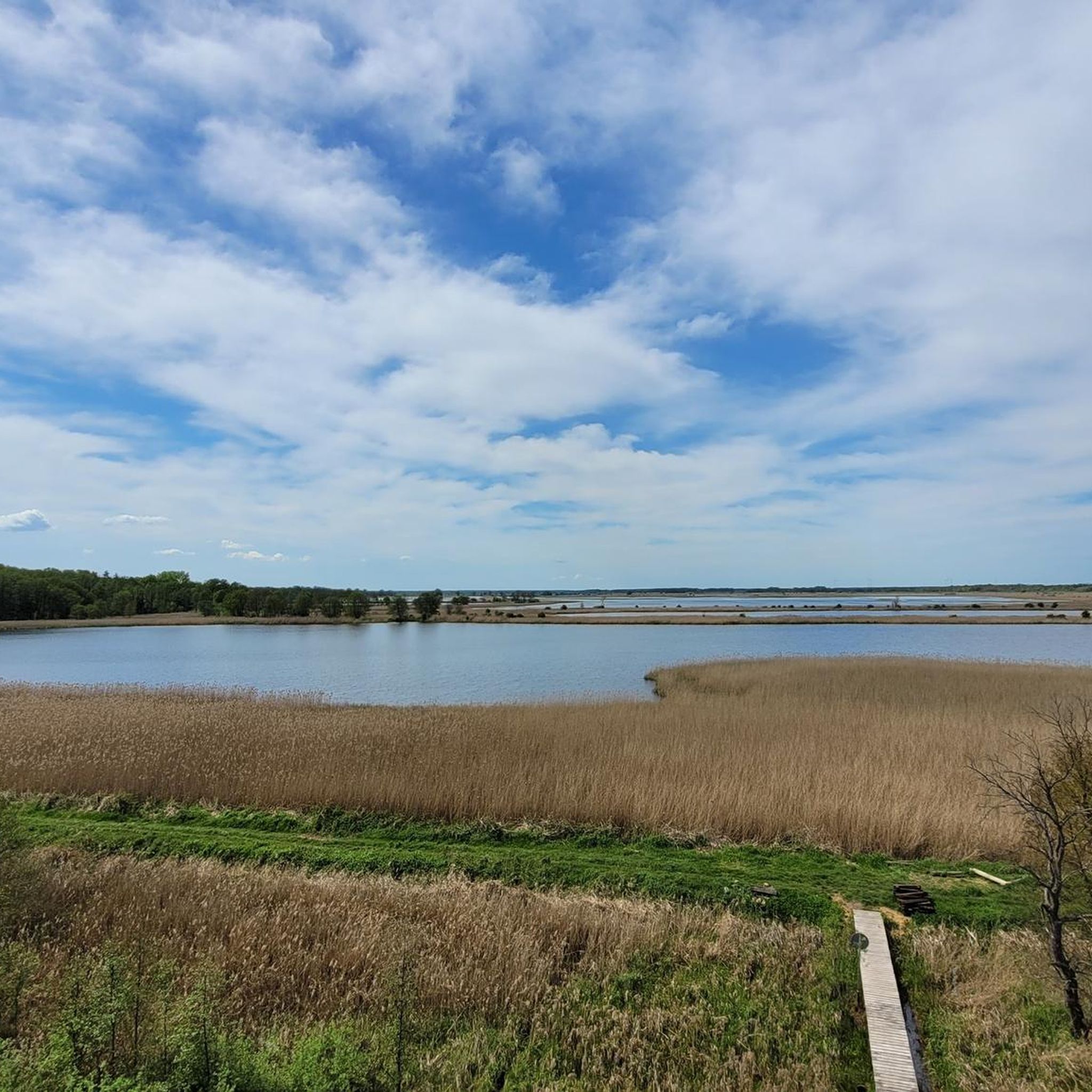
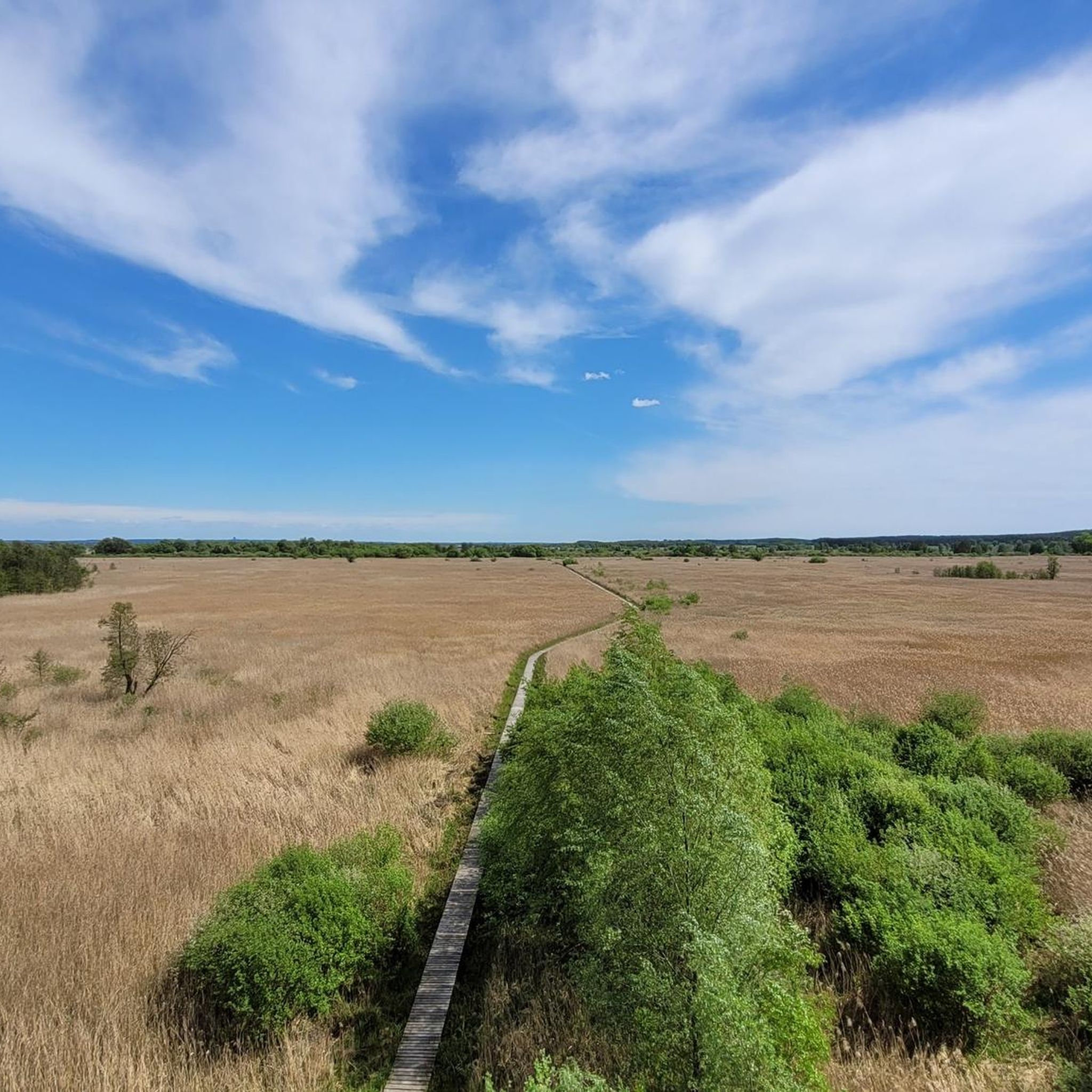
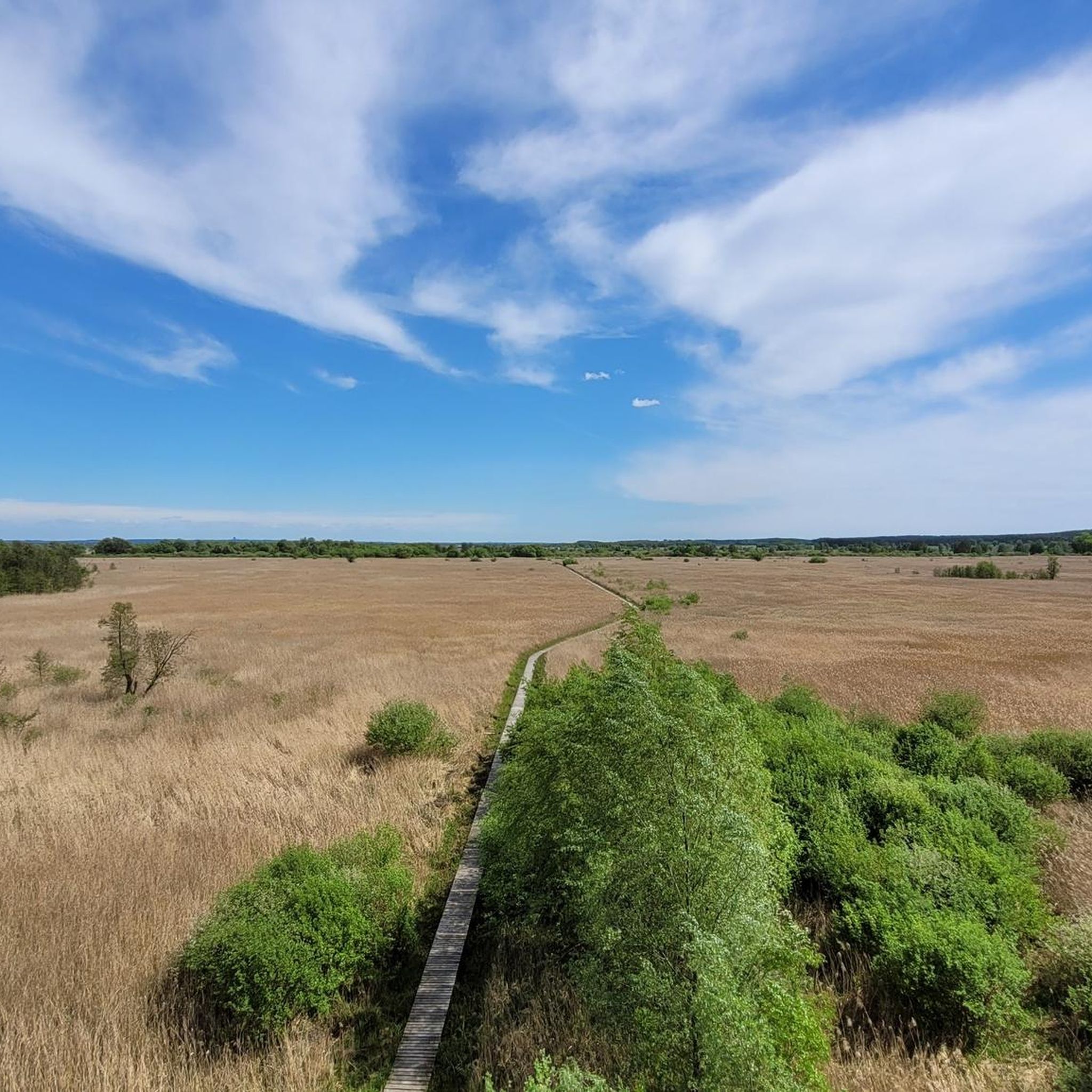
The region is part of the Dalkowskie Hills. For nature lovers, the Przemkowski Landscape Park Wetlands offer an observation tower with beautiful views of wetlands and ponds. You can also visit the Dąb Chrobry (Chrobry Oak), a notable ancient oak tree accessible by foot or bicycle, featuring a covered shed with a fireplace.
What kind of outdoor activities can I do near these attractions?
Gmina Polkowice is great for outdoor activities. You can find numerous trails for hiking and mountain biking. For specific routes, check out the MTB Trails around gmina Polkowice guide or the Hiking around gmina Polkowice guide. The famous Saint James' Way (Szlak Świętego Jakuba) also passes through the area, offering pilgrimage and hiking opportunities.
Are there easy hiking trails suitable for beginners or short walks?
Yes, there are easy hiking options available. You can explore routes like the Park Seniora loop or a 201 m loop, both starting from gmina Polkowice. For more details on accessible and less strenuous paths, refer to the Easy hikes around gmina Polkowice guide.
What cultural landmarks are there besides historical ruins?
Beyond the ruins, Gmina Polkowice boasts several cultural landmarks. The Lubań Town Hall is a significant Renaissance-style building with an ornate interior. The Dutch Windmill in Polkowice, renovated with a viewing terrace, now serves as a cultural center. You can also explore various churches like St. Michael the Archangel Church or St. Barbara Church, reflecting the region's religious heritage.
What is the significance of copper mining in Gmina Polkowice?
Gmina Polkowice is a significant center of the Legnica-Głogów Copper Belt, and its history is deeply intertwined with copper mining. This heritage is reflected in various sites, including the 'Miners of Polish Copper' monument, a model of a mining shaft, and a mining wagon, offering insight into the region's industrial past.
Are there any unique architectural sights to see?
Absolutely. The Lubań Town Hall is a prime example of Renaissance architecture, expanded between 1551 and 1581, featuring an ornate vaulted interior and a Baroque-style spire. The Dutch Windmill, a distinctive late 19th-century landmark, also stands out with its renovated brick facade.
What do visitors enjoy most about the attractions in Gmina Polkowice?
Visitors particularly appreciate the historical depth and unique reconstructions. The Obiszów Piast Fort Reconstruction is highly regarded for its realistic portrayal of a medieval settlement. The impressive ruins, like those of Jakubów Palace and Krzydłowice Palace, are also valued for their historical significance and atmospheric presence.
Are there any religious landmarks worth visiting?
Yes, Gmina Polkowice has several significant religious landmarks. These include the St. Michael the Archangel Church, dating back to the 15th/16th century, and the St. Barbara Church (formerly Evangelical), constructed in the late 19th century. The Sanktuarium Matki Bożej Jutrzenki Nadziei (Sanctuary of Our Lady of the Dawn of Hope) is another important religious site in the Polkowicki region.
Can I find viewpoints with good scenery in Gmina Polkowice?
For scenic views, head to the Przemkowski Landscape Park Wetlands, where an observation tower provides beautiful vistas of the wetlands and ponds. The renovated Dutch Windmill in Polkowice also features a viewing terrace at the top, offering a unique perspective of the surrounding area.
Most popular routes around gmina Polkowice
Most popular attractions around gmina Polkowice

Get inspired with the komoot mobile app


Explore more
Still not found the Highlight you’re looking for? See guides of the top attractions in other regions:
