Attractions and Places To See around gmina Twardogóra - Top 20
Best attractions and places to see around gmina Twardogóra include a mix of historical landmarks, natural features, and cultural sites. Located approximately 50 km from Wrocław, the region offers diverse landscapes, from the Twardogórskie Hills to the northern part of the Barycz Valley Landscape Park. Visitors can explore a variety of historical palaces, churches, and natural preserves. The area is also well-suited for outdoor activities, with numerous cycling and hiking routes.
Best attractions and places to see around gmina Twardogóra
…Last updated: July 15, 2026
Palace in Goszcz
Highlight • Historical Site
Translated by Google •
Tip by

Oleśnica Castle
Highlight • Castle
Translated by Google •
Tip by

Sign up now to discover places like this
Get recommendations on the best single tracks, peaks, & plenty of other exciting outdoor places.
Sign up for free
Evangelical Church in Goszcz
Highlight • Religious Site
Translated by Google •
Tip by

My Will Hunting Palace
Highlight • Historical Site
Translated by Google •
Tip by

Stradomia Reservoir Beach
Highlight • Beach
Translated by Google •
Tip by

Sign up for free to discover even more attractions around gmina Twardogóra.
Sign up for free
Already have an account?
Start today with a free account
Your next adventure awaits.
Login or Signup

Tips from the Community

The Protestant castle church was built by the von Reichenbach family in 1742. The church has been unused since 1945, and as a result, valuable objects from the church have likely gone missing. The church building is currently being restored for use again.
0
0

The von Reichenbach Palace (ruins), the first palace in Goszcz, was built between 1730 and 1740 on the site of a 12th-century castle. However, it was destroyed by a massive fire in 1749. Between 1749 and 1755, a new palace was built, designed by the Silesian Baroque architect Karl Martin Frantz. The entire manor-palace complex was grouped around a rectangular courtyard, the main axis of which was the palace building. Three entrance gates led to it. Until January 1945, the building belonged to the Reichenbach family, then it was occupied by Soviet troops and subsequently placed under the management of the local administration. On Christmas Eve 1947, a fire broke out in the palace. Despite the efforts of the fire brigade, the palace burned to the ground and was never rebuilt. In 2013, the Twardogóra commune authorities renovated some of the buildings on the western side of the complex, outbuilding I, palace servants' house I and the building connecting them.
0
0

A great tourist and recreational showcase of the region and an attractive place for lovers of outdoor recreation. A sandy, 300-meter beach allows for pleasant sunbathing. From the separate guarded bathing area there is a gentle descent to the water and children can safely splash around under the watchful eye of parents and lifeguards. During the holiday season, catering points and a water equipment rental (kayaks, water bikes) are open. For those who like to relax close to nature, staying overnight at a campsite - right by the beach - can be a great pleasure. Do you need activity? On the reservoir there are beach volleyball courts, football and basketball courts, two boules tracks, a rope playground for children with a sandbox and plenty of space for other beach games. There are also great conditions for sailing, windsurfing and fishing.
1
0

The defensive stronghold of the Oleśnica Piast dynasty was mentioned before 1238. The first record about the castle comes from 1292. Subsequent expansions and reconstructions turned it into a Renaissance residence with modern fortifications for those times. The expansion of the residence began in the years 1542-1561, and the finishing works continued in 1616. After World War II, Hungarian and Italian prisoners of war were held in the surviving buildings. Later, a branch of the Soviet International Red Cross was located there, and then the Construction Technical Secondary School and the Central School of Cub Scout Instructors of the ZHP. In the 1970s, the castle underwent another renovation and a branch of the Archaeological Museum in Wrocław was housed there. It is currently open to the public.
1
0

There is a hotel in the castle and you can rent it for photo shoots.
2
0
The Ducal Castle in Oleśnica is the most valuable and impressive monument in the city and one of the most valuable in Lower Silesia. Built in the 14th century and located in the southwestern part of the city fortifications. Earlier, perhaps before 1238, there was a ducal fortress here, and in 1245 a castellany was established. Until 1492 the Duchy of Oleśnica belonged to the Silesian Piasts and after the death of Konrad IX Weiss (the younger) in 1495 the castle passed into the possession of the Ziębice duke Henry I, then duke Jan, sons of the Czech king George of Podebrady. From 1647 the castle was owned by the princely families of the von Wirttenberg-Weiltigen (Oels) family, then administered by Brunswick (the princes of Bruszwica). In 1884, the castle became a fief of the Prussian monarchy and the residence of all heirs to the Prussian throne, and after many negotiations it became the private property of the von Hohenzollern family in 1926.
2
0

Count von Dohn's palace, mentioned in 1689. In the years 1730-1740, under Henry Leopold von Reichenabach, it was rebuilt by Italian builders into a two-wing, two-storey palace with a garden and a "salla terrain". In 1749, the construction of the orangery was completed. In the same year there was a fire in which the palace was destroyed. In the years 1749-1755 it was built according to a new palace designed by Karol Marcin Frantz. In the years 1886-1888, the hall, the interior of the annexes, dormers on the roofs and the north-eastern part of the building were rebuilt. connecting wing. After 1957, the orangery and the garden wing were demolished. Currently, the outbuildings are used by the population and the body of the palace is in total ruin.
1
0
Frequently Asked Questions
What historical sites can I explore in Gmina Twardogóra?
Gmina Twardogóra is rich in history. You can visit the ruins of the Palace in Goszcz, a significant historical site that was once compared to residences in Wilanów and Potsdam. Other notable historical landmarks include the Baroque Palace in Twardogóra, the historic Basilica of Our Lady Help of the Faithful, and the unique wooden churches like the Wooden Church of the Exaltation of the Holy Cross in Grabowno Małe and the Wooden Church of St. Giles in Chełstów.
Are there any natural attractions or preserves in the area?
Yes, the northern part of Gmina Twardogóra extends into the renowned Barycz Valley Landscape Park, known for its rich biodiversity. You can also explore the Torfowisko Natural Preserve near Grabowno Wielkie, a Natural Preserve in the vicinity of Gola Wielka, and the ecological site "Leśne Stawki" near Goszcz, which features charming ponds and riparian forests.
What outdoor activities are available, especially cycling and hiking?
Gmina Twardogóra is well-suited for outdoor enthusiasts. The area boasts extensive networks of hiking and cycling routes. For cycling, you can find various routes, including those around Twardogóra, such as the Road Cycling Routes around gmina Twardogóra or Cycling around gmina Twardogóra. Hikers can explore trails like the easy Hiking loop from Płonka or the Volmerstein Palace loop from Stawy.
Are there family-friendly attractions or activities in Gmina Twardogóra?
Absolutely! The Stradomia Reservoir Beach is a fantastic family-friendly spot, offering a sandy beach, a guarded bathing area, water equipment rentals, and facilities for beach volleyball, football, basketball, and a rope playground for children. The Oleśnica Castle is also considered family-friendly, where visitors can climb the tower for panoramic views.
Where can I go for swimming or water sports?
The Stradomia Reservoir Beach is the primary location for water activities. It offers opportunities for swimming in a guarded bathing area, as well as water sports like sailing, windsurfing, and fishing. You can also rent kayaks and water bikes there. Additionally, Twardogóra has an indoor swimming pool, the "Dolnośląski Delfinek," with a spa zone.
What unique cultural sites are there to visit?
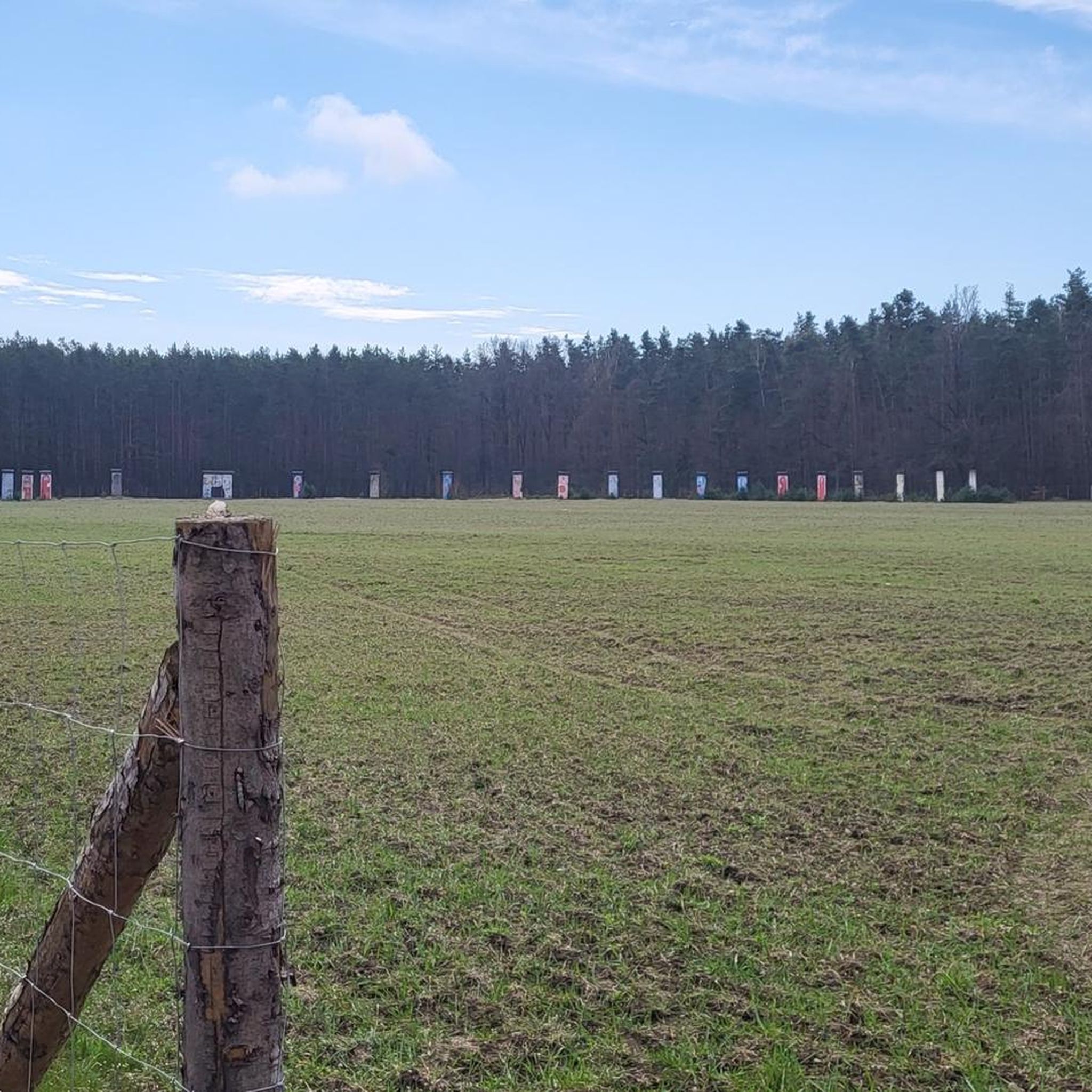
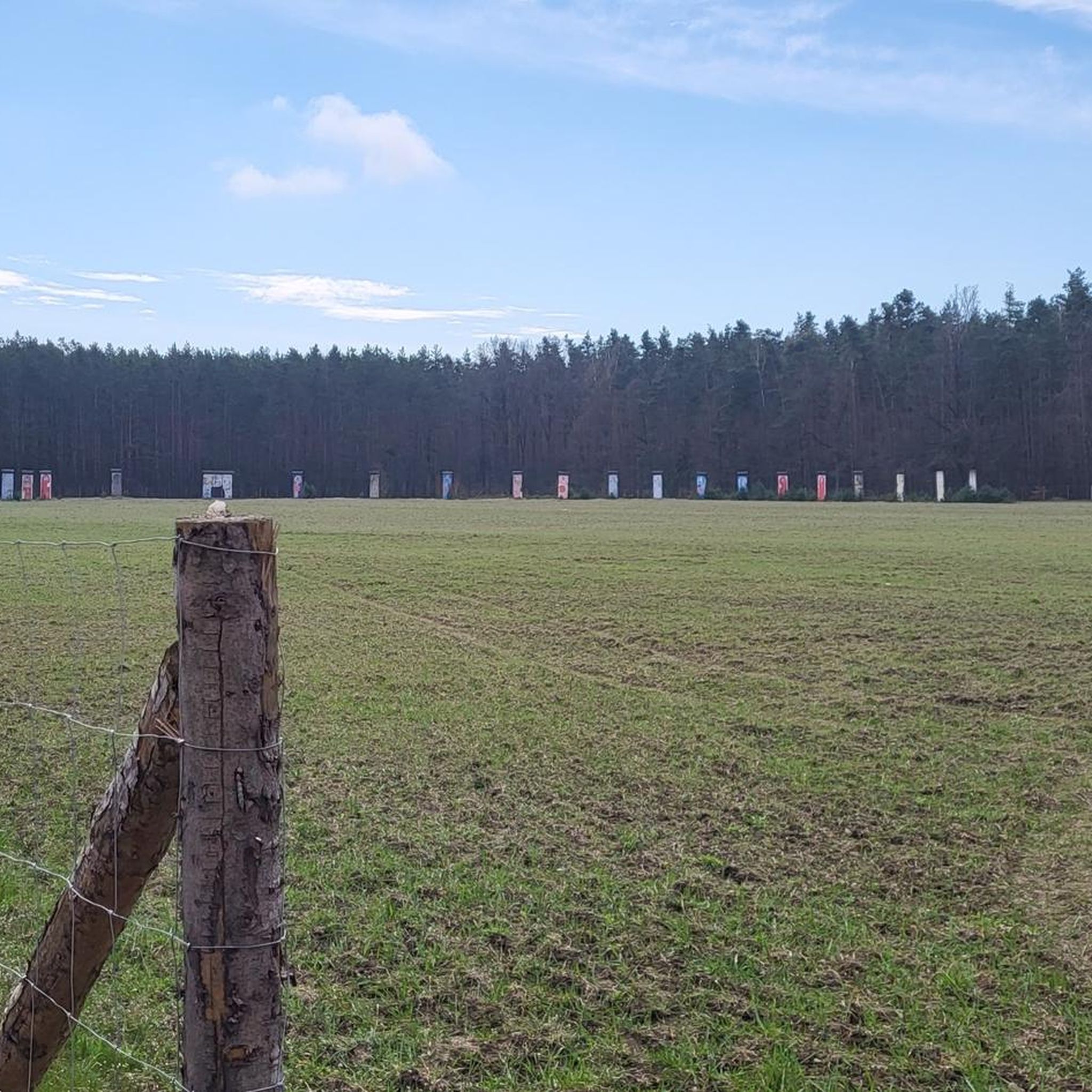
Beyond historical palaces and churches, Gmina Twardogóra offers some unique cultural experiences. You can find the world's largest private collection of Berlin Wall fragments in Sosnówka, amassed by physician and art collector Ludwik Wasecki. There's also the School Museum at ZSP in Twardogóra, which collects historical memorabilia related to the region.
What do visitors particularly enjoy about the attractions in Gmina Twardogóra?
Visitors appreciate the blend of historical depth and natural beauty. For instance, the Oleśnica Castle is praised for its beauty and the panoramic views from its tower. The Stradomia Reservoir Beach is highlighted as a great place for rest, sunbathing, and various activities, making it a popular spot for outdoor recreation.
Are there any lesser-known or unique attractions worth discovering?
Beyond the main highlights, consider visiting the My Will Hunting Palace, a unique residence built in 1852 with a facade clad in cork oak bark. While currently in poor condition, its history and distinctive architecture make it a fascinating stop. The ecological site "Leśne Stawki" near Goszcz is also a charming, peaceful spot for walks and observing European pond turtles.
When is the best time to visit Gmina Twardogóra?
The region is enjoyable throughout the warmer months, particularly from spring to early autumn (May to September), when the weather is ideal for outdoor activities like cycling, hiking, and enjoying the Stradomia Reservoir Beach. Historical sites and cultural attractions are generally accessible year-round.
Can I find easy hiking trails suitable for beginners?
Yes, Gmina Twardogóra offers several easy hiking options. You can explore routes like the Hiking loop from Płonka (7.8 km) or the Staw Mały Karol loop from Krośnice (3.8 km), which are rated as easy and perfect for a relaxed walk.
Are there any specific cycling routes that highlight tourist attractions?
Yes, the gmina features a green cycling route specifically designed to highlight tourist attractions. Additionally, the "Kolorowy Szlak Karpia" (Colorful Carp Trail) is a themed route that includes historical sites in Twardogóra, offering a scenic way to explore the area's heritage.
Most popular routes around gmina Twardogóra

Get inspired with the komoot mobile app


Explore more
Still not found the Highlight you’re looking for? See guides of the top attractions in other regions:
